Matox News

Truth Over Trends, always!

Coup chief Mamady Doumbouya officially Launches Bid for Guinea’s Presidency

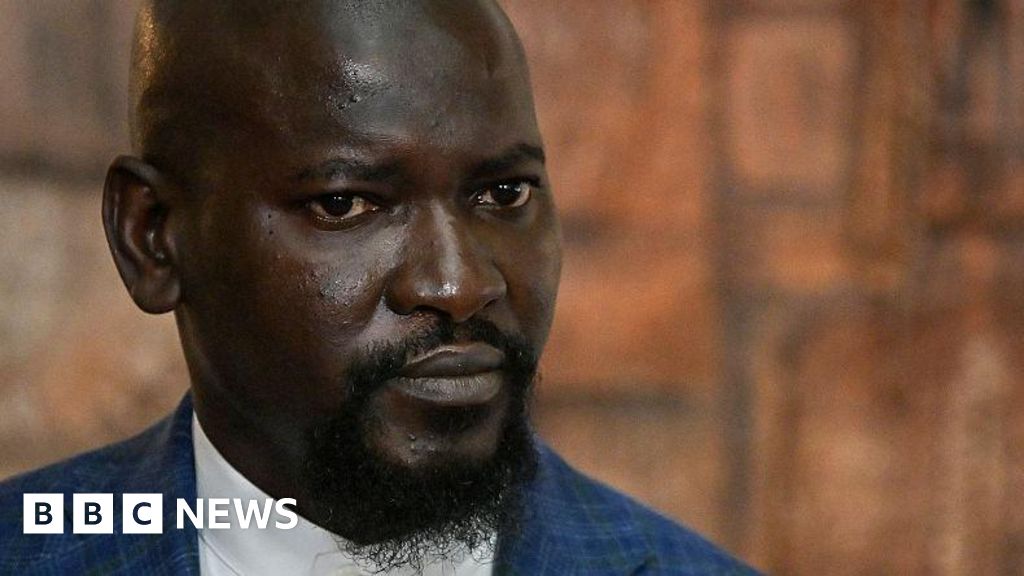
In Guinea, a nation still reeling from recent upheavals, a pivotal moment is unfolding that could redefine the country’s future trajectory. The military commander Col Mamadi Doumbouya, who seized power in a coup four years ago, has shattered his earlier promise to facilitate a transition to civilian rule by announcing his candidacy for president. His submission at the Supreme Court, flanked by soldiers and cloaked in anonymity with sunglasses, raises profound questions about the political integrity of upcoming elections. This move not only signals a consolidation of military influence but also challenges longstanding international expectations for Guinea’s democratic processes.

Despite initial pledges to hand over power, Doumbouya’s decision to compete in December’s electoral contest underscores a pattern witnessed across parts of Africa where military regimes manipulate political systems amidst promising rhetoric. The exclusion of major opposition parties—such as RPG Arc en Ciel and UFDG—by electoral authorities further diminishes the legitimacy of these elections, fueling concerns from international watchdogs like the Economic Community of West African States (ECOWAS) and analysts who warn that these developments threaten regional stability. The situation exemplifies the rise of authoritarian tendencies under the guise of democratic transition, with critics emphasizing that Guinea’s political space is narrowing under the weight of authoritarian governance disguised as constitutional reform.

The electoral process itself has become a battleground for credibility, highlighted by a controversial deposit requirement of 875 million Guinean francs ($100,000), which many consider a barrier designed to limit political participation. While the previous deposit was nearly comparable, the increased financial threshold has sparked outrage among ordinary Guineans, who see it as an obstacle to genuine democratic contestation. Historically, African nations have wrestled with such manipulations—where economic hurdles serve as tools for entrenched elites to maintain power—yet the international community remains cautious in its response, wary of fueling instability. As historians and analysts observe, this election reflects a broader geopolitical trend: authoritarian strongmen cloaked in transactional democracy to insulate themselves from accountability and opposition.

Under Col Doumbouya‘s rule, Guinea has seen a crackdown on dissent—media outlets have been suspended, internet access restricted, and street protests violently suppressed. Such tactics evoke memories of how military regimes across Africa have often justified repression by citing the need to stabilize the nation and eradicate corruption, despite evidence to the contrary. Yet, the very justification used by Doumbouya—accusations of rampant corruption and human rights abuses under his predecessor—appears to be increasingly exploited as a pretext for consolidating power rather than as a genuine crusade for reform. The geopolitics of the region are sensitive, with neighboring powers and international organizations watching closely, wary of a possible slip into prolonged autocracy that could undermine regional security and economic stability.

As Guinea’s political theater prepares for this decisive chapter, history hangs in the balance, leaving the wider world to ponder: Will this election herald the dawn of renewed civilian governance, or will it serve as yet another chapter in Africa’s ongoing struggle with military entrenchment? The influence of veterans’ testimonies and regional diplomatic efforts emphasizes the necessity of vigilance, for in the shadows of this unfolding contest, the future of Guinea—and perhaps West Africa—may be decided not just by ballots, but by the enduring power of agreement, influence, and the weight of history-bearing decisions still to come.

Guinea's Youth Outraged Over $100,000 Election Fee to Topple Junta
Guinea’s Youth Outraged Over $100,000 Election Fee to Topple Junta

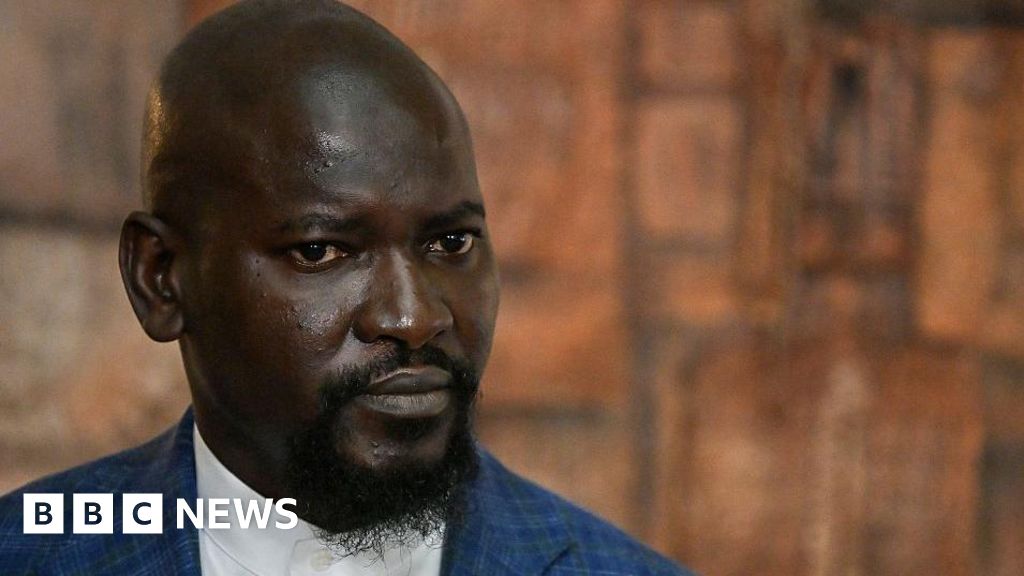
The recent announcement of a **$100,000** deposit requirement for presidential candidates in Guinea has sent shockwaves through the country’s political landscape. Under the shadow of ongoing **military rule** since Colonel Mamady Doumbouya seized power in 2021, these upcoming elections are seen as a pivotal moment in Guinea’s fragile transition towards civilian governance. Yet, the decision to impose such high barriers to entry raises serious questions about the fairness and inclusivity of the electoral process, especially as analysts predict that only the wealthiest or those with significant connections will be able to compete. Critics argue that these financial hurdles, which are higher than in neighboring countries like Nigeria, Cameroon, and Ivory Coast, threaten to exclude a broad spectrum of political voices, ultimately undermining the legitimacy of the elections.

Since the country’s constitutional reform, which ostensibly allows Doumbouya to run for the presidency, opponents and international observers have voiced concern over whether this election genuinely represents a sovereign choice by the Guinean people or is another step in consolidating military influence. Prominent figures such as Faya Millimono have criticized the skyrocketing deposit requirements, noting that they have increased drastically over the past two decades—from less than 50 million Guinean francs in the early 2000s to today’s 875 million. This trend reflects a broader pattern seen across West Africa, where high deposit and campaign spending limits tend to favor established elites and entrenched political parties, thereby marginalizing grassroots or opposition candidates. The high cost of participation effectively transforms the election into a contest among the well-funded, threatening the democratic spirit that many had hoped efforts like these might revive.

The geopolitical impact of Guinea’s electoral processes stretches beyond its borders. As one of the region’s largest economies and a key resource hub, Guinea’s stability is vital for broader West African security. International organizations, including the Economic Community of West African States (ECOWAS), have expressed cautious optimism while emphasizing the importance of credible, transparent elections. Meanwhile, local opposition leaders living in exile, such as Alpha Condé and Cellou Dalein Diallo, warn that the exclusion of major political figures and the potential for electoral manipulation could lead to renewed unrest or even a return to conflict. The decision by military authorities to maintain high candidacy deposits and limited political competition could serve as a catalyst for discontent, echoing past crises in other African nations where authoritarian tendencies have been reinforced amid electoral controversies.

As history unfolds, all eyes are on Guinea, where the outcome of these elections may define not just the country’s future but also send ripples through the entire region. The weight of this moment, whether it leads to a genuine transfer of power or entrenched authoritarianism, underscores the importance of international vigilance. The struggle for Guinea’s soul is a reminder that decisions made today in Harare, Conakry, and Abuja are shaping the geopolitical landscape of West Africa — a landscape at a crossroads where history’s ink continues to bleed into the pages of tomorrow. Will Guinea chart a new course towards democracy, or succumb to the forces of elite entrenchment? As history’s pen moves forward, the true story of this nation remains a tense and momentous drama, with the future yet unwritten.

Social Media Auto Publish Powered By : XYZScripts.com


