Matox News

Truth Over Trends, always!

Canada’s gun laws: What young Canadians need to know

Mass Shooting in British Columbia Sparks Renewed Debate Over Canada’s Gun Laws

A tragic mass shooting in British Columbia has reignited a heated debate across the nation regarding the adequacy of Canada’s gun control measures. While Canada has long been seen as a country with relatively strict firearm regulations compared to their neighbors to the south, recent violence has cast doubt on whether existing laws are sufficient to ensure public safety. The incident, which resulted in multiple fatalities, underscores the fragility of peace in societies that may underestimate the threat posed by firearms, especially in an era of rising global unrest.

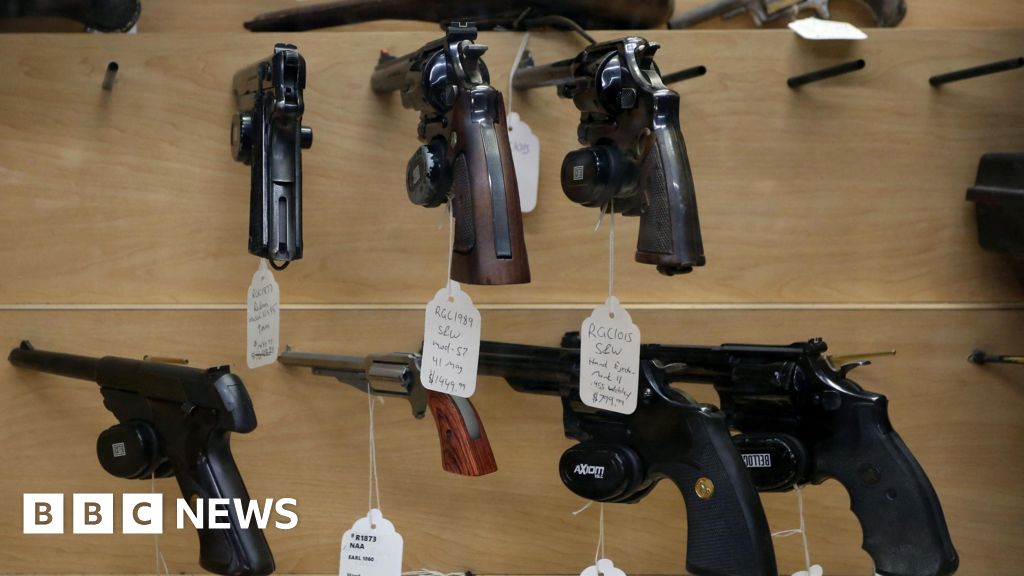
Analysts and international organizations have expressed concern that such tragedies expose gaps in Canada’s gun legislation. According to Global Firearm Violence Index, the country’s current framework primarily focuses on licensing and registration, but often falls short in controlling the availability of high-powered weapons and addressing illegal firearm circulation. Historians point to patterns observed in other nations where insufficient regulation correlates with higher rates of gun-related violence. The incident is likely to prompt a reconsideration of legal frameworks, which could include measures such as imposing stricter background checks, bans on semi-automatic weapons, or enhanced tracking systems.

Political leaders and civic groups are now divided on the issue. Prime Minister Justin Trudeau has called for a comprehensive review of protocols surrounding firearm possession, emphasizing the importance of balanced policies that respect law-abiding citizens while protecting communities. However, opponents argue that such efforts threaten the rights of law-abiding gun owners and could fuel criminal networks if not properly implemented. The debate echoes larger questions about how nations prioritize security versus individual freedoms, sparking a broader conversation that crosses borders and ideologies.

The geopolitical impact of this incident extends beyond Canada’s borders. As the international community witnesses the rising toll of firearms-related violence in Western societies, there is increased pressure on global institutions to enforce stricter standards and support national efforts. Countries such as the United States serve as cautionary examples, where the proliferation of firearms correlates with higher rates of gun-related homicides and mass shootings. In this context, the British Columbia tragedy underscores a crucial lesson: the decision to tighten or loosen firearm laws can shape societal stability for generations to come.

Leading analysts warn that failure to address the root causes — whether through legislation, societal reform, or international cooperation — risks the continuation of cycles of violence that threaten the very fabric of our global community. As history continues to unfold, nations remain locked in an ongoing struggle to find the right balance. And while the echoes of this tragic event fade into the backdrop of political discourse, the power to influence future policy rests in the hands of decision-makers now faced with the gravity of their choices. In an uncertain world, the lesson remains clear: the cost of inaction can be measured in lives lost, and history’s voice will judge the courage of those who choose to act or remain silent.
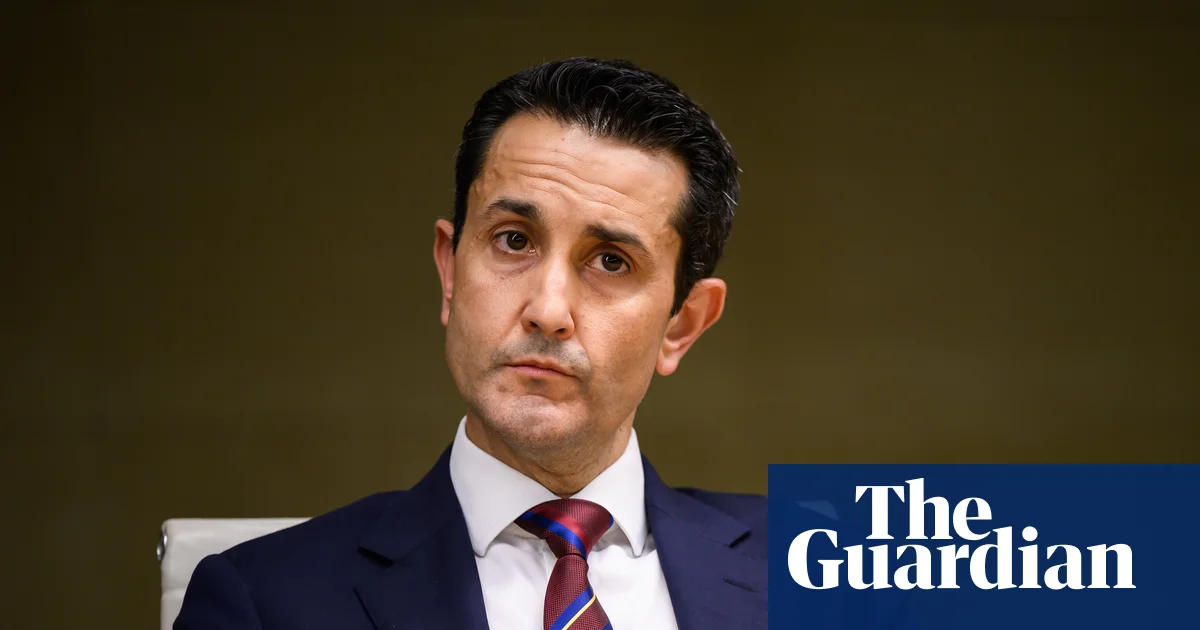

Queensland’s new gun laws face backlash as critics call them the weakest in Australia

In a move that exemplifies the ongoing global struggle between individual freedoms and government control, Australia’s states and territories are enacting divergent policies on firearms and free speech. The recent decision by Queensland to uphold the weakest gun laws in the entire country marks a notable shift in the nation’s legislative landscape. Despite widespread calls for reform following heinous shootings, Queensland’s Premier, David Crisafulli, has dismissed demands for tighter restrictions, signaling a focus on protecting domestic gun owner rights over public safety.

This stance aligns with a broader pattern of resistance to federal initiatives, such as the proposed nationwide gun buyback scheme championed by Prime Minister Anthony Albanese. While other states, including New South Wales, have aggressively tightened firearm regulations—capping firearms per licence holder and banning rapid-fire weapons—Queensland chooses to reject these measures outright. By refusing the buyback and avoiding restrictions on the number or type of firearms, Queensland asserts its sovereignty, prompting critics and advocacy groups to accuse the government of prioritizing the interests of the firearm industry over collective safety. Such discord highlights the fracturing of national policy, as states act as independent centers of legislative power, shaping the social fabric in unique ways.

Meanwhile, internationally, analysts warn that these Australian policies reflect a concerning shift in how governments approach public safety through legislation. Organizations like the International Institute for Democracy and Electoral Assistance have expressed concern that laws which broaden police powers—such as those proposed to regulate terrorist activities and hate speech—could dangerously infringe on fundamental free speech rights. In Queensland, legislation aimed at banning the protest chant “from the river to the sea” epitomizes this tension, provoking fierce debate on how far governments can go in limiting expressions they deem offensive or threatening. Critics argue that enabling authorities to criminalize specific slogans under the guise of fighting hate speech risks paving the way for authoritarian overreach—an ominous warning echoed by civil liberties groups across the globe.

Historians caution that such legislative shifts are not inconsequential; they may serve as precursors to broader societal transformations. Many fear that the formulation of criminal laws targeting speech and firearm ownership signals an ideological battle to redefine civil liberties. As analysts like Professor Mark Latham observe, the specter of state overreach looms large when government officials prioritize control over individual rights. The unfolding story in Australia, therefore, is a microcosm of a worldwide contest: how to preserve personal freedoms in the face of emerging threats and shifting political priorities. With each government decision crafting new boundaries of acceptable conduct, history continues to be written, often in the resistance of those who dare to speak out.”

Undercover cop fakes animal rights gun scheme, managers reveal at inquiry

Unfolding Shadows: The Undercover Police Inquiry Exposes Decades of Deception

The undercover policing inquiry in the United Kingdom has unveiled a disturbing pattern of duplicity, manipulation, and questionable operations spanning over four decades. At the heart of the revelations is James Thomson, an officer whose actions have cast long shadows over the legitimacy of covert state surveillance against political activists. The inquiry, which scrutinizes the activities of nearly 140 officers who assumed false identities from 1968 to at least 2010, exposes profound questions about civil liberties, state power, and accountability. As allegations emerge of lies, deceptive relationships, and manipulation, the geopolitical impact of such clandestine operations extends well beyond the UK, calling into question the integrity of governments committed to restricting freedoms in the name of security.

Historians and analysts argue that the deep-seated misuse of undercover tactics destabilizes the societal trust necessary for democratic accountability. The inquiry has revealed that Thomson, tasked with infiltrating activist groups, often fabricated threats and plots—some resulting in dubious arrests or public hysteria. For example, he claimed to have uncovered a plot involving animal rights activists seeking revenge with a gun aimed at a political opponent, a narrative he and his managers later doubted. Internal reports have cast doubt on the credibility of these alleged plots, with one manager explicitly describing the entire affair as “bollocks.” This raises crucial questions about how much of the state’s narrative is built on fabricated intelligence. If such fabrications originate at the highest levels, the implications threaten to undermine the legitimacy of entire cohorts of covert operations, potentially leading to widespread mistrust in law enforcement agencies worldwide.

Beyond the operational doubts, the inquiry has cataloged unethical behaviors, including the systemic manipulation of innocent individuals. Thomson deceived women into intimate relationships, lied about his identity, and even concealed travel and possession of firearms—actions that constitute serious breaches of trust and law. His claims of receiving a gun from contacts in France during the early 2000s, purportedly to prevent a violent plot, were later questioned by colleagues who believed he might have invented or exaggerated the story. Meanwhile, a witness—the activist accompanying Thomson during his alleged trip to France—testified that their week-long stay was nothing more than a holiday. Such revelations underscore how inner secrecy and deception tainted the agency’s role, often blurring the line between intelligence work and personal exploitation, thus eroding the moral authority of the state.

The international repercussions of these revelations resonate globally. Critics argue that covert operations, especially those that manipulate public perceptions or infiltrate civil society, risk creating conflicts both domestically and abroad. As Western governments face increased scrutiny, the danger lies in how such clandestine programs may serve as tools for political suppression or influence operations beyond national borders. The United States, Russia, and other nations with extensive intelligence apparatuses face growing pressure from international watchdogs and human rights organizations who warn that unchecked spying fosters authoritarian tendencies and diminishes global trust in institutions dedicated to safeguarding freedom. The European Union and United Nations continue to debate stricter oversight, but behind closed doors, covert powers remain deeply embedded, reminiscent of Cold War espionage and now driven by new-age fears of terrorism, extremism, and social upheaval.

As history’s pen continues to etch this chapter, the weight of these revelations signals a turning point—a stark warning that state power wielded without accountability risks straying into the abyss of tyranny and abuse. The story of James Thomson and the UK’s secretive undercover operations serves as a stark reminder. How far can the state go in the name of security before it becomes the very enemy it seeks to fight? With the unfolding of these dark secrets, the broader question remains: will the architects of these covert realms acknowledge the harm wrought or double down on secrecy and deception? This chapter in history is far from complete, and as the world watches, the shadows lengthen, casting a long, uncertain future for liberty and transparency.”

Social Media Auto Publish Powered By : XYZScripts.com