
Global Implications of a Tragedy in Outback Australia
In an event that has sent shockwaves through Australia and beyond, the disturbing disappearance of four-year-old Gus Lamont from his family’s sheep station in South Australia underscores the critical importance of national and international efforts in safeguarding vulnerable populations. As authorities continue their relentless search, the incident highlights how localized tragedies magnify into profound challenges for global security, the role of law enforcement, and the international community’s moral obligation to protect innocent life.
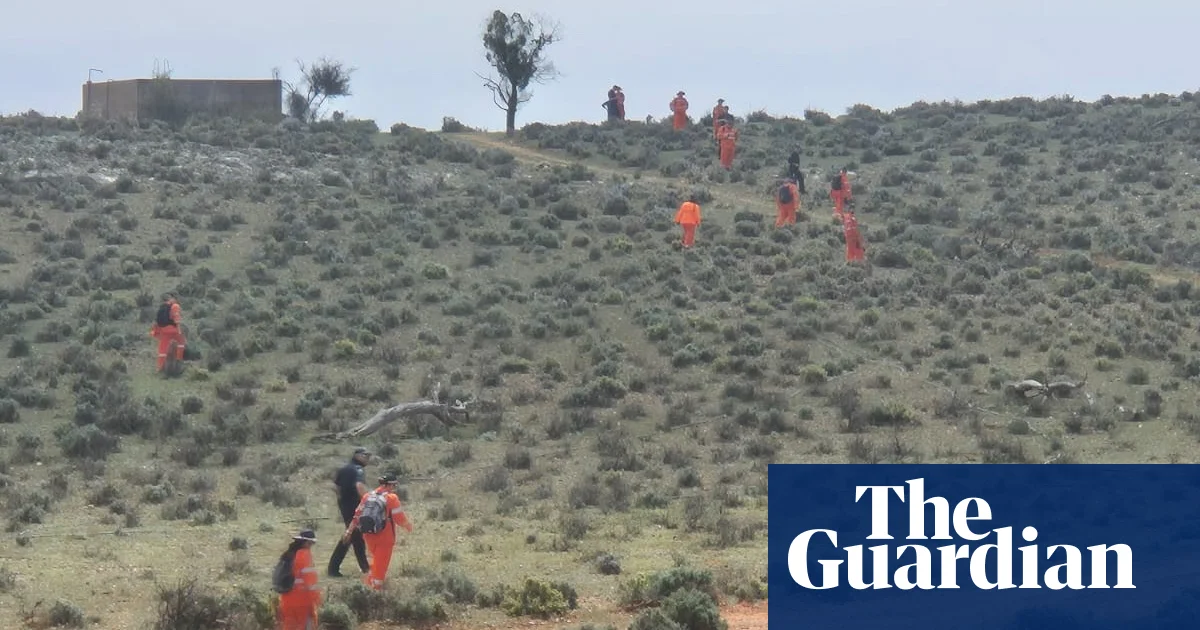
This tragic incident, which unfolded near Yunta—an isolated region approximately 300 km inland from Adelaide—has become a potent symbol of how fragile societal security can be in remote territories. The meticulous investigation reveals the presence of a suspect, a person living on the property who is neither a parent nor an immediate family member. As police seized vehicles, electronic devices, and deployed drones along with divers and dogs in an expansive search through the 60,000-hectare property, the case grew more complex. Experts suggest that this case could serve as a stark example of how rural and remote areas often grapple with limited resources, complicating search and rescue operations. International organizations such as the United Nations Office on Drugs and Crime (UNODC) increasingly emphasize the necessity of international cooperation when dealing with crimes involving remote or inaccessible regions, recognizing how such cases can escalate into broader issues of trafficking, exploitation, or clandestine activities.
Strategic and Geopolitical Ramifications
The unfolding disappearance has not only reignited local debates about community safety and law enforcement efficacy but also invokes a wider geopolitical impact. The incident arrives at a time when Australia is navigating tumultuous shifts in regional alliances, maritime disputes, and economic competitions with rising nations. Analysts warn that neglect of domestic security issues—especially in distant territories—can undermine national cohesion and weaken a country’s international standing.
Notably, the case has prompted calls among international policymakers for increased collaboration in rural and border security. Whether it’s through intelligence sharing, technological aid, or joint operations, the Australian government faces mounting pressure to bolster its remote region security infrastructure. Historically, Australia has been a strategic ally for Western nations facing the rising influence of China and Russia. Yet, the vulnerability of isolated zones like Yunta underscores a broader geopolitical risk—undermining perceived stability in the Indo-Pacific region, where the balance of power remains delicately poised. The incident serves as a reminder that any breach in national security or failure to prevent such tragedies could diminish the credibility of alliances and international commitments.
The Weight of Decisions and the Future of Societies
As police continue to piece together the circumstances surrounding Gus’s disappearance, the case exemplifies the profound impact of decision-making at both the local and international levels. The response, which involves intensive search efforts and ongoing investigations, highlights the essential role of technological advancements, legal frameworks, and community vigilance in safeguarding the vulnerable. Consequently, this tragedy brings into focus the ongoing debate over rural law enforcement resources, border security policies, and the societal resilience necessary to face such crises. The loss of Gus Lamont remains a poignant call to action, urging nations worldwide to strengthen their commitment to protect innocent lives—especially in the most remote and underserved regions.
In the end, the story of Gus Lamont is a stark chapter in the ongoing narrative of human vulnerability and societal responsibility. As his parents remain steadfast in their grief yet hopeful in their plea for answers, the world bears witness to the fragile line separating security and chaos. With each passing day, history writes a new page, and the weight of unresolved questions looms large. The unfolding search for truth in this quiet Australian outback echoes beyond its borders—reminding all nations that, amidst shifting alliances and geopolitical struggles, the fundamental duty of safeguarding humanity endures as the ultimate moral imperative. For in the silent vastness of the outback, the echoes of loss and resilience forge a story that history will remember for generations to come.