Matox News

Truth Over Trends, always!

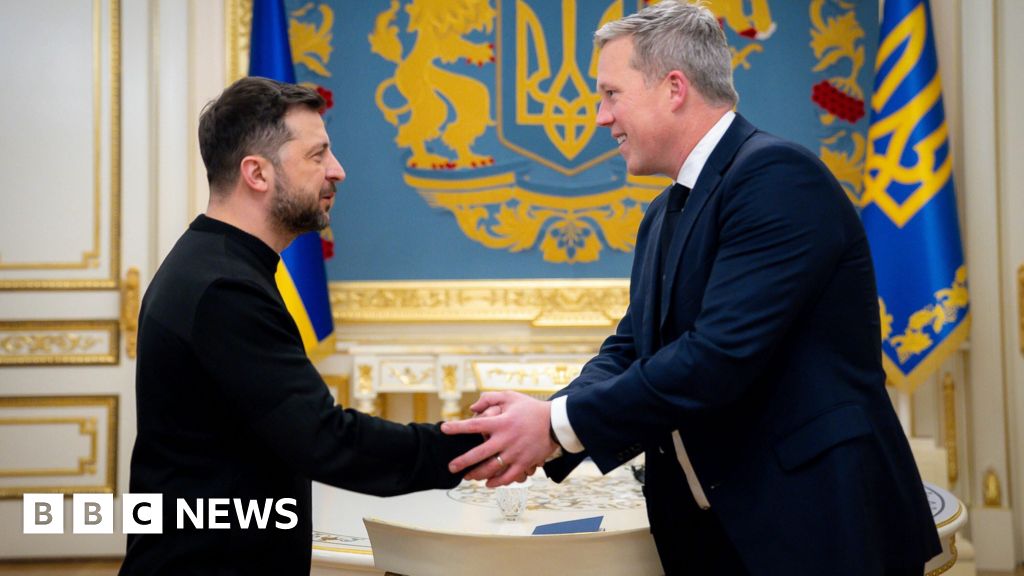
Meet Trump's "Drone Guy" Becoming Key Player in Ukraine Peace Talks
Meet Trump’s “Drone Guy” Becoming Key Player in Ukraine Peace Talks

Geopolitical Shifts and Emerging Power Players in US Military Politics

In the tangled web of international power, the recent appointment of Dan Driscoll as the youngest-ever Army Secretary in the United States marks a notable shift in the country’s military and geopolitical landscape. At only 39, Driscoll’s rise to prominence underscores an emerging trend where technology, youth, and political alliances forge new avenues for influence—an aspect not lost on international analysts and historians. Despite his limited diplomatic experience, Driscoll’s close ties with key figures like Vice President JD Vance and former President Donald Trump signifies a potential reorientation of America’s military and strategic priorities, especially regarding the ongoing crisis in Ukraine.

His unannounced visit to Kyiv and subsequent discussions with Ukrainian officials signal a significant departure from traditional diplomatic channels, hinting at a more direct or even unconventional approach to conflict resolution. The fact that Driscoll, with no formal background in international diplomacy, engaged in top-level talks with Zelensky and Russian officials, demonstrates a possible shift toward a strategy where military technology and unorthodox negotiations play an increasing role. Analysts, including those from international think tanks, warn that such moves could recalibrate America’s role in global conflicts, tilting the balance of influence in ways reminiscent of Cold War-era brinkmanship, but now driven by emerging battlefield technologies and rapid information exchanges.

Trump’s recent social media hints about directing his envoy Steve Witkoff to meet with Vladimir Putin in Moscow—plus Driscoll’s overt involvement—highlight an essential shift: the potential melding of military preparedness with diplomatic gambits. This combination might redefine how America projects power and mediates conflicts in our multipolar world. More critically, Driscoll’s vision of future warfare—where every soldier harnesses drones and artificial intelligence—reflects a broader trend towards technological dominance. Historical voices from military strategists and defense analysts warn that as societies become more reliant on silicon and software, the battlefield itself transforms into an arena of information warfare and automation, promising both unprecedented efficiency and dangerous vulnerabilities.

In the backdrop of these developments, questions emerge about Driscoll’s possible future role – whether as a key figure in negotiations over Ukraine, potential defense secretary, or a strategic envoy. Warnings from international bodies suggest that the autonomy and rapid decision-making enabled by technological integration could either speed up peace processes or plunge the world into new conflicts. As Europe, Russia, and Ukraine grapple with this shifting power dynamic, history warns us that decisions made today—often in backrooms and secret negotiations—could reverberate through generations. The unfolding saga of a young, tech-savvy military leader navigating a world on the brink underscores that history’s weight is immense, and the future remains unwritten — a ticking clock where each move could tilt the global balance and redefine the nature of warfare itself.

Air India crash survivor: "I'm the luckiest guy alive"
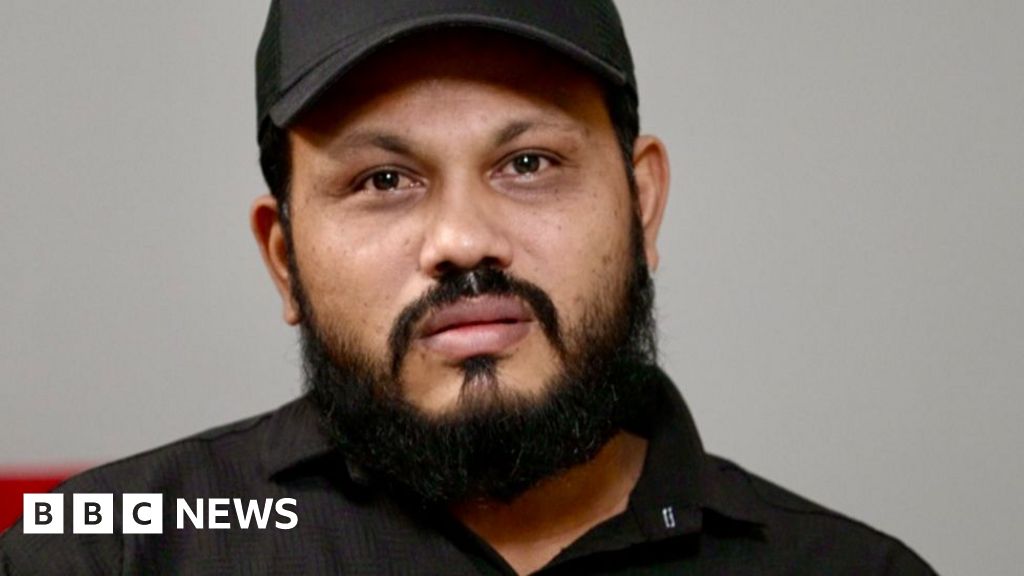
Air India crash survivor: “I’m the luckiest guy alive”

Unfolding Tragedy Sparks Broader Geopolitical Reflection

In a tragic incident that has sent shockwaves through the international community, a **Boeing 787** flight en route to **London** from **Ahmedabad** collapsed shortly after takeoff, engulfed in flames that claimed the lives of 169 Indian nationals, 52 Britons, and 19 others on the ground. The incident underscores not only a profound human tragedy but also a critical juncture that tests international protocols and diplomatic ties. As survivors like Viswashkumar Ramesh recount their harrowing experiences, the underlying question of aviation safety and accountability takes center stage, with international implications.

The preliminary report from India’s Aircraft Accident Investigation Bureau indicated that fuel was cut off from the engines mere seconds after takeoff—a suspiciously rapid failure that suggests potential flaws in safety procedures or maintenance. This revelation has prompted global aviation authorities to scrutinize airline operations, prompting calls for stringer oversight in an era where **security and accountability** are paramount. Critics and international analysts warn that such incidents are a stark reminder of the vulnerability of emerging markets’ infrastructure, which often lacks the rigorous safety standards prevalent in **Western countries**. The aftermath threatens to escalate into a broader debate on international aviation regulations and their enforcement across nations with diverse standards.

Turning point: A Test of Diplomacy and Justice

The human dimension of this crisis is deeply intertwined with broader geopolitical impacts. India’s President Narendra Modi publicly expressed condolences, while calls for accountability have quickly become intertwined with diplomatic interactions between **India** and **the United Kingdom**. The families of victims, such as Mr. Ramesh, are demanding justice and transparency, emphasizing that “the highest levels” of airline responsibility must be held accountable. International organizations like the **International Civil Aviation Organization (ICAO)** have already signaled their intention to monitor the investigation, highlighting the incident’s potential to influence global aviation policy.

Historians and analysts warn that when crucial safety failures occur in high-profile international accidents, they risk fueling trust deficits between nations, especially when the airline in question is owned by a conglomerate such as the Tata Group, which itself is a symbol of burgeoning **India’s economic rise**. The tragedy presents a challenge to **India’s global image** as an emerging power, underlining that rapid development must be matched with stringent safety standards. Meanwhile, the UK government is pressed to consider how its nationals are protected abroad, emphasizing the need for robust diplomatic channels to support families in crisis.

Calls for Action: Justice, Repair, and the Path Forward

The aftermath has seen relentless calls for **proper accountability** and reparation, especially from victims’ families who protest the insufficient financial aid offered by airline authorities. **Air India**, owned by Tata Group, has offered a meager interim compensation of £21,500, which critics argue falls far short of meeting the immediate needs of grieving families and survivors suffering physical and psychological trauma. Experts warn that delay and dismissive responses only deepen the wounds and underline the systemic flaws in crisis management. The families are demanding a direct dialogue with airline executives, asserting that “whoever is responsible at the highest level” must face their grief and accountability. Such cries for justice could potentially ignite broader discussions on corporate responsibility and international oversight, as the global community watches with bated breath.

As the investigation continues, the weight of history presses upon all involved. Governments, corporations, and international regulators are at a pivotal crossroads, with the potential to either fortify the safeguards that protect millions or to succumb to complacency. Today’s fragile action may carve out a legacy of reform, or it may fade into the shadows of unresolved tragedy. Yet, the profound question remains: how will humanity respond amid the relentless unfolding of this story—one that is only beginning to reveal its long-term echoes across geopolitical boundaries?

Social Media Auto Publish Powered By : XYZScripts.com


