
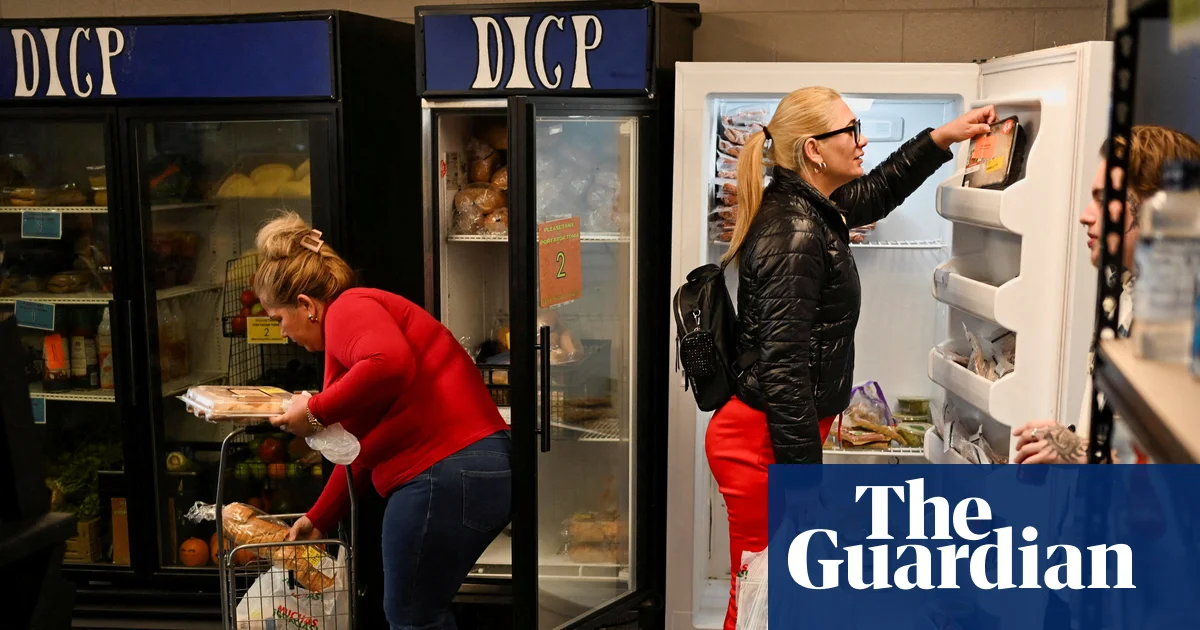

The United States continues to grapple with the fallout from its ongoing federal government shutdown, revealing stark divisions not only within its political landscape but also with profound geopolitical implications. Central to this turmoil is the battle over distributing the November benefits for the Supplemental Nutrition Assistance Program (SNAP), commonly known as food stamps—a critical lifeline for millions of lower-income Americans. The Trump administration’s efforts to halt full payment amid congressional deadlock highlight a distinct shift in federal social policy, raising alarms among international observers and analysts about the erosion of social safety nets in a nation often seen as a global economic leader.
This controversy escalated last week when a federal district court ordered the government to continue full SNAP benefits despite the shutdown’s budget chaos. The administration responded with fervor—first attempting to block the order by appealing to the Supreme Court, claiming that fulfilling the court’s mandate could cause irreparable harm. The argument centered around the idea that once funds are disbursed, they cannot be recouped, and continued payments could set a dangerous precedent for future budgets, especially if the shutdown persists into December. This legal refusal to comply with court rulings exposes a fragile balance between judicial authority and executive discretion, with serious consequences for social stability and international reputation.
International organizations and geopolitical analysts have closely watched this domestic dispute, aware that such internal conflicts have the potential to ripple across borders, especially given the global economic interconnectedness these days. Historians warn that such standoffs threaten to undermine the perception of US stability, potentially weakening its position in international financial markets. The fact that this political and legal tussle revolves around providing basic needs—an essential element for societal stability—underscores the crucial role of national governance in shaping human lives and global relations. As the Trump administration presses for a stay on court orders, claiming it cannot “tap” funds for ongoing payments, critics argue this signals a dangerous turn towards austerity and social neglect.
The unfolding saga leaves the world with a stark reminder: the choices made within the halls of power are not isolated—they set precedents with far-reaching implications. The decision to prioritize political posturing over the well-being of vulnerable populations shapes the narrative of an America divided and weakened at its core. As history continues to write itself into the pages of the 21st century, the crisis surrounding SNAP benefits is emblematic of a nation at a crossroads, where internal conflicts threaten to define its global role and societal fabric for generations to come. Whether this chapter will culminate in a resolution that upholds the rule of law and social cohesion or deepen the fissures remains an open question—yet, one thing is clear: the weight of history presses relentlessly forward, shaping a future still shrouded in uncertainty.





