Matox News

Truth Over Trends, always!

Israel strikes Gaza bus, kill eleven: Hamas warns of escalation

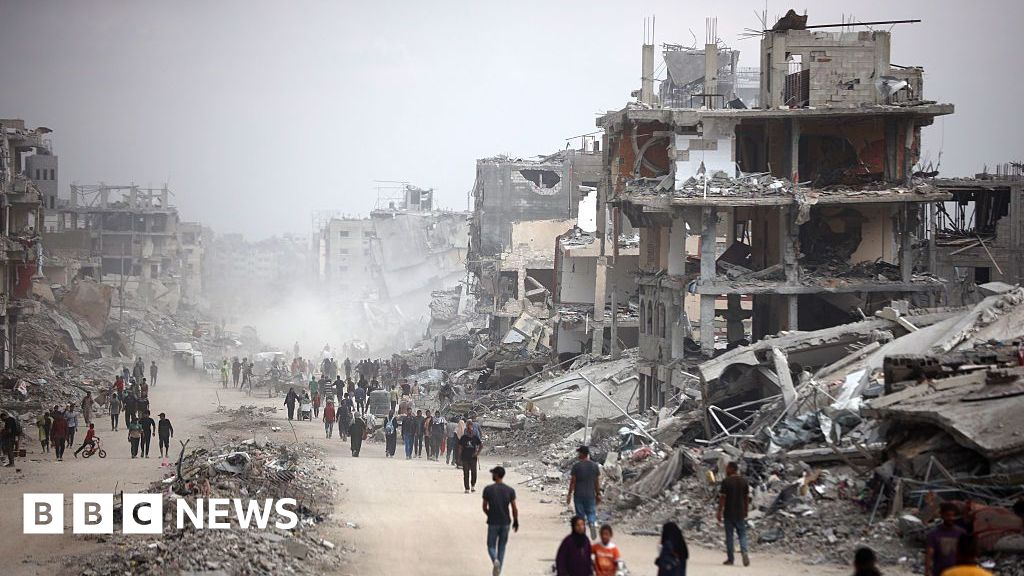
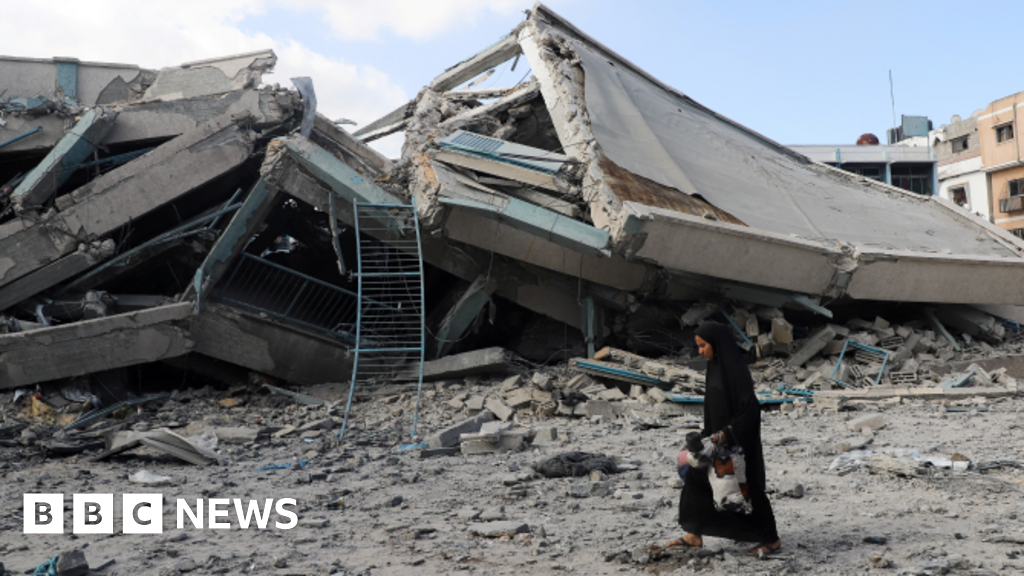
The recent surge of violence in Gaza underscores the fragile state of the current ceasefire, which was negotiated under immense international pressure. Despite claims of a temporary pause in hostilities, the situation remains volatile as *Israeli* military operations continue within the territory, notably in the northern regions where the tense borders demarcated by the so-called yellow line are still contested. The latest incident involving a civilian family tragically highlights how thin the veneer of peace remains, with reports indicating that 11 members of the Abu Shaaban family were killed when an IDF tank shell struck an apparently innocent bus while they were attempting to reach their home in Gaza City. Civil defence officials indicated that women and children were among the victims, marking a bleak milestone—the deadliest single incident since the ceasefire took effect eight days ago.

This incident signals a critical *turning point* in the ongoing conflict, raising questions about the *understanding of rules of engagement* and the efficacy of efforts to contain violence. The Israeli military contends that its soldiers targeted a “suspicious vehicle” crossing the demarcation line, which prompted warning shots that escalated unintended consequences. Yet, critics and Palestinian civil authorities vehemently argue that such strikes are disproportionate and unjustified, especially when civilians are involved. Hamas has accused Israel of outright targeting civilians, and *analysts* warn that these repeated breaches risk unraveling the fragile ceasefire, potentially igniting a new cycle of retaliation. As *International organizations* and *human rights advocates* call for restraint, the *geopolitical impact* of these events resonates far beyond Gaza, signaling a potential shift towards broader regional instability.

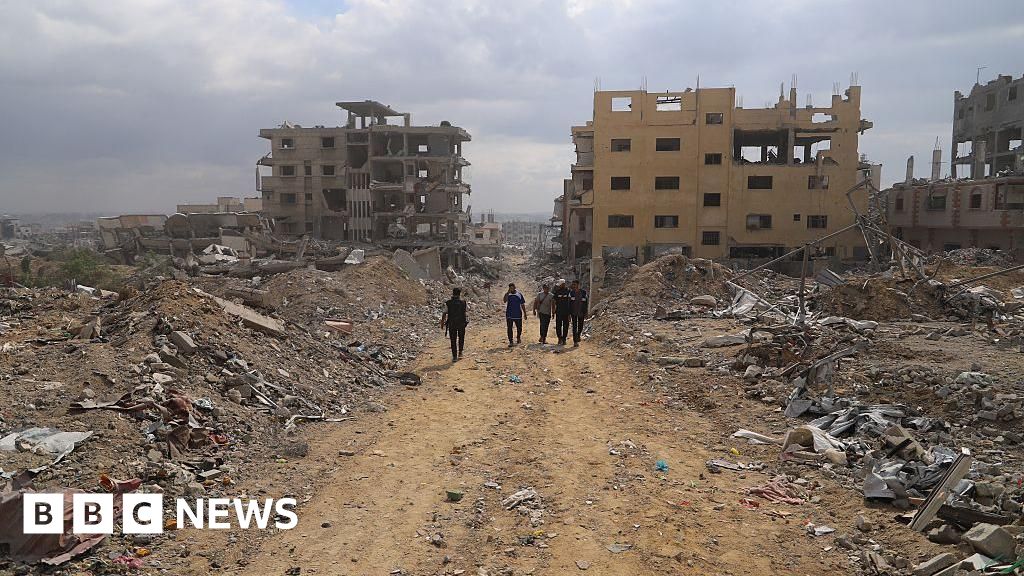
The ongoing presence of Israeli forces in more than half of Gaza’s territory is emblematic of the delicate balance of power that currently favors neither side. With many Palestinians unaware of the exact location of Israeli troop movements—owing to the absence of physical markers on the *yellow line*—the risk of accidental escalation remains high. Israeli Defense Minister Israel Katz announced plans to install visible signs to delineate the border, reflecting an effort to avoid further tragedies. Meanwhile, *Hamas* has criticized what it describes as Israel’s deliberate obstruction of search efforts for hostages and bodies, which further fuels mistrust. In a *warning* to the international community, scholars and *diplomats* warn that unless *hardline measures* are adjusted, the simmering conflict could spiral into a broader regional war, with repercussions for global security. The *geopolitical impact* reveals itself in how each side’s decisions ripple through their societies and influence international alliances, especially as the United States and European nations attempt to mediate amid this chaos.

Adding complexity to the crisis is the ongoing struggle over *hostage negotiations*. Last week, Hamas released Israeli hostage Eliyahu Margalit to the Red Cross, marking a rare moment of step toward de-escalation. However, *tensions* remain high, with Israel demanding the return of all remaining hostages and bodies, accusing Hamas of delaying compliance by the destruction wrought by its own strikes. The *U.S.-brokered ceasefire* resulted in the release of 250 Palestinian prisoners and the return of 20 Israeli hostages, but the debate over the complete reconciliation of the dead and the injured continues to haunt the fragile peace process. Analysts warn that any perceived lapse in fulfilling *de-escalation commitments* could quickly reignite hostility. The *historians* and *security experts* caution that such moments, if mishandled, risk turning into the defining conflict of our time, with wide-reaching implications for Middle Eastern stability. As the world watches, the shadows of history seem poised to repeat themselves, with each decision bearing the weight of generations, and the potential for a new chapter of tragedy—yet unwritten—hanging in the balance.
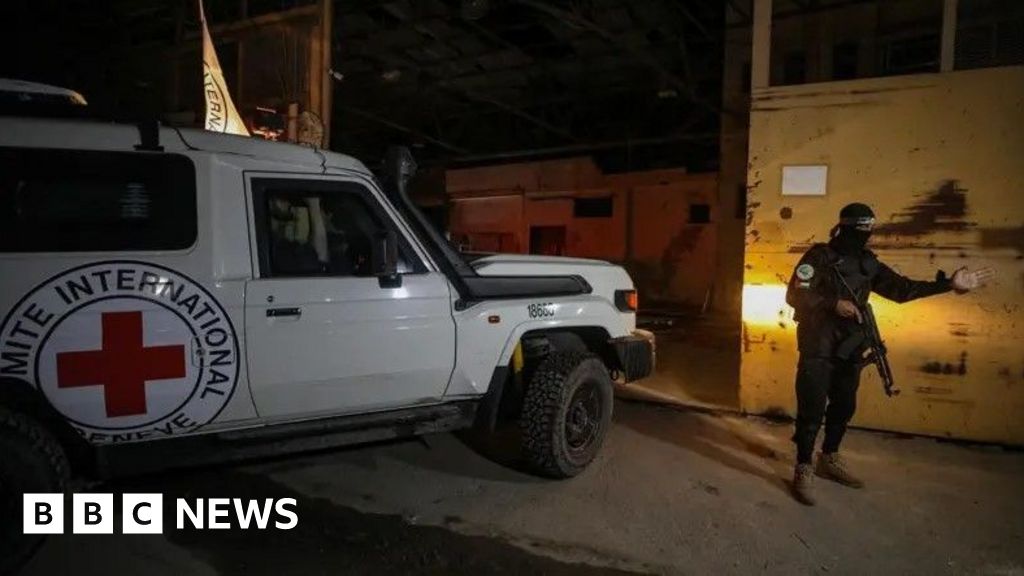
Israel and Hamas Clash Over Hostage Remains as Tensions Escalate in Gaza

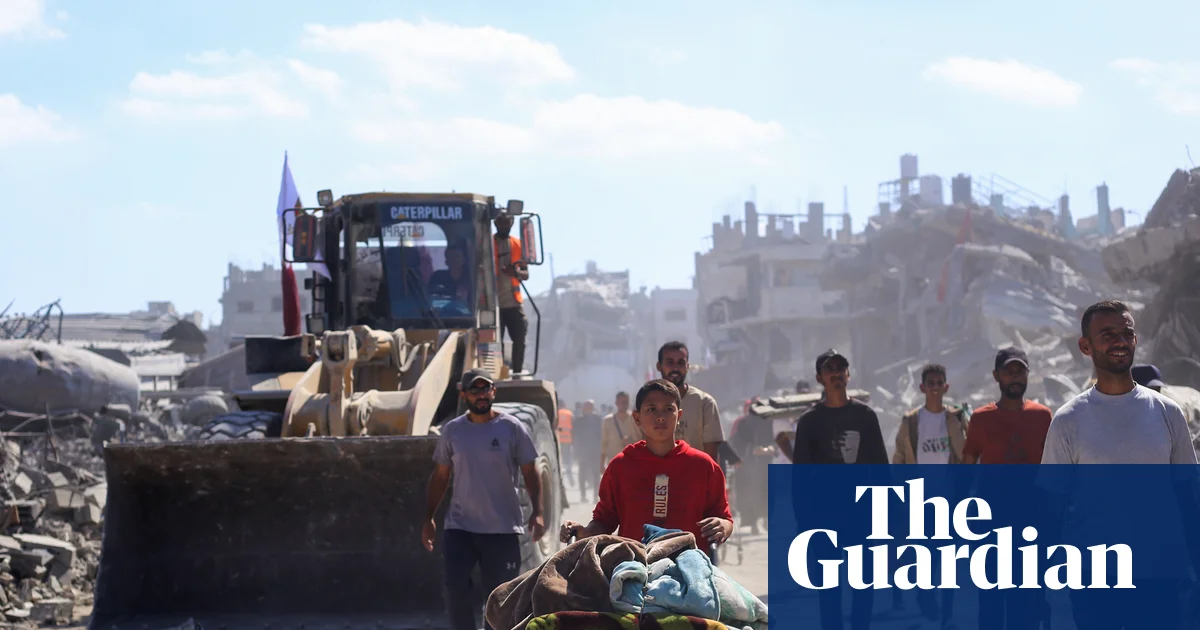
In the ongoing tumult of Israel and Hamas, recent events highlight the fragile veneer of hope amid a deepening humanitarian crisis in Gaza. Despite the recent ceasefire agreement, which promised a surge of crucial aid and the return of hostages, the reality remains far complex and dangerous. The ceasefire deal signed last week initially raised hopes for a shift in the two-year conflict, yet most restrictions on aid deliveries and movements have persisted. The delay in opening vital access points, notably the Rafah crossing controlled by Egypt, underscores the geopolitical tensions and hesitancies that continue to inhibit the flow of food, fuel, and medical supplies—an urgent need acknowledged by international health organizations such as the WHO.

The international community, including the United Nations and prominent analysts like those from Harvard and the Council on Foreign Relations, emphasize the dire consequences of these delays. Aid agencies warn that the lack of medical supplies and fuel is pushing Gaza toward a catastrophic collapse of its healthcare system. With only a fraction of hospitals operating amid outbreaks of infectious diseases, the death toll and human suffering threaten to escalate. Meanwhile, Israel remains locked in accusations, with Prime Minister Benjamin Netanyahu vowing to retrieve the remains of all hostages and asserting that “the fight is not over yet”. His rhetoric signals a determined stance, reinforced by military statements that portray their ongoing operations as necessary to ensure security against threats they deem existential.

Amidst this, the U.S. and regional mediators are caught in a balancing act. While attempts are made to sustain the ceasefire’s fragile hold, Hamas accuses Israel of violating the agreement through violent shootings and continued military operations. These repeated violations illustrate the unstable ceasefire environment, where both sides are reluctant to fully trust each other’s commitments, echoing warnings from historical analysts who suggest that territorial disputes and entrenched hostility make lasting peace elusive without profound geopolitical shifts. The return of prisoners and the recovery of bodies, often marked by signs of violence and torture, further complicate matters, fueling public anger and distrust on both sides. Such incidents, as detailed by Gaza doctors, serve as stark reminders of the brutal cycle of violence that persists beneath diplomatic negotiations.

If history is any guide, the current pause in the conflict is likely to be short-lived unless substantial international pressure and diplomatic breakthroughs occur. As regimes and their supporters watch from afar, the geopolitical impact extends beyond Gaza, affecting regional stability and global alliances. The challenge remains: how to forge an environment where aid can flow freely, hostages are returned safely, and long-term peace becomes a tangible goal rather than just an elusive hope. The weight of history presses down, as the world trembles on the brink of another chapter in this North African saga—a chapter that, whether it leads to peace or further chaos, will be written by the decisions yet to be made. As the dust settles, the eyes of history remain fixed on Gaza, waiting to see if this fragile ceasefire can hold or if the violence will erupt once again, perpetuating the cycle of suffering that has defined the Israeli-Palestinian conflict for decades.

Hamas hands over two bodies amid ongoing hold on remaining hostages

The recent developments in Gaza highlight a fragile and complex geopolitical landscape that continues to threaten regional stability. Following the US-brokered ceasefire agreement, Hamas claims to have handed over the bodies of two additional Israeli hostages, yet the group’s armed wing emphasizes that full recovery of all deceased remains a formidable challenge requiring specialized equipment and sustained effort. Meanwhile, Israel maintains a stern stance, insisting that the mission is incomplete until all hostages are returned—a position that underscores the relentless cycle of tension and mistrust defining the conflict. The handling of these remains, intertwined with the broader ceasefire accord, signals that the path toward lasting peace remains fraught with uncertainty.

International reactions reflect a delicate balancing act between diplomacy and military readiness. US President Donald Trump has warned that if Hamas fails to uphold the ceasefire, Israeli forces could resume hostilities. Notably, US advisors overseeing the peace plan assert that Hamas is acting in good faith by releasing live hostages and cooperating with international efforts, though the reconciliation of remaining bodies still demands intense operations. These decisions are crucial; as analysts caution, any perceived breach of trust could reignite violence, potentially plunging the region into broader conflict. The geopolitical impact of this diplomacy is profound: the peace plan hinges on the fragile cooperation of factions and the global community’s resolve to prevent catastrophe.

Amidst these tensions, the humanitarian situation in Gaza becomes more desperate. UN humanitarian chief Tom Fletcher has called for the immediate opening of border crossings to deliver essential aid, warning that withholding assistance risks irreversible suffering. Local traders and residents report surging food prices and hoarding, driven by fears of renewed warfare, revealing a society on edge. The conflict’s long-term consequences threaten to destabilize societal foundations, fostering environments where fear and scarcity dominate. At the same time, international leaders remain focused on “de-confliction” strategies—creating safe zones and ensuring aid flows—always aware that these measures are temporary fixes amidst a larger, unresolved geopolitical crisis.

Forecasts from various international organizations and historical analysts suggest that the current ceasefire, while momentarily halting violence, is merely a pause in an ongoing conflict defined by deep-rooted grievances and strategic calculations. Previous attempts at peace have repeatedly unraveled, and the current pause challenges the very foundation of international diplomacy in the Middle East. As the world watches with bated breath, the destiny of Gaza and the broader region hangs precariously in balance. The unfolding narrative of conflict, negotiation, and tension not only reshapes local societies but also influences global power dynamics—reminding history’s witnesses that, oftentimes, peace negotiations are merely brief respites before the storm’s inevitable return.

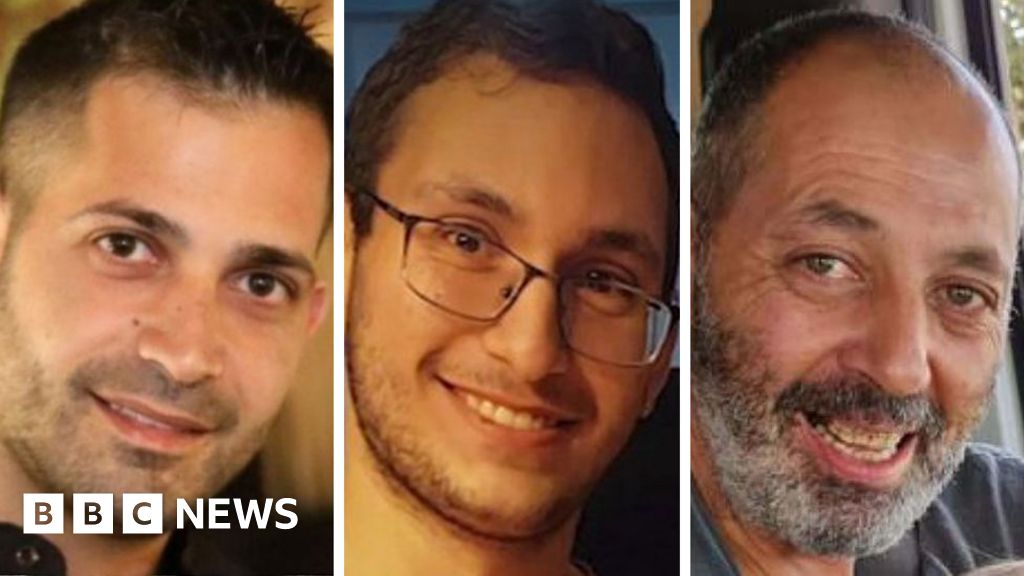
Hostage Families Confirm Identities of 3 of the 4 Bodies Handed Over by Hamas

The fragile ceasefire in Gaza has once again come under intense scrutiny, revealing the complex interconnectedness of Middle East geopolitics and the often volatile nature of international diplomacy. After years of conflict, the recent exchange of hostages and bodies marks an unsettling chapter in the ongoing saga, with Hamas and Israel embroiled in a diplomatic dance that could either pave the way for peace or plunge the region back into chaos. The slow return of human remains and the subsequent threats to restrict aid underscore the fragile trust underpinning these negotiations and highlight the far-reaching geopolitical impact that decisions made in Gaza resonate across the global stage.

The ceasefire brokered by the United States, which saw the transfer of all 20 living hostages and the bodies of 45 Palestinians, was hailed as a significant, albeit temporary, breakthrough. Yet, the delay in returning the remaining bodies has ignited tensions within Israel and among international mediators, with Israeli officials warning that further restrictions on humanitarian aid could be imminent. Analysts like Dr. Samuel Cohen from the International Institute for Strategic Studies warn that such delays threaten to unravel current diplomatic efforts, risking a resurgence of violence that could undo months of fragile diplomacy. Meanwhile, Hamas maintains that it is unable to locate the remains, raising questions about the true state of trust and cooperation. This standoff not only tarnishes the image of the ceasefire but exposes the deeper divisions embedded within the ongoing conflict, illustrating how human tragedy is often overshadowed by geopolitical calculations.

At the heart of this crisis lies an intricate web of negotiations, with international mediators—led by Egypt, Qatar, and Turkey—struggling to balance conflicting interests. The initial plan formulated by former U.S. President Donald Trump envisioned a phased withdrawal of arms from Gaza, military disarmament of Hamas, and the eventual transfer of governance to the Palestinian Authority. But these conditions remain out of reach, as Hamas demands guarantees of Palestinian sovereignty before disarming, while Israel insists on comprehensive demilitarization and cessation of weapon smuggling. With Netanyahu reiterating the necessity of disarmament, the prospects for peace appear increasingly distant, especially as recent violence and public executions point to a resurgence of lawlessness that threatens to deepen the chaos.

World leaders and analysts have expressed alarm over the potential derailment of the ceasefire, with UN officials and historians warning that such unresolved tensions could ignite a broader regional conflict. The geopolitical impact extends beyond Gaza, influencing alignments and strategic interests across the Middle East and North Africa. The Middle East’s delicate balance hinges on these negotiations; a failure could open the door for renewed turmoil, drawing in neighboring countries and possibly triggering wider confrontations. The narrative unfolding in Gaza is not just about local suffering but a reflection of a global chessboard where every move has far-reaching implications. As Israeli military operations continue to result in casualties and reports of executions and lawlessness surface from Gaza, the region remains tense, teetering on the edge of a new cycle of violence.

In the shadows of these developments, the weight of history presses down on all involved, reminding the world that the choices made today willdefine the coming decades. Will diplomacy prevail, or will the cycle of violence resume as unresolved grievances grow? As Cold War analysts observe, the current moment resembles a pivotal chapter where the future of Gaza, and perhaps the Middle East itself, hangs in delicate balance—an unfolding story of hope and despair, written by the relentless passage of history.

Gaza Violence: Clashes Between Hamas and Clan Militants Kill 27

Gaza Descends into Clashes: A Sign of Unrest and Power Struggles

In a development that signals escalating internal instability within the already fragile Gaza Strip, at least 27 individuals have lost their lives during fierce confrontations between Hamas security forces and the powerful Dughmush family. The violent encounters erupted in Gaza City, near the Jordanian Hospital in the Tel al-Hawa neighborhood, historically a hotbed of tension. Eyewitnesses describe scenes of chaos, with residents fleeing their homes under heavy fire—marking one of the most brutal internal struggles since the cessation of major Israeli military operations in the region.

Analysts and international observers caution that these clashes are not isolated incidents; they underscore a deeper fissure in the socio-political fabric of Gaza, where clan rivalries and militant allegiances intertwine. The Hamas-led interior ministry stated that security forces engaged in heavy fighting to detain Dughmush fighters, highlighting the group’s efforts to reassert dominance within Gaza’s complex power hierarchy. This internal strife comes at a delicate moment, with Hamas recalling thousands of security personnel in a move that signifies both a consolidation of control and an underlying vulnerability, as armed units reportedly deploy across districts, some with clandestine or paramilitary attire.

Consequences for Regional Stability and International Relations

  • Hamas’s assertion of authority may deepen internal divisions, weakening the group’s image as the sole resistance entity in Gaza, and could potentially embolden rival factions or external militant groups.
  • The Dughmush family’s defiance underscores the persistent influence of clan-based allegiances that historical analysts trace back to Gaza’s social realities, challenging Hamas’s monopoly on authority and risking a further breakdown of order.
  • Broader geopolitical impact: The turmoil occurs amid ongoing regional tensions involving Egypt, Israel, and other neighboring states, all invested in maintaining or disrupting stability. The repeated internal violence in Gaza complicates diplomatic efforts aimed at peace and humanitarian aid, with international organizations warning that instability feeds into a cycle of violence that threatens to spill beyond Gaza’s borders.

As renowned geopolitical analysts emphasize, these internal conflicts could serve as a catalyst for larger shifts, potentially shifting Hamas’s focus from external resistance to internal survival. The confrontation has already drawn condemnations and cautious analyses from global institutions, with some warning that unchecked internal divisions could weaken Hamas’s capacity to manage its relationships with regional powers, including Qatar and Turkey. Historian Dr. Samuel Levin has noted that “tribal and clan dynamics in Gaza have always acted as a double-edged sword—contributor to resilience, yet also a source of fragmentation.”

Future Uncertainty and the Unfolding Pages of History

As the dust settles on this latest episode of internecine violence, the question remains: how will Gaza’s internal struggles influence its future trajectory? Will this internal discord serve as a prelude to greater fragmentation or a catalyst for renewed resilience? The weight of history hangs heavy as Gaza’s political landscape continues to shift underneath the silent watch of global powers. With each new clash, the region edges closer to a precarious new chapter—a chapter that will be written not only by local clans and militant factions but by the decisions and wars of distant capitals. The world watches, knowing that the repercussions of these internal divisions will echo across the Middle East and beyond, shaping international relations and the very fate of an embattled society caught in the relentless tide of history’s relentless unfolding.

Gaza Ceasefire Update: Aid Flows Increase as Hamas Agrees to Release Israeli Hostages Monday Morning

In an unexpected turn of events, Hamas has confirmed it will commence the release of Israeli hostages held in Gaza early Monday morning, marking a significant moment amidst ongoing regional tensions. This development comes as part of a broader ceasefire agreement brokered by a coalition of influential international actors, including the United States, Qatar, Egypt, and Turkey. According to Hamas officials, the prisoner exchange will see the release of twenty Israeli captives in exchange for nearly 2,000 Palestinian prisoners, signaling a potential suspension of hostilities that have lasted for over two years.

The agreement, which Israel’s military claims to have fulfilled its first phase of withdrawal from Gaza, reflects a critical *turning point* in an otherwise tumultuous landscape. Under the ceasefire’s terms, Hamas has until noon Monday local time to release the captives, an act that scholars and analysts see as both a humanitarian step and a calculated political maneuver. This pause in violence is being watched intensely by global leaders and international organizations, with the United Nations warning that such pauses carry the risk of temporary relief but must be followed by sustainable peace efforts. The upcoming summit in Sharm el-Sheikh, chaired by Donald Trump and Abdel Fattah al-Sisi, aims explicitly to “end the war in Gaza” and “usher in a new era of regional stability.” These diplomatic efforts underscore a geopolitical landscape where regional powers recognize that the status quo must evolve, for the sake of both nations and societies.

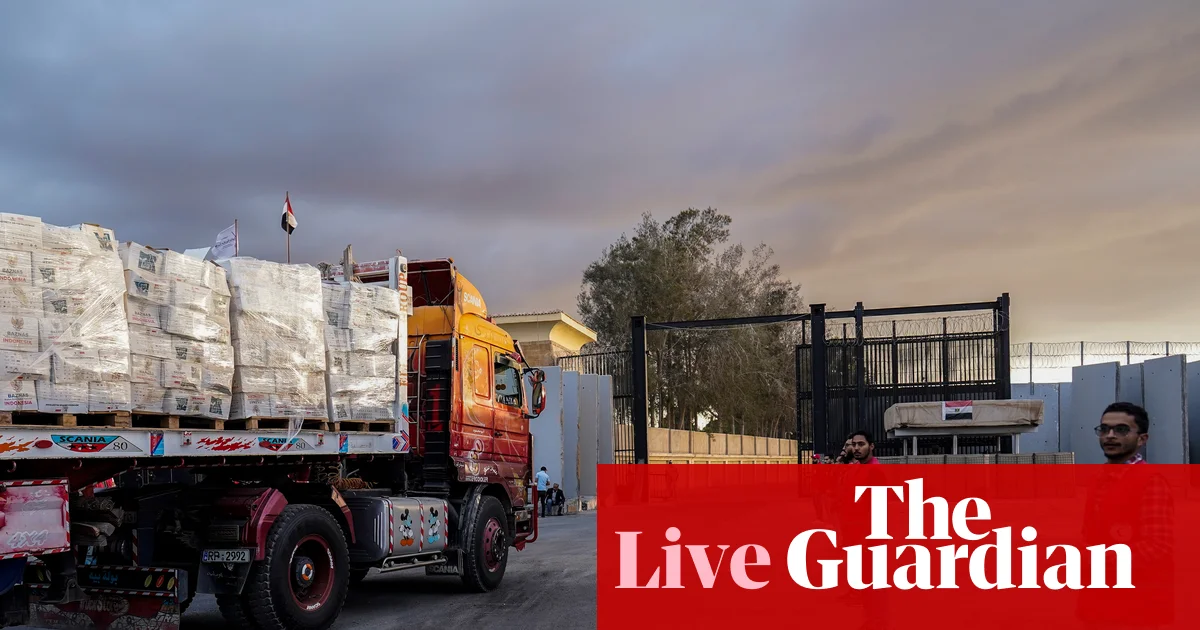
Amid these negotiations, humanitarian aid is beginning to surge into Gaza, which has endured catastrophic destruction and widespread starvation as a consequence of blockade and relentless Israeli strikes. Aid trucks have arrived at the Rafah border crossing with Egypt, with plans to inject approximately 600 truckloads of food and medical supplies daily — a crucial relief in a region suffering from famine and disease. As aid begins to flow, the international community assesses whether this temporary ceasefire will lead to a lasting peace or merely a respite in a broader conflict. Experts warn that such fragile agreements must be closely monitored, as history has shown that ceasefires can often be manipulated or broken, leading to renewed violence that threatens regional stability.

This fragility is further exemplified by the complex dynamics of prisoner releases, particularly involving high-profile figures like Marwan Barghouti and Ahmad Saadat. While Israel plans to release approximately 2,000 Palestinians, **Benjamin Netanyahu**’s government has refused to free Barghouti, a charismatic leader seen by many Palestinians as a future successor to Mahmoud Abbas. His continued imprisonment highlights persistent divisions and the ongoing struggle for Palestinian leadership figures who symbolize resistance and potential sovereignty. The fate of long-serving prisoners like Saadat, a leader of the Popular Front for the Liberation of Palestine, continues to be a contentious issue, reflecting the deep-rooted political and ideological splits that shape the broader conflict.

Analysts and international security experts emphasize that these developments, while momentous, do not guarantee long-term peace. Historians warn that profound geopolitical shifts hinge on decisions made in these high-stakes negotiations, which will reverberate across continents and generations. The decisions taken now will determine whether the region steps toward sustainable peace or plunges deeper into chaos. The unseen shadows of past failures and the weight of unresolved grievances threaten to undo fragile agreements, as history reminds us that in the grand theatre of Middle East diplomacy, the echoes of recent decisions forge the contours of the future — a future still shrouded in uncertainty, where the echoes of past conflicts continue to define the lives of millions. As the world’s eyes turn toward Gaza and the Red Sea resort of Sharm el-Sheikh, the true extent of history’s next chapter remains unwritten, waiting to be shaped in the crucible of diplomacy or chaos.

Trump claims Israel and Hamas both agree to first phase of Gaza ceasefire

Potential Breakthrough in Gaza: A New Chapter in Middle East Peace Efforts

Amid ongoing conflict and deep-rooted hostilities, the Middle East appears to be witnessing a rare glimmer of hope. US President Donald Trump has announced that Israel and Hamas have reached an initial agreement on the first phase of a peace process following constructive indirect negotiations in Egypt. According to Trump, both parties have “signed off” on the plan, which foresees the *release of all hostages* and the *withdrawal of Israeli troops to an agreed-upon boundary*, marking the beginning of what officials are calling a potential path toward a *“strong, durable, and everlasting peace.”* The announcement promptly drew confirmation from both sides. While details remain complex and negotiations ongoing, the official statements indicate a pivotal moment that could reshape the geopolitical landscape.

International observers have been watching the developments closely. This agreement, part of a broader diplomatic effort mediated by Egypt, Qatar, Turkey, and the US, could mark a *significant turning point*—a fragile glimmer of stability after years of violence. The negotiations, which lasted three days, reflect an effort to break free from what some analysts describe as a seemingly endless cycle of conflict. However, concerns persist about unresolved issues such as Hamas’s disarmament and the future political governance of Gaza. The conditions for a lasting peace remain uncertain, with critics warning that any misstep could cause this fragile accord to unravel. Nonetheless, the international community remains cautiously optimistic, with UN diplomats and regional allies emphasizing the importance of implementing and sustaining these initial agreements.

Yet, beneath the diplomatic optimism lie the grim realities of war. Gaza’s health ministry reports a persistent toll — with at least 8 casualties over the last 24 hours, the lowest in recent memory, but still a stark reminder of the ongoing suffering. The Israeli military reports that it has neutralized “several terrorists,” reaffirming its assertion that it remains engaged in *counter-terrorism operations* meant to protect its citizens. Still, the conflict’s toll amounts to over 67,000 deaths, with tens of thousands of civilians, including nearly 20,000 children, victims of relentless military campaigns. Despite Netanyahu’s repeated denials of a famine, reports from the UN-backed Food Security Phase Classification indicate widespread malnutrition, underscoring how the war continues to devastate local societies. As the ceasefire dialogue advances, the weight of previous atrocities and the ongoing humanitarian crisis demonstrate just how precarious hope truly is in this war-torn region.

Geopolitical Shifts and Future Ramifications

This potential peace agreement doesn’t only mark a local development; it signals a **possible shift in regional dynamics** that could influence global geopolitics for years to come. Historian Victor Davis Hanson and others warn that such breakthroughs are fragile and often short-lived without sustained international support and internal political will. Many analysts believe that the alignment of multiple regional powers and the involvement of the US has created a unique window for peace, but caution that the underlying causes—territorial disputes, political ideologies, and historical grievances—must be addressed comprehensively. Turkey and Qatar have positioned themselves as key mediators, while Israel’s internal political landscape remains tense, with Prime Minister Benjamin Netanyahu urging the government to ratify the agreement swiftly. The broader implications *extend beyond Gaza,* affecting the security calculus of neighboring countries like Lebanon, Syria, and Egypt, all of which have vested interests in stability or chaos.

Furthermore, these developments are happening against the backdrop of broader geopolitical shifts. With Russia and China expanding their influence in Middle Eastern affairs, the United States seems intent on recalibrating its strategy in the region—aiming to bolster its allies while containing Iran’s ambitions. International organizations like the United Nations emphasize that *lasting peace requires not only ceasefire agreements* but a fundamental transformation of governing structures and security guarantees.However, history reminds us that peace in this volatile region remains a delicate dance, with the shadows of past failures lurking.

Conclusion: The Unfolding Page of History

As the international community holds its breath, the unfolding story of this fragile peace process continues to write itself into history. The potential end of hostilities in Gaza signifies more than just a temporary pause; it embodies the hope for a future where nations once again navigate the treacherous waters of diplomacy. But the scars of prior conflicts linger, and the full realization of peace remains an uncertain horizon. The world watches—waiting for the next chapter that will determine whether this promising pause will evolve into years of stability or once again succumb to the relentless tides of chaos. The weight of history bears down on each decision, and only time will reveal whether the lessons learned can forge a lasting peace in one of the world’s most enduring conflicts.

Trump demands Israel halt Gaza bombings as Hamas agrees to free hostages

The recent developments in Gaza have sent shockwaves through the international community, illustrating the profound impact that decisive leadership can have on long-standing conflicts. Donald Trump, emerging once again as a pivotal figure on the global stage, ordered Israel to immediately cease bombing Gaza as he publicly welcomed Hamas’s tentative acceptance of a groundbreaking ceasefire plan. This unprecedented move signifies a potential turning point in what has become one of the most complex and entrenched conflicts of the 21st century. With the potential for a temporary halt to hostilities, the international system is watching closely, assessing whether this fragile alignment can evolve into a lasting peace that reshapes the geopolitical landscape.

The agreement, brokered under Trump’s unique diplomatic influence, involves Hamas’s willingness to release all hostages in exchange for Palestinian prisoners held by Israel, as well as an acceptance of newly proposed governance structures for Gaza. While Hamas’s response remains cautious—requesting further negotiations on the plan—they have nonetheless signaled a willingness to surrender some control, a move that, if sustained, could redefine power dynamics in the region. Notably, Hamas’s statement confirming approval for the release of prisoners and the transfer of authority in Gaza indicates a strategic shift, likely aimed at alleviating the catastrophic humanitarian crisis and securing political leverage amidst ongoing chaos.

In this context, Trump’s plan stands out as a comprehensive roadmap for peace—calling for an immediate ceasefire, swift exchange of prisoners, phased Israeli troop withdrawals, and the disarmament of Hamas fighters. It also emphasizes an urgent increase in humanitarian aid to address Gaza’s dire conditions, which have been exacerbated by Israel’s blockade and relentless military strikes. What makes this approach particularly significant is the fact that only Trump’s leadership has managed to push through such a coordinated diplomatic effort involving regional actors like Egypt and Qatar. This coalition, with its focus on a sustainable resolution, exemplifies a rare moment where international diplomacy finds common ground amid chaos—the kind of intervention the region has desperately needed for years.

However, the bigger geopolitical impact of this unfolding scenario cannot be overstated. While a ceasefire might bring immediate relief to Gaza’s suffering population, the underlying issues of disarmament, governance, and regional influence remain unresolved. Analysts suggest this could be either a genuine breakthrough or merely a lull before the storm—highlighting the fragility of peace in a region where history shows that negotiations often unravel as quickly as they are born. According to respected international scholars, the momentum generated by Trump’s intervention might influence future diplomacy, potentially setting a precedent for outsider-led solutions to entrenched conflicts. Yet, the deeper questions of sovereignty, ideology, and regional order linger, casting a long shadow over the current negotiations.

As history’s pages continue to turn, this moment in Gaza stands as a stark reminder of how geopolitics, driven by bold decisions and strategic interests, can quickly reshape entire nations and societies. With each negotiation, each promise broken or fulfilled, the narrative of the Middle East edges closer to a new chapter—one that may yet turn tragic or hopeful, depending on whether the choices made today stand the test of time. The weight of history presses down, and the world watches, aware that in the crucible of conflict, even the greatest efforts are only the beginning of a longer journey—one whose final destination remains uncertain amidst the ever-changing tides of power and peace.

Trump sets Sunday deadline for Hamas to accept Gaza peace deal

The escalation of violence in Gaza has once again thrust the Middle East into the global spotlight, with US President Donald Trump taking an unprecedented stance. On his Truth Social platform, Trump issued a stark ultimatum to Hamas, demanding the militant group accept a proposed US peace plan or face “all hell,” a phrase that underscores the gravity of the current situation. The plan, set to be enforced by a strict deadline of 18:00 Washington time (22:00 GMT) on Sunday, calls for an immediate cessation of hostilities and the release of 20 Israeli hostages within 72 hours—along with the remains of those believed to be deceased— in exchange for hundreds of Gazans detained by Hamas. This intense diplomatic ultimatums reflect America’s strategic pivot to project influence amidst rising tensions, a move strongly opposed by many analysts concerned about the unpredictable consequences of such escalations.

International mediators have reportedly engaged with Hamas’s military leadership in Gaza, but internal divisions threaten the viability of the US proposal. According to credible sources, Hamas’s military wing refuses to accept the plan, primarily because it demands the immediate handover of all hostages within the first three days of a ceasefire—a move analysts describe as effectively stripping Hamas of its strongest leverage. Meanwhile, some elements within Hamas’s political hierarchy in Qatar appear more receptive, though their influence remains limited due to their lack of control over the armed group’s core operations and hostages. Such internal disagreements highlight the complex web of power struggles within Hamas itself, complicating international efforts to mediate a sustainable resolution. The fact that only 20 of the roughly 48 hostages believed to be held are confirmed alive adds a layer of tragedy and urgency to the negotiations, with many fearing that the window for safe resolution is rapidly closing.

The backdrop to this crisis is the devastating Israeli offensive launched in response to the October 7 attack by Hamas, which resulted in approximately 1,200 fatalities and 251 hostages taken—an atrocity that shattered Israel’s sense of security and prompted a sweeping military campaign in Gaza. The Israeli Defense Forces have responded with relentless aerial and ground assaults, leading to over 66,288 Gaza residents reported killed by Hamas-controlled health authorities. These staggering figures illustrate the profound human toll of the conflict, and experts warn that continued fighting risks a broader regional escalation, with global powers watching intensely. The United Nations and other international organizations have issued calls for ceasefires and negotiations, but their influence is waning in the face of entrenched hostility and deep-seated grievances.

Within this maelstrom of violence and diplomacy, the geopolitical impact is undeniable. The unfolding crisis tests the limits of international diplomacy and underscores the fragile balance of power in the Middle East. Leaders from Europe to Asia are watching with wary eyes, aware that any misstep could trigger a larger regional conflict. Historians and strategic analysts warn that decisions made in these critical days could shape the course of history—either paving the way towards peace or unleashing a relentless cycle of violence. As civilians bear the brunt of these hostilities—caught between political agendas and military might—the question remains: how much longer can the world afford to stand by and watch as history continues to be written in blood?

In the shadows of diplomacy and war, the future hangs precariously, with each decision echoing through the corridors of power and the lives of those entangled in this enduring conflict. The weight of history presses down heavily—every choice a chapter in a story still unwritten, yet profoundly felt. The question now is whether the international community can forge a path toward lasting peace, or if the flames of ongoing hostilities will consume all hopes of resolution, plunging the region—and perhaps the world—into chaos once more.

Trump and Netanyahu warn Hamas: Embrace Gaza peace or face tough consequences

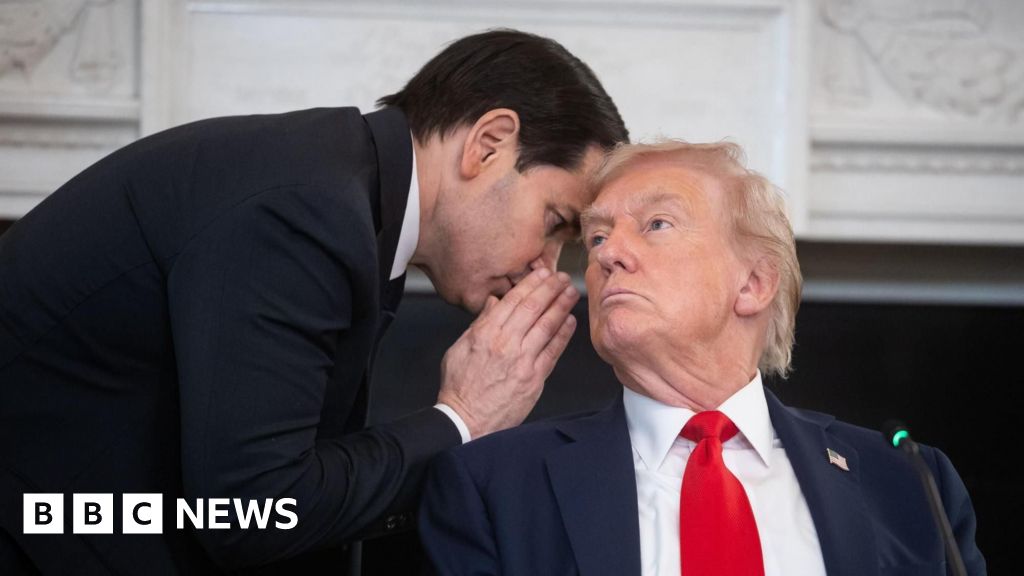
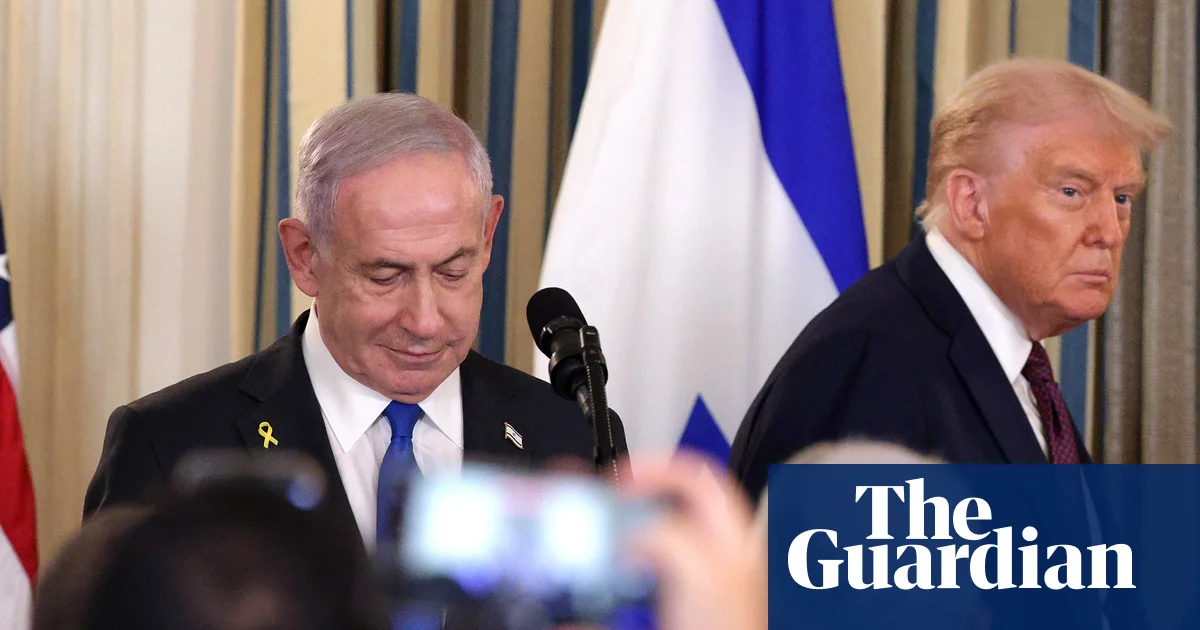
In a striking display of international power dynamics, President Donald Trump alongside Israeli Prime Minister Benjamin Netanyahu recently unveiled a controversial 20-point peace plan targeting the Gaza conflict. This strategic overture, announced amidst a diplomatic backdrop of flags and guarded optimism, signals a significant moment for U.S. foreign policy and Israel’s security calculus. While the plan is portrayed as a “historic breakthrough,” critics and analysts alike question its legitimacy, especially given the conspicuous absence of formal consultation with Hamas. The militant group’s leadership remains largely out of the loop, with officials like Mahmoud Mardawi claiming they haven’t even received the proposal, raising allegations of a top-down approach driven more by regional power plays than genuine peace negotiations.

The blueprint calls for an immediate ceasefire, the exchange of hostages, a phased Israeli withdrawal from Gaza, and the disarmament of Hamas—a move that could shift the regional playing field. Trump’s inclusion of a “Board of Peace,” headed by himself and featuring figures like former UK Prime Minister Tony Blair, exemplifies an unprecedented push for international oversight, potentially sidelining existing Palestinian political structures. This has sparked fierce debate about how such a plan might reshape the geopolitical landscape—effectively replacing traditional Palestinian authority with a new governance model under Western oversight. Governments and observers warn that such a move risks inflaming tensions further, with many wary that it may deepen the divide between Palestinians and the broader Arab world, echoing historical warnings from scholars like Noam Chomsky on Western interventions.”

Meanwhile, Netanyahu’s firm stance on the situation underscores Israel’s unwavering desire for preemptive security. His ominous declaration that “Gaza will be demilitarized” and that Israel will “finish the job” if Hamas refuses peace terms demonstrates the Israeli leadership’s intent to reassert dominance over Gaza, regardless of international objections. The geopolitical impact of these words signals an intent to eliminate Hamas as a political entity, but it also risks igniting a broader regional conflict. This approach has implications beyond Gaza, influencing the stability of neighboring countries and potentially leading to a new level of Middle Eastern volatility that experts warn could engulf the broader region in flames. International organizations like the UN have already voiced concerns about humanitarian consequences, as Israel’s military operations have devastated Gaza’s infrastructure, exacerbating an already dire humanitarian crisis.

As history unfolds, the reintegration of Gaza into the regional and global fold remains uncertain. The absence of Hamas from the peace process raises questions about the future legitimacy of any agreement, and the potential for repeated cycles of violence persists. The shifting alliances, the high-stakes negotiations, and the threat of full-scale warfare cast a long shadow over the Middle East’s stability. With navies and tanks entrenched within Gaza’s ruins and diplomatic channels strained to breaking, the region teeters on a knife’s edge. The world watches as the epic saga of power, resistance, and diplomacy confronts its next chapter—an enduring reminder that history’s most pivotal moments often come not with clarity, but with the deafening weight of uncertainty.”

Social Media Auto Publish Powered By : XYZScripts.com