

Geopolitical Tensions Escalate in Gaza: A Turning Point for Middle East Stability
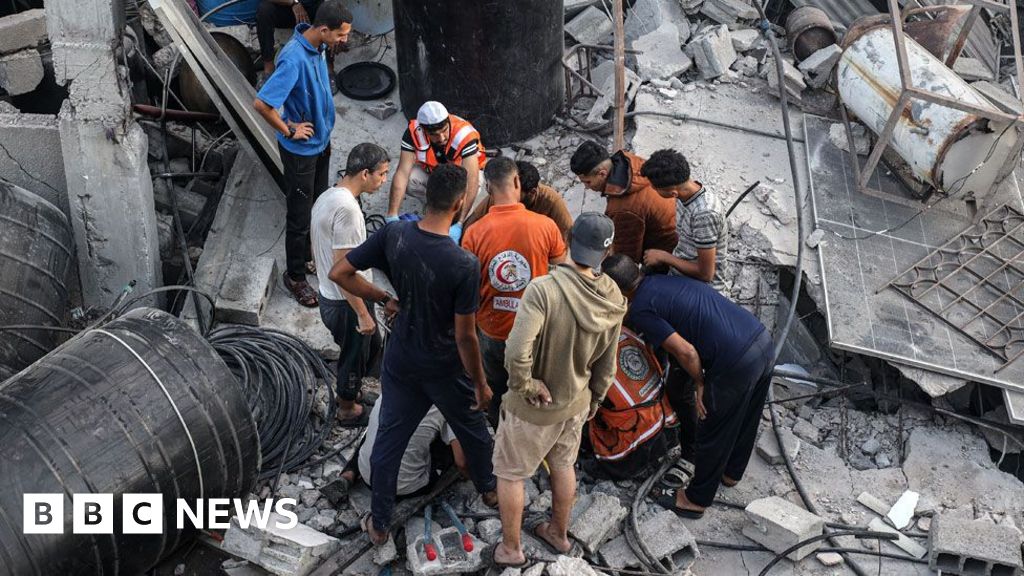
The recent wave of intensified Israeli military strikes in Gaza underscores a critical juncture in the ongoing Middle Eastern conflict, with far-reaching geopolitical implications that could reshape regional alliances and global diplomacy. According to Gaza’s Hamas-run health ministry, at least 104 Palestinians have been killed in just one night of Israeli airstrikes, targeting homes, schools, and vital infrastructure across Gaza City, Beit Lahia, Khan Younis, and surrounding areas. Witnesses report seeing “pillars of fire and smoke” rising into the air as explosions ripple through densely populated neighborhoods, highlighting the devastating human toll of this renewed violence. Analysts warn that such escalation risks igniting a broader regional conflagration, drawing in neighboring countries and international superpowers into a dangerous cycle of retaliation and hardened positions.
The Israeli Defense Forces (IDF) claims its strikes are retaliation, targeting “dozens of terror targets and terrorists,” including proclaimed battalion commanders. Yet, the distinction between military objectives and civilian casualties has become increasingly blurred. The death toll includes children, women, and innocent civilians caught in the crossfire — a tragic reflection of the heightened tensions. Israeli Prime Minister Benjamin Netanyahu has ordered a “forceful response,” accusing Hamas of breaching ceasefire terms and endangering regional stability. This decision to escalate military operations has been met with condemnation and concern from international observers, including the United Nations, which warns of a possible humanitarian catastrophe if tearing further into Gaza’s densely populated enclave continues unchecked. Furthermore, the death of an Israeli reservist soldier in a cross-border attack has served as a stark reminder that the fragile ceasefire, brokered by the US, Egypt, Qatar, and Turkey, remains perilously fragile. The unfolding developments suggest that the potential for a return to full-scale hostilities remains dangerously high, threatening to undo over a month of diplomatic attempts at stability.
Adding to the complexity, both sides have accused each other of violating the ceasefire deal. Hamas denies involvement in the attack that resulted in Israeli casualties, asserting their commitment to the peace agreement and condemning Israeli “fascist” bombings. Conversely, Israel alleges Hamas has staged a “fake recovery” of bodies to manipulate perceptions and stall negotiations. The International Committee of the Red Cross (ICRC) condemned these staged activities, emphasizing their role as neutral intermediaries and warning that such falsehoods undermine crucial progress. This fragile trust, once considered a cornerstone for the peace process, now teeters on the brink of collapse, with families anxiously awaiting news of loved ones while the specter of full-scale war looms larger.
The recent developments also shed light on the broader international response. President Donald Trump, on board Air Force One, reiterated that “nothing” would jeopardize the ceasefire and urged Israel to “hit back” when necessary. His comments reflect a pattern of cautious engagement from the US, which continues to walk a tightrope between supporting Israel’s security and averting a wider conflict that could destabilize the entire Middle East. Meanwhile, skepticism remains among experts and historians about the long-term efficacy of current diplomatic efforts, with many warning that without a comprehensive resolution addressing underlying grievances, this cycle of violence could escalate into a regional crisis with unpredictable consequences. Analysts like Prof. Michael Oren caution that the current scenario, marked by stubborn denial and layered accusations, risks leaving behind a scorched landscape of broken promises and lost lives — a fallout for which entire societies will bear the scars for generations.
As the dust settles over Gaza, and the world watches with bated breath, the deepening conflict acts as a stark reminder that history continues to be written in moments of crisis. The choices made today—whether through diplomacy or destruction—will resonate across decades, shaping the contours of peace or war in the Middle East. In this relentless tide of violence and diplomacy, the question remains: will the pursuit of fleeting stability overshadow the urgent need for a just and lasting peace, or will the events of today be remembered as the beginning of a darker chapter in human history?





