Matox News

Truth Over Trends, always!

Councils handed £3bn to boost SEND school places and support our youth’s future

Shaping Society: The Ongoing Struggle for Inclusive Education and Community Cohesion

In an era marked by rapid demographic shifts and increasing social fragmentation, the fabric of our communities is being tested by the challenge of providing equitable education. The recent government announcement to invest £3 billion over the next three years aims to create 50,000 additional places for children with special educational needs and disabilities (SEND) within mainstream schools across England. This initiative reflects a recognition of the critical need to make education more inclusive, yet it also exposes the persistent gaps that leave families and communities in turmoil. Sociologists like Robert Putnam have long warned about the erosion of social capital, and the SEND crisis exemplifies how societal divisions are reinforced when resources are misallocated or buried in bureaucratic red tape.

Families navigating the SEND system often encounter profound difficulties—including long and arduous journeys to secure appropriate support. One mother, Laura Jerram, recounts her experience in trying to secure an Education, Health and Care Plan (EHCP) for her son Brendan, describing it as “a horrible journey.” This reality underscores how social inequalities translate into disparities in access to education, support, and ultimately, opportunity. As the NAHT school leaders’ union highlights, merely funding new buildings is insufficient without a parallel investment in trained teachers and specialists capable of supporting diverse learning needs. Educational institutions must prioritize human capital as much as infrastructure if they are to truly serve all students, especially those with complex needs.

Yet, systemic issues remain unresolved. The rise in legal disputes over SEND provision—25,000 appeals in 2024-2025—illustrates a fractured system where conflicts and frustrations simmer beneath the surface. The outcomes for students, despite increased investment, have not significantly improved, a troubling sign of superficial policy fixes that fail to address foundational inequities. Sociologists such as Pierre Bourdieu warn us how social class and cultural capital influence educational trajectories. When families with more resources and better advocacy skills can navigate this labyrinthine system more effectively, it perpetuates a cycle of inequality, leaving marginalized children to fall through the cracks.

At the community level, the physical and logistical challenges highlight the importance of localized, community-centered solutions. Councillor Amanda Hopgood emphasizes that building large SEND schools “in the middle of nowhere” fails to serve the community’s best interests, as it necessitates costly transportation and isolates children from their social networks. True social cohesion hinges on inclusivity in local settings where children grow up—where they learn, play, and build lifelong friendships. Education expert Dr. Michael Apple argues that equitable access isn’t just about space and resources but also about empowering communities to shape local policies that recognize their unique needs. As families struggle with the bureaucratic hurdles and costs of transportation, their sense of belonging diminishes, and social bonds weaken.

Toward a Society of Hope and Renewal

While the current landscape depicts a society grappling with its social and educational structure, it also holds within it the seed of hope. The stories of children like Brendan and families like Laura’s demonstrate resilience and the urgent need for meaningful reform. True societal progress will depend on our collective ability to recognize that social issues—inequality, systemic failure, social disconnection—are intertwined with the very fabric of our communities. As historian Eric Hobsbawm observed, history is a tale of struggles, setbacks, and eventual renewal. Society’s challenge now is to transform these struggles into opportunities for **a more inclusive, compassionate, and united future**.
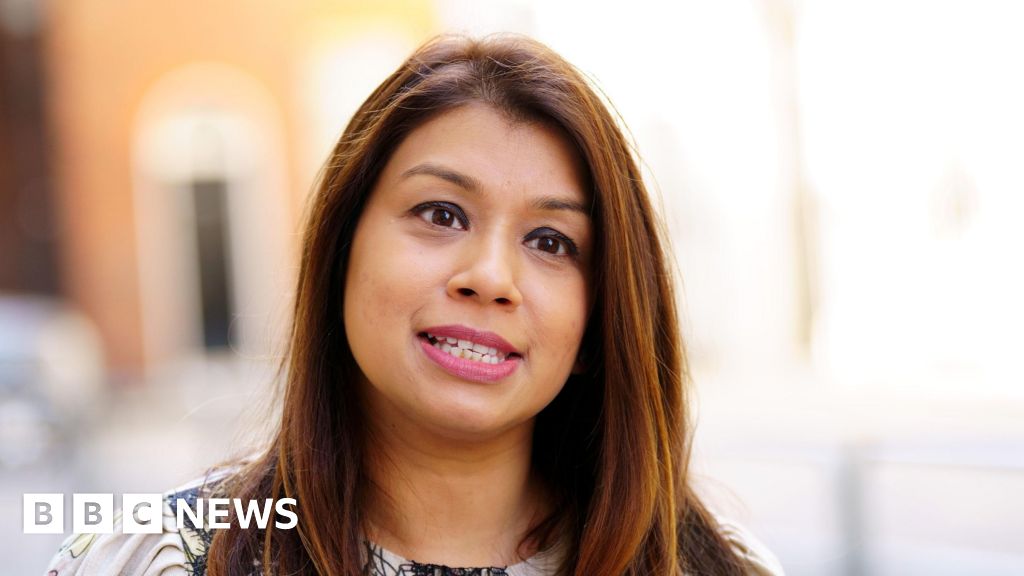
Tulip Siddiq MP handed jail sentence in Bangladesh amid unresolved legal issues

International Impact of Bangladesh’s Political Crackdown: A Warning to Global Power Dynamics

Recent developments in Bangladesh’s political climate have sent shockwaves through the international community, highlighting a rising trend of judicial activism intertwined with political persecution. Sedition, corruption, and influence-peddling allegations have led to the sentencing of prominent opposition figures and politicians, including Labour MP Tulip Siddiq, whose case underscores the complexity of justice and governance in a nation where the rule of law is increasingly under threat. Siddiq’s conviction—two years in prison and a fine—follows a highly politicized trial in Dhaka, where scrutiny from international legal experts and former officials has raised questions over the fairness and transparency of the proceedings.

This case is emblematic of a broader pattern in South Asia, where authorities have launched sweeping legal actions against former leaders, their families, and political opponents, often in the wake of regime changes. The former Prime Minister Sheikh Hasina now faces a death sentence for her alleged role in a brutal crackdown, with her conviction occurring in absentia—a move that, critics say, further consolidates the government’s power while undermining international standards of justice. According to numerous analysts, including members of the United Nations and prominent legal voices in the UK, such proceedings often lack due process, serving as tools to marginalize opposition rather than seek truth. The ramifications extend beyond Bangladesh, threatening regional stability and raising alarms over similar tactics potentially spilling over into other fragile democracies.

Historically, India, Myanmar, and other neighboring nations have demonstrated how judicially driven political purges can destabilize societies and diminish citizens’ trust in institutions. The recent crackdown on Hasina’s regime has unleashed a wave of concern regarding the erosion of democratic principles. The international community, including India and Western democracies, remains divided over how best to respond, balancing calls for justice with warnings about instrumentalization of legal systems for political ends. Analysts warn that if this pattern persists, it could further weaken Bangladesh’s nascent democratic institutions and entrench authoritarian tendencies under the guise of combating corruption. The case notably questions the integrity of the judicial process and reflects a broader geopolitical struggle—where regional influence is contested by global powers eager to shape Bangladesh’s future.

Implications for Global Diplomacy and Future Stability

The diplomatic fallout from Bangladesh’s judicial actions has potential reverberations across the international stage. The UK and European Union have expressed concern over the fairness of Siddiq’s trial, prompting debates over international standards of justice and the limits of national sovereignty. Interestingly, while Siddiq’s case highlights the challenges faced by foreign nationals entangled in foreign legal systems, it also underscores the fragile nature of international alliances based on shared democratic values. The fact that the UK does not have an extradition treaty with Bangladesh complicates efforts for legal accountability but does not diminish the importance of global scrutiny in protecting political dissidents from potential abuses.

Some international legal experts argue that the unfolding developments serve as a stark warning—how alliances are tested when national interests clash with human rights considerations. The ongoing political turbulence acts as a catalyst for further geopolitical contests in the region; nations keen on expanding influence may utilize or oppose such legal proceedings as leverage to sway regional balances. How the international community responds—either by backing democratic norms or turning a blind eye—could define the future of political stability in South Asia and influence global perceptions of justice and sovereignty. As Bangladesh navigates this turbulent period, the world watches with anticipation, bearing witness to a chapter that could either cement its democratic resilience or serve as a cautionary tale of power abuse under the veneer of legal reform.

In the shadow of these upheavals, the weight of history remains heavy: the unfolding saga in Bangladesh is a stark reminder that the pages of our shared story are being written not only through elections and treaties but through the silent, often unseen, battle for the soul of justice itself. As international observers debate the legitimacy of these trials, the true question persists—how long can a society sustain its legitimacy when justice is weaponized for political gain? This is a question whose answer could shape the course of democracy, stability, and human rights for decades to come.

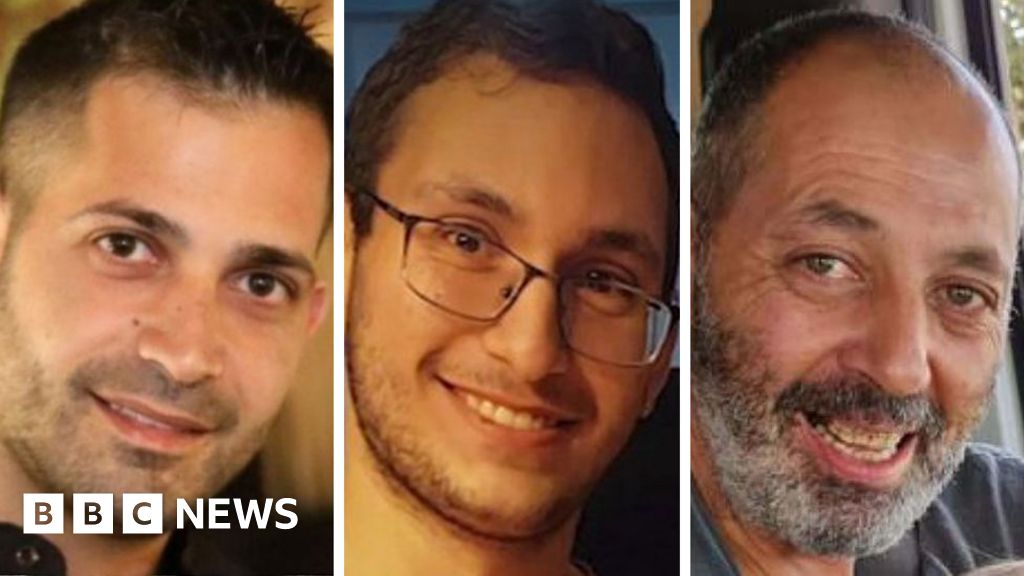
Hostage Families Confirm Identities of 3 of the 4 Bodies Handed Over by Hamas

The fragile ceasefire in Gaza has once again come under intense scrutiny, revealing the complex interconnectedness of Middle East geopolitics and the often volatile nature of international diplomacy. After years of conflict, the recent exchange of hostages and bodies marks an unsettling chapter in the ongoing saga, with Hamas and Israel embroiled in a diplomatic dance that could either pave the way for peace or plunge the region back into chaos. The slow return of human remains and the subsequent threats to restrict aid underscore the fragile trust underpinning these negotiations and highlight the far-reaching geopolitical impact that decisions made in Gaza resonate across the global stage.

The ceasefire brokered by the United States, which saw the transfer of all 20 living hostages and the bodies of 45 Palestinians, was hailed as a significant, albeit temporary, breakthrough. Yet, the delay in returning the remaining bodies has ignited tensions within Israel and among international mediators, with Israeli officials warning that further restrictions on humanitarian aid could be imminent. Analysts like Dr. Samuel Cohen from the International Institute for Strategic Studies warn that such delays threaten to unravel current diplomatic efforts, risking a resurgence of violence that could undo months of fragile diplomacy. Meanwhile, Hamas maintains that it is unable to locate the remains, raising questions about the true state of trust and cooperation. This standoff not only tarnishes the image of the ceasefire but exposes the deeper divisions embedded within the ongoing conflict, illustrating how human tragedy is often overshadowed by geopolitical calculations.

At the heart of this crisis lies an intricate web of negotiations, with international mediators—led by Egypt, Qatar, and Turkey—struggling to balance conflicting interests. The initial plan formulated by former U.S. President Donald Trump envisioned a phased withdrawal of arms from Gaza, military disarmament of Hamas, and the eventual transfer of governance to the Palestinian Authority. But these conditions remain out of reach, as Hamas demands guarantees of Palestinian sovereignty before disarming, while Israel insists on comprehensive demilitarization and cessation of weapon smuggling. With Netanyahu reiterating the necessity of disarmament, the prospects for peace appear increasingly distant, especially as recent violence and public executions point to a resurgence of lawlessness that threatens to deepen the chaos.

World leaders and analysts have expressed alarm over the potential derailment of the ceasefire, with UN officials and historians warning that such unresolved tensions could ignite a broader regional conflict. The geopolitical impact extends beyond Gaza, influencing alignments and strategic interests across the Middle East and North Africa. The Middle East’s delicate balance hinges on these negotiations; a failure could open the door for renewed turmoil, drawing in neighboring countries and possibly triggering wider confrontations. The narrative unfolding in Gaza is not just about local suffering but a reflection of a global chessboard where every move has far-reaching implications. As Israeli military operations continue to result in casualties and reports of executions and lawlessness surface from Gaza, the region remains tense, teetering on the edge of a new cycle of violence.

In the shadows of these developments, the weight of history presses down on all involved, reminding the world that the choices made today willdefine the coming decades. Will diplomacy prevail, or will the cycle of violence resume as unresolved grievances grow? As Cold War analysts observe, the current moment resembles a pivotal chapter where the future of Gaza, and perhaps the Middle East itself, hangs in delicate balance—an unfolding story of hope and despair, written by the relentless passage of history.

Social Media Auto Publish Powered By : XYZScripts.com