Matox News

Truth Over Trends, always!

Hannah Spencer’s Bold Waistcoat Serves Up Politics with a Trendy Twist — TikTok’s New Favorite for the Youth Style Scene

Viral Colors and Youth Culture: The Rise of “Gross Green”

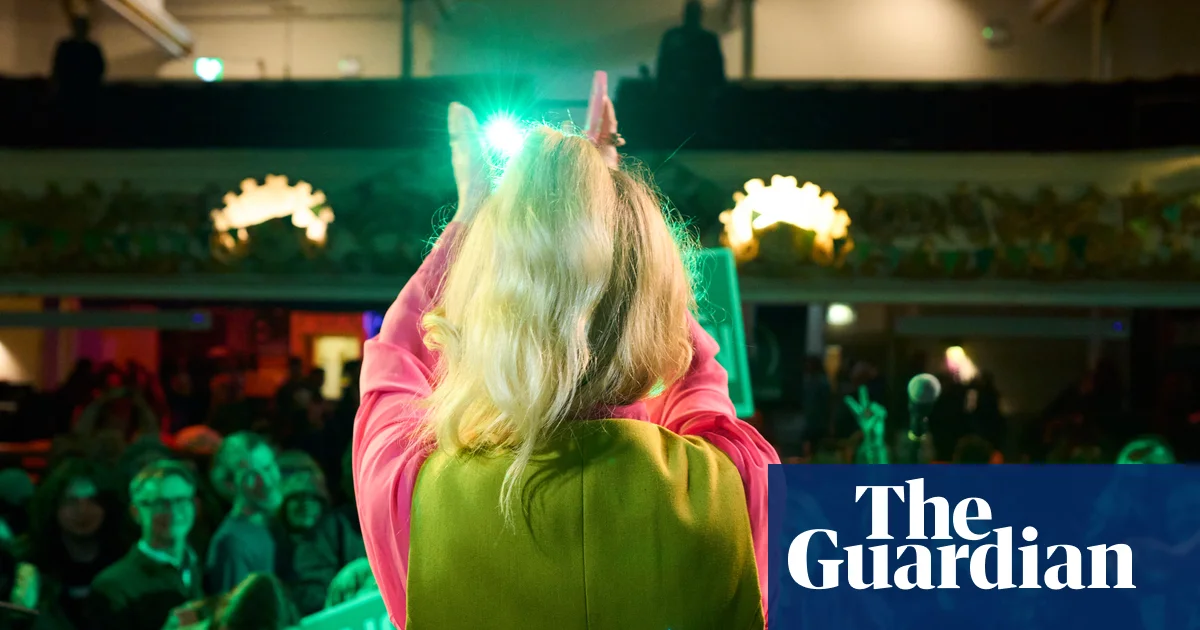
In a world where social media continually reshapes how we communicate, color trends have become more than just aesthetics—they’re now carriers of social identity and political statement. The latest wave? “gross green”. Coined by New York magazine and rapidly making its way onto high street labels and even book covers, this shade of chartreuse isn’t just a color—it’s a mood. It embodies a rebellious, playful attitude that resonates deeply with younger audiences eager to express individuality and cultural alignment through something as simple yet provocative as wardrobe choices. When Hannah Spencer, the newly elected Green Party MP, was spotted wearing this “gross green” outfit during her press conference, she unintentionally became a trendsetter, signaling her awareness of the social zeitgeist.

What’s fascinating is just how intentional and layered this phenomenon is. Spencer, a 34-year-old millennial, appears to understand the social capital in adopting such a viral hue—knowingly embracing a “statement color” that ties her political platform to the broader youth-driven aesthetic. During her brief appearance, she changed her undershirt from one shade of green to another, underscoring the precision with which digital-native figures now curate their image. This shift isn’t random; it’s an astute move to align with the cultural language of her generation. Prior to her, figures like Kamala Harris mastered this art, meme-ing a color into the political landscape with her “brat green”—a summer hit that did more than turn heads; it crafted a viral symbol for political engagement.

These trends underscore a larger socio-cultural shift: the merging of fashion, politics, and social media into a seamless narrative. Influencers, sociologists, and brand analysts argue that in an era of fractured attention spans, symbols—like colors—become vital tools in forging identity and community. Viral colors like Barbie pink or brat green aren’t just a fleeting aesthetic; they serve as social signifiers that bridge generational divides and offer a common language rooted in innocence yet rich in subtext. This phenomenon also reveals how younger generations seek to find meaning in what appears on the surface to be trivial—playing with names and shades as a form of cultural codification that is both fun and strategic.

What is intriguing, however, is the potential for these color-coded movements to extend beyond fashion and into systemic influence. As political campaigns increasingly lean into viral marketing, could these shades redefine how leaders communicate authenticity and relatability? The next question emerges: Will these playful symbols evolve into serious political tools, or are they destined to remain ephemeral markers of youth culture?* With influencers and political figures riding the wave of internet aesthetics, the future of political branding might just depend on our ability to decode the next viral hue—and what it says about the societal shifts at large.
Here's a revised version of the headline with a moderate right-wing, youth-oriented tone:
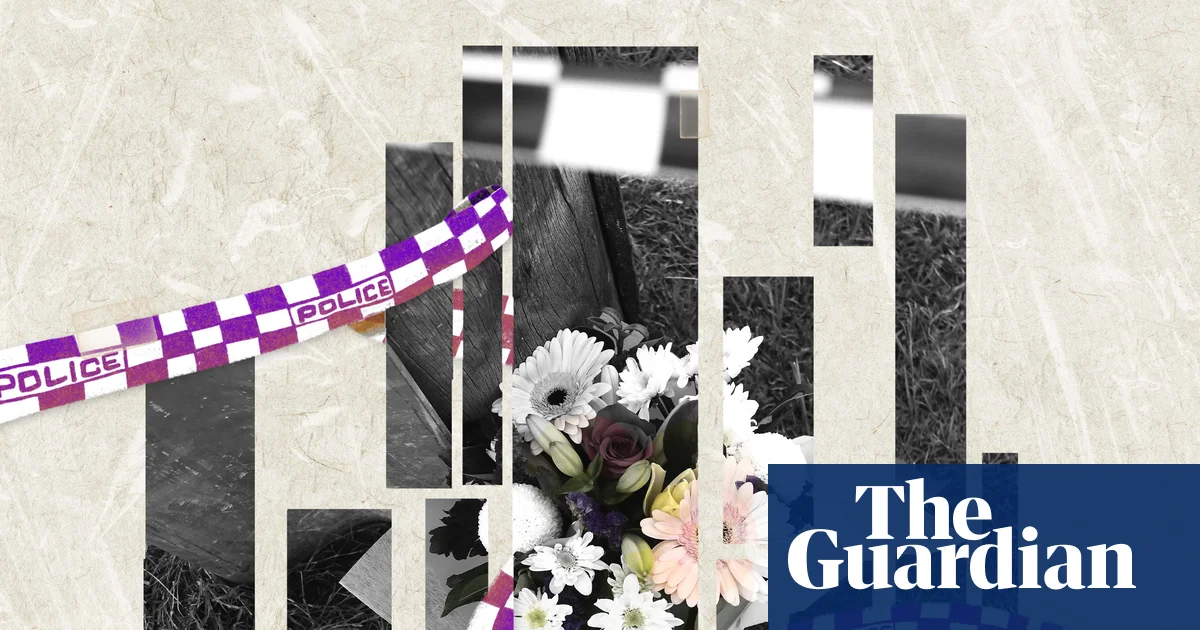
"Experts Warn: Signs of Domestic Violence Homicides Like Hannah Clarke’s Are Predictable — Queensland Needs Action"
Here’s a revised version of the headline with a moderate right-wing, youth-oriented tone: “Experts Warn: Signs of Domestic Violence Homicides Like Hannah Clarke’s Are Predictable — Queensland Needs Action”

International Crisis Unfolds as Domestic Violence Homicides Illuminate Global Failures

In a stark reminder of a pervasive social scourge, recent investigations and reports shed light on disturbing patterns of domestic violence and institutional inertia that claim lives across nations. Careful analysis by researchers, international governments, and advocacy groups underscores a sobering truth: the inability or unwillingness of authorities to adequately respond continues to cost lives, especially among women and vulnerable populations. As headlines from Australia portray tragic cases of loss, the global geopolitical impact of such failures reverberates, demanding urgent institutional reforms.

In Queensland, statistical data reveals that nearly half of women murdered by intimate partners had prior police interactions, often marked by misidentification or dismissive responses. Lawmakers recently introduced laws to extend police powers, allowing for year-long protection notices—yet critics argue this risks further misclassification of victims as offenders. This legislative shift could deepen mistrust between victims and law enforcement, reinforcing a dangerous cycle of neglect and victim-blaming. International analysts, including experts at Human Rights Watch, warn that such measures may inadvertently entrench systemic biases, undermining the very protection the laws intend to provide.

Meanwhile, in Australia, a two-year investigation by Guardian Australia uncovers failures in police responses to domestic violence that have resulted in preventable deaths. Cases like Hannah Clarke, who foresaw her fate but lived in fear for weeks, highlight the tragic disconnect between victims’ intuition and authorities’ actions. Historians and social scientists warn that ignoring such patterns reinforces a broader societal failure—one where cultural and institutional apathy subtly sustain violence at the margins of society. The failure to implement lasting reform echoes historical warnings from experts like historian Dr. Lisa Tilley, who argues that ignoring domestic violence fosters a “culture of silence and complicity” with deadly consequences.

Global Repercussions and Calls for Societal Action

Beyond Australia, nations across the United Kingdom, United States, and beyond face similar crises. Advocacy groups report that despite reforms, many victims remain trapped in abusive cycles, with law enforcement responses often falling short. International organizations like the United Nations issue stark warnings about the rise of domestic violence amidst economic downturns and social upheavals. The geopolitical impact of such widespread failures is profound: societies weaken, social trust erodes, and the cycle of violence persists—unabated and unchallenged.

Many experts argue that the root cause lies in societal complacency and a failure of leadership to confront culturally ingrained misogyny and coercive control. As analysts at the International Crisis Group highlight, the failure of police and political will in tackling the underlying causes fuels ongoing tragedies. Daily, women’s cries for help go unheard, a fact lamented by social workers and legal advocates alike. The systemic problem demands not just policy change but a fundamental cultural shift—one that requires entire communities to stand against violence and to defend agency and dignity for all victims.

The Unfolding Chapter of Justice and Responsibility

As history watches, the tragic stories of Hannah Clarke and Kardell Lomas mark more than isolated incidents—they are emblematic of a society at a crossroads. Decisions made in legislative chambers, police precincts, and community dialogues will determine whether this pattern of decline continues or if, finally, a decisive turn toward justice takes hold. This is a defining moment in the ongoing fight to protect the most vulnerable and to hold systems accountable.

Standing on this precipice, history’s pen waits for the actions that will redefine the future. Will nations heed the warnings, reform their institutions, and restore faith in justice? Or will the pages of history be stained with further preventable loss, as the silent toll of ignored cries continues to mount? The answer lies just ahead—wrapped in the collective will of societies that refuse to turn away from the truth.

Social Media Auto Publish Powered By : XYZScripts.com



