Matox News

Truth Over Trends, always!

Cruise Ship Hit by Hantavirus Departs Cape Verde Following Evacuations

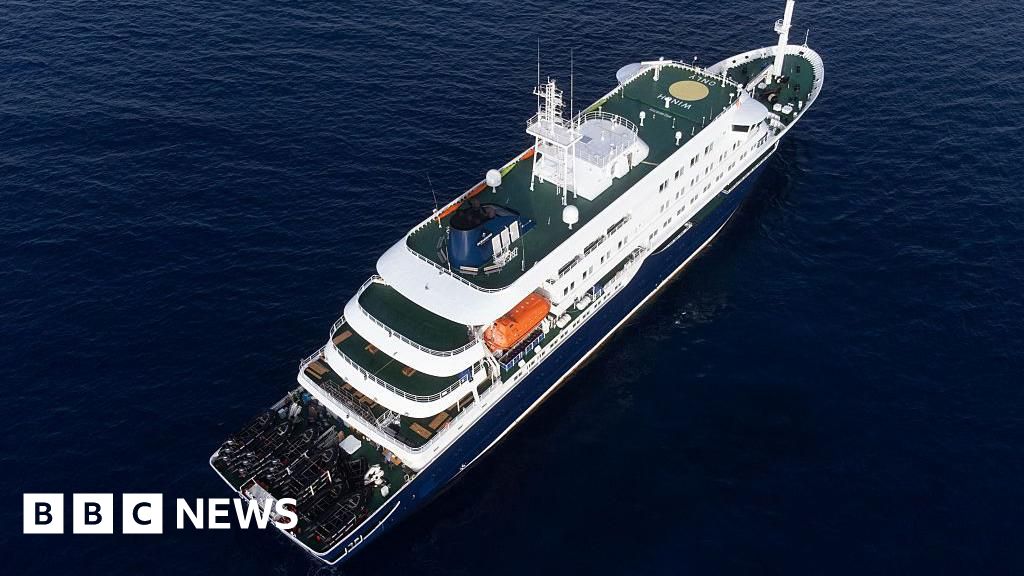
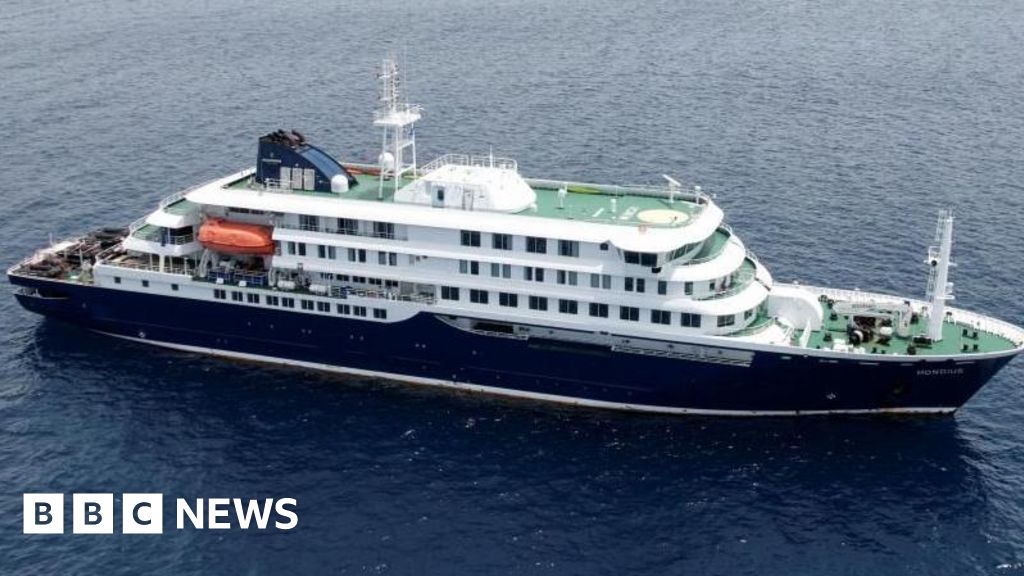
In an unexpected development in the ongoing global health and security landscape, the United Kingdom has confirmed that a British national is among three evacuees transported to the Netherlands after exhibiting symptoms aboard the MV Hondius. This vessel, originally tasked with a maritime operation, has now become a focal point of international concern, highlighting how recent events continue to ripple across national borders and geopolitical stability.

According to officials, the evacuees were identified following a routine health assessment onboard the vessel, which was under strict quarantine measures. The individual in question reportedly displayed symptoms consistent with a contagious disease, prompting immediate cooperation with European health authorities. The decision to evacuate and isolate these individuals underscores the delicate balance nations attempt to strike amid rising fears of infectious outbreaks—especially as global populations become increasingly interconnected. Analysts note that this episode emphasizes how simple health scares can escalate into broader diplomatic and security stakes, especially in geopolitically sensitive zones.

International organizations, such as the World Health Organization and EU health officials, have swiftly responded, reinforcing protocols for the management of potentially infected individuals at sea and within international waters. This incident forms part of a broader pattern that dates back to recent crises involving maritime quarantine procedures—highlighted by historians as emblematic of the unpredictable challenges faced in 21st-century geopolitics. The UK government has stated that the evacuees are receiving appropriate medical attention in the Netherlands, reflecting a coordinated effort to contain any potential health threat while maintaining diplomatic channels open.

Experts warn that these incidents serve as a stark reminder of the fragile interconnectedness of the modern world. Policymakers and international agencies continuously grapple with the fallout of decisions made amidst crises, often revealing the underlying tensions between national sovereignty and multilateral cooperation. How nations respond to transnational health threats not only shapes the immediate outcome of such incidents but also influences their geopolitical leverage and societal stability in the long term. As the world watches this evolving story, it becomes increasingly clear that the unfolding events aboard the MV Hondius are a microcosm of a larger, more turbulent era—where the balance of health, security, and diplomacy is more delicate than ever before.
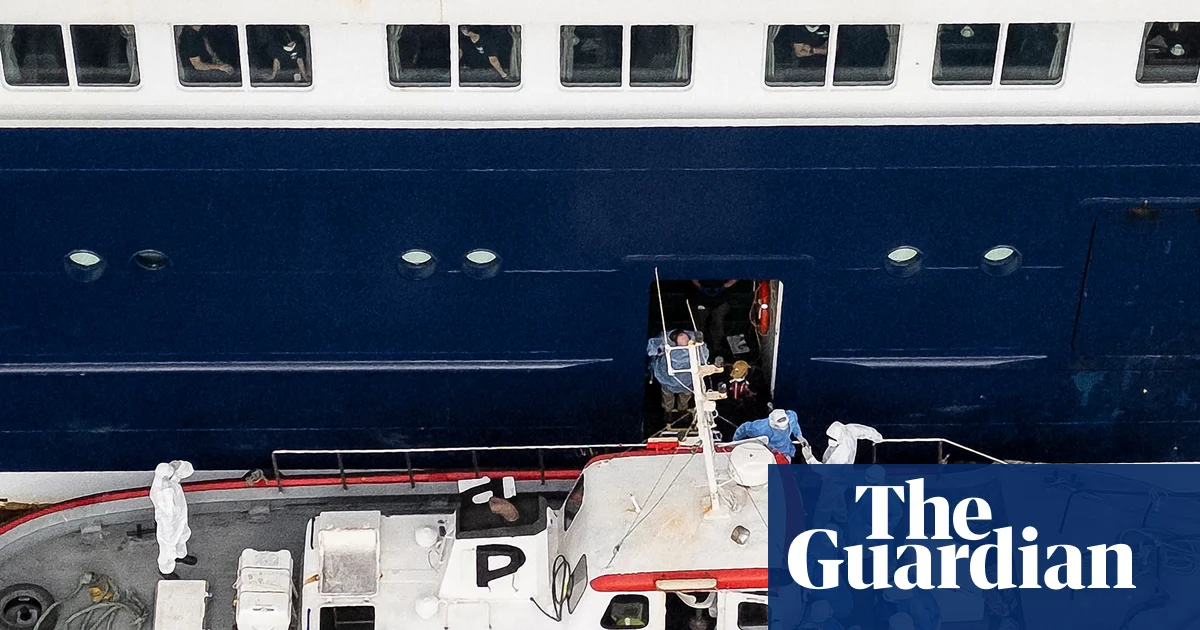
Three evacuated as Spain clears ship linked to hantavirus outbreak—public safety prioritized

Recent developments involving the MV Hondius, a Dutch-flagged cruise ship stranded off the coast of West Africa, have spotlighted the broader societal issues of public health crises, governmental authority, and social cohesion. As nearly 150 passengers from diverse communities find themselves caught in a complex web of international health protocols and local political disputes, the ripple effects extend far beyond individual health concerns, deeply affecting families, local communities, and the societal fabric. The evacuation of suspected hantavirus patients to the Netherlands, confirmed by the WHO, underscores the intersections of health security, humanitarian responsibilities, and geopolitical considerations.

Such incidents expose the intertwined nature of demographic shifts and cultural tensions. The ship, which was en route to the Canary Islands—an often-overlooked hub for European-tourism-dependent economies—becomes a microcosm of societal fragility. The fact that the Spanish authorities refused docking initially, and that local leaders like Fernando Clavijo vehemently oppose the vessel’s arrival, illustrates how public health emergencies are increasingly politicized, threatening the social cohesion vital for community resilience.

  • The outbreak is linked to hantavirus, typically transmitted via contact with rodents, complicating quarantine strategies in high-density environments.
  • With passengers from multiple nations—Britain, Germany, Australia, and beyond—the crisis highlights the globalized nature of social issues.
  • Local governments face balancing public safety with economic and diplomatic pressures, often leaving families and communities uncertain and anxious about their loved ones’ fates.

Nevertheless, the societal ramifications extend into the realm of education and moral responsibility. As sociologists like Dr. Emily Nguyen argue, societal responses to crises influence the moral fabric of communities—shaping how future generations perceive authority, altruism, and collective security. The ongoing debate over whether to permit docking, coupled with the decisions about health monitoring and quarantine, underscores society’s moral dilemma: uphold individual rights or prioritize collective safety. The situation heightens the importance of ethical leadership in maintaining societal trust. Families—particularly those with loved ones aboard—are left navigating a landscape fraught with uncertainty, exemplifying how societal stressors inevitably translate into intergenerational anxieties and social fractures.

As the world watches with concern, the unfolding crisis serves as a stark reminder of the urgent need for community-based solutions and stronger social safety nets. The hope lies in fostering a society where public health is not merely a bureaucratic mandate but a shared moral mission—one that respects human dignity while safeguarding collective well-being. History teaches us, as sociologist David H. Smith notes, that resilient societies are built not solely on infrastructure but on trust, moral clarity, and the unity of purpose. Society’s challenge is to transform this harrowing event into an opportunity for growth, for reimagining community bonds, and for cultivating hope amid adversity. In the end, society’s greatest strength remains its capacity for renewal—an enduring testament to the human spirit’s relentless quest for harmony in a fractured world.

Hantavirus Concerns Rise as Cruise Passengers Possibly Exposed, WHO Warns

Global Health Crisis Escalates as New Virus Cases Confirmed on International Vessel

In a troubling development, two confirmed cases of a novel virus have emerged aboard an international cruise ship, raising alarm across nations committed to controlling global health threats. The cases, which involve a pathogen that rarely spreads between humans, are notable for their unexpected transmission, challenging established epidemiological assumptions. The situation has been exacerbated by the tragic loss of three lives, signaling a potentially dangerous turning point in the outbreak that has now captured the attention of global health agencies and governments alike.

The incident underscores the fragile interconnectedness of today’s world, where a virus originating in isolated regions can quickly find new conduits across borders via transportation networks. The cruise ship, which was traveling across multiple jurisdictions, not only raises immediate health concerns but also highlights the geopolitical implications of international mobility during outbreaks. Critics argue that this event illuminates long-standing vulnerabilities in maritime health protocols, and legislators worldwide are under mounting pressure to implement stricter quarantine measures. The International Health Regulations of the World Health Organization (WHO) face renewed scrutiny as nations scramble to contain the potential spread of an elusive pathogen once thought to be confined to remote regions.

Broadly, this crisis is exposing the geopolitical fragility of global health security alliances. Countries with advanced medical infrastructure, such as the United States, the European Union, and Japan, have pledged swift responses, yet the incident exposes cracks in international cooperation. Experts, including renowned epidemiologists and analysts from organizations such as the Centers for Disease Control and Prevention, warn that early containment hinges on transparent information sharing and rapid response coordinated across nations. The virus’s ability to leap between humans despite its rarity increases the risk of wider outbreaks, and history teaches that prompts, decisive action can alter the trajectory of such crises—yet delays or misinformation can deepen the catastrophe.

The geopolitical impact of this development extends far beyond health borders. Heightened governmental measures threaten economic stability, as trade routes and global tourism—particularly in the maritime sector—face disruption. Countries with strategic maritime dominance are positioned to leverage their influence in shaping international responses, potentially fueling geopolitical tensions. Meanwhile, international organizations grapple with the urgent need to facilitate cooperation, despite differing national interests and resource disparities. This event serves as a stark reminder that health crises are intertwined with notions of sovereignty and international diplomacy, where the decisions made can either forge unity or deepen divisions.

As history now watches from the sidelines, the unfolding narrative leaves a haunting question: Will the world united in action succeed in thwarting this invisible threat, or will it reveal that even the most isolated diseases can become catalysts for global upheaval? The weight of history is still under construction, and the choices made in these critical hours will determine whether humanity can prevail against the silent march of the pandemic or succumb to its relentless march. The events aboard this vessel provide a sobering reflection—one that underscores the ever-present danger lurking in borders, seas, and social trust amidst a rapidly changing geopolitical landscape.

Breaking: Australians on cruise amid suspected hantavirus scare; nation's worst diphtheria levels in decades—stay alert, Australia!
Breaking: Australians on cruise amid suspected hantavirus scare; nation’s worst diphtheria levels in decades—stay alert, Australia!

The unfolding events across the world highlight a period of unprecedented geopolitical tension and health crises that threaten societal stability on an international scale. From the strategic recalibrations of China and the United States to the mounting challenges posed by emergent viruses, nations find themselves at a pivotal crossroads where their responses will shape global history for decades to come.

Recently, a troubling outbreak on a luxury cruise ship stranded off the coast of Cape Verde demonstrates the fragility of global health security amidst geopolitical uncertainties. The vessel, carrying 149 individuals from more than 23 different nationalities—including four Australians—became the focus of international concern after a suspected hantavirus outbreak resulted in the deaths of three individuals and left others critically ill. This incident underscores how travel, migration, and global interconnectedness have amplified the impact of infectious diseases, making international cooperation and rapid response more vital than ever.

Furthermore, the outbreak’s genesis and containment efforts reveal the complex geopolitics that influence health diplomacy. The ship’s grounding on the coast of Cape Verde, with local authorities refusing to permit disembarkation, exemplifies how sovereignty, diplomatic relations, and resource allocation become intertwined with global health emergencies. Experts note that viruses like hantavirus, although rare, threaten to breach borders and overwhelm healthcare systems if not managed swiftly and cooperatively. As international organizations such as the WHO emphasize early intervention and transparency, nations must recognize that health crises are no longer isolated incidents but integral parts of a broader geopolitical landscape.

The crisis coincides with economic unrest fueled by the aggressive monetary policy of the Reserve Bank of Australia, which plans to implement a third consecutive interest rate hike. This decision will make borrowing more expensive for millions, forcing mortgage holders to pay hundreds of dollars extra monthly, effectively constraining domestic economies. Analysts warn that such measures, while aimed at curbing inflation driven by global energy disruptions caused by the US-Israeli conflict with Iran, could have devastating social repercussions, including rising homelessness and economic disparity—conditions that often exacerbate the spread of disease and social unrest.

  • In Australia, the national response to the diphtheria outbreak—its worst in over 35 years—spotlights the persistent challenge of disease resurgence amid societal inequalities. Most cases are concentrated among Indigenous communities, where vaccination rates are uneven, revealing how healthcare disparities persist as a critical security issue.
  • Meanwhile, internal political maneuvers, like the Green Party’s strategic voting directions in Queensland’s Stafford by-election, reflect a broader struggle over ideological influence and governance. Such political dynamics directly influence national stability and how countries respond to both health and economic crises.
  • Globally, the rising cost of living, driven by aggressive rate hikes and energy market chaos, further complicates efforts to mitigate health outbreaks. Economists warn that these compounded pressures threaten to unravel social fabric and impede crisis management, forcing governments into difficult choices that will determine the future of their societies.

As the world grapples with these formidable challenges, several international commentators and historians have issued warnings about the rising tide of instability. Many emphasize that the decisions made today—regarding public health, economic policy, and international cooperation—will reverberate through history, defining the legacy of this generation. The convergence of health emergencies, economic strain, and geopolitical rivalry signifies that humanity stands on the brink of a new chapter in global history—one that demands resilience, unity, and unwavering resolve.

In this era of upheaval, each decision, each policy shift, and each crisis response writes a new page in the narrative of our interconnected world. The weight of history hangs heavy, reminding the global community that the future is forged in the crucible of present struggles. As nations confront their vulnerabilities and forge tentative alliances, the true test will be whether they can uphold the principles of sovereignty, responsibility, and solidarity in a rapidly transforming international order.

Social Media Auto Publish Powered By : XYZScripts.com