

Escalating Tensions in U.S. Immigration Enforcement: A Reflection of Broader Geopolitical Shifts
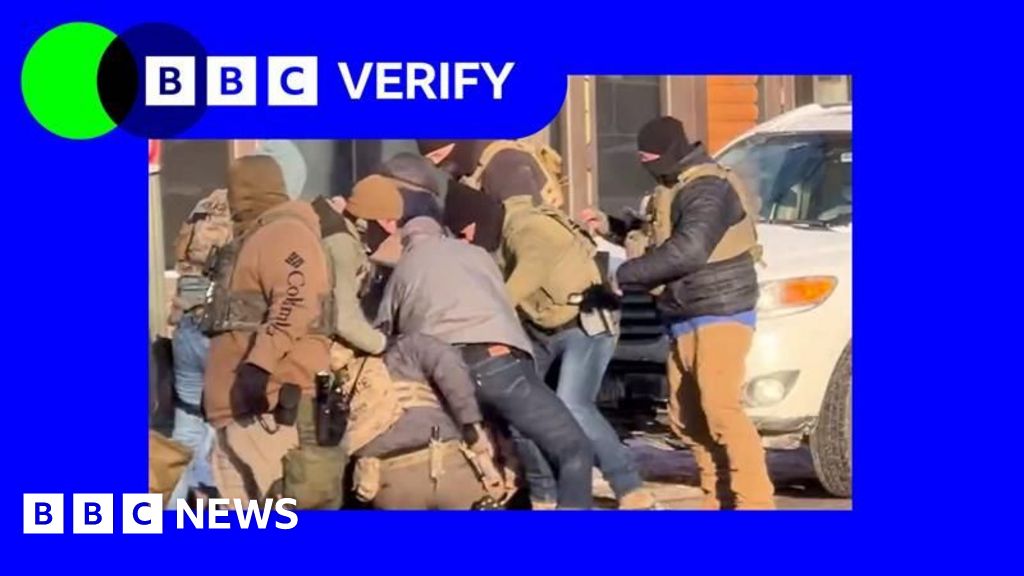
In recent weeks, the United States has faced intense scrutiny over its approach to immigration enforcement, with the tragic killing of Alex Pretti, a 37-year-old Minneapolis resident, capturing international attention. Footage obtained from multiple angles by BBC Verify depicts the moments preceding the fatal encounter involving federal immigration officers. The disturbing images and detailed analysis reveal a pattern that underscores a broader concern: the escalating use of force amidst border and immigration operations, which are increasingly becoming flashpoints of controversy both domestically and globally.
This incident occurs merely less than three weeks after the fatal shooting of Renee Good by an immigration agent in the same city. Such repeated tragedies highlight underlying issues within the U.S. immigration enforcement system—an apparatus often criticized by international human rights groups and analysts for its aggressive tactics and perceived lack of accountability. Historians have long debated whether U.S. immigration policies are evolving towards a more authoritarian stance, or if these are isolated incidents driven by short-term political pressures. Regardless, the ripple effects extend beyond national borders, influencing global perceptions about American values, sovereignty, and the rule of law.
Global Context and Geopolitical Impact
In the context of international geopolitics, these domestic incidents take on a broader significance. The U.S., often seen as a leader in democratic norms, appears increasingly divided over border security and immigration policies. Decisions made within the Beltway carry profound implications for transnational security and economic stability. Countries across the world observe these events, interpreting them as signs of a shifting paradigm—one where internal security measures are perhaps prioritized over individual rights and due process. The increase in such incidents contributes to ongoing debates at the United Nations and other global bodies regarding human rights standards, sovereignty, and the limits of government authority.
Many analysts argue that these tragedies reflect a broader societal crisis—a clash between law enforcement practices and societal values centered on human dignity. International organizations, such as Amnesty International, warn that unchecked use of force not only damage America’s international reputation but also serve as cautionary tales for other nations contemplating similar aggressive policies. The implications of such actions are significant, potentially fueling anti-American sentiment and inspiring other nations to adopt even harsher measures in their own border enforcement efforts.
The Role of Media, Public Opinion, and Future Directions
Critical media outlets and public figures are calling for accountability, emphasizing the need to reevaluate immigration enforcement strategies. As the global community watches with concern, the debate intensifies: should nations prioritize national security at the expense of civil liberties? The U.S. faces mounting pressure from advocacy groups and international watchdogs to reform practices, emphasizing transparency and adherence to human rights standards. The political landscape remains volatile, with proposed legislation and executive actions capable of either curbing excessive force or further emboldening enforcement agencies.
Conclusion: An Unfolding Saga of Justice and Power
Meanwhile, as the world teeters on the edge of shifting moral and political boundaries, the story remains far from over. The casualties of these confrontations serve as a stark reminder that the decisions made today—whether regarding border control, immigration policy, or law enforcement—will echo through history. Every act of violence, every policy shift, shapes the fabric of societal justice and international reputation. The weight of history hangs heavy, as nations grapple with the profound questions of sovereignty, morality, and power—prompted by moments like the killing of Alex Pretti, which may seem isolated but are, in truth, part of a larger narrative that continues to unfold.





