Matox News

Truth Over Trends, always!

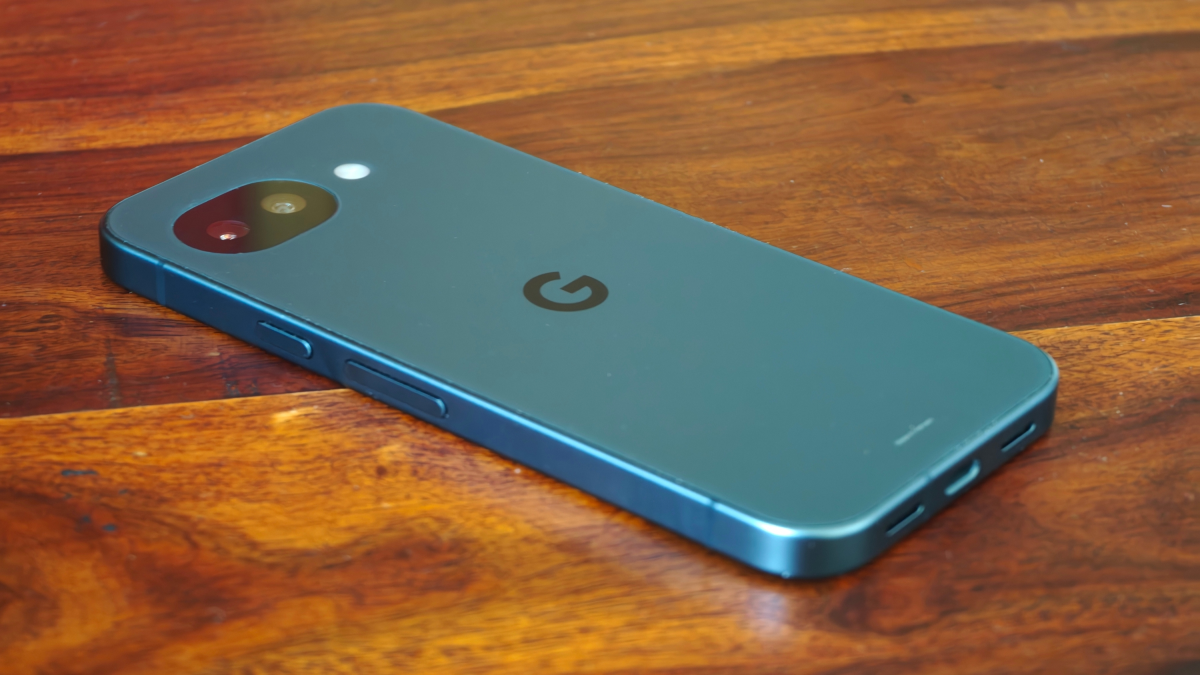
Pixel 10a drops the bump — sleek, clean, and fearless.

Google’s Pixel 10a Ushers in Innovation with Flat Design

The smartphone industry has long been dominated by incremental improvements, often culminating in larger camera bumps that compromise usability and sleekness. However, Google’s latest release, Pixel 10a, signifies a disruptive shift in mobile hardware design by eliminating the camera bump altogether—a bold move that challenges established industry standards. This innovation not only enhances the aesthetics of mid-range devices but also sets a new precedent for disrupting traditional smartphone form factors. Hardware experts and design analysts at MIT and Gartner have highlighted that reducing physical obstructions on smartphones drives a more seamless integration of form and function, aligning with the emerging trend of minimalist yet highly functional devices.

Though the Pixel 10a retains most of its predecessor’s core specifications, its game-changing feature is the flat surface design, allowing the phone to sit flush on surfaces, regardless of orientation. This alteration not only improves usability but also influences manufacturing paradigms, compelling competitors to reconsider balance and camera module placement. The device employs the Google Tensor G4 processor, matching previous models but with a key emphasis on AI-driven features that leverage on-device computing power. Despite its hardware limitations—such as missing out on the latest GPT-enabled AI capabilities—the Pixel 10a introduces practical features like the camera coach AI and Auto Best Take, which significantly enhance photography, especially for casual users. These features exemplify Google’s strategy of innovation-driven disruption, where AI integration becomes a core differentiator in a competitive landscape populated by manufacturers like Nothing and Samsung.

From a business perspective, cost-driven innovation manifests in the Pixel 10a’s competitive pricing at $499, offering high-value features such as a brighter 3,000 nits display with 120Hz refresh rate, a substantial 5,100 mAh battery with faster 30W charging, and a durable build with Gorilla Glass 7i on the front. This affordability combined with design disruption is likely to shake up the mid-range segment—prompting other brands to accelerate their innovation cycles. However, industry experts warn that the reliance on older AI chipsets limits the device’s on-device AI capabilities, potentially hindering its appeal in an AI arms race driven by powerhouse models like Gemini Nano. Nevertheless, Google’s approach of rolling out AI features through periodic Pixel Drops demonstrates a shifting industry paradigm where software updates extend hardware lifespan and value—an important trend that savvy consumers and investors should monitor.

Looking forward, the Pixel 10a’s flat design breakthrough signals an urgent call for industry players to rethink the balance between form, functionality, and consumer preferences. As competition intensifies with offerings like the Nothing Phone 4a Pro, which boasts faster charging, a telephoto lens, and a larger display, Google’s move indicates that innovation is not just about hardware specs but also about redefining user interaction and aesthetic appeal. With the convergence of AI, minimalist design, and strategic pricing, the smartphone market stands on the cusp of a new wave—where disruptive design could become the standard rather than exception. Industry leaders and startups alike must now prioritize innovation that aligns with these evolving consumer expectations, or risk obsolescence in an era where disruption is the new norm.


Peloton Cuts 11% of Staff Amid AI Hardware Launch—Are Tech Times Changing?

Peloton Restructures Amid Market Turmoil and AI-Driven Innovation

In a decisive move indicative of broader industry disruptions, Peloton announced it will lay off approximately 11 percent of its workforce, primarily targeting engineers involved in technology and enterprise initiatives. This follows an earlier 6 percent reduction last August, marking a continued effort to realign its business model in a challenging market environment. Industry analysts see these cuts as a sign that Peloton is struggling to maintain its pandemic-fueled growth, with sales figures showing a prolonged decline despite launching innovative hardware featuring Peloton IQ AI. These developments underscore the aggressive shift in how fitness technology companies must innovate or face obsolescence in a hyper-competitive landscape.

The company’s latest strategic pivot involves deploying AI-powered features across its product lineup, aiming to deliver personalized, real-time performance insights that could disrupt traditional workout routines. The Cross Training Series, introduced last October, includes a revamped bike, treadmill, and rowing machine—each integrated with AI capabilities such as real-time form correction, exercise analysis, and AI-generated routines. These features, meant to elevate user engagement and justify increased subscription costs, exemplify how disruption in the fitness tech industry hinges on harnessing AI to maximize user outcomes and retain loyalty. Yet, despite these technological advancements, initial sales have been sluggish, raising concerns about whether Peloton’s innovation can translate into immediate commercial success.

The industry’s trajectory underscores a growing trend where traditional fitness companies are forced to pivot rapidly, investing heavily in AI and data-driven personalization to compete against tech giants and emerging startups. This massive shift toward intelligent, autonomous workout systems echoes predictions by firms like Gartner, which emphasize that AI and machine learning will be core drivers of competitive advantage in the coming decade. However, Peloton’s recent struggles highlight a crucial lesson: technological innovation alone cannot guarantee market resurgence. Instead, it must be coupled with effective marketing, product differentiation, and scalable operations—areas where Peloton has faced setbacks, as it attempts to counteract declining subscriber growth and mounting financial pressure.

From a business perspective, Peloton’s ongoing downsizing and technology overhaul signal a broader warning to industry players: Disruption is only beneficial if it sustains user engagement and profitability. Meanwhile, industry watchers like Elon Musk and Peter Thiel suggest that the surge toward AI-enhanced fitness is inevitable and will redefine the entire health and wellness sector. The imperative now is for companies to move beyond incremental enhancements and embrace radical innovation that leverages AI not just for customization but for creating entirely new business models and ecosystems. As the market evolves, so too must the strategic agility of industry leaders to avoid obsolescence and harness the disruptive potential of AI-driven fitness technology.

Looking ahead, the timeframe for Peloton’s recovery remains uncertain, emphasizing the urgency of strategic adaptation in a hyper-accelerated technological landscape. The industry’s next chapter is poised to be defined by companies that successfully integrate emerging AI capabilities with scalable, engaging user experiences. Those who fail to do so risk being overshadowed by nimble startups and digital giants forging entirely new markets. In this context, Peloton’s ongoing transformation exemplifies the pressing need for bold innovation and relentless adaptation—because in the race for market dominance, standing still is equivalent to moving backward.

Kevin Rose’s bold AI hardware test: Would you want to punch someone wearing it?

Venture Capital Veteran Warns of AI Hardware Bubble While Emphasizing Opportunities for Innovation

In a candid address at the recent TechCrunch Disrupt event in San Francisco, Rose, a seasoned general partner at True Ventures, underscored both the risks and the enormous potential of artificial intelligence (AI) as a disruptive force across industries. While Silicon Valley players rush headlong into the AI hardware gold rush—funding smart glasses, AI pendants, and wearable tech—Rose warns that many startups are repeating familiar mistakes, with some chasing after fleeting trends rather than genuine innovation. His message centers on understanding the profound business implications of AI advancements and how they could reshape the venture capital landscape.

Despite skepticism about current AI hardware startups, Rose remains deeply optimistic about AI’s capacity to transform entrepreneurship itself. He highlighted how Google’s Gemini 3 is expected to introduce error-free AI coding, dramatically lowering barriers for emerging entrepreneurs. According to Rose, this evolution will lead to a new generation of vibe coding classes—informal, creative environments where high school students and startups alike can rapidly prototype and launch billion-dollar businesses. The rapid development of AI coding tools signifies a watershed moment, one that could make traditional VC funding less critical, as entrepreneurs become more self-reliant and resourceful.

As AI technology reduces technical barriers, the VC model itself faces transformation. Rose advocates for a shift away from firms aggressively hiring armies of engineers towards cultivating VCs with higher emotional intelligence. He argues that emotional support and long-term partnership are increasingly vital, especially as entrepreneurs grapple with complex challenges beyond technical hurdles. This perspective is echoed by industry analysts from institutions like Gartner, who stress that the most successful investors will be those capable of guiding startups through emotional and strategic issues—distilling the essence of disruption not just in products, but in the venture ecosystem itself.

Looking toward the future, Rose advocates for a bold, unconventional approach to investing—favoring founders with a disregard for the impossible and a willingness to pursue audacious ideas that others dismiss as impractical. Inspired by advice from Larry Page, he emphasizes backing entrepreneurs willing to challenge the status quo, knowing that even failures foster innovation. This mindset underscores a broader industry shift: as AI continues to evolve rapidly, the most disruptive breakthroughs are likely to come from bold visions that defy skepticism. The race to harness AI’s full potential is heating up, and investors who can navigate its emotional and technical complexities will be the real winners.

In conclusion, the next decade promises a seismic shift in technological innovation driven by AI. Companies both big and small that recognize its disruptive power and align their strategies around bold, emotionally intelligent leadership will gain a decisive edge. The stakes are high—those who innovate ahead of the curve will shape the future of commerce, technology, and society itself. As Rose aptly states, embracing a disregard for the impossible could be the key to unlocking unprecedented opportunities in the very near future.

Social Media Auto Publish Powered By : XYZScripts.com



