Matox News

Truth Over Trends, always!

Storm Harry triggers massive landslide in Sicily, raising concerns for safety and resilience

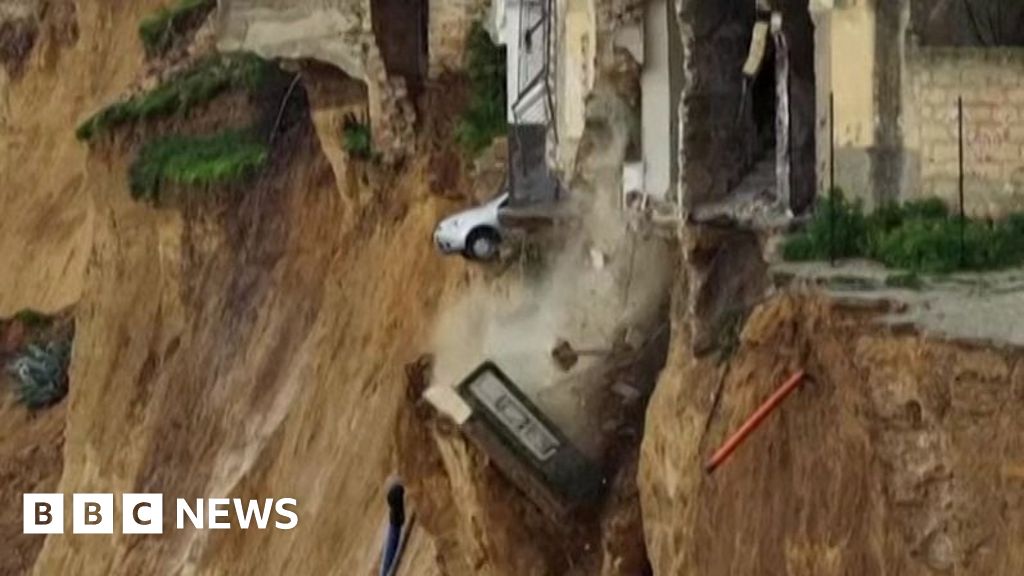
In a stark reminder of climate-related instability, a 2.5-mile (4 km) section of coastline on the Italian island of Sicily has recently collapsed, following severe weather disruptions caused by Storm Harry. The disaster, which took place over the weekend, underscores the growing vulnerability of coastal regions to extreme weather events, a phenomenon increasingly attributed by scientists and environmental analysts to global climate change. The collapse has prompted a major emergency response, with over 1,000 residents evacuated from the towns of Niscemi as authorities scramble to assess the damage and prevent further tragedies.

The geological surveys underway reveal a troubling picture: aerial footage shows significant destruction, with buildings and vehicles destroyed or rendered inaccessible. While no fatalities have been reported, the potential for loss of life and livelihoods remains high, especially as parts of the cliff continue to *crumble*, reflecting ongoing instability in the area. This incident draws attention not just to local environmental conditions but also to overarching global concerns about climate resilience, coastal management, and international response strategies. Many analysts argue that such catastrophes are a warning sign of a changing world, where recent weather anomalies serve as a clarion call for policy shifts and technological innovations in disaster mitigation.

Historically, the Mediterranean region has been a crossroads of geopolitical tension, with Italy’s strategic position intertwined with broader European stability and security concerns. As regional communities grapple with the immediate aftermath of the landslide, experts warn of the broader, long-term implications: increased migration from vulnerable areas, economic disruptions, and the destabilization of tourism-dependent economies. The United Nations and other international institutions have called for enhanced cooperation and climate-adaptive infrastructure, but critics highlight that policy responses often lag behind the rapidly evolving threats posed by climate change.

Looking ahead, the situation in Sicily is a microcosm of a global challenge: how nations adapt to a **world where natural disasters are intensifying** and threatening societal stability. Historians and geopolitical analysts warn that decisions made in this critical era will shape the trajectory of international order. Will countries prioritize short-term economic gains over environmental sustainability? Or will they recognize that the cost of inaction far exceeds immediate sacrifices? As the climate continues to shift, impacting societies across the globe, humanity faces a moment of reckoning. The landslide in Sicily is more than a local tragedy—it is a gripping chapter in a larger story where the choices of today could either build resilience or lead to chaos, leaving the weight of history to be decided by the actions of tomorrow.

Prince Harry Blames ‘Sabotage’ for Rumors of Tension with King

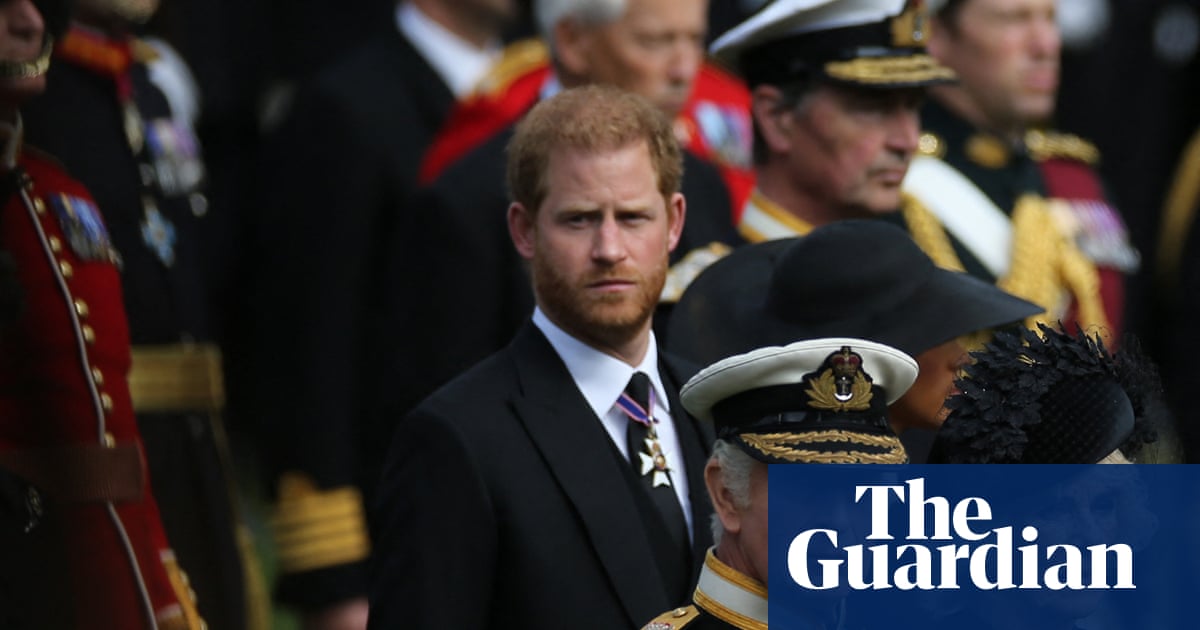
Prince Harry recently made headlines with a rare personal move, suggesting a desire for reconciliation within the British royal family. His meeting with King Charles at Clarence House marks a significant shift after nearly two years of estrangement, reflecting broader themes of family dynamics amidst global scrutiny. The 54-minute private encounter, following Harry’s public expressions of willingness to reconcile, occurred amid ongoing media narratives designed to shape public perception. Harry’s emphasis on the sincerity of his intentions underscores the delicate balance of maintaining intimacy versus public image in a world obsessed with royal drama.

However, this gesture comes under an increasingly scrutinized lens, with media outlets such as The Sun and international analysts dissecting every detail. Harry’s response to reports about gifts exchanged during their meeting—correcting claims that a framed photograph contained images of him and Meghan—highlight the intense media warfare surrounding the royal “family feud”. While Harry’s spokesperson downplayed the significance of the private gifts, the media’s involvement demonstrates how the narrative of royal discord has become a geopolitical tool. As international observers analyze these internal conflicts, the impact extends beyond Britain, influencing perceptions of monarchy and stability across the Commonwealth and beyond.

This ongoing soap opera within the United Kingdom royal family unfolds against a backdrop of increasing geopolitical volatility. King Charles’ recent meetings with foreign leaders, including Anthony Albanese of Australia, exemplify his ongoing efforts to position the monarchy as a symbol of unity amid chaos. Yet, the internal fissures—exposed through Harry’s public statements and the media’s relentless reporting—undermine the royal family’s credibility and, by extension, the soft power they wield. Historians warn that such internal strife can weaken a nation’s diplomatic stature, especially when royal figures serve as international ambassadors. Consequently, domestic upheavals in Britain ripple outward, affecting diplomatic relations, global perceptions, and the space of influence that monarchies hold in a multipolar world.

In a rapidly shifting geopolitical landscape, the internal struggles of the British royal family serve as a mirror to the fragility of traditional institutions in an era of unprecedented change. As Harry’s attempt at reconciliation unfolds amid media frenzy, the international community watches with bated breath—aware that the tides of history are never static but constantly reshaping the power structures of nations. *How these personal dramas unfold will determine not only the future of the monarchy but also serve as a cautionary tale for societies grappling with the erosion of established symbols of authority.* Humanity stands at a crossroads, where familial betrayal and national prestige dance dangerously close, leaving us to wonder: will this chapter be remembered as the beginning of the monarchy’s decline or as an epilogue of resilience amidst chaos? The answers remain hidden in the unfolding pages of history.

Social Media Auto Publish Powered By : XYZScripts.com


