Matox News

Truth Over Trends, always!

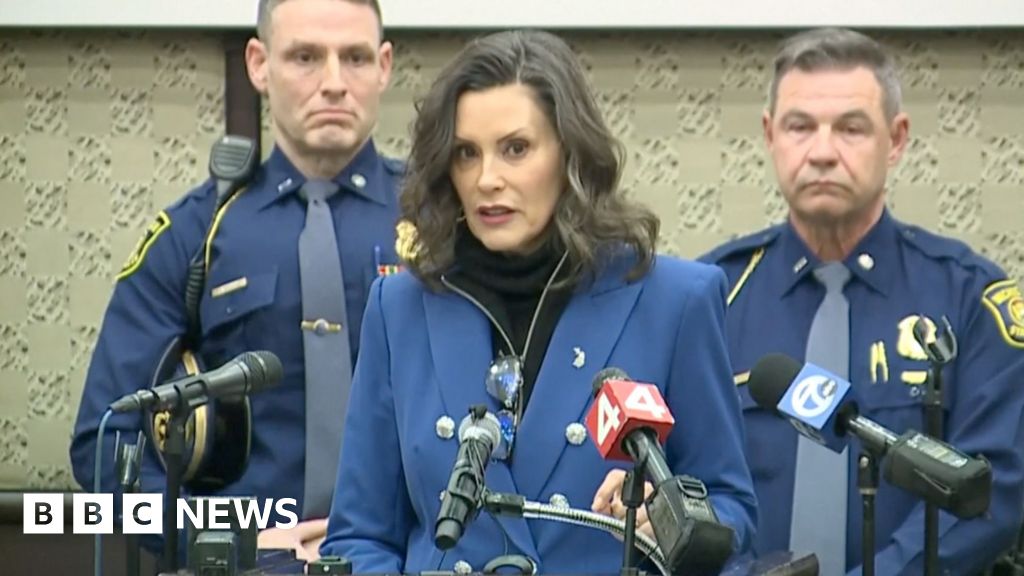
Michigan synagogue attack a clear act of hate, warns governor

In what experts are calling a disturbing escalation of domestic violence, authorities in the United States have officially classified a recent incident as a “targeted act of violence against the Jewish community”. The FBI’s investigation underscores the ongoing challenges faced by minority communities within national borders, yet the motive behind this attack remains elusive, leaving many to question the underlying societal tensions that continue to threaten social cohesion in Western democracies.

From a geopolitical perspective, such acts of targeted violence trigger a ripple effect that extends far beyond national borders, fueling concern in Israel, European Union, and allied nations. Many analysts argue this incident is symptomatic of a rising tide of anti-Semitism and political extremism, fueled by a volatile global climate of misinformation, radical rhetoric, and socio-economic upheaval. International organizations like the United Nations and European Parliament have continually warned that domestic terror tactics threaten the ideological stability of multicultural societies and can destabilize geopolitical alliances.

Historian and geopolitical analyst Dr. Edward Marks emphasizes that such violence acts as a catalyst for destabilization, often prompting international scrutiny and diplomatic tensions that complicate efforts for global cooperation. The incident exemplifies the fragile nature of social trust within liberal democracies, where internal divisions can ignite wider conflicts if not addressed decisively. Meanwhile, critics are drawing parallels to similar episodes in Europe and elsewhere, where rhetoric aligning with anti-establishment and nationalist movements has created fertile ground for hate crimes. The FBI’s cautious stance—avoiding immediate attribution of motives—reflects the complexity of the threat, which is often intertwined with broader geopolitical shifts and the resurgence of ideological extremism worldwide.

As nations around the globe monitor the fallout, the decision-making networks facing this crisis are grappling with how best to contain and counteract these threats. The incident is viewed not merely as an isolate event but as part of a larger pattern of rising nationalist sentiments and ideological polarization. The international community is increasingly aware that these internal conflicts threaten the stability of alliances and international norms. As the United States grapples in its internal political arena, the echoes of this incident serve as a stark reminder that the fight against violence and hatred must be fought on numerous fronts, from law enforcement to educational reform and social policy.

Ultimately, this event leaves a profound question hanging in the air: how will nations respond to the mounting evidence that ideological extremism is a growing global threat? With history witnessing the devastating consequences of unchecked hatred and division, the decision to confront and address these issues decisively will shape the course of societal development for generations to come. As the world watches, the weight of history presses heavier, threatening to tilt the fragile balance of peace toward chaos if decisive action is not taken—reminding us that in the relentless march of history, the battle for societal stability is never truly over, and the next chapter remains unwritten.

NHS doctor suspended for alleged antisemitic social media posts—Concern rises among youth over hate speech

The recent suspension of Dr. Rahmeh Aladwan, a trainee in trauma and orthopaedics at the NHS, highlights a disturbing intersection of social media misconduct and the broader geopolitical tensions surrounding antisemitism in the digital age. The Medical Practitioners Tribunal Service (MPTS) in the United Kingdom placed her on a 15-month interim suspension amidst allegations that her online posts contained content supporting terrorist organizations such as Hamas, propagated antisemitic conspiracy theories, and even used Nazi imagery. These acts are not isolated incidents but are symptomatic of rising global concerns over hate speech and the erosion of social cohesion, especially within highly sensitive societal institutions like healthcare and law enforcement.

International observers and analysts are now wary of how such incidents ripple beyond the confines of national borders, affecting the public’s trust in institutions and the fabric of multicultural societies. According to prominent international organizations and senior historians, the proliferation of extremist rhetoric online, particularly when backed by figures within societal institutions, poses a serious threat to what national security experts term cultural stability. The case raises a pressing question: How should nations balance the right to free expression with the need to protect communities from hate and extremism? The GMC and MPTS have justified their cautious approach, emphasizing that Dr. Aladwan’s conduct could harm public confidence in the healthcare system and fuel social divisions—an outcome that transcends the UK and impacts the global image of medical professionalism amid geopolitical unrest.

This incident comes at a time when Western nations are grappling with their own internal divides, often exploited by those seeking to manipulate societal fears for political ends. As nations seek to clamp down on hate speech, the broader geopolitical impact becomes evident: policies regarding internationally proscribed organizations such as Hamas have become a flashpoint, affecting diplomatic ties and the fight against extremism. Many analysts warn that permitting unchecked hate speech under the guise of political debate; risks emboldening terrorist sympathizers and radicalizing segments of society, thereby undermining national security. Understanding these dynamics is crucial, particularly as civil rights advocates call for greater oversight, yet critics argue that overreach could threaten free speech and political dissent. The UK’s response, including the ongoing review of Dr. Aladwan’s case, underscores the delicate balancing act between safeguarding societal cohesion and respecting individual freedoms—an issue faced universally, from Europe to the Middle East.

Historically, societal shifts driven by extremism have often left a lasting scar on nations’ collective memories. As historians and international security analysts observe, the current wave of online radicalization mirrors past periods of societal upheaval, often leading to conflict, division, and loss of life. The unfolding case of Dr. Aladwan is, therefore, more than an isolated disciplinary action; it is a stark reminder that history is watching us, and the decisions made today could shape the geopolitical landscape for generations. The fight against hate and extremism is not merely a national concern but a chapter in the ongoing battle for global stability. As institutions examine their roles and responsibilities, the weight of history presses on regulators to carefully weigh free expression against the imperative to defend vulnerable communities. The world remains on a knife’s edge, with the echoes of past conflicts whispering that, in times of rising division, the choices of today may determine whether future generations will remember peace or be haunted by the shadows of extremism.

Australia’s Hate Crime Laws: Lacking Focus and Effectiveness

Australia’s Societal Divide Deepens as Hate Crimes and Social Tensions Rise

In an era marked by global conflict and cultural upheaval, Australia finds itself grappling with the complexities of hate crimes and social division. Recent debates around the effectiveness and consistency of hate crime legislation reveal a society torn between progress and inconsistency. The rise in reports of antisemitism, Islamophobia, and other forms of prejudice, especially in the wake of the war in Gaza, have put the spotlight on how the nation responds to such hate-fueled actions. While some communities experience targeted violence, others grapple with misunderstood or underreported incidents. As social cohesion hangs in the balance, experts emphasize the critical need for a unified, national approach to mitigate this mounting crisis.

The data available paints a picture of a society still struggling with how to handle hate crimes comprehensively. Since 2020, over 435 charges related to hate crimes have been documented across various jurisdictions, but the true scope remains elusive given inconsistent record-keeping. The divide in legislation across states—where some have specific hate crime laws while others consider such motivations as aggravating factors—further complicates enforcement. Communities face the harsh reality that the lack of a cohesive legal framework hampers justice. The disparity between jurisdictions raises critical questions about how social issues permeate education, family life, and community safety, often leaving vulnerable groups without adequate protection or recognition.”

Notably, only two police forces — NSW and Western Australia — have dedicated hate crime units, illustrating a broader systemic neglect. In NSW, the implementation of tougher laws in response to rising antisemitic incidents highlights an ongoing effort to curb intolerance, yet data suggests that prosecutions remain limited and often fraught with delays. Meanwhile, reports indicate that police statistics on hate crimes are incomplete or misclassified; in September, NSW police admitted to wrongly categorizing a significant number of incidents as antisemitic, including anti-Palestinian graffiti and protests. These gaps not only hinder justice but also undermine the moral fabric of a society that aspires to inclusivity. As social commentator and sociologist Dr. Jennifer Bowen notes, “Without consistent, comprehensive data and legislation, we awaken a society that is blind to its own fractures.”

Amidst these challenges, calls for a national hate crimes database and a unified legal definition grow louder. The 2024 Senate inquiry recommended establishing a comprehensive system, supported by experts who argue that consistent legislation across states and territories is critical to restoring social harmony. Yet, a debate persists over how best to accurately track and respond to prejudice, with concerns over the intrinsic difficulty of capturing all hate-motivated incidents. As Professor Nicole Asquith of the University of Tasmania emphasizes, “In our quest for social justice, clarity and consistency become the foundation for effectively safeguarding families and strengthening our societal bonds”. Society must confront the moral imperative to protect every community, fostering resilience in the face of adversity and ensuring that the social fabric does not unravel under the weight of prejudice.

Hope lies in the collective will to address these societal wounds. Awareness, education, and stronger legislation are vital, but so too is understanding the profound human impact behind these statistics. Each hate crime represents a family torn apart, a community divided, and a society grappling with its own identity. As the nation stands at this crossroad, perhaps it is society’s shared moral duty to forge a path toward justice, understanding, and unity. The challenge is formidable, yet within society’s resilience lies the potential to turn division into decisive action, and despair into hope—for Australia’s social fabric can yet be rewoven, stronger and more inclusive than before.

Social Media Auto Publish Powered By : XYZScripts.com



