Matox News

Truth Over Trends, always!

Hawaii Storms Cause Over $1 Billion in Damage, Governor Reveals

Recent weather calamities in Hawaii have underscored the devastating toll that climate-related disasters can impose on local infrastructure and economies. Governor Josh Green announced that the full extent of damages to roads, bridges, and essential services remains unassessed but emphasizes that the catastrophic flooding has already revealed vulnerabilities that could have broader geopolitical implications. As global climate change accelerates, such events threaten to destabilize regional stability and heighten the pressure on international aid agencies, prompting a reevaluation of resilience strategies in vulnerable areas.

The rains and flooding — described as some of the worst in recent memory — have caused widespread destruction that not only disrupts daily life in Hawaii but also serves as a stark warning to nations worldwide. Historically, such extreme weather events have been catalysts for policy shifts aimed at boosting infrastructure resilience, but critics argue that many governments lag behind in implementing necessary reforms. International organizations like the United Nations have repeatedly called for urgent action, yet debates persist over responsibility and funding, especially for impoverished or politically unstable regions. This calamity spotlights the ongoing climate crisis, which analysts warn could provoke increased geopolitical tensions as nations scramble for resources and aid.

Geopolitical impact extends beyond environmental considerations. As Hawaii contends with the aftermath, regional and global leaders are assessing how climate change can exacerbate existing tensions—particularly in areas prone to natural disasters. Allegiances are being tested, with some nations using such events as opportunities to leverage aid and influence, while others face internal criticism for inadequate preparedness. Many security experts, including those at the International Crisis Group, warn that in a world increasingly shaped by climate-induced disruptions, failing to prepare could lead to humanitarian crises that destabilize entire regions, causing ripple effects that threaten global peace.

Moreover, the ongoing situation in Hawaii, a U.S. state often perceived as a remote paradise, lays bare the importance of proactive governance in safeguarding national interests. History demonstrates that neglecting infrastructure and environmental preparedness in key strategic regions can have ripple effects far beyond local borders. As international institutions urge for coordinated responses, questions remain about the pace and adequacy of such measures. The unfolding catastrophe in Hawaii is not solely a regional issue—it is a mirror reflecting a world at a crossroads, where climate change, geopolitical contestation, and societal resilience intertwine in a dangerous dance.

As the waters recede and the dust settles, the true magnitude of this crisis will become clear. Yet one thing remains certain: the historical narrative that emerges from this tragedy could redefine how nations prepare for an uncertain future. In the shadows of impending global shifts, the enduring question echoes—will humanity learn to confront its most formidable challenge, or will this be yet another chapter in a story of lost opportunities and rising threats?
Hawaii Warns Residents: Evacuate Now Amid Devastating Flood Crisis

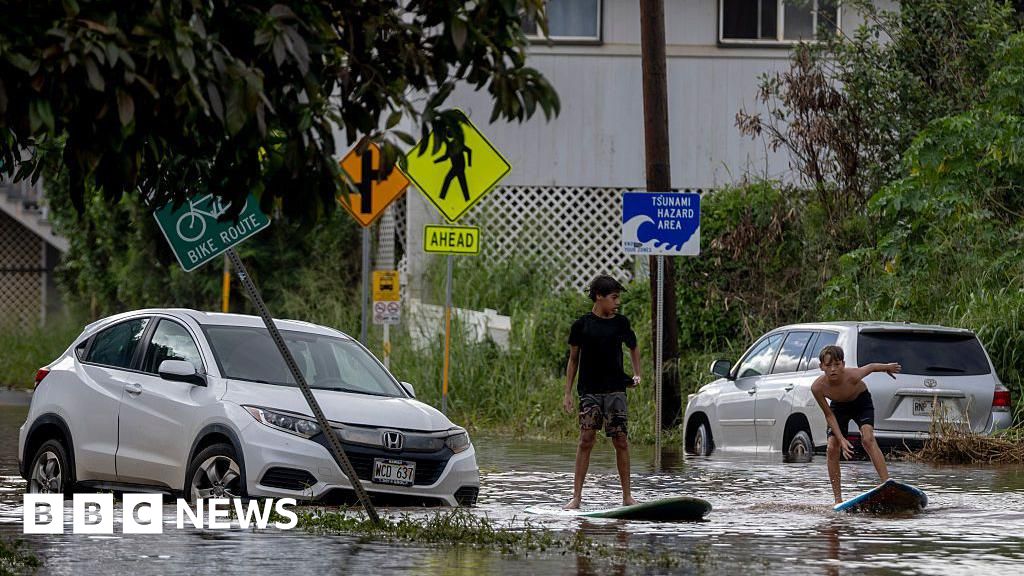
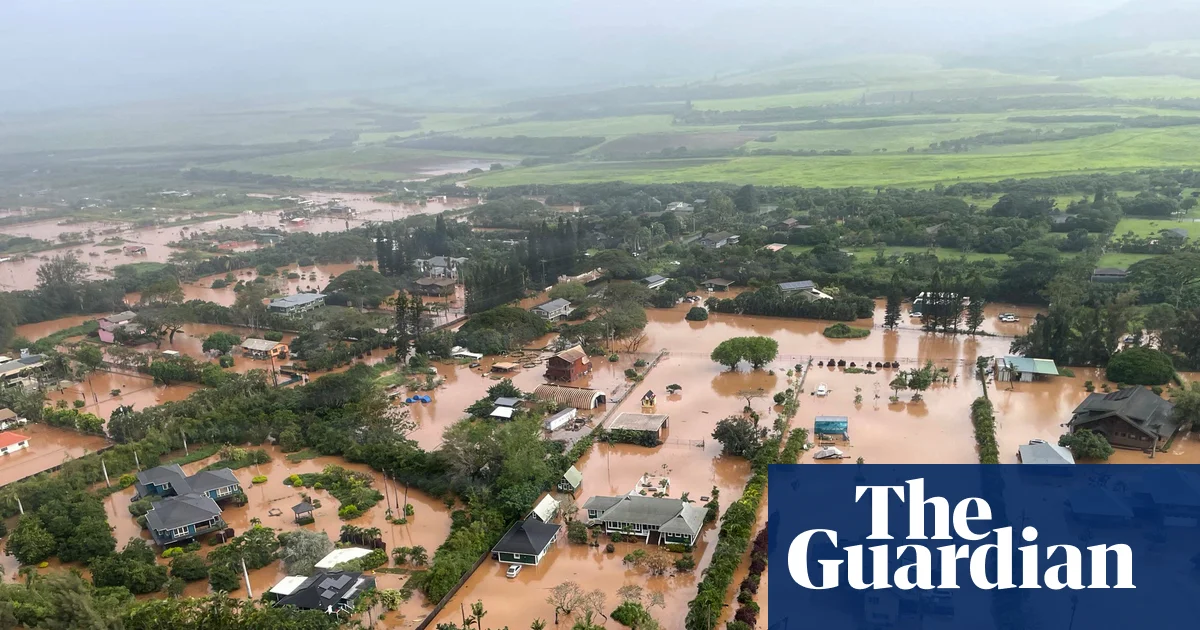
In a stark reminder of the escalating climate crisis, Hawaii is currently experiencing its most devastating flooding in over two decades. The recent deluge has left infrastructure in ruins and thousands displaced, highlighting the tangible impacts of climate change intensified by human activity. As heavy rains accumulated on already saturated soil—triggered by the persistent “Kona lows,” winter storm systems characterized by moisture-laden southerly winds—local officials issued urgent evacuation orders, urging residents to “leave immediately” from the most hazardous zones. This climate-driven disaster underscores not only the fragility of Hawaii’s environment but also the broader geopolitical implications, as the U.S. contends with increasing natural catastrophes that threaten its states’ stability and security.

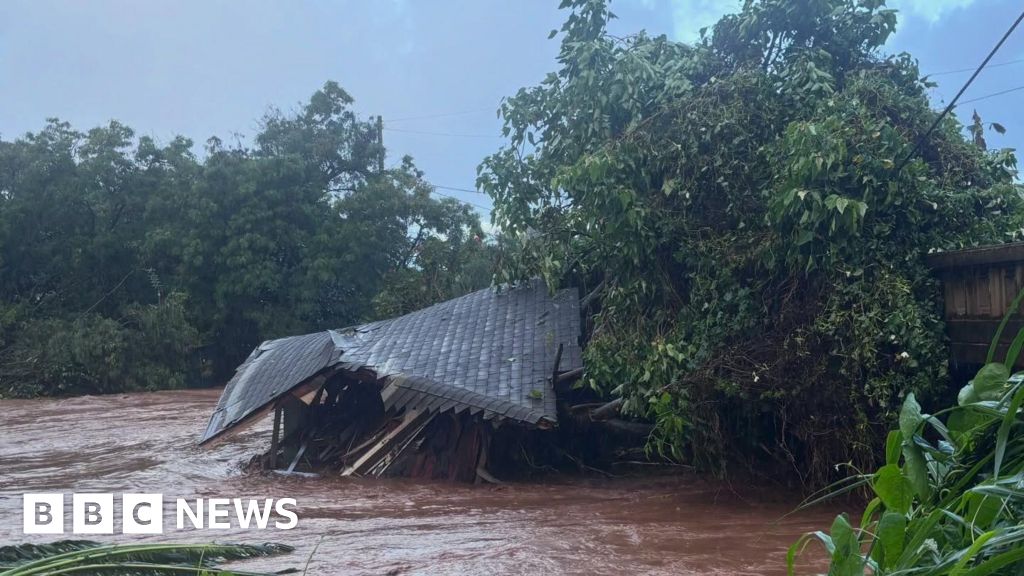
The flooding has wreaked havoc across Oahu and Maui, causing extensive damage to homes, roads, and critical infrastructure. Officials estimate the financial toll may surpass $1 billion, impacting airports, hospitals, and local communities. The damage assessment remains incomplete, but what is clear is that the human and economic costs are mounting at an alarming rate. The distressing situation on Oahu’s North Shore—as residents watched muddy waters swallow once-pristine landscapes and livestock vulnerable in floodwaters—serves as a stark warning of the environmental tipping points being reached. Experts, including renowned climate analysts, argue that the increased frequency and severity of such events are irrefutable signs of global warming’s tangible impact, compelling nations to reassess their resilience strategies and international commitments.

This crisis also exposes the fragility of vulnerable infrastructure, such as the 120-year-old dam on Oahu which was flagged as being at imminent risk of failure. Emergency alerts warned of potential dam breaches, emphasizing how decades of neglect combined with extreme weather can rapidly turn into disasters. While the immediate focus is on rescue operations—more than 200 people rescued from rising waters—there is a deeper geopolitical storyline unfolding. The White House has announced federal support, but critics question whether U.S. authorities are adequately investing in climate resilience, especially in vulnerable regions like Hawaii. As the island state grapples with this natural catastrophe, it echoes a global warning: the increasing frequency of climate-induced disasters demands coordinated international action and robust infrastructure improvements. The aftermath will undoubtedly shape policy debates, pushing governments worldwide to confront the intertwined crises of climate, security, and economic stability.

History has shown that such natural disasters often precede geopolitical shifts—highlighting the importance of strategic foresight as nations watch climate chaos threaten their sovereignty and societal cohesion. As Hawaii’s landscape battles the fury of nature, the world is left to forge a new understanding of vulnerability and resilience—an urgent chapter in mankind’s ongoing struggle to adapt to a rapidly changing planet. With each rising tide and rushing flood, the weight of history presses down, reminding humanity that in the face of nature’s wrath, the choices made today will determine the legacy of future generations. The unfolding narrative will test the resolve of governments, societies, and individuals alike—an enduring testament to the profound influence of climate on the course of civilization.

Hawaii Under Threat: Thousands Evacuated in Worst Flooding in Two Decades

In a remarkable display of coordinated effort and humanitarian concern, authorities across multiple nations have successfully rescued more than 230 individuals this week, marking a significant moment in ongoing efforts to manage global crises. This operation, widely covered by international media, underscores the escalating importance of cross-border cooperation in addressing complex challenges that transcend national borders, particularly in regions plagued by conflict, environmental disasters, or human trafficking. While the numbers reflect a momentary success, the broader geopolitical implications continue to ripple through diplomatic corridors and global security conversations.

The rescue acts came amidst mounting pressure from international organizations such as the United Nations, which has repeatedly called for strengthened cooperation and shared responsibility. Critics and analysts emphasize that these operations are often just the tip of the iceberg: they highlight the systemic failures that have left vulnerable populations exposed to danger. Countries in the affected regions, whether facing internal turmoil or border crises, are under increased scrutiny for their roles in either facilitating or hindering such rescue efforts. Experts argue that the magnitude and coordination of these recent rescues serve as a litmus test for global solidarity, revealing both promising signs of humanitarian commitment and ongoing geopolitical tensions.

Historian and geopolitical analyst Dr. James Reynolds notes that recent rescue operations are not isolated incidents but part of a larger pattern rooted in shifting alliances and international power struggles. According to his assessments, nations’ responses to such crises are heavily influenced by their strategic interests, often intertwining humanitarian concerns with broader geopolitical ambitions. For instance, the involvement of certain states often signals their desire to project soft power or to secure influence within global institutions. Meanwhile, organizations like the European Union and North Atlantic Treaty Organization are reassessing their roles, determined to avoid being sidelined by emerging centers of influence.

The significance of these rescue missions extends beyond immediate humanitarian relief. They serve as a stark reminder of the vulnerabilities embedded within global systems and the urgent need for comprehensive solutions. As international bodies debate new policies and alliances, the world remains in a delicate balance, with each decision reverberating through the fabric of societies and governments worldwide. The unfolding narrative of rescue, response, and resilience points to a future where geopolitics and human destiny are inexorably intertwined. Though the immediate toll has been mitigated for now, the weight of history presses forward—an enduring reminder that in the grand chessboard of nations, every move shapes the course of generations to come.

Social Media Auto Publish Powered By : XYZScripts.com



