Matox News

Truth Over Trends, always!

Sony WH-CH720N: Top-tier sound that’s worth the full price—right now, an unbeatable deal for young tech fans.

Disruption in Consumer Electronics: Sony’s Budget Noise-Canceling Headphones Shift Market Dynamics

The consumer tech landscape continually evolves with innovative products that challenge established giants and redefine value. Recently, Sony has disrupted the premium headphone market segment by slashing prices on their WH-CH720N noise-canceling headphones, a move that could signal broader shifts in how value and performance are perceived in consumer audio technology. Once positioned squarely as an affordable alternative, these headphones now offer mind-blowing features—active noise cancellation, 35-hour battery life, and robust sound quality—at a fraction of previous costs.

Market analysts note that this aggressive pricing strategy exemplifies disruption at play, where established brands are forced to reevaluate their margins and value propositions. Gartner data indicates that cost-effective, feature-rich devices are increasingly favored by younger demographics, who prioritize their tech experience over traditional brand loyalty. Elon Musk’s recent ventures in AI and clean energy corpora highlight how innovation often comes from challenging the^ status quo, and Sony’s latest move echoes this philosophy within consumer electronics. The savings from $180 to under $100 on Amazon and Best Buy—thanks to offers like the one currently blowing the market away—highlight how companies are leveraging cost competitiveness to capture market share. For consumers, it’s a win; but for competitors battling to maintain margins, a warning: the era of premium pricing for feature-rich tech is under threat.

From a business perspective, Sony’s strategic price reduction will likely have industry-wide implications. Traditional audio brands that have relied on premium segmentation might need to innovate further or accept shrinking profit margins. For business leaders and startups alike, this underscores a fundamental shift: disruption no longer just comes from new entrants, but from seasoned companies pivoting boldly to redefine market norms. The trend towards accessible high-performance tech is catalyzed by consumer demand for affordable, durable, and feature-packed products. Companies that harness this trend—possibly integrating AI noise-cancellation with personalized sound profiles or extending battery life—stand to dominate in the next wave of consumer electronics.

Looking Forward: Innovation’s Role in Shaping the Future

The strategic moves by Sony exemplify how disruption fuels innovation. With giants like Apple and Samsung constantly elevating their product offerings, the pressure is mounting for all players to rethink their value propositions. Industry veterans and startups must focus on innovating beyond mere features—embedding disruption into business models that prioritize affordability without compromise. As Peter Thiel advocates, monopolize by innovating in unexpected territories; the race is on for those willing to challenge the status quo.

In the near future, expect to see more breakthroughs in adaptive sound technologies, AI-driven personalization, and integrated ecosystems. These advancements will set new standards, but only for companies that act with urgency and audacity. As markets shift, the key for stakeholders is to remain agile, continuously pushing the envelope of what’s feasible at every price point. The window to lead this transformation is now, and those who hesitate risk obsolescence in a rapidly changing tech battleground.
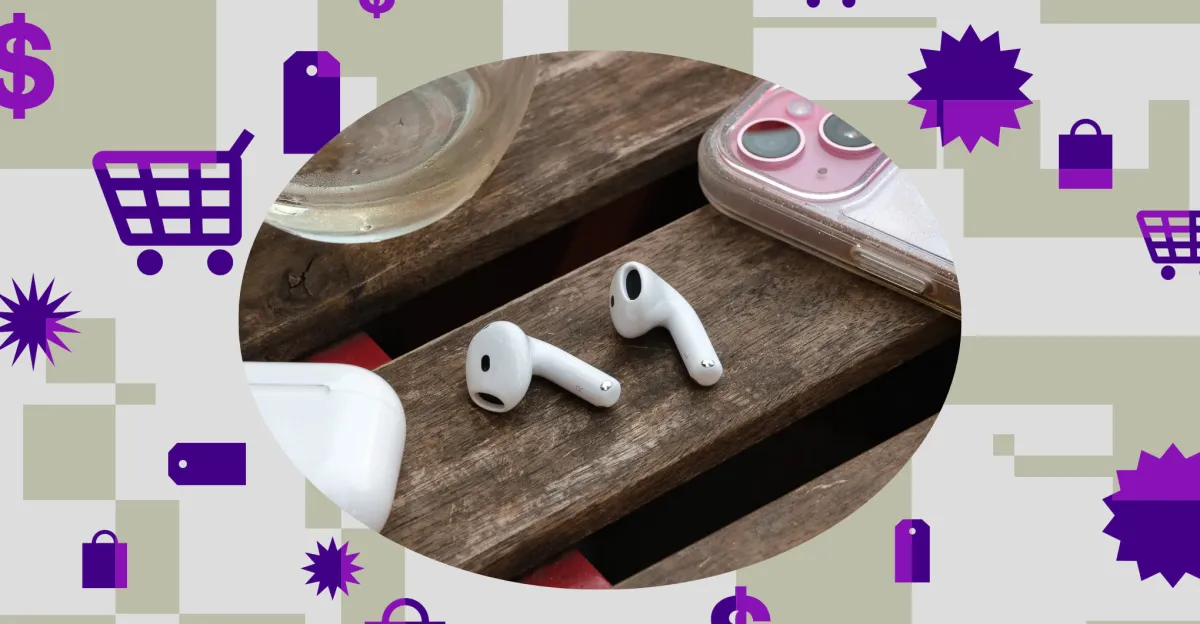
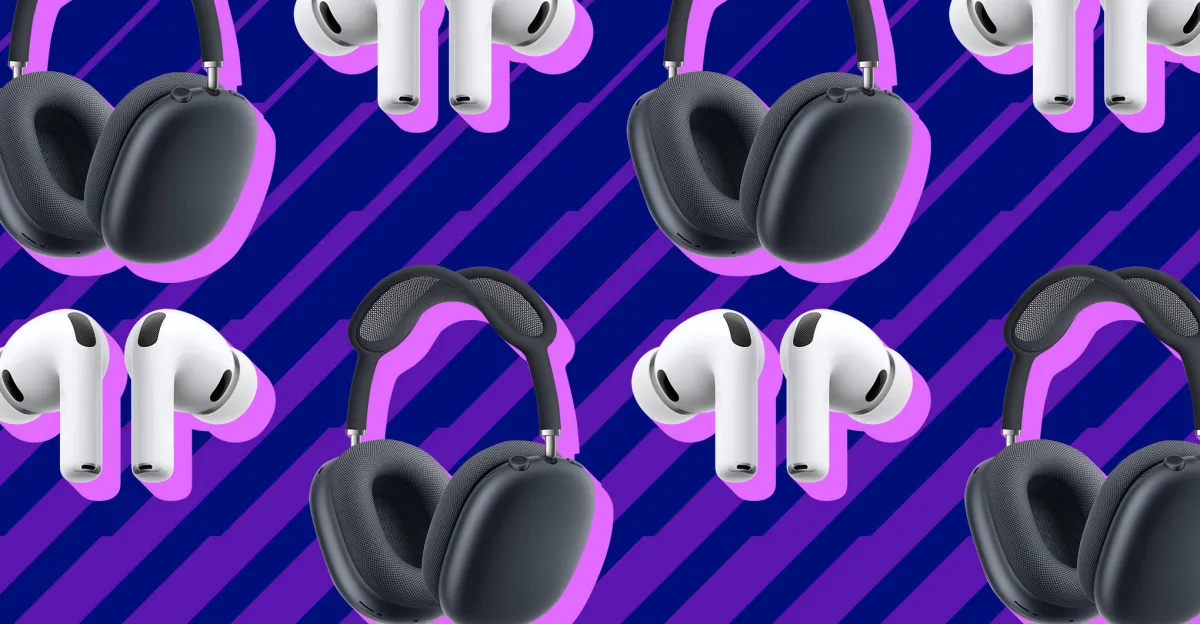
Top Deals Alert: AirPods 4 and Google’s 4K Streamer Lead the Week’s Hottest Tech Offers

Disruptive Innovation in Consumer Tech: A Look at the Latest Market Shifts

The rapidly evolving landscape of consumer electronics continues to be driven by constant innovation and strategic disruption. Industry giants like Apple and Google are pushing the boundaries of what technology can achieve, particularly in the realm of personal audio and smart home devices. The recent rollout of AirPods 4 with Active Noise Cancellation exemplifies this momentum, offering consumers compelling features that rival even the most premium models. At just $119 on sale—near historic lows—these earbuds are not just a product but a strategic move by Apple to dominate the mid-tier market and retain user lock-in within its ecosystem. The integration of features such as head-tracking spatial audio, automatic device switching, and live translation underscores Apple’s focus on ecosystem lock-in and user experience, which analysts from Gartner suggest will be the blueprint for future device development.

Meanwhile, Google’s Chromecast successor boldly advances the smart home and entertainment markets, supporting Dolby Vision and Dolby Atmos—features historically reserved for high-end setups. With a built-in Find My function for locating misplaced remotes and compatibility with Matter and Thread protocols, Google’s device signals a shift toward hub-centric smart home ecosystems. However, its reliance on Wi-Fi 5 highlights industry caution: technological lag could hinder fully seamless future integrations, especially as Wi-Fi 6 and 6E become standards. This strategic move hints at a broader industry pivot where disruption is not merely about adding features but about establishing ecosystems that control user behavior and data, echoing concerns raised by industry veterans like Elon Musk and Peter Thiel about technological stagnation and market dominance.

Amidst these technological leaps, content remains king. The return of popular series like Drops of God and Shrinking, along with the imminent premiere of Ted Lasso‘s latest season, illustrates how content curation and exclusive streaming services continue to influence consumer engagement and spending habits. As streaming platforms acquire exclusive content rights, industry analysts warn of evolving subscription fatigue—a scenario where consumers are overwhelmed by competing paywalls, potentially affecting the profitability and innovation strategies of media giants. This industry dynamic could lead to further consolidation or innovation in monetization models, which could complement or compete with the hardware ecosystem strategies by companies like Apple and Google.

Looking Forward: Innovation or Stagnation?

As these developments unfold, the industry stands at a pivotal crossroads. With disruption accelerating in both hardware and software, the firms that can innovate rapidly and embed themselves into daily life will command the future market. The integration of advanced features such as spatial audio, smart home hubs, and embedded AI translation marks a new phase of hyper-connected consumer environments. However, industry insiders warn that lagging behind on technological standards, like Wi-Fi 6, could impede full ecosystem potential. The challenge remains for manufacturers to balance innovation with rapid deployment, a factor that could shape market leaders for decades to come.

Indeed, the future belongs to those who not only innovate but also disrupt established paradigms. As critics and industry figures emphasize, “Tech advancement is a race, and the speed of adoption often determines market dominance”. For consumers and investors alike, staying ahead of this curve will require vigilant attention to evolving standards and strategic moves by tech giants. Disruption is relentless; the choice is clear: innovate boldly or risk being left behind in the wake of the next industry wave.

Top AirPods Picks for 2025: Gear Up for the Future

Apple’s Next-Generation Earbuds Push Industry Boundaries with Strategic Innovations

In a move poised to redefine the wireless audio industry, Apple is reportedly preparing to launch its latest iteration of earbuds, building on its tradition of disruption and ecosystem-centric innovation. According to recent reviews and industry leaks, these new earbuds are expected to incorporate a suite of advanced features that emphasize disruption in both hardware and ecosystem integration, with potential implications for competitors like Bose, Sony, and emerging tech giants—pushing the boundaries of what consumers now expect from wireless audio devices.

Key features under development suggest a focus on elevating sound quality, comfort, and ecosystem synergy, challenging established norms. Industry analysts from Gartner and institutions like MIT underscore the significance of innovation-driven product differentiation. The new earbuds are anticipated to boast

  • Enhanced active noise cancellation (ANC) capable of competing with premium models such as the AirPods Max
  • Extended battery life, promising up to 8 hours with ANC enabled
  • Improved ergonomic fit with adjustable foam-plus-silicone tips—including XXS sizes to cater to diverse ear shapes
  • Health and fitness features, notably a built-in heart rate sensor, positioning these earbuds as personal health trackers
  • Advanced ecosystem connectivity, including seamless integration with iOS, macOS, and Windows devices, along with sound-rich features like live translation and clinical-grade hearing aid support

Implications for Business and Industry Dynamics

The disruption extends beyond hardware to influence the broader market shift towards integrated, multi-functional wearable devices. As Elon Musk and Peter Thiel have emphasized, business innovation in tech hinges on ecosystem lock-in and user experience. Apple’s targeted enhancements threaten to widen its lead in the premium wireless earbuds segment, while incentivizing competitors to innovate or cede ground. The strategic introduction of tailored features—such as active health monitoring and immersive spatial audio—signal a future where earbuds serve as multifunctional health and entertainment hubs, disrupting traditional product categories.

Furthermore, the adoption of *new materials and form factors*—like foam-infused tips—highlight Apple’s push for premium comfort and better fit, addressing longstanding consumer pain points—especially for users who find tight ear tips uncomfortable. This focus on personalization and user-centered design is expected to escalate competition, compelling brands to invest in dual-purpose innovations that blendaudio excellence with health and lifestyle functionalities.

Conclusion: A Turbulent Future Demands Urgency

The upcoming launch signals a critical juncture in tech innovation, urging stakeholders across the industry to remain vigilant. As Apple continues to leverage its extensive ecosystem, the company’s new earbuds are set to redefine the standards for disruption, innovation, and ecosystem control. Industry observers warn that those slow to adapt risk obsolescence in an increasingly fast-paced market environment, where the integration of health, AI, and high-fidelity audio becomes the new battleground. For developers, manufacturers, and competitors alike, this is a stark reminder: The future belongs to rapid innovation rooted in a seamless ecosystem experience.

In an era characterized by relentless technological evolution, the race for supremacy in premium earbuds is more urgent than ever. With Apple’s strategic moves, the industry is likely to witness a cascade of disruptive innovations that will shape consumer habits and corporate strategies alike for years to come.

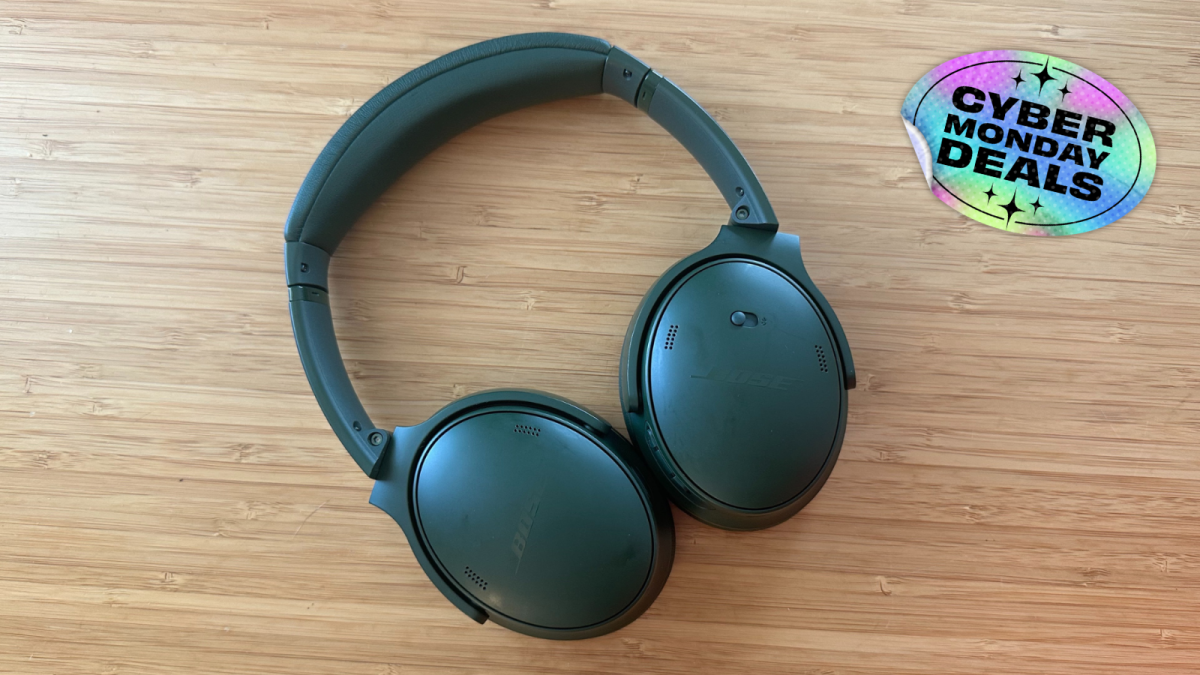
Bose ANC Headphones Drop $39 for Cyber Monday—Score the Deal Before It’s Gone!

The Rise of Cyber Monday Tech Deals and Their Cultural Relevance

As the digital shift accelerates, Cyber Monday has solidified its position as the premier annual event for tech enthusiasts and young consumers eager to score premium gadgets at a fraction of their original prices. This year’s sales, such as the Bose QuietComfort headphones slashed to just $159.99 from a hefty $359, exemplify a broader cultural shift — where value-driven purchasing converges with the desire for modern lifestyle upgrades. Consumers, especially youths who are increasingly plugged into online shopping and social media trends, view these deals not just as discounts but as symbols of living the high-tech, fashionable lifestyle.

From influencers to sociologists, the emphasis has shifted from merely acquiring gadgets to embracing a social identity anchored in *tech-savviness* and *consumer confidence*. Major social media personalities have spotlighted these deals, transforming humble flash sales into cultural milestones. Content creators showcase their shopping hauls, turning these sales into viral phenomena that reinforce a *social construct* where affordability and access to advanced technology are seen as markers of status. The phenomenon fuels a *collective social narrative*: that to stay relevant and connected in the digital age, young individuals must seize these opportunities to invest in their personal and social assets.

Moreover, the social relevance of this trend is evident in the way it redefines traditional notions of consumerism. What once was a simple shopping spree has evolved into a socio-cultural movement—emphasizing self-optimization and digital immersion. Experts argue that the proliferation of these deals echoes a larger societal shift: technology as an extension of identity. As sociologist Dr. Emily Carter notes, “Today’s youth are shaping a new consumer culture where **accessibility to premium tech** correlates directly with social acceptance and self-expression.” This, in turn, influences how brands marketing these deals tailor their campaigns, crafting narratives that position their products as essentials for *the modern, connected life*.

But amid this frenzy of shopping and social validation, the next question looms: as technology becomes even more embedded in our daily lives and social identities, will this culture of instant gratification and deal-hunting foster a lasting appreciation for quality, or will it perpetuate a cycle of fleeting trends? With studies already indicating that younger consumers are making more impulsive purchases online, the crucial challenge will be understanding whether these widespread sales figures translate to genuine long-term engagement with technology or if they merely signal a short-lived brand obsession. As the trend continues to develop, one thing is certain: in the quest for the next viral deal, future generations are reimagining not just what they buy but how they define themselves in an increasingly digital world.

Epic Cyber Monday Deals on Bose, Sony, and Apple Headphones—Don’t Miss Out!

Tech Industry Disruption Accelerates with Groundbreaking Trends in Consumer Audio

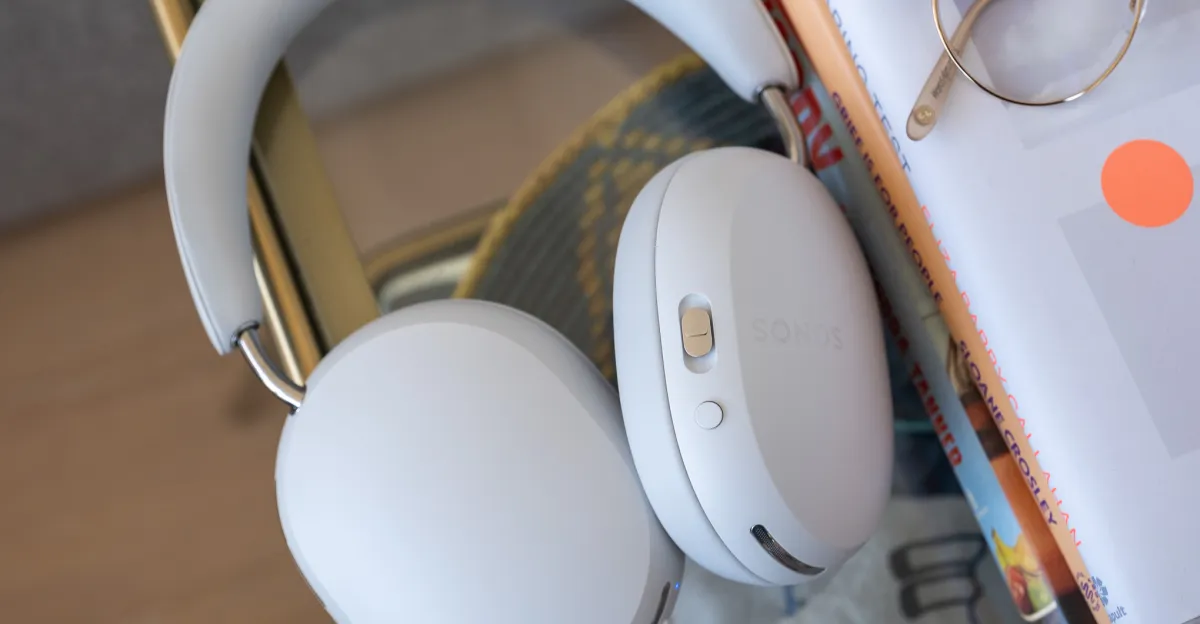
The consumer electronics landscape is witnessing a seismic shift, driven by technological innovation and business disruption that threaten to redefine market dynamics. Established giants such as Apple, Sony, Bose, and Sonos are capitalizing on a unique window of opportunity, offering their flagship headphone and earbuds models at historically low prices. This strategic move not only boosts revenue in the short term but aims to capture greater market share in a highly competitive segment that is rapidly evolving towards personalized, immersive audio experiences.

Amidst the current price slashes—most notably on models like Apple’s AirPods Pro 3 and the last-gen Bose QuietComfort headphones—industry analysts from Gartner and MIT suggest that the next wave of disruption will hinge on innovative sound technologies and integration with emerging AI ecosystems. This momentum signals a broader market shift, where traditional audio devices are increasingly becoming gateways to larger tech ecosystems, including voice assistants, health tracking, and augmented reality. As Peter Thiel has often emphasized, the secret to sustained market dominance lies in relentless innovation, a principle now manifesting in the evolution of consumer audio.

  • Enhanced suppression of ambient noise with adaptive algorithms
  • Seamless integrations with smart home and wearable technologies
  • Advanced personalization via AI-driven sound profiles

The business implications are profound. Companies that adapt swiftly to these innovations, fostering competitive advantages such as *disruption-proof ecosystems* and *superior user experience*, will set the pace for the industry’s future. Furthermore, the recent surge in more generous return policies signifies market confidence and a strategic move to build brand loyalty among a younger, tech-savvy demographic eager for premium experiences at accessible prices. This shift highlights a growing trend—consumers are not just buying devices; they’re investing in holistic digital ecosystems.

From an innovation standpoint, the convergence of AI, machine learning, and voice recognition technologies is laying the groundwork for a new era of disruptive products. Companies are investing heavily in hardware-software integration, aiming to deliver personalized soundscapes, adaptive noise cancellation, and intuitive user interfaces that anticipate user needs. The emergence of affordable yet highly capable models, such as Nothing Phone Ear (a), reflects a savvy strategy targeting mass market penetration while maintaining technological prestige. This democratization of premium experiences foreshadows an era where advanced audio tech becomes a baseline standard, much like smartphones have become.

Looking ahead, industry leaders and innovators must navigate a landscape marked by rapid technological change and fierce competition. As Elon Musk advocates for relentless innovation and Peter Thiel underscores the importance of monopoly-driven tech markets, it’s clear that those who lead in disruption and innovation will shape the future of how humans interact with technology. The next decade promises a battlefield where audio becomes the frontier of a broader digital revolution—one that demands urgency, strategic vision, and unwavering commitment to cutting-edge development. For the youth and entrepreneurs eager to stake their claim, this is an unprecedented moment to harness the power of disruptive innovation and redefine the boundaries of what’s possible.

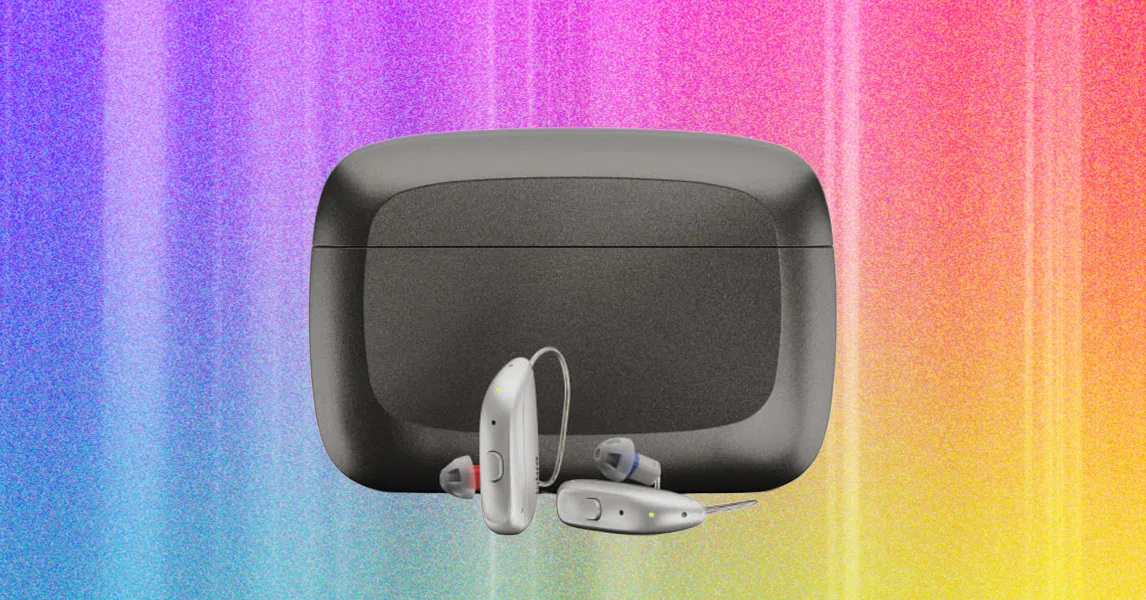
Top OTC Hearing Aids of 2025: Tested, Trusted, Ready for Action

The rapid evolution of hearing aid technology is disrupting the traditionally conservative healthcare industry, signaling a new era driven by innovation and greater accessibility. The 2022 FDA approval of over-the-counter (OTC) hearing aids marked a pivotal change, democratizing access to auditory assistance and challenging entrenched prescription-based models. Industry analysts, including Gartner and MIT researchers, emphasize that this shift could potentially multiply the market size by breaking down longstanding barriers such as cost and availability, ultimately fostering competition and innovation in the wearable tech space.

Unlike prescription hearing aids, which require extensive audiological testing and personalized fitting, OTC devices are designed for broad use, leveraging app-based self-fitting technologies. This democratization of hearing aid access is not without skepticism — critics from the medical community warn against a one-size-fits-all approach, considering that serious cases of hearing impairment still demand tailored, clinically-driven solutions. Nevertheless, companies like Jabra and Apple, with their recent launches of products like Jabra Enhance Select 300 and AirPods Pro 3, exemplify how industry giants are rapidly integrating disruptive features such as Bluetooth streaming, AI-driven sound calibration, and sleek form factors, creating a cornered market for youthful consumers eager for seamless, multifunctional wearables.

  • Innovation Milestones: Integration of smart features, self-fitting apps, improved sound quality, and discreet designs
  • Business Implications: Expanding consumer base, reduction in entry barriers, and acceleration of R&D investments
  • Market Risks: Consumer safety concerns, regulatory challenges, and the need for industry standards

Experts like Elon Musk and Peter Thiel have long spoken about disruption as a catalyst for growth, and this trend applies vividly here. The entry of tech giants into the hearing aids market indicates a broader movement: wearable health tech is becoming as ubiquitous and essential as smartphones. As Gartner forecasts, the market for smart, connected hearing devices could grow exponentially, driven by innovations in AI, machine learning, and digital health ecosystems. This convergence of technology and healthcare could redefine how industry leaders view competitive advantage, emphasizing agility and user-centric design over traditional clinical fidelity.

However, this rapid innovation also comes with risks and calls for urgent regulatory adaptation. The industry must balance disruption with consumer safety, ensuring new products meet rigorous standards without stifling the nimbleness that startups and giants alike have demonstrated. As the market evolves, companies that can quickly innovate, provide value-driven solutions, and address unmet needs will dominate the landscape. The next two years promise a battleground of technological breakthroughs and strategic moves, emphasizing the necessity for enterprises to act swiftly. For youth-oriented audiences and startups, this trajectory presents unprecedented opportunities to leverage emerging AI, connectivity, and user experience advancements — setting the stage for the next wave of asistive technology that could profoundly impact millions worldwide.

Social Media Auto Publish Powered By : XYZScripts.com