Matox News

Truth Over Trends, always!

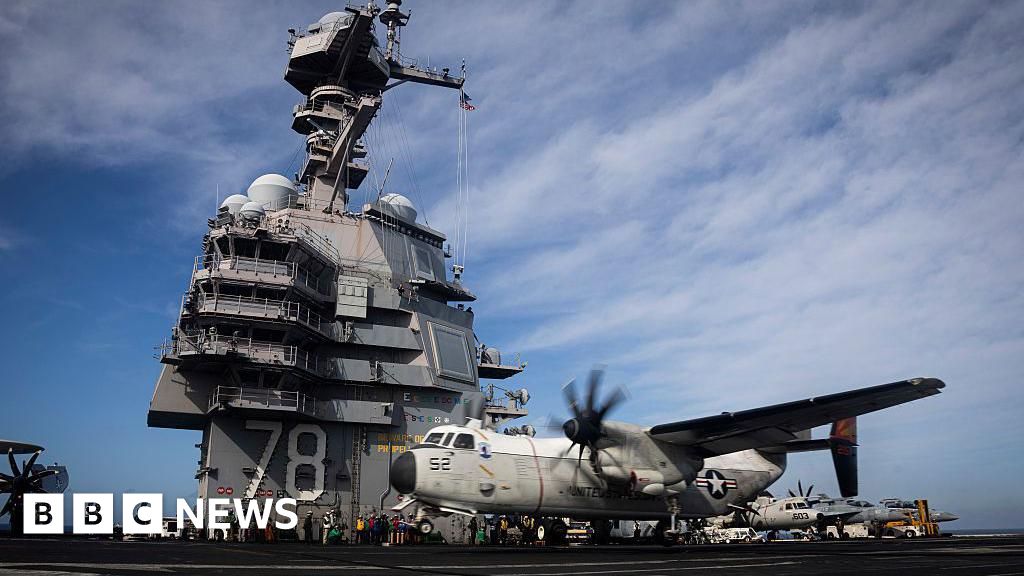
US Carrier Group Heads to Latin America, Strengthening Regional Presence

The recent deployment of a formidable US naval strike force to the Caribbean signals a significant escalation of America’s military posture in Latin America. Led by the USS Gerald R Ford, the world’s most advanced aircraft carrier, this deployment underscores Washington’s commitment to asserting its dominance in a region increasingly targeted by both illegal trafficking and political crises. The inclusion of guided-missile destroyers and a nuclear submarine among other vessels marks the largest US military presence in Latin America in decades, signaling a strategic pivot that many analysts argue is designed to control regional instability and assert influence amidst rising geopolitical competition.

According to Pentagon officials, this deployment aims to bolster capabilities to “detect, monitor, and disrupt illicit activities,” specifically targeting narcotics trafficking networks and criminal enterprises. However, critics and international observers warn that these operations are more than mere anti-drug initiatives; they are part of broader efforts to contain and influence the political landscape of the region, particularly in Venezuela and Colombia. Venezuelan President Nicolas Maduro and his government have long accused the US of attempting to provoke regime change under the guise of fighting crime, labeling US actions as “fabricated crises” meant to destabilize their socialist government. Such accusations highlight how military maneuvers are often intertwined with political motives, affecting the stability and sovereignty of regional nations.

Indeed, this intensified military presence comes at a time of heightened tension and ongoing conflicts. The US has conducted at least 19 strikes against alleged drug boats in the Caribbean and eastern Pacific, killing over 76 individuals. While the Trump administration defended these as necessary actions to prevent drug flow into the United States, many regional leaders and human rights groups have raised alarms over possible violations of human rights and due process. The escalation has also strained relations with Colombia and Venezuela, where governments have voiced concern over sovereignty infringements and the potential for these actions to provoke broader regional destabilization. Such developments are carefully scrutinized by historians and international bodies, who warn that unchecked military escalation risks igniting conflicts that could spiral beyond diplomatic control.

Some analysts suggest that these demonstrations of force are not just about regional security but also part of how international powers shift influence amidst a changing global order. The deployment coincides with rising power competition involving China and Russia, both of whom are expanding their footholds across Latin America. This move by the US can be viewed as an attempt to reassert dominance and contain the growing influence of rival powers in a strategic corridor vital for maritime trade and regional stability. History teaches us that such military gamesmanship often precedes larger conflicts or systemic shifts, with the region serving as a critical battlefield for influence between major global actors.

As the international community watches with cautious concern, the true impact of this military build-up remains uncertain. The coming weeks and months will reveal whether these show-of-force tactics will stabilize or exacerbate the ongoing crises across Latin America. The weight of history presses heavily on today’s decisions, with the specter of future conflict hanging in the balance. As the world’s eyes remain fixed on the Caribbean and beyond, one thing is clear: the unfolding geopolitical chess match is shaping the future of nations and societies, potentially rewriting the regional order for generations to come.
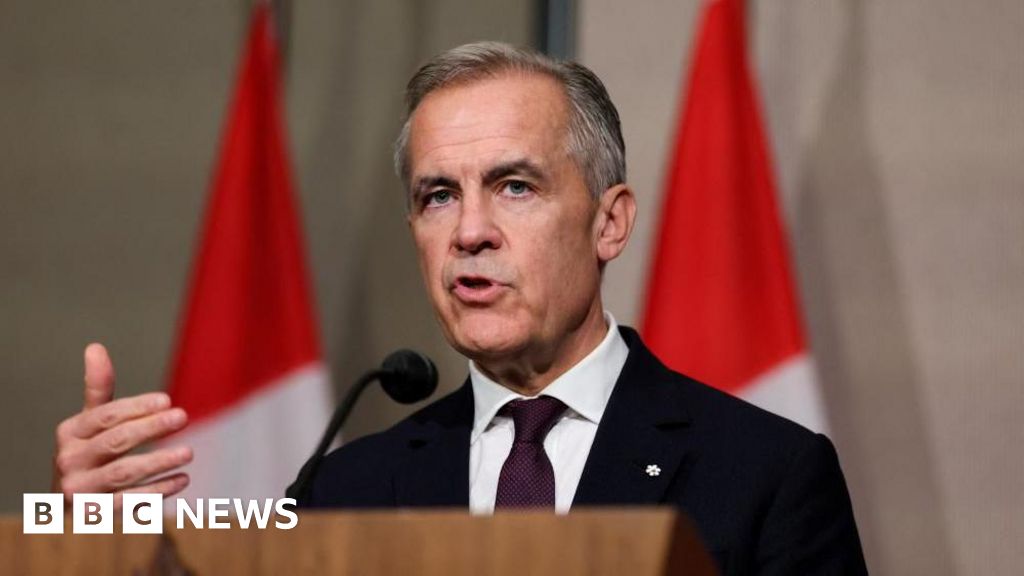
Canada’s Prime Minister Carney heads to China to meet Xi Jinping—a new chapter begins

Canada Eyes New Alliances as China and U.S. Trade Tensions Escalate

In a move that signals a significant shift in its diplomatic calculus, Canada has accepted an invitation to meet with President Xi Jinping. This diplomatic overture, announced after Prime Minister Mark Carney and Xi’s brief 40-minute discussion during the Asia-Pacific Economic Cooperation (APEC) summit, marks a “turning point” in the historically complex relationship between Ottawa and Beijing. The timing is critical: with escalating tensions emanating from ongoing trade disputes and geopolitical row, Canada’s engagement with China underscores a strategic recalibration that could reshape its international alliances.

Since 2018, relations between Canada and China have spiraled downward, culminating in a diplomatic crisis that saw Beijing arrest two Canadian citizens—Michael Spavor and Michael Kovrig—on espionage charges. Their detention closely followed the arrest of Huawei’s CFO, Meng Wanzhou, in Canada at the behest of U.S. authorities; a move that some analysts argue was a tit-for-tat diplomacy that underscored the fragile state of global diplomatic decorum. Despite their eventual release in 2021, tensions persisted, mounting further as Beijing imposed tariffs on vital Canadian exports like canola, while Canadian retaliatory tariffs targeted Chinese electric vehicles and other sectors. The period has thus evidenced what many call a “two-front trade war,” impacting Canadian farmers, especially in Western provinces, and threatening economic stability in sectors vital to national livelihoods.

The geopolitical impact of Canada pivoting towards China and other major economies is profound. As Analysts warn, this strategic move could serve as a blueprint for other Western nations disenchanted with the kinetic and economic warfare of the U.S.-China rivalry, amplifying the contest for influence in the Indo-Pacific and beyond. Decisions to deepen ties with Asian economic giants coincide with American efforts to tighten its grip on Canadian trade, evident in the recent tariff hikes and diplomatic freezes imposed by Washington, notably after the suspension of trade negotiations triggered by a controversial advertisement by Ontario’s Premier. This turns Canada’s international stance into a high-stakes chessboard, where its ability to navigate between the world’s two largest powers will determine its economic standing for decades to come.

Building on recent turning points, China has publicly expressed a willingness to work with Canada, seeking to “push relations back onto a healthy, stable, and sustainable track.” However, the shadows of the past—foreign interference accusations, trade sanctions, and geopolitical confrontations—loom large. Historians and international watchdogs contend that these diplomatic disputes reflect broader strategies, where entrenched national interests often clash beneath diplomatic veneer. The United Nations and major think tanks have warned that such multipolar tensions threaten the stability of global markets, emphasizing that the outcome hinges on the will and wisdom of leaders to prioritize peace over rivalry. Yet, as history illustrates time and again, the sands of international stability are shifting, and the decisions made today will resonate long into the future—when the fog of diplomacy finally clears and history either judges this moment as a smart realignment or a costly misstep.

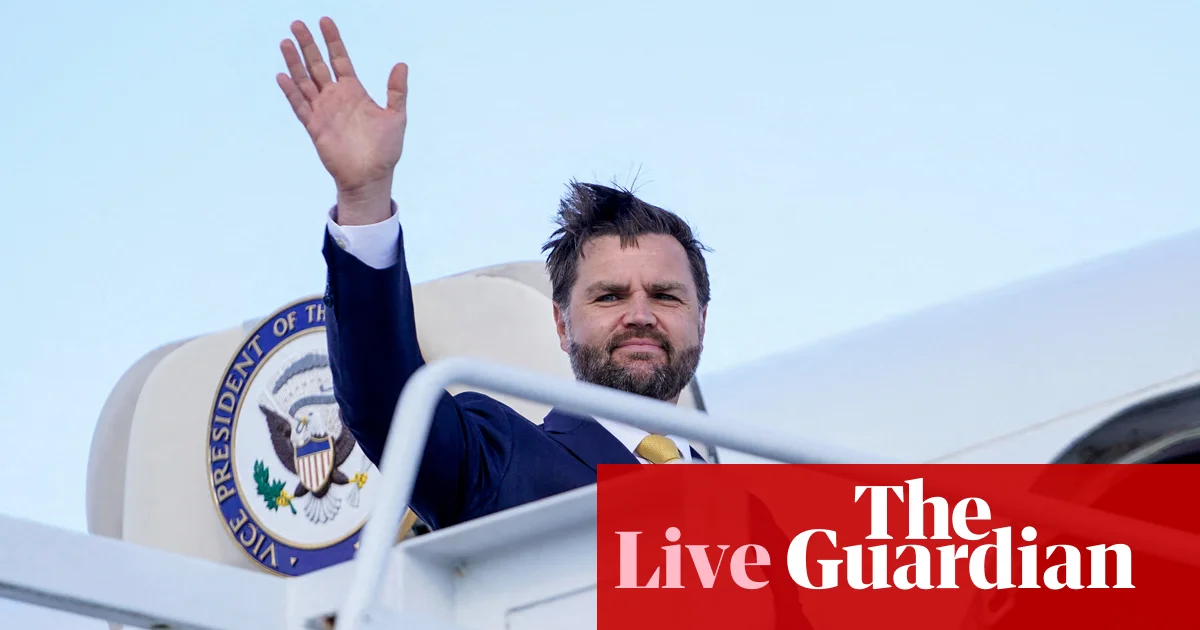
Gaza Ceasefire Update: JD Vance Heads to Israel as Another Hostage Is Recovered

International Tensions Rise as Israel and Gaza Maintain Fragile Ceasefire Amid Diplomatic Maneuvering

The ongoing conflict between Israel and Hamas has reached a precarious new phase, marked not only by battlefield developments but by an intense diplomatic effort from global powers seeking to stabilize what many describe as a deeply fragile ceasefire. After intense fighting that resulted in over 1,200 deaths and hundreds of hostages captured in October 2023, recent developments indicate that international actors are closely watching each move, understanding the significance of every diplomatic shift in this volatile arena. Yet, despite efforts to uphold peace, underlying tensions remain palpable, with the specter of renewed violence never far from the surface.

The situation intensified when *Israel* announced the successful identification of the remains of Sgt. Major Tal Chaimi, one of the hostages captured during the Hamas-led attacks. The Israeli Prime Minister’s office confirmed that the body, returned from Gaza, was definitively identified. Chaimi was a commander of the Nir Yitzhak kibbutz defense militia and was killed defending his community in the October assault that left approximately 1,200 Israelis dead and 251 taken hostage. His return—along with the remains of other victims—symbolizes an important, yet delicate, step forward in the ongoing negotiations mediated by international players. Meanwhile, Israel remains wary about the ongoing efforts, accusing Hamas of insincerity and insufficient effort in repatriating the remaining 15 bodies of hostages. The Palestinian militant group maintains that *war damage and military restrictions* imposed by Israel hinder their ability to locate all the deceased, underscoring the deep-rooted mistrust fueling the conflict.

Global Diplomacy in the Crossfire: The U.S. and Regional Mediation Efforts

Amidst the tension, the United States has re-entered the scene with high-profile diplomatic initiatives. *US* Vice-president JD Vance is scheduled to visit Israel, a sign that Washington continues to prioritize its role in facilitating negotiations and maintaining the still-vulnerable ceasefire. In a recent speech, Israeli Prime Minister Benjamin Netanyahu outlined America’s ongoing efforts, emphasizing that discussions would focus on *security challenges and diplomatic opportunities*. This cautious rhetoric reflects the broader international anxiety about the potential for either side to trigger a renewed cycle of violence. Alongside U.S. diplomacy, Egyptian, Qatari, and Turkish mediators have been engaged in Cairo, attempting to shepherd a second phase of the Trump-era plan that includes *Israeli troop withdrawals* and *Hamas disarmament*, a proposal met with serious reservations from the militant group. Historians and analysts warn that without genuine cooperation, these negotiations could swiftly unravel, plunging the strip into further chaos.

Furthermore, *Hamas* officials attribute delays to the war’s devastation and Israeli military control over parts of Gaza, complicating efforts to recover all hostages’ bodies. As international mediators call for increased effort and transparency, the escalating warfare—marked recently by Israeli airstrikes and threats of aid cessation—raises alarms about the peace process’s sustainability. The U.N. and various NGOs watch anxiously, emphasizing the humanitarian crisis unfolding in Gaza, with little clarity on aid flows amid ongoing hostilities.

The Broader Geopolitical Landscape and Future Outlook

This ongoing scenario underscores the geopolitical impact of a conflict that has long threatened regional stability. *Israel*’s strategic calculations continue to be influenced by internal security concerns, regional alliances, and external pressures from global superpowers. Meanwhile, *Hamas* remains resolute, refusing to disarm unless their demands—including Israeli troop withdrawals and political concessions—are met. International organizations such as the United Nations and analysts from think tanks warn that these negotiations are often fragile, with the potential for missteps that could ignite full-scale war or ignite wider regional conflicts.

As diplomatic efforts unfold behind closed doors, the weight of history bears down on the region. The recent return of a single hostage’s remains and the limited progress in hostage negotiations serve as stark reminders of the delicate balance between peace and chaos—where a single miscalculation could ignite the next chapter of violent instability. The world watches as acts of diplomacy intertwine with the shadows of war, forever uncertain of how this story, still being written, will end. History is watching, and tomorrow’s decisions will dictate whether the strain in Gaza finally breaks—and what the aftermath will mean for the global order.

East Coast heads for heat surge following Western Australia’s record October temperatures

The recent surge of unprecedented October heat across Australia highlights the growing severity of climate change and its disruptive impact on global weather patterns. Meteorologists report that record-breaking temperatures are sweeping through states like South Australia, Queensland, and New South Wales, with Sydney and Brisbane facing high 30s—signaling a dangerous escalation in extreme weather events. According to Dean Narramore, senior meteorologist at the Bureau of Meteorology, the conditions represent “a very big day of weather,” with the potential for widespread record-breaking heat and destructive thunderstorms. These developments are not isolated anomalies but are consistent with a disturbing trend of rising temperatures—Australia’s land surface having warmed by 1.5°C since 1910, a trajectory that international climate experts warn could lead to even more catastrophic events in the future.

Over the weekend, the thermometer soared to alarming levels in Western Australia and South Australia, with locations like Telfer reaching a scorching 44.3°C. These temperatures are not only startling in isolation but serve as grim indicators of how climate crises exacerbate the severity and frequency of forest fires, heatwaves, and severe thunderstorms. As analysts from various international organizations emphasize, such extreme weather events threaten not only the environment but also the safety and socio-economic stability of nations. Experts warn that many regions could see temperatures between 10 to 16°C above normal, with some areas potentially exceeding 18°C—an indication that the resilience of societies will be tested as never before. The increasing frequency of these events underscores a stark reality: decisive global action on climate change is no longer optional but an urgent necessity.

The geopolitical impact of these climate-induced shocks is profound. Australian authorities are signaling a worsening fire danger, with models forecasting “extreme fire dangers” across multiple states, including parts of metropolitan Sydney and regional Queensland. Historically, such conditions have led to devastating wildfires, which displace communities, destroy ecosystems, and strain emergency services. This pattern is a stark reminder to international observers that climate change is no longer an abstract threat—it’s an immediate crisis capable of destabilizing entire regions. The significance extends beyond Australia; as global climate systems become increasingly volatile, nations must confront the reality that unchecked emissions contribute to a world where extreme weather is the new normal. International commentary concurs that geopolitics will increasingly revolve around climate resilience, resource management, and adaptation strategies.

As the weather worsens, the bleak horizon of climate diplomacy looms large. Critics argue that successive United Nations climate accords have failed to deliver meaningful reductions in greenhouse gases, thus amplifying the frequency of such catastrophic events. Some analysts suggest that the world is entering a new era—“where weather becomes the battleground for global power and stability.” This phrase encapsulates the notion that nations with the capacity for resilience and adaptation may gain an advantage, while others buckle under the weight of climate-induced turmoil. Historian and climate analyst Dr. Helen Roberts warns that the current trajectory risks a future where society’s most vulnerable face the brunt of environmental chaos—adversely impacting social cohesion and economic security. As the nations of the world continue to grapple with these unfolding realities, one thing remains clear: the clock is ticking, and the pages of history await the decisive chapters that will determine humanity’s fate amid the dawn of a new climate epoch.

Trump declares 'war is over' in Gaza as he heads to Israel for hostage release
Trump declares ‘war is over’ in Gaza as he heads to Israel for hostage release

Global Power Dynamics Shift as Gaza Ceasefire and International Summit Unfold

The recent ceasefire agreement in Gaza, brokered through a 20-point peace plan spearheaded by former US President Donald Trump, marks a significant juncture in the ongoing Middle East crisis. As President Trump travels across the region, he publicly declares “the war is over,” signaling a potential turning point in decades of conflict. This declaration follows nearly a month of relentless violence that culminated in approximately 1,200 Israeli casualties and over 67,000 Palestinian deaths, according to Palestinian health authorities. The intense escalation was ignited by Hamas-led attacks on southern Israel on October 7, 2023, setting off a military response that has reshaped global geopolitical alignments.

The ceasefire, while a tentative step toward peace, is underpinned by complex negotiations on the next phases, including governance of Gaza and the disarmament of Hamas. Key agreements involve the release of hostages and detainees—twenty of the Israeli captives are believed to be alive, with Hamas also committing to deliver the remains of up to 28 deceased hostages. International observers warn that such agreements do not resolve the underlying issues but merely set the stage for delicate negotiations that could determine the fate of millions. Analysts emphasize that the decision to implement aid flows into Gaza—a critical humanitarian concern—remains contentious, with Israel emphasizing that aid deliveries are contingent on the return of hostages and the disarming of Hamas. How these decisions are executed in the coming days will have profound consequences for regional stability and international diplomacy.

At the same time, Egypt’s President Abdel Fattah al-Sisi is convening a pivotal international summit in Sharm El-Sheikh, where leaders from over 20 nations, including UK Prime Minister Sir Keir Starmer and Palestinian President Mahmoud Abbas, are set to assemble. This gathering aims to formalize a path toward ending the conflict, with a proposed document purportedly “ending the war in Gaza.” Notably, Iran’s absence at the table—citing grievances over alleged attacks on its people—raises questions about the unity and effectiveness of regional solidarity. Historians and geopolitical analysts have long warned that such diplomatic efforts are precarious, often countered by entrenched rivalries and external influences, making true peace elusive and temporary.

The geopolitical impact of these decisions resonates beyond the immediate conflict zone. Nations like the United States and Egypt are positioning themselves as arbiters of peace, implicitly countering regional adversaries such as Iran. Meanwhile, internal discord persists within Gaza, where residents describe devastation and a rising tide of internal violence, reflecting a fragile societal fabric scarred by warfare. Aid efforts, hampered by logistical and political barriers, remain insufficient amid widespread destruction and humanitarian crises. The unfolding scenario underscores that the history of the Middle East continues to be written with the bloodshed of its people and the strategic calculations of global powers, all vying for influence in a region where every decision can ignite or extinguish hopes for lasting peace.

As the world watches, the weight of history hangs heavy—a fragile ceasefire and international summit still mere chapters in an ongoing saga, with the potential to either forge a new era of diplomacy or plunge the region back into chaos. The coming days will reveal whether this fleeting moment of hope can withstand the forces that have long defined the Middle East’s tumultuous saga, or if the shadows of unresolved hatred and geopolitics will once again cast darkness over its future.

Gaza Ceasefire Live: Israeli Hostages to Be Freed Amid Trump’s Bold Call for 'War's End' — Trump Heads to Middle East
Gaza Ceasefire Live: Israeli Hostages to Be Freed Amid Trump’s Bold Call for ‘War’s End’ — Trump Heads to Middle East

The recent developments surrounding the ceasefire agreement in Gaza mark a pivotal moment on the international stage, poised to reshape the geopolitics of the Middle East. With mediating nations set to sign a binding guarantee in Egypt during an unprecedented summit, the world watches as several key players attempt to forge a fragile path toward peace amid ongoing conflict. Notably, the countries involved—namely the US, Egypt, Qatar, and likely Turkey—highlight the collective effort to stabilize a region historically plagued by instability. This diplomatic choreography underscores the significance of international cooperation, especially as all eyes are now fixed on how these decisions will influence societal shifts across affected nations.

At the heart of the diplomatic surge lies the unfolding drama in Israel, where Prime Minister Benjamin Netanyahu has publicly acknowledged the delicate hope for a new beginning. Yet, underlying this outward optimism are warnings from analysts and historians who caution about the entrenched security challenges that persist. As the ceasefire holds, experts warn that the campaign against militant factions remains far from over. Meanwhile, Donald Trump has left the US for the Middle East, claiming “the war is over” as he boards Air Force One to address the Knesset, further emphasizing U.S. involvement—an intervention that has historically influenced the balance of power in the region for decades. Such moves inevitably stir debates about external influence and sovereignty, affecting societal perceptions worldwide about interventionism, national security, and the prospects of lasting peace.

The human toll of this ongoing conflict remains staggering, with the Gaza health ministry reporting at least 67,806 Palestinians killed and over 170,000 injured since October 2023. The civilian casualties, many of whom are women and children, spotlight the devastating human cost that fuels global concern and complicates diplomatic negotiations. Meanwhile, aid agencies are rushing supplies into Gaza, in line with the ceasefire terms, to quell the humanitarian crisis. But the real geopolitical impact extends beyond immediate relief—these humanitarian efforts are often intertwined with political agendas, influencing international perceptions and, potentially, future resolutions. As Palestinians return to Gaza City amidst widespread destruction, the societal fabric of the region faces a long road toward rehabilitation and reconciliation, with each political act echoing through the battered streets and shattered lives.

In this complex tableau of diplomacy and warfare, the forthcoming peace summit in Sharm el-Sheikh becomes more than just a meeting—it is a defining moment that could pivot the entire narrative of the Middle East. Attended by leaders from more than 20 countries, it aims to seal a lasting ceasefire and set the stage for rebuilding. Yet, skepticism persists among analysts who observe that, historically, such summits often fall short of their lofty promises. As the region waits, and societies brace for uncertainties ahead, the unfolding story remains a testament to the perilous dance of diplomacy, the persistent shadows of conflict, and the weight of history that will decide whether this chapter marks a true turning point or a temporary pause on an unresolved crisis. The struggle for peace, after all, is a marathon—not a sprint—and the world must remain vigilant as history continues to unfold its decisive final acts.

Trump heads to Walter Reed for his second routine checkup of the year

In a move that underscores the enduring importance of American leadership stability, President Donald Trump, the oldest person to assume the office of US President, is set to visit the Walter Reed National Military Medical Center for what was described as a “routine yearly check-up.” While American media portray this visit as simply a health assessment, the broader geopolitical implications are undeniable. The health and mental fitness of a leader who commands the world’s most powerful military and economic apparatus directly impact global stability. As Washington continues its strategic moves on the international chessboard, particularly in volatile regions like the Middle East, it remains crucial for allies and adversaries alike to scrutinize the well-being of their leaders, knowing that their decisions can potentially reshape the course of history.

Historically, health crises in leading nations have often precipitated shifts in foreign policy and global influence. Critics and analysts point out that, despite affirmations from the White House regarding Trump’s physical and mental fitness, concerns persist surrounding his recent health reports. Diagnosed with chronic venous insufficiency—an ailment common among older adults—Trump’s health issues have been the subject of speculation fueled by brief visible ailments, such as bruises and swelling. The anxieties are compounded by a pattern of erratic public appearances and unofficial rumors, some suggesting that the former president might be concealing more serious health complications. Historian Dr. Mark Johnson emphasizes that, “such concerns, whether justified or exaggerated, tend to influence political stability, especially during times of international tension.” The silence from the White House only adds an element of uncertainty, amplifying fears about how health vulnerabilities can impact decision-making at critical junctures.

Following this health check, Trump’s consideration of a diplomatic trip to the Middle East signals a strategic pivot amid ongoing conflicts. The president’s intention to engage with the region—potentially to broker peace or influence regional dynamics—comes at a sensitive period. Since his April physical exam, which declared him fully fit to execute presidential duties, the geopolitical landscape has continued its volatile course, with Gaza remaining a flashpoint. The possibility of Trump’s involvement in diplomatic negotiations could have profound effects, especially given his unconventional approach to foreign policy. Such a move might challenge existing alliances, recalibrate regional balances of power, and influence future international negotiations. Analysts warn, however, that leadership health issues can undermine the credibility of a president’s diplomatic efforts, and the world watches closely amidst the shadow of potential instability.

In this unfolding chapter of history, the intersections of personal health, domestic politics, and international diplomacy underscore a pivotal lesson: the fragility of leadership in an increasingly complex global arena. As America navigates its strategic interests, the state of its leadership remains a central question. Will the currents of history flow toward stability or chaos? The weight of this moment is heavy, and the future remains uncertain. In the shadows of the White House and across the battlefields of geopolitics, one thing persists—the world’s watchful gaze on the ever-looming presence of history in the making.

Russian woman living in Karnataka cave with kids finally heads back home

Russia recently witnessed a peculiar chapter in its ongoing saga of international migration and human rights complexities, when Nina Kutina, a woman who gained global attention after her discovery living in a cave in India with her young daughters, was finally repatriated. Her case isn’t merely a story of survival; it underscores the broader geopolitical and societal implications surrounding urban migration, refugee management, and international legal responsibilities. While her situation initially drew media focus on her remarkable living conditions—residing in a remote, leaky cave—the geopolitical ramifications resonate far beyond personal hardship, affecting global diplomacy, legal protocols, and the perception of border sovereignty.

India continues to grapple with this complex incident involving Kutina and her children, as the courts navigated the delicate balance between humanitarian intervention and international legal obligations. According to reports, the High Court of Karnataka instructed the federal government to facilitate the return of the woman and her daughters to Russia, citing their lack of valid documents and the need for lawful repatriation. This legal action highlights how international treaties such as the United Nations Convention on the Rights of the Child are interpreted and applied differently across the world, especially in cases involving undocumented migrants or those who have deliberately chosen isolated lives over urban society. Analysts suggest that this case could be a precedent for how third countries respond to unusual migrant situations, especially when they cross into territory of strategic interest.

Yet, beneath the surface, the incident has exposed the underlying tension regarding sovereignty, human trafficking, and the right to self-determination. The woman’s claim of living in caves — and her subsequent rescue — prompted officials to question her motives and the factors driving her drastic choice of refuge. Her lawyer in India, Beena PK, invoked India’s commitment to international conventions to argue against immediate deportation. Conversely, government officials and legal experts pointed to her expressed desire to return to Russia, noting the importance of respecting individual sovereignty and legal extradition protocols. The decision to facilitate her repatriation—amid debates about her motives and well-being—serves as a microcosm of the ongoing global struggle to balance humanitarian concerns with national security and legal sovereignty.

This incident is emblematic of the broader geopolitical impact—highlighting how individual human stories are intertwined with larger international power plays. Navigating the pathways of migration, refuges, or illegal stays often leads to diplomatic tensions, especially when political alliances, legal frameworks, and societal narratives intersect. International organizations like INTERPOL and the United Nations continue to emphasize the importance of protecting human rights, yet their guidelines are frequently tested in such unpredictable scenarios. Historians note that in an era where borders are both vital and vulnerable, decisions made today echo in the corridors of history, shaping the narrative of sovereignty and global justice for generations to come.

Ultimately, the case of Nina Kutina encapsulates an unfolding chapter in a broader narrative of insecurity, migration, and sovereignty that the world must confront. As the woman departs for Russia and society debates her fate, the weight of history hangs heavily—reminding nations that their decisions today carve the contours of the future. The shadows of conflict, diplomacy, and the human spirit intertwine in this story, leaving the international community to ponder: in the relentless pursuit of justice and national integrity, how will the lessons of this seemingly isolated case influence the shaping of global policy? The pages of history continue to turn, and the future remains unwritten, awaiting the decisions that will define the fate of countless individuals caught at the crossroads of human rights and sovereignty.

Australia Update: AFL Grand Final Risks Queensland Measles Outbreak as Albanese Heads to UK

International Moves and Emerging Threats: The Geopolitical Landscape Shifts with Public Health and Diplomatic Developments

In an era marked by unpredictable transnational shifts, recent developments highlight the interconnectedness of health crises and geopolitical strategy. A concerning re-emergence of measles in Queensland, Australia poses a potential challenge to national stability, illustrating how health threats can ripple across borders and influence international relations. Despite Australia eradicating measles in 2014, the nation faces a resurgence intensified by declining vaccination rates—driven, as analysts suggest, by misinformation propagated in the wake of the Covid-19 pandemic. With over 120 cases registered this year alone, health authorities warn that the upcoming AFL grand final in Melbourne could become an unintended vector, as tens of thousands of fans journey from Queensland, where active cases are concentrated, to sporting venues in Victoria. Paul Griffin, director of infectious diseases at Brisbane’s Mater Hospital, emphasizes that “fleeting contact” can suffice for infection, heightening fears that the viral momentum could propel the outbreak nationally, or even internationally.

This health crisis unfolds against the backdrop of major diplomatic efforts by Anthony Albanese, Australia’s Prime Minister, who recently concluded a diplomatic tour in New York, emphasizing the strategic importance of alliances like AUKUS. Notably, the UK has commissioned its sixth SSN-Aukus submarine—an advanced nuclear-powered attack craft—intended to replace its dwindling fleet by the late 2030s. The timing of this deployment is critical; the submarine, which was commissioned ahead of schedule, signifies a shift in naval power projection that directly impacts Australia, whose naval base in Perth will host rotating submarines from 2027. Such rapid military advancements underscore a broader shift in regional power balances, with Australia increasingly encompassed within a new security paradigm driven by Western allies amid mounting regional tensions. Albanese’s diplomatic engagements in London and later in the UAE, where he will discuss a comprehensive economic partnership, reflect a clear intent to deepen international ties and bolster security commitments in the Indo-Pacific. Meanwhile, analysts note that discussions with UK and US officials increasingly revolve around tactics to counterbalance emerging adversaries, including the unpredictable posture of China and the rhetoric of Russia.

These intertwined developments reveal a geostrategic landscape where health crises transcend borders, carrying implications that extend well beyond mere epidemiology, and where diplomatic initiatives are synchronized against a backdrop of rising competition and uncertainty. Historians point to the resurgence of diseases like measles as a symptom of broader societal complacency—an erosion of collective responsibility amidst misinformation campaigns that weaken public health infrastructures. Simultaneously, international organizations warn that failure to maintain integrated health policies could undermine long-term regional stability, especially as military diplomacy—embracing new submarines and modernized fleets—advances rapidly. As Oxford historians argue, the current moment is a turning point in global history, revealing how resilience depends on balancing health, military readiness, and diplomacy.

In the convergence of these narratives—public health crises and geopolitical maneuvers—lies a stark lesson: history remains a dynamic and unfolding story. Decisions made today will reverberate through the corridors of power and across the streets of societies yet to be shaped. The outbreak in Australia serves as a solemn reminder that in geopolitics, as in health, complacency bears price, and uncertainties demand vigilance. As the world watches, the weight of history presses closer, reminding us that the choices made in these moments are the gates through which future generations will pass—whether into decline or renewal.

Blackpink Turns Heads at Coachella in Traditional Hanboks

Blackpink’s Historic Coachella Performance and the Rising Role of Korean Culture in Global Politics

In a moment that transcended entertainment and echoed across the geopolitical landscape, Blackpink, the iconic K-Pop girl group, made history at Coachella 2023 by becoming the first Asian act to headline the festival. Their performance, attended by over 125,000 fans, was not merely a display of musical talent but a deliberate assertion of cultural pride. The group honored their Korean heritage by debuting on stage in stunning hanboks, traditional Korean garments richly embroidered with symbolic motifs. This act was a potent statement, intertwining fashion, culture, and geopolitics, highlighting how nations leverage cultural diplomacy to elevate their influence on the international stage.

The significance of this moment extends far beyond the festival grounds. By incorporating hanboks into their performance, Blackpink subtly challenged Western-centric narratives that have historically marginalized Asian cultures in global pop and political spheres. According to cultural analysts, such displays of cultural pride serve as a form of soft power—an assertion of identity in a world often dominated by Western hegemony. The group’s ability to seamlessly fuse traditional Korean elements with modern pop iconography exemplifies the rising influence of South Korea as a cultural powerhouse, capable of shaping international perceptions and expanding its soft power reach.

The Cultural and Political Roots of Korea’s Expanding Global Influence

In recent years, South Korea has steadily ascended as a major player in both global culture and geopolitics. From the global dominance of K-Pop to Korean cinema’s critical success, the country’s cultural exports have become vital tools for shaping international narratives. Historians and geopolitical commentators argue that this cultural ascent correlates with South Korea’s strategic state policies aimed at fostering national pride and leveraging cultural diplomacy as a counterbalance against North Korea’s persistent threat. The use of traditional garments like hanboks during such high-profile events signals an intentional effort to promote Korea’s rich heritage, making cultural identity a cornerstone of their nation-branding strategy.

Furthermore, the appearance of hanboks with intricate embroidery or modern adaptations at major fashion events—such as Seoul Fashion Week or Milan Fashion Week—demonstrates a deliberate attempt by Korean designers to present their culture globally. International organizations and industry analysts alike recognize this as a calculated move that consolidates Korean soft power, bolster ties with diaspora communities, and perpetuate a narrative of cultural resilience. This is especially critical considering the regional tensions in East Asia, where soft power becomes an essential tool for diplomacy and influence without direct confrontation.

Fashion as an International Language of Power and Identity

The spectacle at Coachella was not only cultural but also deeply political. Internationally renowned fashion brands like Dolce & Gabbana and local artisans contributed to the group’s look, transforming their stage into a visual manifesto of Korean cultural resurgence. As historians note, fashion has long served as an expression of power and identity—witness Madonna’s Jean Paul Gaultier cone bras or Geri Halliwell’s Union Jack mini dresses—each moment capturing a turning point in cultural history. The use of hanboks, embroidered with symbols of royalty like peonies, underscored a refusal to let traditional culture be confined to the past, instead presenting it as a living, breathing force shaping Korea’s future aspirations.

As the world watches this evolution, the message is clear: nations are increasingly aware that soft power through culture can reconfigure global narratives, shape alliances, and influence societal perceptions. The cultural diplomacy embodied by Blackpink’s groundbreaking performance, therefore, marks not just a moment of teenage fanfare but a pivotal junction in the ongoing contest for influence—where tradition meets modernity on the grand stage of geopolitics.

If history is any guide, the echoes of this event will resonate through generations, a testament that when nations harness their cultural symbols at moments of global visibility, they carve their names into the fabric of history. As we stand on the brink of further shifts, one thing remains undeniable: the stages of the world are the new battlegrounds for influence, where tradition and innovation collide amid the relentless tide of change.

Social Media Auto Publish Powered By : XYZScripts.com