Matox News

Truth Over Trends, always!

Fact-Check: Viral healthcare claim labeled Mostly False

Fact-Check: Trump’s Claims About His “BIG Wins” in Alaska in 2016, 2020, and 2024

Recently, former President Donald Trump claimed in a Truth Social post that he “won BIG in 2016, 2020, and 2024” within the state of Alaska, specifically in relation to his political influence and support. Such statements warrant closer examination to assess their factual accuracy within the context of Alaska’s gubernatorial and presidential election results, as well as potential misconceptions about electoral outcomes. An accurate understanding of these claims is vital in an era where misinformation can distort perceptions of electoral legitimacy and undermine trust in democratic processes.

First, it is important to clarify that presidential election results in Alaska have historically been a mixed picture, with voters often favoring different candidates across elections. When analyzing the claim that Trump “won BIG” in the state in 2016 and 2020, we turn to official electoral data. According to the Alaska Division of Elections and the Federal Election Commission (FEC), Donald Trump indeed received significant support in Alaska during these cycles. In 2016, Trump secured approximately 51.3% of the popular vote, compared to Democrat Hillary Clinton’s 36.6%. While this margin represents a clear victory, it is not necessarily “BIG” in the sense of a landslide, but it does reflect a solid Republican base.

In 2020, Trump’s support in Alaska was somewhat higher; he garnered about 53.1% of the vote against Democrat Joe Biden’s 42.8%. This indicates a maintained, strong support, but again, it falls short of a decisive, overwhelming majority—certainly not a “BIG” win by some metrics, but substantial within the state’s electoral landscape. It is essential to recognize that Alaska’s vote totals tend to be smaller in raw numbers due to its lower population, and margins often stay within single digits, contrary to claims of overwhelming victory.

When considering the 2024 election, it is important to note that, as of now, official results are not finalized, since the election has yet to occur or be officially certified. Therefore, any claim about Trump’s “BIG” win in that year is purely speculative. Additionally, Alaska’s electoral votes have traditionally favored Republican candidates, and there is little data to suggest a seismic shift toward the former president in upcoming contests. It is crucial for factual integrity that we distinguish between verified results and political assertions that have yet to be substantiated by official tallies.

Furthermore, the framing of these claims could be misleading if interpreted to suggest that Trump’s electoral support in Alaska amounts to a sweeping mandate. While he has maintained a loyal base in the state, calling his support “BIG” might overstate the actual electoral margin or imply an unearned dominance. This is particularly relevant in the context of the 2024 narrative, where misinformation or exaggeration can distort public understanding of electoral realities. Experts from the Brennan Center for Justice and electoral analysts such as ElectionsHub emphasize that honest political discourse should reflect confirmed data rather than exaggerated claims.

Ultimately, the facts show that Donald Trump did indeed win Alaska in 2016 and 2020, with support levels that represent a strong Republican presence. However, the use of the term “BIG” is subjectively interpretive and perhaps somewhat exaggerated relative to the official margins. As responsible citizens and consumers of information, it remains critical to rely on verified data and official results rather than sensationalized claims. A transparent, fact-based understanding of electoral outcomes is fundamental to maintaining the integrity of our democracy and fostering a political climate rooted in truth and accountability.
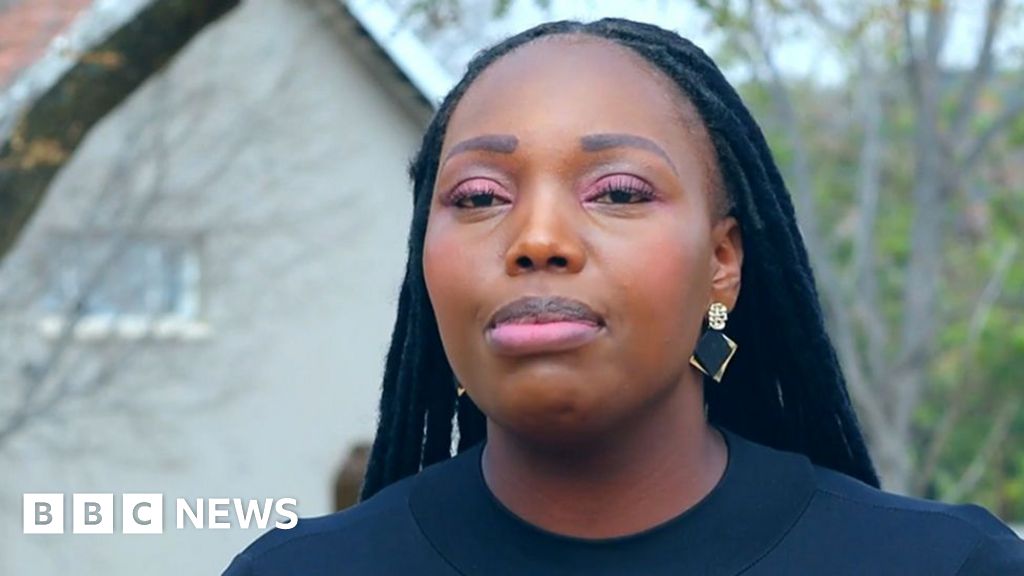
Anti-migration activists deny healthcare access to foreigners

South Africa’s Humanitarian Crisis Deepens Amid Growing Migration Tensions

The unfolding situation near Johannesburg signals a troubling shift in South Africa’s internal stability and the country’s complex relationship with migration. In recent weeks, a grassroots movement known as Operation Dudula, initially emerging as a civic pressure group, has metamorphosed into a political entity with tangible influence in local governance. Their campaigns against foreign nationals accessing public healthcare reflect broader social fissures — and geopolitical impact that extends beyond national borders, impacting regional stability and South Africa’s standing on the world stage.

Operation Dudula advocates for prioritizing “South Africans first,” often citing perceived resource scarcity amid South Africa’s entrenched inequality. The operation’s tactics—picketing clinics, checking ID cards, and turning away migrants—have led to clashes with law enforcement and widespread condemnation from political parties and human rights advocates. Critics, including legal professionals like Fatima Hassan from the Health Justice Initiative, warn that such actions are a breach of constitutional guarantees and threaten law and order. Meanwhile, authorities admit their resources are overwhelmed, unable to curtail such lawless acts, enabling the group’s expansion into new terrains such as public schools — with substantial repercussions for social cohesion and regional diplomacy.

At the core of this turmoil lies a fragile social fabric layered with economic hardship, high unemployment, and historical xenophobia. With approximately 2.4 million migrants—many from Zimbabwe, Mozambique, and Lesotho—South Africa grapples with entrenched anti-foreigner sentiment that sometimes erupts into deadly violence. This is compounded by an overburdened healthcare system, where long queues characterize the daily struggle for essential services. Turned away due to their lack of South African IDs or citizenship papers, vulnerable migrants and even some citizens find themselves without critical medical care—highlighting the destructive combination of policy, social prejudice, and resource scarcity.

International analysts, including economists and historians, warn that the decision to condone or suppress Operation Dudula’s actions could shape the nation’s future. Some suggest that South Africa’s government faces a choice: uphold the constitutional rights that enshrine healthcare access, or capitulate to populist nationalism that seeks to scapegoat migrants. The regional geopolitical impact reverberates, as instability in South Africa risks destabilizing neighboring nations with similar struggles, and encourages further migration turbulence. Meanwhile, international organizations like the United Nations have expressed concern about rising xenophobia, urging South African authorities to restore law and protect human rights—all while nation-building efforts strain under these compounding pressures.

As the echoes of protest and repression continue to reverberate across Johannesburg’s streets, the weight of history presses down on this southern nation. The choices made today—about migration, resource management, and constitutional adherence—will determine whether South Africa can emerge stronger or fall further into chaos. With each passing day, the story remains unwritten, and the true impact of these tumultuous decisions continues to unfold—leaving the world to witness whether this nation can navigate its turbulent course toward stability and justice or succumb to a future defined by division and despair.

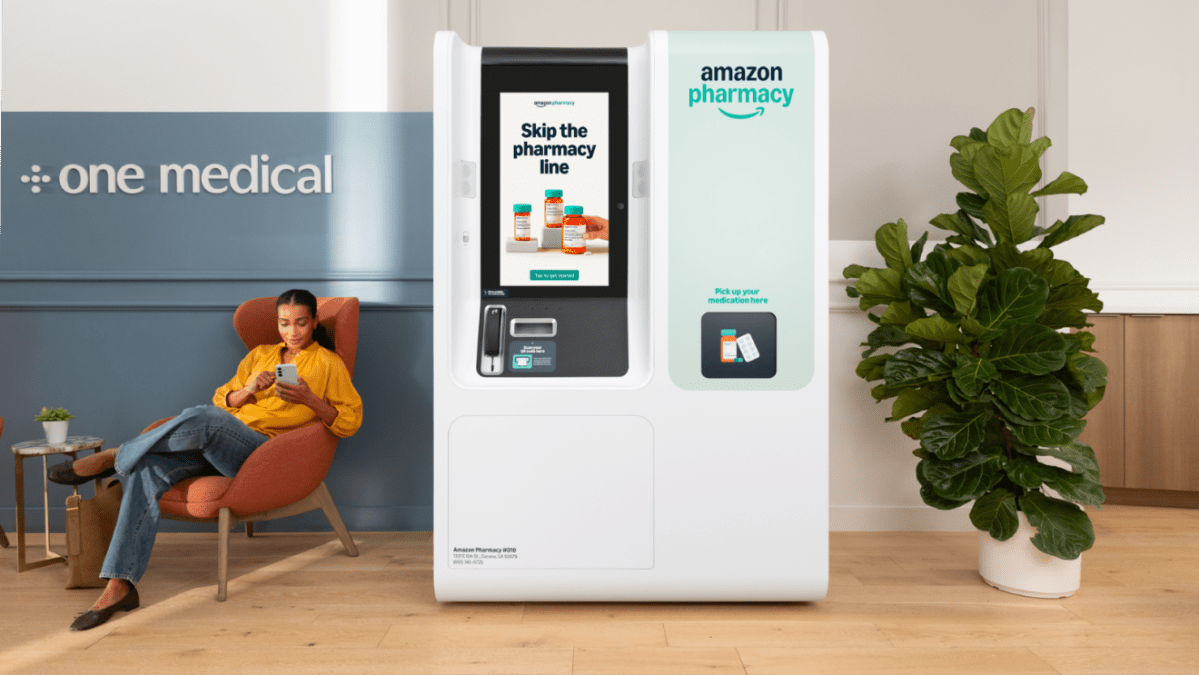
Amazon Pharmacy rolls out vending machines for prescription meds—tech boosts convenience for the next-gen healthcare!

In a bold move poised to reshape the healthcare landscape, Amazon has announced the deployment of prescription vending machines at its One Medical clinics across Los Angeles, signaling a disruptive foray into pharmacy automation and retail medicine. These autonomous kiosks, operated by Amazon Pharmacy, enable patients to pick up prescribed medications immediately after their consultations, effectively reducing the friction traditionally associated with pharmacy visits. This initiative underscores Amazon’s strategic push to leverage deep technological innovation to overhaul a highly fragmented and often inefficient sector, with the promise of driving significant business implications for incumbent pharmacy chains.

The new kiosks exemplify a broader trend of digital disruption in healthcare, aligning with Amazon’s previous acquisitions such as PillPack in 2018 and the primary care provider One Medical in 2020. Industry analysts have noted that this move could have profound impacts on traditional brick-and-mortar pharmacies. Franklin & Marshall Healthcare analyst Dr. Sarah Liu highlights that “the combination of automation and seamless integration with Amazon’s digital ecosystem could fundamentally shift consumer expectations around accessibility and convenience in prescription fulfillment”. As Amazon scales these initiatives, significant market shifts are anticipated, with established retail pharmacy chains like CVS, Walgreens, and Rite Aid struggling to adapt amid closures and declining foot traffic.

The kiosks feature a curated inventory of frequently prescribed medications—including antibiotics, inhalers, and blood pressure drugs—tailored to local prescribing patterns, thus enabling quick, contactless retrieval of essential medicines. Patients can view upfront costs, insurance copays, and discounts via the Amazon app, and consult with licensed pharmacists through video or phone, embedding a highly integrated digital experience. Amazon’s deployment strategies appear designed not just to enhance convenience but to introduce a new standard of disruption-driven efficiency that could erode traditional pharmacy margins and competitive advantages, compelling industry players to innovate or risk obsolescence.

Looking forward, experts like Gartner analysts suggest that this shift indicates a transformative trajectory in healthcare delivery, where automation, AI, and data-driven personalization become ubiquitous. As Peter Thiel notes, “the next wave of technological disruption in health will be about how fast we can bring healthcare closer to the consumer, reducing costs, and improving outcomes”. The urgency for existing players is clear: to match Amazon’s innovative pace and rethink the entire prescription ecosystem before the Covid-era convenience becomes an industry standard. The race is on, and in this swiftly evolving landscape, those who fail to adapt risk falling behind in what could be one of the most consequential technological upheavals of the decade.

October’s Hottest Trends: From Healthcare AI Breakthroughs to Delicious Cheese Advent Calendars—Top 100 Must-Knows (TrendHunter.com)

In October 2025, lifestyle trends are taking a definitive turn toward intentionality and technological ingenuity, a shift that’s shaping the cultural landscape for young trendsetters worldwide. At the heart of this movement is a conscious effort among brands to merge innovation with a sense of purpose, redefining what it means to lead a meaningful and balanced life in the digital age.

One of the most striking developments is the rise of personalized, “smart” environments that adapt to individual behavior. Imagine living spaces equipped with AI-driven interfaces that anticipate your needs—whether it’s adjusting lighting for optimal mood, curating playlists that match your current emotions, or even managing your daily routines to maximize productivity and well-being. Influencers like Alex Henderson and Neha Singh are advocating for these environments as a form of self-care and social expression. They argue that such innovation not only elevates daily living but also fosters a new kind of social connectedness rooted in shared aesthetics and values of authenticity.

This push toward mindful innovation extends beyond physical spaces into cultural phenomena that emphasize purpose-driven consumption. Brands are increasingly investing in sustainable materials, ethical production, and designs that promote a sense of community. For example, the launch of EcoGlam, a line of eco-friendly fashion endorsed by social media influencers, symbolizes a shift where appearance no longer sacrifices environmental responsibility. As social relevance inches higher on consumers’ priorities, young people are curating identities that reflect ideological commitments, ultimately blurring the line between lifestyle and activism.

From a sociological perspective, analysts like Dr. Lisa Chen suggest these trends are part of a broader cultural pivot towards intentionality and self-awareness. In a world inundated with information and distractions, the emerging pattern of behavior reveals a desire for intentional choices that promote personal and social growth. This manifests in hobbies like urban gardening, immersive virtual reality experiences, and the rise of “well-being kits” designed for on-the-go mental health support. TrendHunter.com notes that such shifts are elevating the importance of design with a purpose—a trend that’s not just surface-level but deeply embedded in the social fabric of Generation Z and young Millennials.

Yet, amidst this wave of innovation and socially conscious consumption, an intriguing question lingers: what is the next evolution of these lifestyle shifts? Will the focus remain solely on individual well-being and environmental responsibility, or will we see the emergence of a new, collective consciousness that integrates these trends into larger societal frameworks? As technology continues to intertwine with daily life, one thing is clear—these trends are more than fleeting fads; they are shaping a new cultural narrative that challenges us to reconsider our relationship with progress, purpose, and each other.

Social Media Auto Publish Powered By : XYZScripts.com