
Matox News

Truth Over Trends, always!

Isaac Herzog visits Bondi to stand with terror attack survivors amid heavy security

Geopolitical Tensions Flare as Israel and Australia Navigate Sensitive Diplomatic Terrain

The recent diplomatic visit of Israel’s President Isaac Herzog to Australia marks a pivotal moment in the ongoing transnational diplomacy surrounding the Israel-Palestine conflict. Herzog’s four-day trip, primarily aimed at engaging with Jewish communities and advocating for bilateral relations, has ignited both support and fierce opposition across the Australian political landscape. While the Australian government, led by Prime Minister Anthony Albanese, positioned the visit as a step toward forging greater unity amidst regional tensions, critics within and outside of the Jewish community viewed it as a provocative act that risks deepening existing divisions.

The visit’s implications extend far beyond symbolic gestures. Herzog’s meetings with top Australian officials, including the prime minister and representatives from across political spectrum, are seen as strategic steps to bolster international support for Israel, especially in the wake of recent violence and antisemitic incidents. The Bondi terror attack, which served as a catalyst for Herzog’s visit, underscored the delicate atmosphere of the Jewish diaspora in Australia, prompting expressions of solidarity from the government and community leaders alike. Yet, the response of sections of Australia’s Jewish community—particularly those critical of Israel’s government—highlight the ethnic and political rifts that continue to challenge cohesion among diaspora populations.

Controversies and the Path Toward International Diplomacy

  • Australia’s Jewish community remains deeply divided, with over 600 members explicitly voicing opposition through full-page ads, criticising Herzog’s visit as a betrayal to multicultural values and Palestinian human rights.
  • Herzog’s international standing has come under scrutiny, with some human rights organizations and analysts accusing him of inciting violence, and even drawing parallels to a “blood libel” by denying allegations of genocide.
  • Adding complexity, recent findings by a UN commission—albeit unofficial and contested—have accused Herzog and Israeli leaders of incitement, a claim that Israeli officials vehemently dismiss as politically motivated propaganda aimed at undermining Israel’s national integrity.

This controversy underscores the geopolitical impact of Israel’s international diplomacy, especially as it navigates accusations of war crimes and genocide in global courts. Such assertions threaten to isolate Israel further on the world stage, forcing the government to rehearse diplomatic responses while managing domestic and diaspora pressures. Meanwhile, Australian authorities, keen to avoid escalation, have been engaged in tense negotiations concerning a planned protest march by pro-Palestinian groups. Prime Minister Albanese and NSW Premier Chris Minns seek a careful balance—preserving the right to assemble while maintaining public order.

The Broader Global Ripple Effect

The Herzog visit occurs within a broader context of shifting international alliances and increasing polarization over Israel’s policies. Historically, Australia has maintained close ties with Israel, often siding with Western allies, yet recent domestic unrest reveals the fragile undercurrents within Australian society regarding Middle Eastern politics. Experts from institutions like the International Crisis Group warn that such diplomatic moves—when coupled with domestic protests and global accusations—could fracture alliances and hinder collaborative efforts in peacekeeping or security initiatives across the Indo-Pacific.

Underlying these developments is a new generation of leaders and analysts who warn that decisions made in these tense moments will echo through history, possibly shaping Australia’s future role on the world stage. As protests flare and diplomatic language tightens, the weight of history presses down, reminding all involved that the decisions taken today may fuel the flames of division or sow seeds for reconciliation. In an era where geopolitics is marked less by clear alliances and more by complex, often contradictory motives, the enduring question remains: How will nations navigate the perilous waters of justice, loyalty, and international diplomacy when history itself continues to unfold before their eyes?
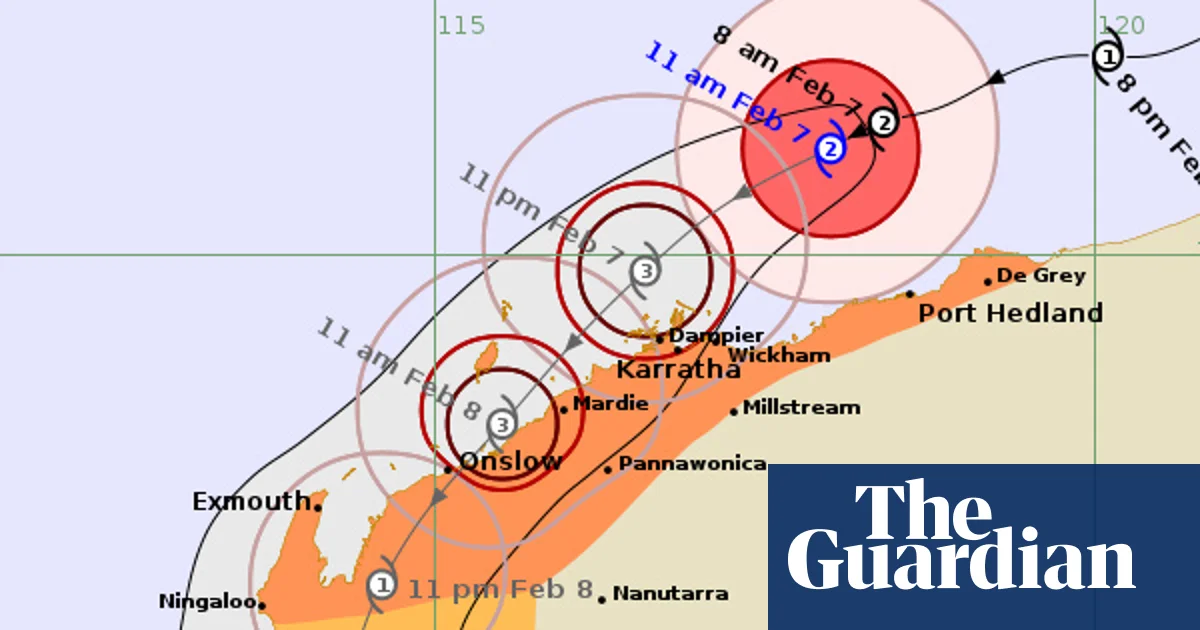
Cyclone Mitchell Strengthens: WA’s North-West on Alert for Heavy Winds and Flooding

Severe Tropical Cyclone Mitchell Threatens Western Australia’s Coast

In a striking display of nature’s fury, Cyclone Mitchell has emerged off the northern coast of Western Australia and is forecasted to escalate into a category three system. This development is not merely a local weather phenomenon but a reminder of the persistent vulnerability of Australia’s outback regions to increasingly severe climate events. Authorities have issued a watch and act warning for coastal towns such as Karratha, Dampier, and Onslow, emphasizing the potential for destructive winds reaching up to 170 km/h. The cyclone’s trajectory, moving southwest and approaching the Pilbara coast, exemplifies how natural events can threaten local economies, disrupt transportation, and impose significant societal costs.

The geopolitical impact of such natural disasters cannot be underestimated, especially in an era where climate change accelerates the severity and frequency of extreme weather. Analysts and international organizations warn that climate-induced disasters increasingly test national resilience and underscore the importance of adaptive infrastructure. The Australian government’s response, including evacuations and port closures, reflects a strategic effort to shield economic assets such as key port facilities—namely, Dampier and Port Hedland. These ports are vital for resource exports, particularly of minerals and energy, whose disruption could ripple through regional supply chains and influence international markets.

Natural Disasters in Remote Regions Expose Broader Vulnerabilities

Simultaneously, outback towns across Australia grapple with ongoing flooding crises, deepening concerns about climate resilience. In the Northern Territory, over 400 evacuees remain displaced amid rising rivers, a situation compounded by heavy rains predicted to bring up to 130mm of rain in areas like Port Hedland. This influx of weather-related crises exposes vulnerabilities in remote infrastructure and emergency preparedness that could have broader international implications. As the Commonwealth and regional authorities coordinate disaster relief efforts, international observers note that Australia’s handling of these crises will influence its geopolitical standing, particularly as climate change becomes a defining factor of global diplomacy.

Leading historians and climate analysts highlight how these pivotal moments—be it a cyclone or flooding—serve as warnings of a shifting world order. Climate scientists warn that rising sea levels and more intense storms threaten not only environmental stability but also social cohesion and economic sovereignty. The World Meteorological Organization has maintained that climate-related disasters could lead to increased migration, regional instability, and even conflicts over scarce resources. For Australia, a nation so geographically exposed and resource-dependent, these natural calamities could be catalysts for both internal turmoil and geopolitical shifts, forcing alliance realignments and strategic adaptations.

The Weight of History and the Unfolding Future

As the cyclone’s winds howl over the Pilbara’s rugged landscapes and floods threaten communities in the north, the world witnesses a reminder: nature’s wrath is intertwined with humanity’s geopolitical destiny. The decisions made in response—whether by resilient infrastructure, international cooperation, or climate mitigation—will shape the course of history. Recent decades have demonstrated that nations unable to adapt to these challenges risk losing their sovereignty and social stability—trapped in a cycle of crises and reactive measures. The unfolding story of Cyclone Mitchell and Australia’s ongoing struggles with climate change is not merely a regional narrative but a chapter in humanity’s collective challenge to confront a future where natural forces command international attention and action. The pressing question remains—how will the world, and especially resilient nations like Australia, forge a path amid the storm’s rising shadow, to determine whether this is a fleeting event or the beginning of a new epoch in geopolitical and environmental history?

Kenyan landslide claims 21 lives amid heavy rains, prompting urgent calls for action

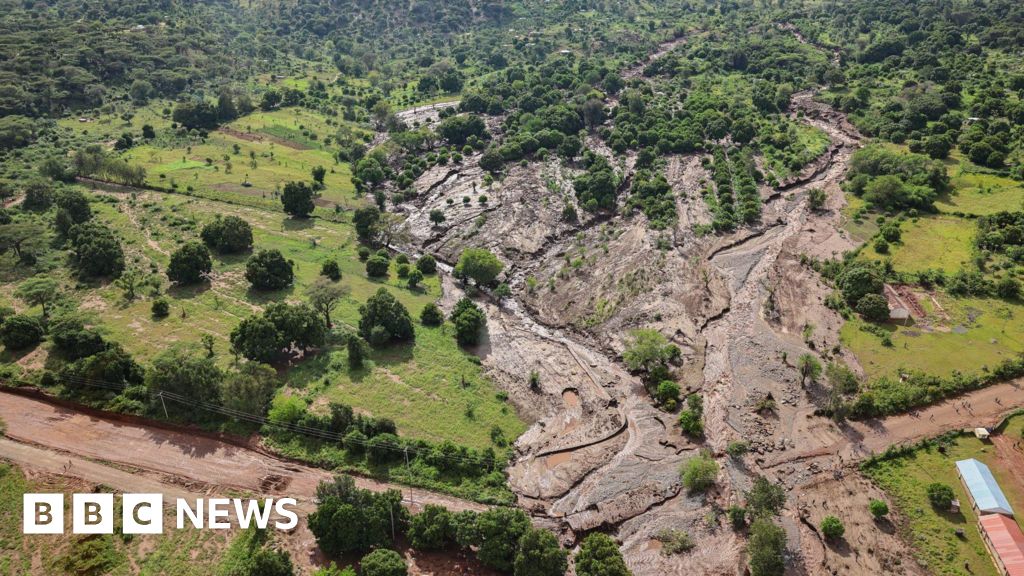
The East African region is currently grappling with a severe climate crisis, highlighted by recent devastating landslides and flash floods affecting Kenya and Uganda. The Kenyan government confirmed that 21 lives have been lost following a landslide in the western province of Marakwet East, provoked by unprecedented heavy rainfall. Interior Minister Kipchumba Murkomen reported that rescue efforts have been hampered by ongoing mudslides and flooding that cut off vital access routes, hindering aid delivery and complicating search operations. Meanwhile, in Uganda, similar weather conditions have resulted in deadly mudslides, with at least four confirmed fatalities in Kapsomo village and widespread destruction across several districts.

Analysts and international organizations are warning that the geopolitical implications of these environmental crises extend far beyond immediate human suffering. The United Nations and regional bodies have emphasized that climate change and inadequate infrastructure are exposing vulnerable populations to escalating dangers. Historians like Dr. Samuel Okoth-Omara note that this current wave of disasters reflects a broader pattern of environmental neglect and political instability, which exacerbates the region’s susceptibility to climate-related crises. As flash floods overflow rivers such as the Sipi and Astiri, communities face the immediate danger of losing homes, crops, and vital economic resources. These events threaten to destabilize local economies, complicate regional security, and induce mass displacement.

The geopolitical impact of this crisis is profound. Both Kenya and Uganda have urged residents living along seasonal rivers or recent landslide zones to evacuate to safer ground, yet the challenge remains formidable. The Kenyan government has paused rescue operations temporarily but assured the public that military and police helicopters are on standby to deliver relief supplies, including food and non-food items. This response underscores the importance of regional stability—infrastructure failures, such as blocked roads, impede not only rescue efforts but also disrupt trade and humanitarian aid. The regional governments’ inability to fully contain or prevent these disasters exposes the fragility of their institutional resilience, raising questions about long-term adaptive measures in the face of shifting climate patterns.

Many observers, including climate experts and international analysts, warn that without decisive action, these environmental calamities will continue to accelerate. The World Meteorological Organization has highlighted that rising temperatures and unpredictable rainfall patterns are fueling an increase in deadly weather events across East Africa. Furthermore, the widespread devastation fired up discussions about climate justice and the urgent need for sustainable development strategies—though critics argue that political will remains insufficient. As the region faces an unfolding chapter of suffering and adaptation, the question persists: to what extent are these nations prepared to confront the seismic shifts threatening their societies? The unfolding narrative carries within it the echoes of history—a reminder that nature’s fury, once unleashed, demands a collective response that transcends borders and ideologies. Whether East Africa can forge a resilient path amidst this turmoil remains a decisive test of its future.

Social Media Auto Publish Powered By : XYZScripts.com



