Matox News

Truth Over Trends, always!

Pete Hegseth’s Pentagon AI crew: Ex-Uber exec and private equity titan join the squad

AI and Geopolitics: Pentagon’s Disruptive Move Toward Private Sector AI Dominance

In recent developments that signal a seismic shift in military-grade artificial intelligence, the Pentagon’s negotiations with leading AI developers underscore a new era of disruption and strategic vulnerability. The Department of Defense (DoD) has engaged in intense contract negotiations with Anthropic, whose advanced language model, Claude, is at the center of the controversy. This situation exemplifies how innovation-driven disruptions in AI are rapidly affecting national security frameworks—placing the traditional defense procurement model under unprecedented strain. With pent-up demands for secure, classified AI systems, the Pentagon’s push to secure multi-vendor contracts and mitigate single-supplier vulnerabilities reflect a clear adoption of best practices in tech risk management, yet reveal profound implications for the future of AI sovereignty.

The negotiations have drawn international attention, largely because of Pentagon’s urgency to establish at least two cleared AI vendors capable of handling classified data. Interestingly, despite current contracts with Google’s Gemini and xAI’s Grok, the security and capability differential among these models is stark. Google’s Gemini, considered a close competitor to Anthropic’s Claude, is on the verge of being cleared for classified deployments, while xAI’s Grok is viewed as less reliable. This “model shuffle” points to a broader industry consensus: the supply chain for classified AI models is fragile, and the risks of dependency on any single, possibly compromised, vendor could be catastrophic—especially as critics and analysts such as Gartner emphasize that “concentration risk remains the Achilles’ heel of AI deployment in high-stakes environments.”

The real business implications of this crisis are significant. Disruptive entries such as Anthropic have established themselves as indispensable—even as concerns about their morals and security practices persist. As Axios reports, Pentagon officials are explicitly aware that they are dependent on Anthropic’s AI precisely because “they are that good.” This paradox illustrates the core challenge for future defense procurement: balancing the need for cutting-edge innovation against security vulnerabilities. The negotiation process also demonstrates a broader shift where the private sector’s aggressive pursuit of AI dominance directly influences, and sometimes complicates, military strategy.

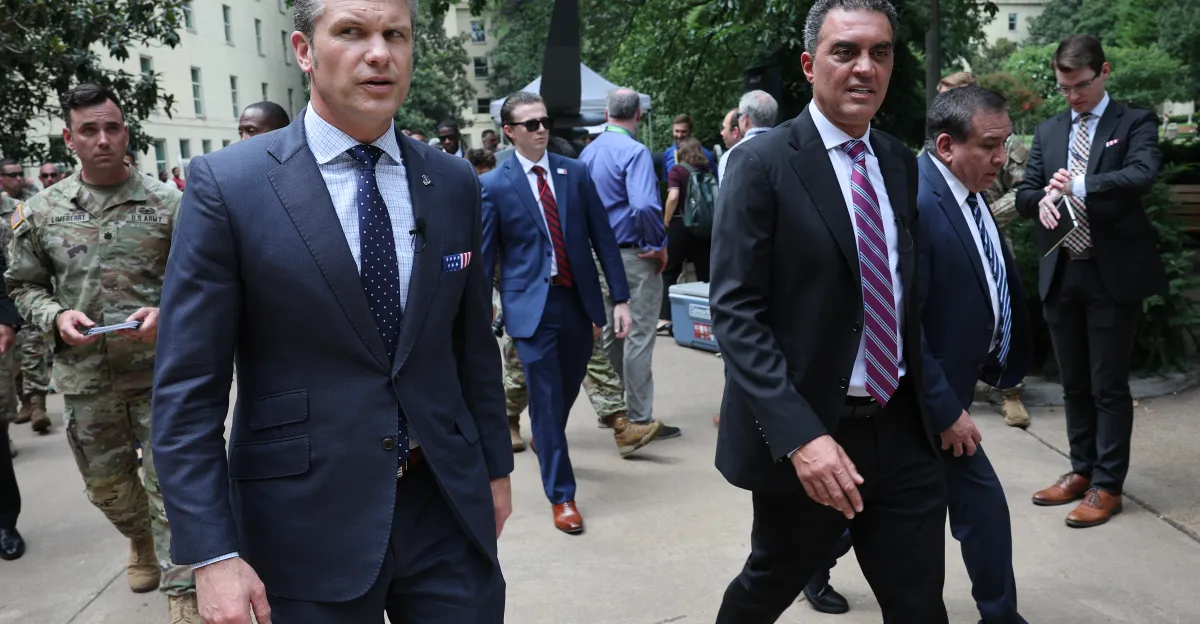
This evolving landscape foreshadows a future where the disruption of traditional defense models becomes inevitable. As the Biden administration emphasizes diversification of AI supply chains per new national security guidelines, the Pentagon’s procurement of multiple models—including discussions around the deployment of Gemini and potential exclusivity with Anthropic—emphasizes a move towards an AI-driven arms race. With tech giants and defense contractors like Emil Michael—whose controversial history at Uber signals the ruthless nature of business-driven tech innovation—now navigating a complex nexus of geopolitics and security, the industry is primed for a turbulent, hyper-competitive evolution.

Looking ahead, the implications for the broader tech ecosystem are clear: disruption is accelerating, and industry players with the most advanced models will wield outsized influence—not only in national security but also in the global power balance. The urgency surrounding diversifying AI vendors underscores the necessity of swift innovation, surgical risk management, and strategic alliances. Failure to adapt could result in catastrophic vulnerabilities, while those who lead the charge will dominate the emerging AI-augmented geopolitical landscape. As experts like Peter Thiel warn, “The future belongs to those who can manipulate the fabric of AI and national infrastructure faster than their rivals.” The question is no longer if disruption will come; it’s whether industry and government can harness it before they are overtaken by the relentless wave of technological revolution.
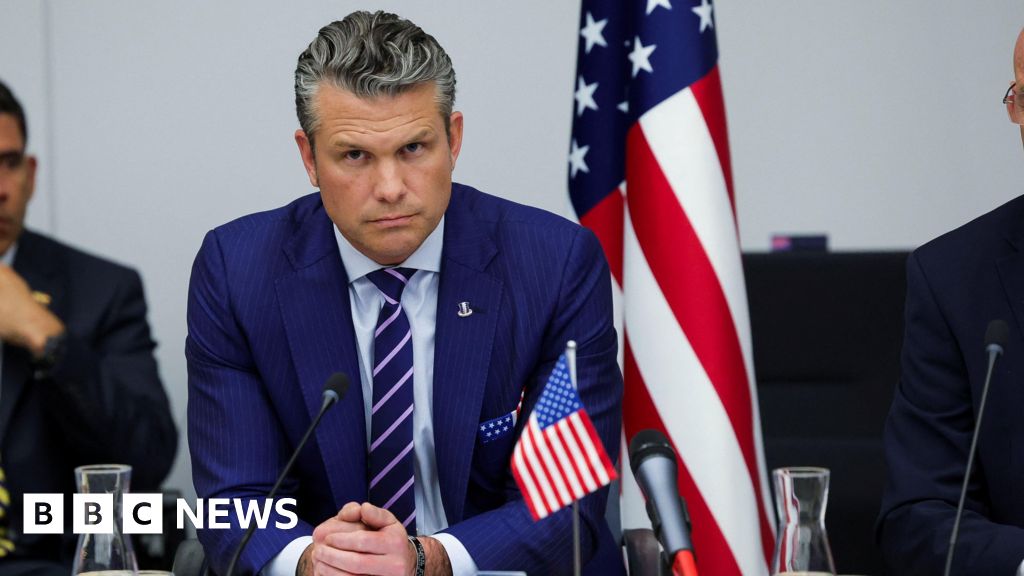
US Defense Secretary Pete Hegseth’s Flight Lands Safely in UK After Unscheduled Stop

In an unfolding incident with significant geopolitical repercussions, US Secretary of Defence Pete Hegseth’s aircraft made an unexpected emergency landing during a return flight from a NATO Defence Ministers’ meeting in Belgium. The Pentagon confirmed that the aircraft, en route back to the United States, experienced a crack in the windshield, prompting standard safety procedures and a precautionary landing in the UK. Despite the sudden turn of events, officials assured the public that all onboard, including Hegseth, are safe.

This incident underscores the increasing vulnerability of high-profile government assets during a period of heightened international tension. Tracking by BBC Verify, combined with FlightRadar24 data, revealed that the aircraft began losing altitude off the southwest coast of Ireland, before looping eastward. The aircraft’s transponder then issued a “7700 squawk code,” a universal signal among aircraft indicating a general emergency. Such protocols reveal how fragile even the most secure operations can be when hardware failures occur unexpectedly—a fact new to international observers addressing the risks of global leadership. In February, a similar crisis unfolded when a government plane carrying Secretary of State Marco Rubio was forced to turn back due to a crack in the cockpit window, illustrating a disturbingly recurring issue with safety standards in high-stakes air travel.

The international significance of these events extends beyond mere technical failures; they highlight the imperative for robust security and safety protocols amidst a rapidly evolving geopolitical landscape. The NATO defence meeting in Belgium, which was focused on security assistance for Ukraine, marks a critical phase where alliances are tested and various nations argue over support strategies. The United States, as a leader within NATO, bears the weight of maintaining both military readiness and diplomatic credibility. Analysts warn that such technical mishaps, if frequent or perceived as downgrades in preparedness, could diminish trust among allies and embolden adversarial blocs that seek to exploit perceived vulnerabilities. For many historians and security experts, these incidents serve as stark reminders: in today’s volatile world, one misstep can ripple across continents, altering the balance of power.

As the aircraft safely touched down in the UK, the incident remains a vivid emblem of today’s unpredictable global stage. The image of a top US defense official’s plane grappling with technical failure amid international crises leaves an indelible mark on the collective consciousness. With nations eyeing each other warily, and the specter of conflict lingering over fragile peace agreements, these moments become more than mere technical anomalies—they are a testament to the mounting pressures on the machinery of global security. As history continues to unfold, the question remains: how many more crises will test the resilience of our alliances, and at what point will the cracks in the global order become impossible to conceal? The answer—like the fragile windshield of Hegseth’s plane—remains unseen but undeniably imminent, waiting to shape the course of history yet to be written.

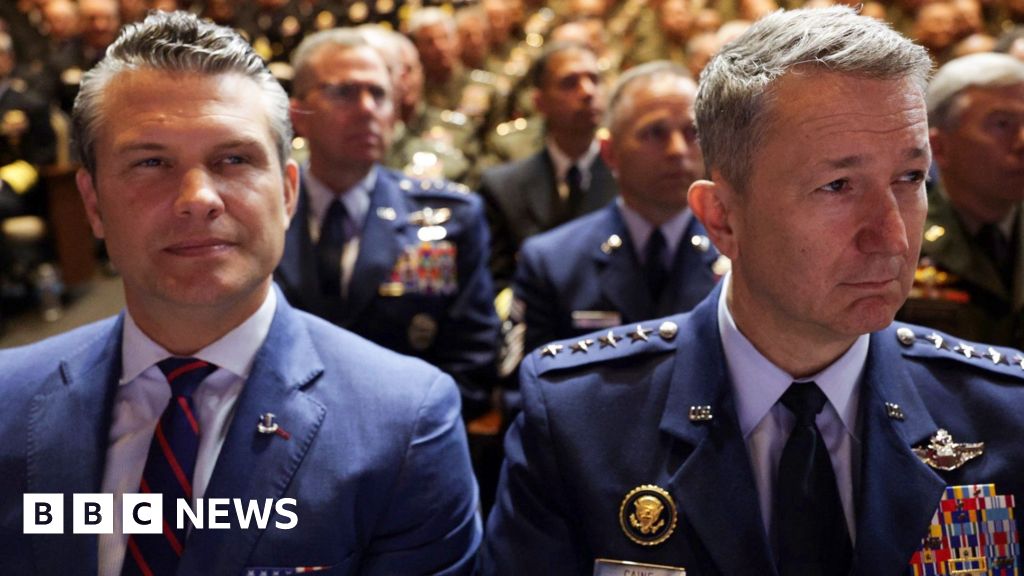
Inside Trump and Hegseth's high-level meet with U.S. generals
Inside Trump and Hegseth’s high-level meet with U.S. generals

US Military Overhaul Signals Shift Toward Traditional Values Under New Administration

In a striking display of military restructuring, hundreds of US generals and admirals convened this week at the Marine Corps Museum in Quantico, Virginia, marking a rare event that underscores a significant shift in American defense policy. Summoned from their international postings, these senior leaders received a set of deliberate directives from Defense Secretary Pete Hegseth, indicating a deliberate move toward conservative, traditional values within the armed forces. This assembly signals more than just internal discipline; it embodies a broader geopolitical stance that could reshape America’s military posture and its diplomatic interactions worldwide.

The core of these directives revolves around bolstering physical fitness, grooming standards, and a contentious emphasis on returning to “the highest male standard” for combat roles. Such measures appear designed to reinforce a sense of discipline rooted in traditional masculinity, which some analysts argue could be a strategic move to strengthen the military’s fighting spirit amid escalating global tensions. The timing coincides with a presidential address from President Donald Trump, who articulated a desire for an armed forces that embody American strength and resilience. The directives reportedly include stringent new standards, likely transforming recruitment criteria, training, and the internal culture of the US military, with ripple effects expected to influence international perceptions of US military readiness and ideological direction.

This move has ignited debate among international scholars and security experts about its geopolitical implications. Critics warn that emphasizing a return to traditional gender standards and physical requirements may marginalize certain groups and could hinder the diversity and adaptability of the armed forces. Conversely, supporters contend that such measures are vital for restoring discipline and effectiveness, particularly as global rivals like China and Russia demonstrate increased military assertiveness. The shift reflects a broader ideological realignment within the US, which some see as a deliberate effort to reassert American strength by emphasizing traditional notions of masculinity as a core component of military readiness.

Historian and geopolitical analyst Dr. Emily Carter notes that these developments are influenced by a series of mounting challenges that threaten longstanding global stability. “This is not just about discipline; it’s about a strategic culture shift,” she emphasizes, pointing to recent international conflicts and the unpredictable trajectory of global alliances. Until now, the US military’s leadership has emphasized inclusiveness and modernization, but the new directives suggest a purposeful pivot back toward a more rugged, traditional form of military excellence—one that signals a willingness to confront global rivals with renewed confidence. Such decisions, however, also raise questions: how will allies and adversaries perceive this American reassertion? And what are the long-term effects on America’s internal unity and global influence?

As the world watches this transformation unfold, the weight of history looms large. Each decision redefines the battlefield—not only of military conflicts but of international ideology and influence. Major powers are quietly recalibrating their strategies in response, recognizing that the true nature of victory extends beyond battlefield tactics to cultural resilience. Underneath the surface, a global contest whispers —a battle of values that challenges the very fabric of society and determines the future direction of our interconnected world. The unfolding story of the US military’s ideological evolution is a testament to the enduring rivalry between tradition and modernity, where every step taken today echoes across the corridors of history, shaping the destiny of nations yet to come.

Social Media Auto Publish Powered By : XYZScripts.com