Matox News

Truth Over Trends, always!

Louvre Director Resigns Amidst Major Art Heist Scandal

In an era defined by rapid geopolitical shifts and rising global tensions, the appointment of Leribault as the new leader of a prominent cultural institution signals more than just a managerial change. His primary mission to strengthen the safety and security of the museum’s collections, staff, and visitors exemplifies a broader move by France to reaffirm its commitment to cultural preservation amid mounting international uncertainties. As the cultural sector becomes increasingly entangled in political narratives, the emphasis on safeguarding heritage assets underscores a strategic effort to project soft power and maintain societal cohesion.

Many analysts argue that cultural institutions serve as critical battlegrounds in the ongoing contest for global influence. Historians like Dr. Catherine Lefevre suggest that “the safeguarding of national treasures is now intertwined with geopolitical resilience,” especially as nations face external pressures from emerging powers and covert interests seeking to manipulate cultural symbols for ideological ends. The mention of Leribault’s focus on “restoring a climate of trust” hints at past vulnerabilities — whether through recent security breaches or ideological conflicts that threaten the integrity of such institutions. Meanwhile, international organizations, including UNESCO, have voiced concerns about cultural heritage as a target in conflicts, emphasizing that “the preservation of history is crucial for fostering international understanding.”

This new leadership change also reflects a strategic shift in international cultural diplomacy. Countries are increasingly recognizing the geopolitical value embedded in well-maintained institutions. The focus on transformations necessary for the museum highlights a vision of modernization aimed at resilience — a move that resonates with global trends toward digital integration and security enhancement. Such efforts serve as a tangible signal that fragile cultural infrastructure must be fortified to withstand not only ideological assaults but also physical threats. As the world witnesses a rising tide of social upheaval, war, and unrest, the role of cultural institutions as bastions of national identity and resilience becomes ever more vital.

Ultimately, this appointment is more than a routine administrative update. It is a reflection of how nations, especially those with a profound historical footprint like France, view their cultural heritage as crucial in shaping national identity and asserting geopolitical position. Historians warn that neglecting these institutions can lead to irreversible loss, forever altering a nation’s narrative. As we watch this new chapter unfold, it underscores a key truth: in the ongoing struggle for global influence, heritage is more than just history — it is a battleground where the resolve of nations is tested, and the future of cultural sovereignty hangs in delicate balance. In the fluid, often dangerous currents of international diplomacy, the fight to preserve our shared history remains an unyielding testament to resilience — yet, the game has only just begun.
Meet ‘Fedora Man’: Dapper French Teen Revealed as Louvre Heist Hero in Viral Photo | France

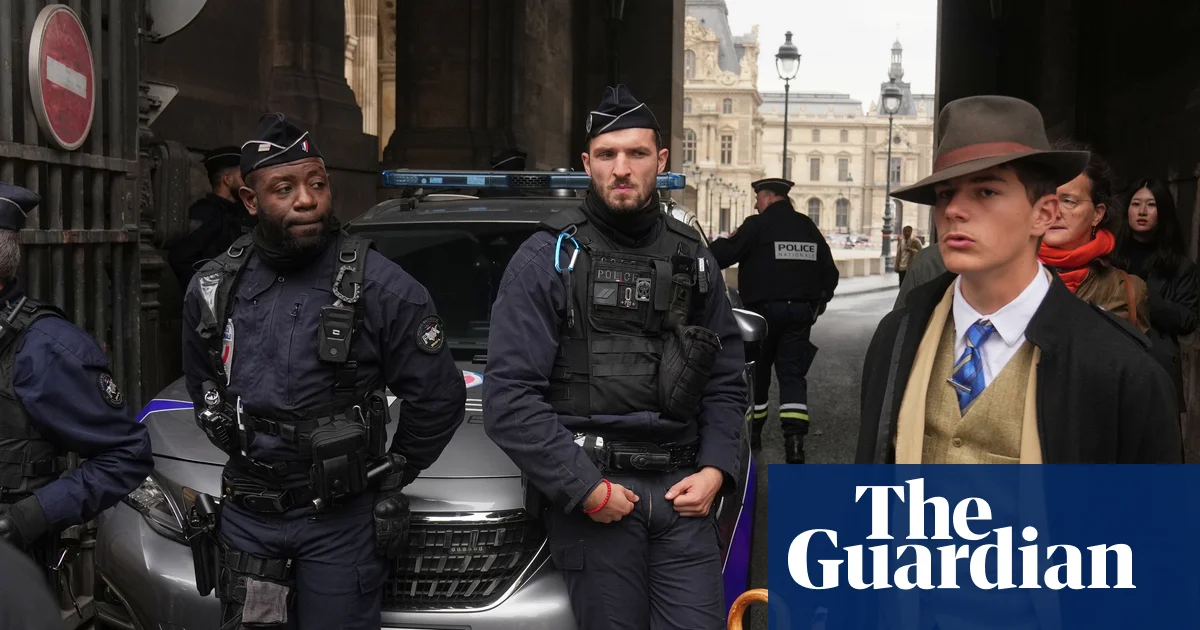
In a striking manifestation of how digital imagery can shape global narratives, a 15-year-old French youth, Pedro Elias Garzon Delvaux, inadvertently became an international phenomenon through a single photograph. His image, captured by Associated Press photographer Thibault Camus amidst the chaos of the French crown jewel heist, captured the imagination of millions across the world. Clad in vintage fashion, including a fedora, Pedro’s unintended role in this modern-day mystery showcases how media, perception, and historical aesthetics converge into a powerful symbol that transcends national borders. This phenomenon underscores a key geopolitical impact: how cultural symbols and images can ignite transnational stories that influence public sentiment and societal outlooks.

  • Pedro, a lover of 20th-century history and classic detectives, was merely passing through when police barricades closed access to the Louvre. His coincidental presence in the frame turned him into an eerie chess piece in a worldwide narrative concerning art theft, national identity, and cultural heritage. The image sparked online debates on whether the “fedora man” was an AI fabrication or a true shadow figure of the underworld. Such narratives challenge perceptions of authenticity and the digital age’s influence on reality, with analysts from institutions like INTERPOL emphasizing the need for cautious verification amid rapid information dissemination.
  • The viral spread of his image, with over 5 million views and headlines across continents, demonstrates the power of visual storytelling in shaping public discourse. As international commentators dissect the implications, many note how image-driven narratives reflect a broader cultural shift: one where individual stories are magnified into symbols of societal anxieties or aspirations. In this case, Pedro’s vintage attire and mysterious aura evoke an era-long gone, yet their resonance in the digital age emphasizes how cultural memory is harnessed and repurposed in contemporary geopolitics.

Historians and analysts recognize this event as emblematic of a new era where images serve as potent flags in the ongoing battle for cultural influence. The incident highlights an ongoing phenomenon: the blending of historical aesthetics with modern storytelling, fueling debates about identity, authenticity, and the role of digital media in shaping perceptions. As European nations remain vigilant over their cultural treasures, the story of Pedro not only offers a glimpse into the power of visual imagery but also signals how global narratives about legality, art, and history are increasingly constructed through social media’s lens.

As the episode concludes with Pedro’s relaxed outlook—publicly waiting for film roles—one cannot ignore how this small story echoes larger themes in international relations and societal values. The innocence of a boy unwittingly caught in a global myth reminds us that, in this era, history is perpetually in the making, and every image carries the potential to reshape perceptions and influence global affairs. In the end, this story remains a testament to a critical turning point: the digital age’s capacity to transform humble moments into enduring symbols, shaping the course of history in unpredictable ways, with the weight of the future still counting down in the shadows of the past.

Louvre Heist Suspects Partially Admit Role, Prosecutor Reveals

The recent audacious theft at the Louvre, one of the world’s most iconic cultural institutions, has sent shockwaves through international security and diplomatic circles. On October 19th, four thieves executed a meticulously planned raid, leveraging stolen vehicles and power tools to breach the museum’s defenses during broad daylight. The loss of priceless jewels valued at €88 million not only represents a significant cultural blow to France but also underscores mounting concerns over the security of global heritage sites amidst rising organized crime and militant threats. The arrest of two suspects, both with prior criminal records, signaling a partial breakthrough, has raised questions about the breadth of the gang behind this brazen act.

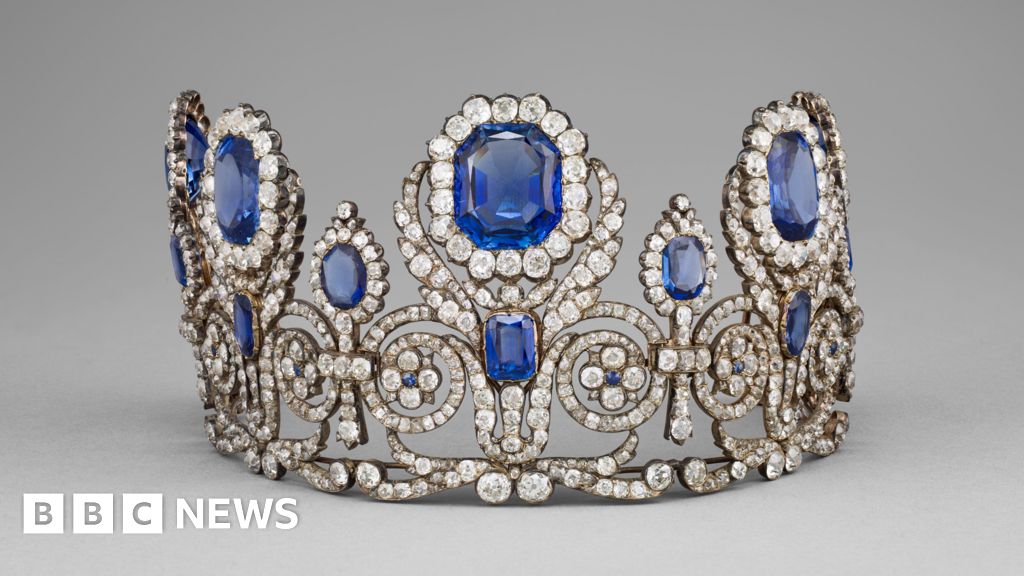
According to prosecutors, the suspects — both men in their thirties — used a stolen vehicle-mounted lift to access the Louvre’s Galerie d’Apollon, stripping display cases housing some of the crown jewels, including items linked to French imperial history, such as the illustrious Parure Marie-Amélie diadème. The robbers, arriving just after opening hours, were inside for merely four minutes, during which they exploited a disc cutter to shatter display cases and make off with their loot. The escape, orchestrated on scooters and rapid vehicles, illustrates a highly coordinated operation designed to evade authorities. Paris prosecutor Laure Beccuau confirmed that the jewels, including a crown associated with Empress Eugenie, remain missing—damaged during the theft—and highlighted that the gang’s full size and scope remain uncertain, with security officials warning of a possible wider network involved.

International organizations and security analysts have voiced alarm over the implications of such an event for cultural sovereignty. Experts from UNESCO and INTERPOL warn that *theft of priceless artifacts not only impoverishes a nation’s cultural heritage but also profits global criminal syndicates*, fueling underground economies that threaten national stability. The attitude among many youth and international observers is one of concern—highlighting the precariousness of protecting tangible history against organized, well-funded gangs motivated by lucrative black markets. The decision to transfer some of the jewels to France’s Bank of France and to bolster security measures reflects the national government’s recognition of the need for reinforced defenses, though critics argue that this is merely reactive, with deeper systemic issues neglected.

  • The suspected gang’s use of illegal tools and rapid getaway underscores the importance of advanced security measures at cultural landmarks.
  • The vague involvement of potential accomplices or receivers of the stolen items signifies a broader threat to European cultural assets.
  • Analysts like Dr. Jean-Marc Dupont underline that such high-profile crimes are *turning points* in how nations perceive and combat organized crime’s infiltration into cultural institutions.*

As international authorities deepen their investigation, the weighing of foreign intelligence cooperation and domestic security reforms takes center stage. The ongoing debate questions whether, in an era of geopolitical upheaval, cultural treasures are becoming more vulnerable—an unfortunate reflection of a world where history is often a pawn in larger struggles for power. The Louvre heist leaves a haunting reminder: in the complex chess game of geopolitics, moments such as these threaten not only treasures but also the collective memory of nations. The *turning point* remains clear—how countries respond to such assaults will define the security landscape of the future, forging a legacy for generations to come, yet still unfolding in the shadows of history.

Museum Heist: 2,000 Gold and Silver Coins Vanish in Bold Robbery

France, long revered as a custodian of world cultural treasures, has recently found itself embroiled in a series of audacious heists that threaten not just its museum collections but also its national reputation. The seizures—ranging from the theft of millions in gold coins at a regional museum to the brazen daylight theft of priceless jewelry at the Louvre—underscore a dangerous erosion of security protocols and raise questions about societal stability and state sovereignty in a country whose history is intertwined with art and enlightenment.

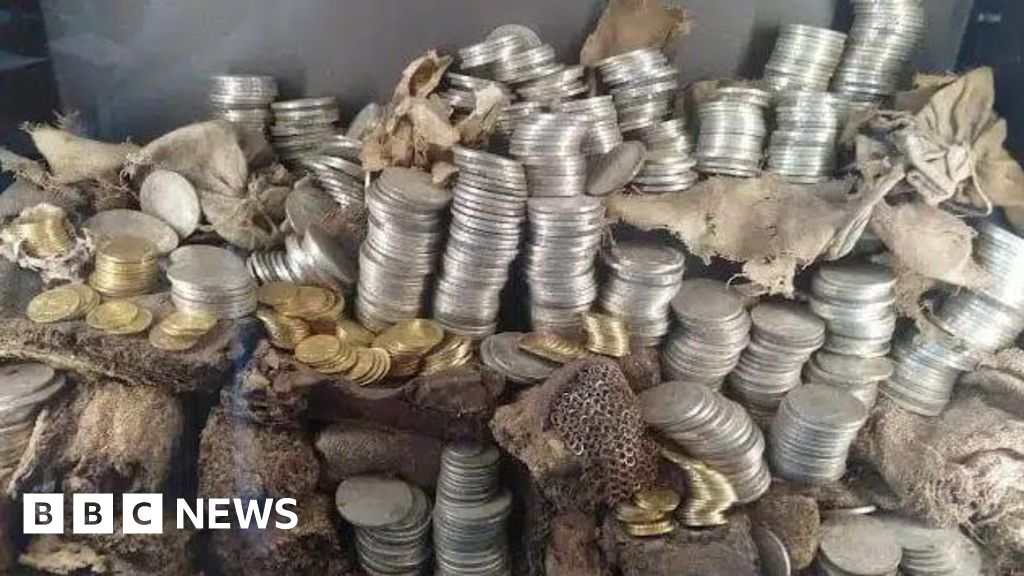
In the latest incident, approximately 2,000 gold and silver coins valued at around €90,000 (£78,000; $104,000) were stolen from the Musees de Langres, just hours after the shocking €88 million jewelry theft from the Louvre gallery. As experts and authorities struggle to respond, international analysts warn that such events could serve as a disturbing template for other criminal networks across Europe. The theft involved highly skilled perpetrators, who chose their targets with precision, indicating a level of expertise and planning that is increasingly characteristic of organized crime groups seeking to undermine the cultural foundations of sovereign nations.

Adding to the gravity, a preliminary report revealed that the Louvre itself failed to secure its most treasured artifacts. CCTV footage was found to be inadequate, with monitoring systems either outdated or pointing away from critical access points. French authorities, including Justice Minister Gérald Darmanin, have lamented that the security protocols had “failed,” painting a dire picture of how fragile even the most iconic symbols of national pride can be in the face of modern threats. This lapse not only tarnishes France’s image but also serves as a stark warning to other countries about the urgent need for robust security measures against the rising tide of cultural vandalism and theft.

Recognized experts such as art detective Arthur Brand suggest that the pattern of attacks could escalate, with “copycat” gangs potentially executing multiple “hits” across the continent, exploiting perceived weaknesses in national defenses. The international community is watching with concern as France grapples with these incidents, which highlight how strategic decisions—whether in homeland security, cyber defense, or intelligence sharing—directly affect society’s ability to preserve its cultural sovereignty. Such events have the power to fuel nationalist sentiments and reinforce the importance of safeguarding heritage as a core element of national identity and sovereignty.

As the world watches history in the making, the question remains: how will nations respond to this new era of cultural confrontation? Will they fortify their defenses or fall further into vulnerability? The weight of this unfolding story reminds us that in this ongoing battle for sovereignty, history’s pen continues to write with a fierce, indelible hand—one that may define the future of nations and societies for generations to come.

Louvre in Paris Closes After Heist – French Culture Minister Confirms

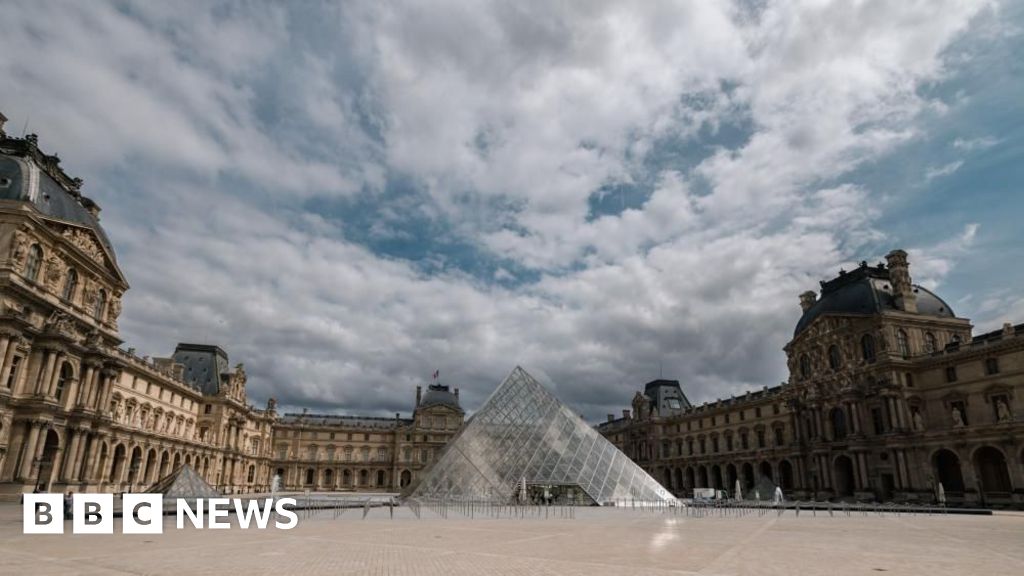
The recent robbery at the Louvre Museum in Paris marks a disturbing escalation in the ongoing challenge of safeguarding cultural heritage amidst increasing global unrest. The world’s most visited museum, renowned for housing priceless artworks and invaluable artifacts, was targeted early Sunday morning as it prepared to open its doors. Reports indicate that jewelry was stolen during this breach, a loss that transcends mere material value, threatening to erode a pillar of global cultural identity. France’s culture minister, Rachida Dati, confirmed the incident, and police are now engaged in a detailed investigation, reflecting the gravity with which the country is treating this unprecedented event.

The geopolitical impact of such thefts, particularly at iconic sites like the Louvre, resonates globally. Museums, monuments, and cultural institutions serve as symbols of national pride and history. Their vulnerabilities expose deeper fissures in international security protocols and cultural diplomacy. Experts warn that the theft could facilitate the illicit trade of priceless antiquities and artworks, fueling a transnational black market that weakens the cultural fabric of nations. Analysts from organizations like INTERPOL emphasize that this event signals a complex interplay of organized crime and geopolitical instability, as art thefts are increasingly linked to geopolitical conflicts and militant groups seeking to destabilize societies by targeting their cultural symbols.

Historically, such breaches serve as strategic provocations or indicators of chaos, with some specialists comparing recent trends to the looting of Iraq’s museums during the early years of the Gulf War. How nations respond to these acts will define their cultural resilience and sovereignty in the digital age. The Louvre incident underscores the urgent need for international cooperation on security measures, intelligence sharing, and the recovery of stolen assets. Various voices, including international organizations and cultural watchdogs, warn that failure to adapt and strengthen protections could lead to a wave of similar threats, ultimately dismantling the collective memory and identity of societies.

In the broader scope, the incident at the Louvre echoes a warning for the international community: the preservation of history is a battlefield where progress and chaos collide. As nations grapple with geopolitical shifts, economic upheavals, and technological forces, the security of our shared heritage remains fragile. The relentless pursuit of power and profit ensures that, one day, the history-makers and art custodians of today may become prey in a relentless underworld of theft and smuggling. With the weight of history pressing down, the world must ask itself: how long can we protect the treasures that define our identity before they are lost to the shadows?

Social Media Auto Publish Powered By : XYZScripts.com