Matox News

Truth Over Trends, always!

Airline CEOs Demand Congress End Shutdown and Pay TSA Heroes

The U.S. government shutdown: A warning sign for international stability

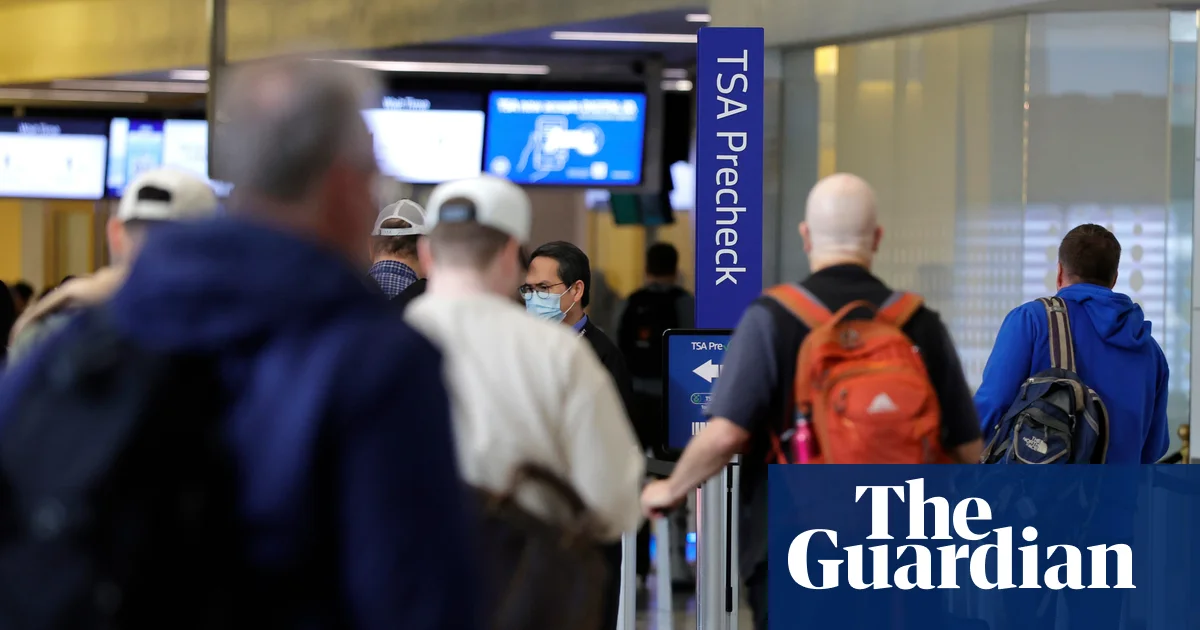
The recent partial government shutdown in the United States has underscored the profound geopolitical impact of domestic political failures on global systems. As CEOs of major American airlines publicly urged Congress to swiftly end the 29-day crisis, the ripple effects have extended beyond U.S. borders. Over 50,000 airport security officers have been forced to work unpaid, causing widespread disruption at key international gateways. The consequences resonate internationally, where a stable U.S. economy and security frameworks are foundational to global financial markets and diplomatic relations. Prominent analysts warn that prolonged political stalemates threaten America’s reputation as a reliable partner, potentially emboldening adversaries and unsettling allies.

The useless partisan brinkmanship and its costs

The crisis traces back to Congress’s failure to approve funding for the Department of Homeland Security, with disagreements rooted in contentious immigration reforms that led to the funding lapse on 13 February. The shutdown has prompted significant operational setbacks; airlines warn of increased delays during what is expected to be a record-breaking spring travel season, with an anticipated 171 million flyers. The CEOs of airlines like American, United, Delta, Southwest, JetBlue, and Alaska Airlines have jointly emphasized that such disarray damages consumer confidence and compromises national security. These disruptions highlight a broader phenomenon: how internal U.S. political disputes can destabilize markets, hurt citizens’ daily lives, and expose vulnerabilities in the country’s leadership and governance.

International repercussions and historical lessons

Internationally, this political chaos signifies more than a mere domestic issue; it serves as a cautionary tale valued by global powers and institutions. The United Nations and World Economic Forum have warned of the risks posed by hyper-partisanship in Western democracies, suggesting that such instability can undermine collective efforts against international threats like terrorism and climate change. Historically, as noted by historians like Charles Beard and Barbara Tuchman, internal divisions—particularly during crises—have frequently left nations vulnerable on the world stage. The current scenario in the US demonstrates that in a deeply interconnected world, political gridlock in one large power can have cascading effects on global commerce, security, and diplomacy, sowing uncertainty far beyond national borders.

As the world watches the United States grapple with its internal conflicts, an enduring question remains: how long can the world afford to wait for their fractured political system to stabilize? The ongoing paralysis leaves international societies pondering the resilience of Western institutions—whose credibility and stability remain essential for global peace and prosperity. In this turbulent time, where history continues to write itself with each headline, the weight of the future’s uncertainty presses heavily upon us. The unfolding saga of the US government shutdown remains a stark reminder: in an era of swift change, nations must brace for the unpredictable echoes of their internal struggles as the world’s compass continues to sway.

Rising Stars Shine in Epic Showdown: Future Heroes Claim Victory in Thrilling Match!

PSG’s Strategic Move: A Gesture of Goodwill Towards FC Barcelona

In the dynamic world of European football, it is seldom that two powerhouse clubs collaborate, but Paris Saint-Germain (PSG) is making headlines again with a surprising gesture towards FC Barcelona. The French giants have reportedly initiated discussions regarding the transfer of midfielder Dro Fernández, a move that resonates deeply within the football community, signaling a potential shift in long-standing rivalries.

According to multiple sources, PSG’s approach could be interpreted as a goodwill gesture, reflecting a more diplomatic exchange between two of Europe’s elite clubs. While the details of the transfer remain under wraps, fans and critics alike speculate that this collaboration could set the stage for future partnerships, with both clubs poised to enhance their squads through strategic transfers. Noteworthy commentators like Gary Neville have pointed out the significance of this engagement, stating, “In a game focused on profit, gestures like these remind us that mutual respect still exists among clubs.”

The stakes are high as PSG prepares for the upcoming season, eager to solidify their status in both domestic and European competitions. Coach Christophe Galtier is eager to incorporate fresh talent into his lineup, particularly as they aim to reclaim dominance in Ligue 1 and make a serious run in the UEFA Champions League. Meanwhile, Barcelona has its own ambitions, eyeing Fernández as a key figure to bolster their midfield, which has faced scrutiny over the past seasons.

  • Dro Fernández has been hailed for his vision and passing accuracy, key elements that could transform either squad.
  • PSG aims to build rapport and foster a collaborative spirit with opponents, strengthening the league’s competitiveness.
  • Galtier’s tactical prowess could see both seasoned players and newcomers like Fernández maximizing their potential.

As discussions advance, it is clear that this potential transfer encapsulates more than just player movement; it reflects the evolving nature of football, where rivalries can turn into alliances. Whether or not the deal materializes, what remains evident is that sports, through their highs and lows, possess the unique ability to unite rival factions, reminding fans that the passion for the game transcends mere competition. In the end, it is not solely about the scoreboard, but the joy of the sport itself that binds us all.

Source link

Remembering Kenya’s Unsung World War Heroes

A Historic Reckoning: Revisiting Africa’s Unsung Battlefronts

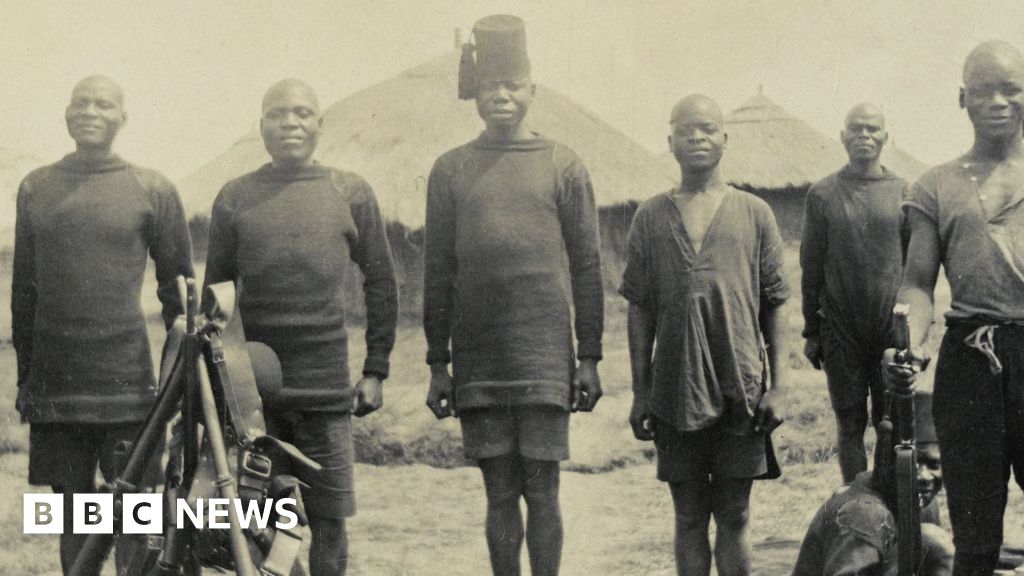
In a profound reminder that history’s shadows often conceal stories of sacrifice beyond privileged nations, recent revelations have cast a long-overdue spotlight on Kenya and the wider African continent. For decades, the role of African soldiers in the >international conflicts of the 20th century remained marginalized, their sacrifices buried in obscurity. Now, a groundbreaking initiative led by the Commonwealth War Graves Commission (CWGC) has begun unearthing military records that paint a fuller, more truthful picture. Yale-Historian and analysts emphasize that these discoveries challenge prevalent narratives, showing that **the fabric of world history is woven with the threads of African service**, often dismissed or forgotten in mainstream memory.

One poignant story disrupted the silence. Mutuku Ing’ati, a Kenyan man whose identity was lost to history for nearly 85 years, has recently been traced through colonial military archives. His family, from the Akamba ethnic group, had long mourned his mysterious disappearance, unaware of how far his service extended. In 1943, Ing’ati left his remote village of Syamatani, traveled hundreds of kilometers to Nairobi, and signed up as a private with the East African Scouts regiment. His death in action, verified by newly uncovered documents, underscores the silent sacrifices of thousands like him — men who responded to imperial calls and paid the ultimate price, often with no recognition or closure for their families.

Geopolitical Impact and Societal Consequences

This revelation allows us to reevaluate the geopolitical impact. The King’s African Rifles and other colonial units not only fought in key theaters in Tanzania and Mozambique during World War I, but also played roles in wider conflicts, including World War II. These African soldiers weren’t mere extras in a European or Asian war narrative — their efforts helped to shape global outcomes and challenged colonial borders and ideologies. As historian Patrick Abungu highlights, these stories are “not just dusty files,” but vibrant human experiences that have long been neglected in the West’s historical canon.

The recent recovery and preservation of thousands of colonial military records have underscored this point. They reveal a history where thousands of Africans enlisted, fought, and died, often without acknowledgment. The **CWGC’s** initiative to locate and commemorate these soldiers aims to give voice to their forgotten sacrifices. Such endeavors are vital because they challenge colonial-era narratives, fostering a sense of pride and identity among African nations. Moreover, how nations remember their history influences societal values and national unity. Reclaiming this past not only rectifies historical injustices but also empowers present-day youth with a sense of historical agency and resilience.

How Contemporary Decisions Reshape Future Legacies

As the CWGC and Kenya’s Defense Forces work tirelessly to trace these lost stories, their efforts have implications beyond memorials. They are laying the groundwork for a new, empowered narrative where African agency in global conflicts is recognized and celebrated. Education policies on the continent are beginning to integrate these revelations, ensuring future generations comprehend the __outsized contribution__ their ancestors made to world history. Such recognition could bolster a new pan-African identity rooted in sacrifice and resilience, redefining how Africa perceives itself on the international stage.

As one historian observed, “These records are not static; they are alive, telling stories that breathe anew relevance and purpose.” The ongoing process of remembrance, for many, is a confrontation with the past—one that refuses to let these stories fade away, no matter how many decades have passed. Nevertheless, the battle for historical truth continues, reminding us that the choices of yesterday ripple into the geopolitics of tomorrow, shaping societies and identities in ways we are only beginning to understand. This unfolding chapter in global history leaves us standing at a crossroads, where remembering the sacrifices of the past must propel us toward a more inclusive, truthful future—before these stories are lost to the inexorable tide of time, and history’s pen is permanently still.

Social Media Auto Publish Powered By : XYZScripts.com