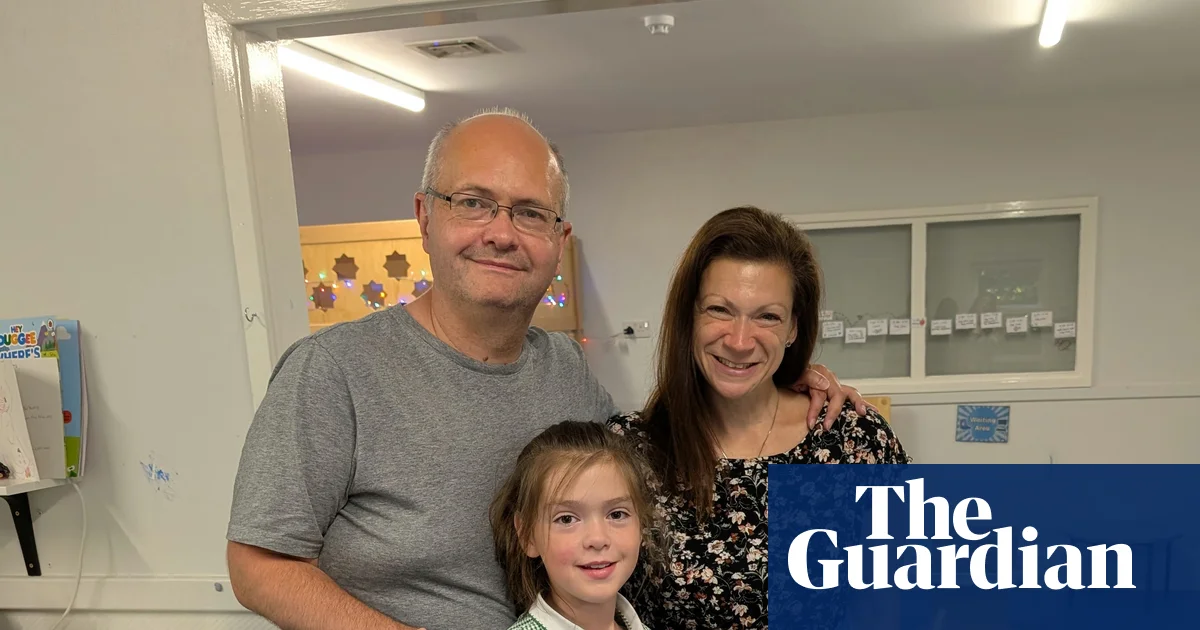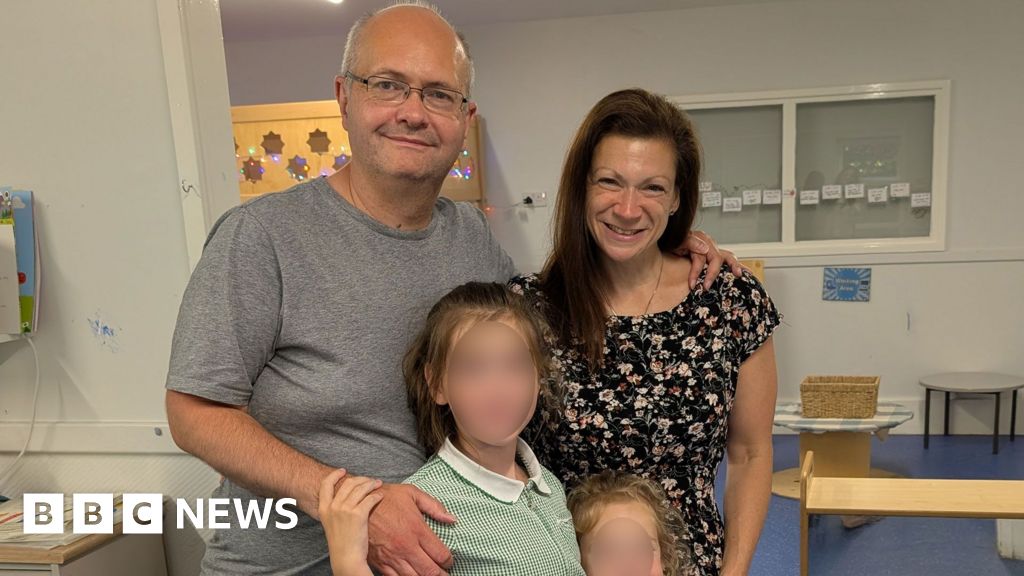

Recent events in Hertfordshire have underscored a troubling shift in societal trust and community cohesion. A couple, Rosalind Levine and Maxie Allen, experienced a wrongful arrest that has cast a shadow over their family life and the broader social fabric. The incident unfolded after the couple expressed concerns about their daughter’s primary school, including questioning staff recruitment practices and criticizing school leadership via a WhatsApp group. This digital dissent, seemingly dismissed as malicious communications by authorities, resulted in their being detained for 11 hours, an ordeal that has ignited debates about the boundaries of parental rights and police intervention.
Such cases reveal a disturbing connection between social tensions and institutional overreach. Sociologists like Dr. Emily Watson warn that when community members feel silenced or wrongly accused, it fosters an atmosphere of mistrust and alienation. Levine and Allen’s case illustrates how the misapplication of law enforcement can devastate families and diminish confidence in local institutions. The couple’s experience was marked not just by the wrongful arrest but also by the emotional toll of seeing their privacy violated, their reputation questioned, and their sense of security fractured—elements that ripple through every facet of family life. When public institutions fail to balance authority with accountability, the result is a fragmented society where conflicts become open wounds rather than opportunities for community growth.
The impact extends beyond individual families to the very heart of education and community relationships. The couple’s ban from Cowley Hill Primary School after raising legitimate concerns about their child’s well-being highlights a dangerous trend of authoritarian silencing of parental advocacy. Critics argue that such suppression not only dampens community input but also hampers the collaborative effort necessary for nurturing inclusive, adaptive learning environments. Social commentators, including historian Dr. Richard A. Lewis, emphasize that family engagement in schools is a cornerstone of social stability. When that engagement is met with punitive measures or misunderstood as threatening, it weakens the societal bonds that foster resilience and shared responsibility.
- The police justified their actions by citing the unwarranted nature of the arrest, but the broader social issue remains unresolved: the erosion of trust between law enforcement and communities.
- The school’s response to the protests reveals a prioritization of control over dialogue, risking deepening social tensions.
- Families affected by these incidents face increased emotional distress, leading to long-term impacts on mental and physical health, and potentially, future generations’ perceptions of authority.
As social commentators and sociologists call for reform, the question remains: how can society rebuild trust and ensure that families are protected rather than persecuted when exercising their rights? It is essential to recognize that the core challenge lies in cultivating a culture of accountability, transparency, and empathy. Policymakers and educational leaders must acknowledge the human impact of their decisions and foster a community environment aligned with democratic ideals—one that respects diverse voices and promotes genuine dialogue. The tale of Levine and Allen leaves us with a haunting reminder that societal harmony depends on our collective capacity to confront injustice and to nurture the bonds that hold communities together.
In this era of social upheaval, where the lines between authority and community are blurred, hope resides in the very act of reflection and renewal. Society’s greatest strength lies in its resilience—the ability to transform adversity into a new foundation of understanding, fairness, and shared purpose. As families like Levine and Allen’s confront the shadows of injustice, they also become symbols of a society yearning for ethical integrity—a society that, if it dares to listen and learn, can build the future anew.