
South Africa’s Darkest Day: A Case That Exposes Deep-Rooted Tensions
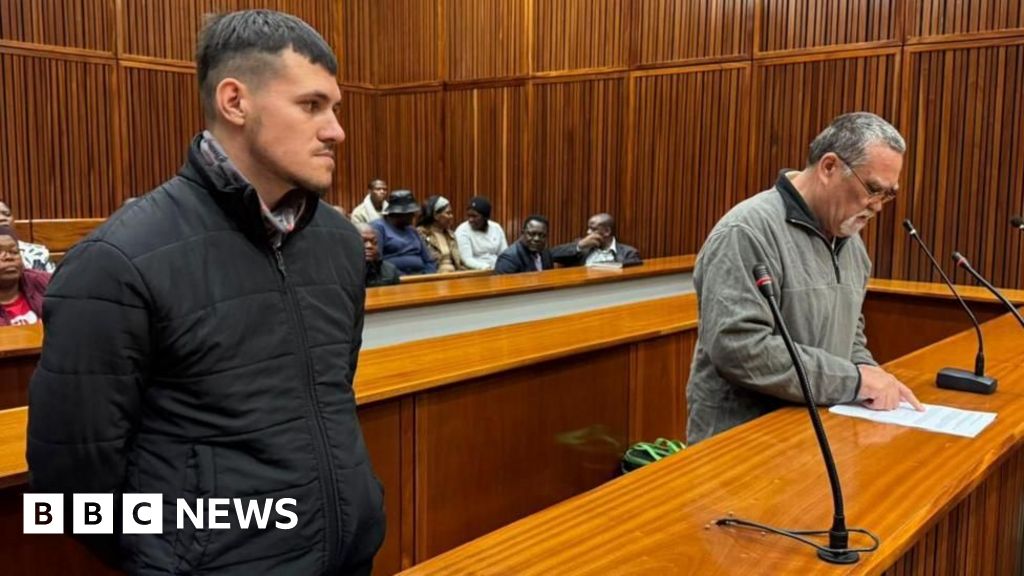
The sordid details emerging from a court case in South Africa have shocked the global community and laid bare the ongoing struggles within this once oppressed nation. A 21-year-old farm worker, Adrian De Wet, has testified to a gruesome series of events involving the murder of two women, Maria Makgato and Lucia Ndlovu, whose deaths have ignited widespread outrage. De Wet, who was coerced into assisting his boss, Zachariah Johannes Olivier, and another man, William Musora, in disposing of the victims’ bodies by tossing them into a pigsty, has provided chilling details that paint a stark picture of brutality rooted in racial and economic tensions still festering beneath South Africa’s surface.
According to De Wet’s court testimony, the incident unfolded during a night when Olivier and himself, armed with hunting rifles, waited for trespassers on the farm near Polokwane. When voices approached, they opened fire, killing the women who were simply seeking food — an act that reveals much about the desperation and social divide in the country. The gruesome aftermath, including pigs frenzied over the remains and the subsequent destruction of evidence, underscores a disturbing attempt to hide the violence. Court exhibits showing mutilated bodies and evidence of the pigs’ attack highlight the far-reaching consequences of such unthinkable acts, and the contamination of justice and morality in this rural landscape.
Geopolitical Impact and Societal Ramifications
This case is not just a tragic criminal story; it’s a flashpoint with deeper implications for South Africa’s geopolitical stability. As noted by international analysts, the incident exemplifies the persistent racial disparity and economic inequity that continue to pervade the country, two decades after the official end of apartheid. Most farmland remains in the hands of a white minority, while a majority of black farmworkers live in poverty and are vulnerable to violence and neglect. This division fuels resentment and undermines societal unity, exacerbating tensions that threaten to destabilize the fragile political landscape. Human rights organizations and historians warn that such tragedies could serve as catalysts for greater unrest unless comprehensive reforms address economic disparity and promote integration.
Moreover, the international community watches with concern as South Africa grapples with its identity and path forward. While the nation aspires to be a leader on the continent, incidents like this expose a failure in governance, rule of law, and social cohesion. The ongoing trial, scheduled to resume next week, is seen by many as a critical test of whether justice can be truly served amid profound societal fractures. As United Nations and African Union officials stay alert, questions about the country’s stability and commitment to progress remain salient. This case underscores the dangerous potential of unresolved racial and economic grievances, with some analysts warning that neglect could lead to further escalation and destabilization across the region.
This tragedy yet echoes the haunting shadows of a nation still grappling with its past and present
As the court proceedings unfold, the weight of history presses down on South Africa’s shoulders, a reminder that the scars of racism, inequality, and violence are far from healed. The vivid images of mutilated bodies and footprints of apathy threaten to become symbols of a society at a crossroads. Will justice rectify this deep wound, or will the pattern of brutality continue to haunt the land? The answers remain uncertain, but one thing is clear: The story of South Africa’s struggle is far from over, and the pages being written today will determine the course of its future in the annals of history.