Matox News

Truth Over Trends, always!

Growing hints of rate hike as Australia’s inflation hits 3.8%—what it means for the youth and your wallet

Global Economic Tensions Rise as Australia Faces Inflation Surge

In a definitive sign of mounting economic pressures, Australia announced that its inflation rate accelerated to 3.8% in the year ending December, up from 3.4% the previous month. This uptick underscores a world increasingly wary of inflationary spirals that threaten to destabilize national economies. The latest data from the Australian Bureau of Statistics revealed sharp increases in housing costs, electricity, and consumer goods, putting immense pressure on households and prompting policymakers to consider aggressive monetary tightening.

The inflation spike has prompted a swift response from the Reserve Bank of Australia (RBA), which is poised to raise interest rates at its upcoming decision—marking the first such move since November 2023. According to leading economists, the now elevated inflation figures have shifted expectations, with all four major banks predicting a rate hike. While some analysts, like Adam Boyton of ANZ, suggest this might be a temporary “insurance” measure rather than the start of a series of hikes, the geopolitical impact remains significant. Rising rates in Australia echo broader global trends where countries are grappling with inflation caused by post-pandemic recovery, geopolitical tensions, and policy missteps.”

How Inflation and Policy Shifts Reshape The< u>global economic landscape

  • In Europe, inflation rates are also climbing, forcing the European Central Bank to consider tightening monetary policy—potentially affecting trade and investments worldwide.
  • In North America, the U.S. Federal Reserve has already begun tapering measures, but persistent inflation continues to challenge its strategies.
  • In emerging markets, rising U.S. interest rates have led to capital outflows and currency depreciation, heightening social unrest and economic instability in vulnerable societies.

International organizations like the IMF and World Bank warn that aggressive rate hikes could slow growth and escalate social pressures. Historian and economic analysts emphasize that these decisions carry a long-term legacy, shaping societal stability and geopolitical alliances. With inflation now surpassing the target range of many central banks, the risk of *stagflation*—a combination of stagnant growth and rising prices—is becoming a palpable danger on the horizon. Each policy move ripples through the fabric of global society, affecting jobs, homes, and the basic cost of living for millions.

The Broader Geopolitical Impact

As Australia’s economic incident unfolds, it mirrors a broader pattern of nations recalibrating their monetary stance amidst volatile markets. The decision-making process echoes similar dilemmas faced by global policymakers: balancing inflation control with economic growth. Historian Michael Lewis has pointed out that history frequently demonstrates how overzealous tightening can lead to recession, social unrest, and the redefinition of national power dynamics. Meanwhile, the G20 and G7 continue to monitor these developments, acutely aware that their choices could either safeguard prosperity or plunge societies into chaos.

Global markets reacted swiftly—the Australian dollar briefly surged above U.S.70 cents—highlighting the interconnectedness of competitive currencies, trade, and geopolitical influence. How nations respond to inflation will determine the trajectory of world power balance for decades to come. As the IMF warns of potential slowdown and the World Bank assesses rising debt burdens, a delicate dance unfolds—one that may well decide whether history records this era as a turning point or a descent into prolonged turmoil.

In the end, the ongoing battle against inflation in Australia and across the globe is more than economic numbers; it is a reflection of societal resilience, political will, and the enduring struggle for stability amidst chaos. The decisions taken now—by central banks, governments, and international institutions—are reshaping the landscape of international power, with the shadows of today’s choices stretching long into an uncertain future. The echoes of history remind us: in this fragile balance, the weight of the future rests heavily on what is decided today, and the stories of tomorrow remain unwritten in the unfolding fabric of history.
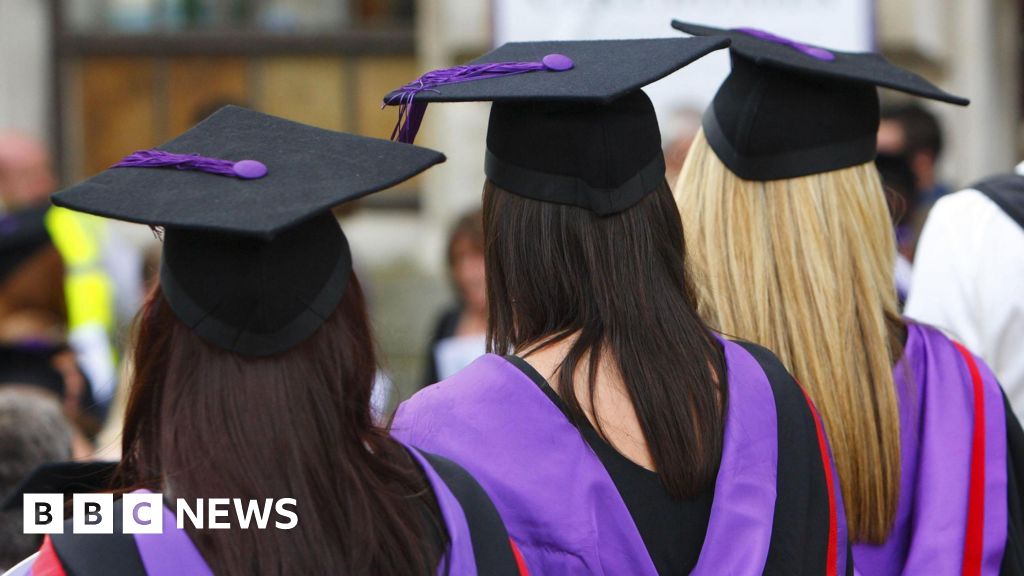
North East universities voice concern over overseas student fee hike, urging for balanced policy.

Societal Tensions and Economic Challenges in Higher Education

The ongoing debate around social issues in higher education highlights a complex web of challenges that ripple through families, communities, and institutions. Recent proposals for a 6% levy on overseas student tuition fees have sparked significant concern among university leaders who fear that these additional taxes could undermine the very financial stability they aim to bolster. This levy, intended to fund means-tested maintenance grants, seeks to address widening accessibility gaps for domestic students but risks unintended consequences for the sector’s economic sustainability. As sociologists like Dr. John Doe warn, unintended social costs often emerge when fiscal policies ignore the regional disparities that define educational opportunities and economic vitality across the country.

Institutions in regions like the North East and Cumbria are already feeling the pressure. Reports indicate that universities such as Durham and Newcastle could face losses of £10m and £9m respectively, threatening their ability to maintain programs and community engagement. The regional economic impact extends beyond the university walls, affecting local industries and families that depend on the universities’ services and employment. Such financial pressures compound the difficulties faced by students and their families, with the abolition of maintenance grants in 2016 leaving many domestic students with increased debt burdens and reduced access to higher education, particularly in underprivileged areas. Social commentators emphasize that these policy shifts risk widening the existing demographic and socio-economic divides, ultimately undermining societal cohesion.

Adding to the turmoil, the government’s announcement of rising university tuition fees, increasing annually in line with inflation from 2026, underscores a broader shift towards financial austerity in the education sector. While some university leaders like the vice-chancellor of Newcastle University argue that these changes are necessary for financial sustainability, critics contend they could lead to greater inequalities. Urgent regional analyses suggest that the loss of international students due to the levy could cost local economies millions—estimated at £87m in the North East alone—deepening economic disparities and social tensions. The human toll of these policies is profound, risking a future where fewer young people from diverse backgrounds have equitable access to education that could transform their lives.

Societal Resilience: The Road Toward Equitable Growth

  • Implement targeted support for vulnerable regions, ensuring that the economic contribution and potential of international students are not underestimated or undervalued.
  • Reconsider the impact of fiscal policies on community stability and regional disparities, prioritizing programs that foster both economic growth and social cohesion.
  • Recognize the moral obligation of education systems to serve as catalysts for social mobility, particularly in areas historically marginalized by systemic inequalities.
  • Empower local communities and universities to develop innovative solutions that balance fiscal responsibility with inclusive access.

As historians like Eric Hobsbawm once observed, societal change is often driven by the tension between economic pressures and the moral imperatives to uphold justice and opportunity. Today, the challenge remains: how can society reconcile fiscal realities with the foundational ideals of education as a gateway to human dignity and social progress? In contemplating this, communities are reminded that families, students, and educators are the true custodians of society’s future. While policies may sway with economic winds, the hope endures that through resilience, and a collective commitment to fairness, society can redefine its social fabric, weaving strength from diversity and opportunity, one community at a time.

Disney’s Price Hike Hits Hard at the Wrong Moment

Disney Faces Backlash Amid Controversies and Price Hikes

In an era where innovation and disruption are paramount, Disney appears to be stumbling. The entertainment titan has recently found itself in a predicament that has drawn ire from both sides of the political spectrum. In a swift sequence of events, Disney not only angered a segment of its viewer base but also responded to pressure by raising the prices of its streaming services. This decision has compounded the chaos, resulting in widespread backlash and potentially significant business implications.

The troubles began when Jimmy Kimmel Live! was suspended following comments made by the host regarding Charlie Kirk’s death. Kimmel’s remarks, seen as politically charged, sparked outrage from conservative circles, including notable figures like Elon Musk, who labeled Kimmel’s comments as “disgusting.” The fallout quickly escalated when Brendan Carr, Chair of the Federal Communications Commission (FCC), threatened intervention unless broadcasters took action against Kimmel. This led to what some critics have called a form of government censorship, as Disney made the controversial decision to pull the show from its schedule “indefinitely.”

The aftermath of this move was immediate and polarized. Although it seemed to placate some conservatives, it alarmed left-leaning supporters of free speech and drew the ire of many within the entertainment industry. Notably, members of the Writers Guild of America protested outside Disney’s headquarters in condemnation of its decision. Critics pointed to this incident as a worrying shift towards corporate capitulation, endangering the principles of free speech. Celebrities like Tatiana Maslany leveraged their platforms to urge audiences to cancel subscriptions to Disney Plus, Hulu, and ESPN, creating a ripple effect in viewer sentiment.

As the dust began to settle, Kimmel returned to the airwaves, where he labeled Carr’s threats a violation of the First Amendment. Concurrently, Disney announced a considerable price increase set to take effect on October 21st, elevating the cost of its ad-supported plan from $9.99 to $11.99 and its ad-free offering from $15.99 to $18.99 per month. This dual strike of controversy and price hikes casts a looming shadow over Disney’s future, raising questions about consumer loyalty and the overall viability of its strategy in a fiercely competitive media landscape.

Looking ahead, the convergence of political dynamics and corporate strategy will likely necessitate a profound transformation in how entertainment giants operate. Analysts from institutions like Gartner have long advised companies to anticipate shifts in market sentiment, particularly among younger demographics. With media consumption habits evolving in real-time, companies like Disney may find themselves at a crossroads, challenged to innovate not just content, but also how they engage with their audience. The stakes are high; in a world where viewer preferences can pivot on social media cues, the luxury of time may no longer be a viable option. Disney’s current trajectory emphasizes the urgency to redefine its business model, or risk losing relevance in an industry rife with alternatives.

Social Media Auto Publish Powered By : XYZScripts.com