Matox News

Truth Over Trends, always!

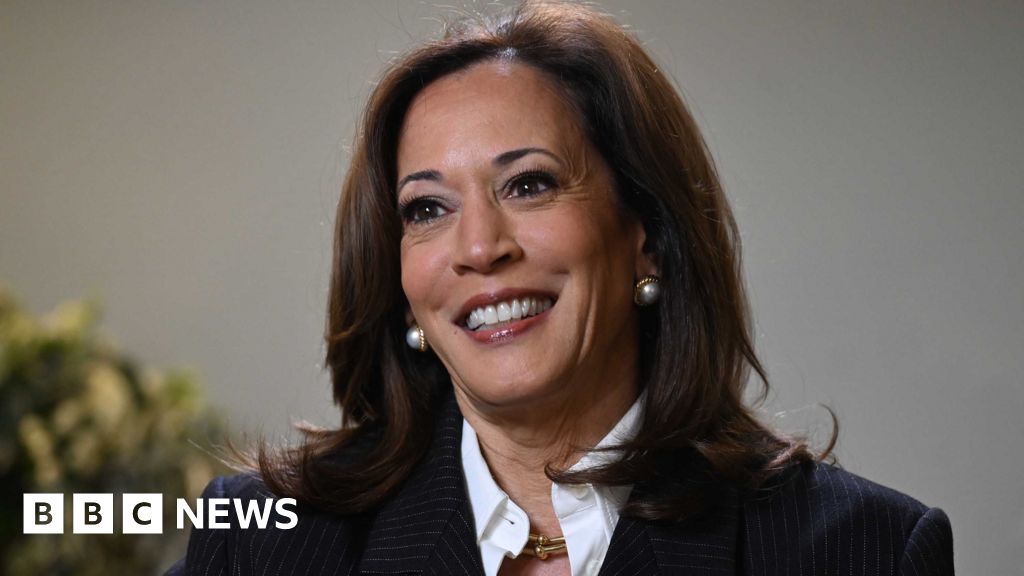
Kamala Harris hints at another run for president—what it means for America

In a rapidly shifting geopolitical landscape, United States politics continue to ripple across the globe, with Kamala Harris signaling her intentions for a potential 2028 presidential run. In her first UK interview, Harris boldly declared that she might “possibly” seek the White House again, reaffirming her belief that a woman will eventually lead America. Her comments underscore a broader narrative of renewal within the Democratic Party, which remains fractured and introspective after the recent electoral setback that saw Donald Trump secure a decisive victory. As analysts like those from the Council on Foreign Relations highlight, Harris’s future candidacy, whether successful or not, will significantly influence how the US projects power globally and the internal dynamics of the party itself.

  • Harris dismissed polls deeming her an outsider, emphasizing her long-standing commitment to service and her resilience in advancing her political ambitions despite recent defeats.
  • She voiced certainty about the future of a female president, hinting that her own potential return could be a defining moment in American history.
  • Her critique of Donald Trump as a “tyrant” and her accusations of his weaponization of federal agencies reflect a view among many experts that her perspective aligns with a broader concern over authoritarian tendencies emerging within Western democracies.

Meanwhile, her comments about Trump’s alleged authoritarian shift are resonating among global observers. Historians such as Dr. Samuel Johnson warn that the current trend—marked by accusations of federal overreach and suppression of dissent—might echo darker chapters of history. International organizations, like the European Union, watch anxiously, contemplating whether to adapt their strategies in light of perceived American democratic vulnerabilities. Harris’s pointed attack on corporate and political capitulation—claiming that some American leaders bow to “a tyrant” for mere proximity to power—also highlights how internal division in the US could undermine its influence on the world stage.

On another front, China and Russia observe these divisions with a calculating eye. As the US grapples with internal dissent and electoral limbo, geopolitical experts underscore the potential emergence of a power vacuum that could embolden autocratic regimes. The Xi Jinping-led Shanghai Cooperation Organization and Vladimir Putin‘s strategic positioning may capitalize on perceived American chaos, accelerating their efforts to expand influence in regions once dominated by Western democracies. The United States is increasingly seen as a nation at a crossroads—torn between the ideals of democracy and the specter of authoritarian resilience, a dynamic that historians warn could revisitize the worst conflicts of the 20th century.

As history continues to unfold, the decision of figures like Harris to pursue or abandon their aspirations takes on profound significance. Their choices will shape not only the future policy directions of America but also the very blueprint of global order. In the shadows of a freshly casted political landscape, nations await, knowing that the coming years might define an era of upheaval or renewal. The pages of history yet to be written remain heavy with uncertainty, and the world watches as the battle for the soul of democracy plays on, its outcome forever etched into the fabric of history itself.

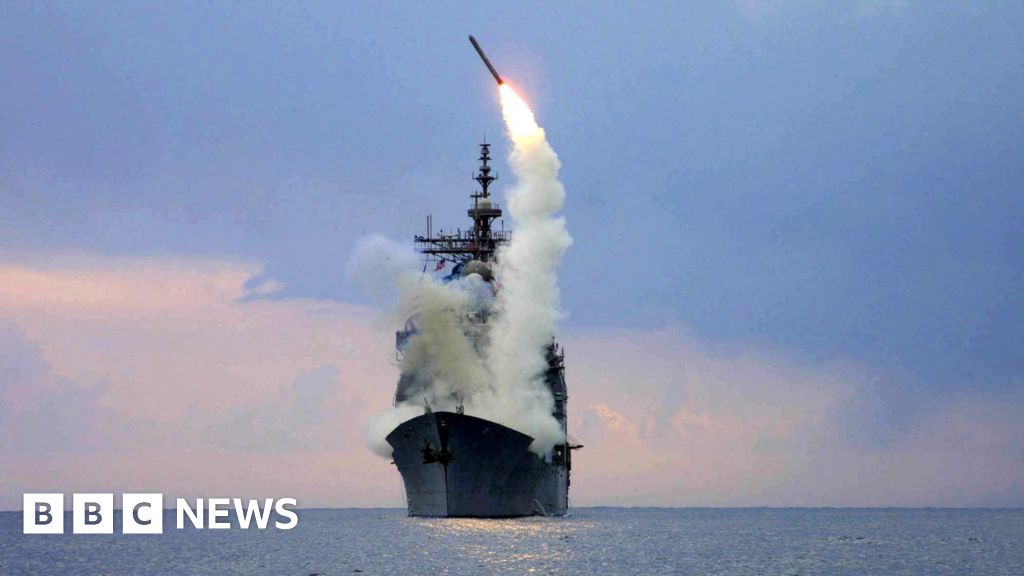
Trump hints Ukraine could soon get Tomahawks to challenge Russia

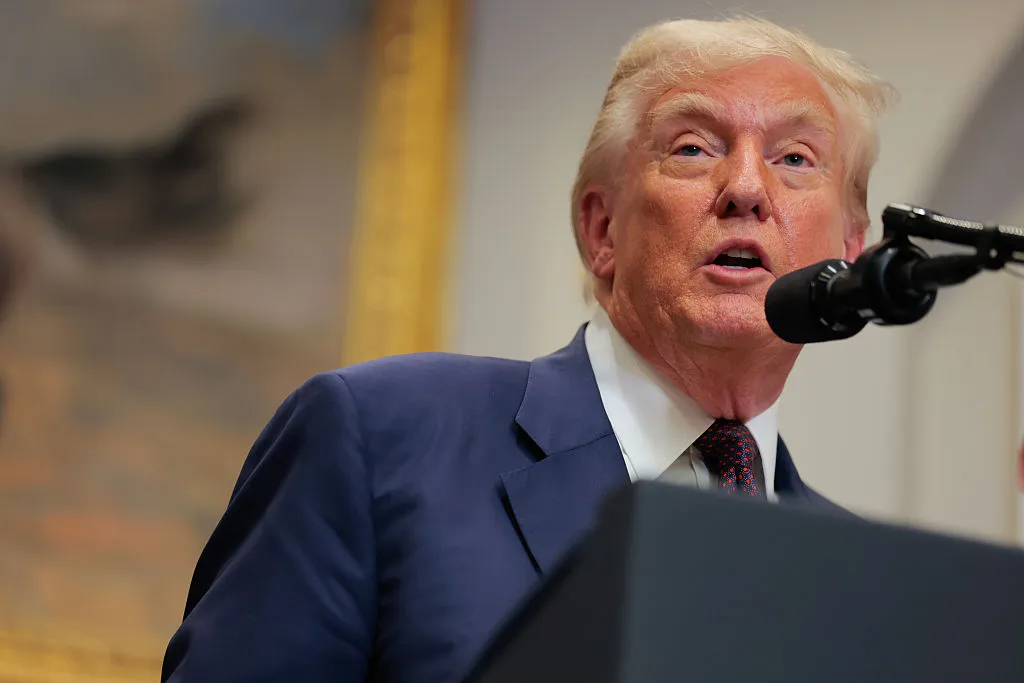
The United States is once again at the heart of escalating geopolitical tensions in Eastern Europe as reports emerge that President Donald Trump is contemplating the deployment of Tomahawk long-range cruise missiles to support Ukraine. This potential move raises alarm bells within Moscow, which has explicitly warned that supplying such advanced weaponry could trigger a major escalation in the ongoing conflict. The prospect of deploying missiles with a range of over 2,500 km, bringing Russian cities within reach, signifies a critical juncture in the Russia-Ukraine war that could radically reshape regional stability.

In recent conversations, including multiple calls between Volodymyr Zelensky and Donald Trump, Kyiv has pressed for enhanced military capabilities, especially long-range systems crucial for striking Russian supply chains and strategic targets deep inside their territory. As these discussions unfold, the rhetoric from Moscow remains unequivocal: any deployment of Tomahawk missiles by the U.S. would constitute a significant escalation and an infringement on Russia’s national security. Kremlin spokesperson Dmitry Peskov publicly dismissed claims that such missile systems could alter the course of the war, warning that “they won’t be able to change the dynamic.”

Analysts argue that U.S. decision-makers are walking a fine line, with some suggesting that any military aid extending Ukraine’s reach into Russian territory risks igniting a broader conflict that could involve other global powers. Countering this, some American and international voices warn that without such decisive support, Ukraine’s struggle against Russian aggression could be prolonged or even fail. The debate is fierce, with critics within Washington cautioned by the State Department’s own warnings about the potential for an anti-American backlash if escalation leads to a wider war. Meanwhile, European allies remain divided, balancing their support for Ukraine with fears of provoking Moscow further.

This development underscores a broader pattern where international institutions and experts emphasize that today’s decisions will carry profound consequences. The history of modern warfare demonstrates that the introduction of long-range missiles often marks a turning point—transforming localized conflicts into wider regional or even global confrontations. As historians warn about the dangers of escalation, the weight of this moment is clear: the choices made by Western powers in the coming days could shape the geopolitical landscape for decades to come, determining whether peace or chaos prevails. With each passing day, the shadows of history stretch further, and the pending decision on Ukraine could very well tip the balance of the global order, leaving the world on the precipice of a new, uncertain chapter.

Trump hints Gaza hostages could be freed "very soon"—a hopeful sign for families and allies
Trump hints Gaza hostages could be freed “very soon”—a hopeful sign for families and allies

The ongoing conflict in Gaza continues to threaten regional stability, as international mediators prepare for a crucial round of indirect peace talks in Egypt. President Donald Trump has expressed optimism about the potential release of hostages, suggesting that they will be freed “very soon” following some progress made through mediated negotiations with Hamas. This development marks a rare glimmer of hope in a cycle of violence that has devastated Gaza and stoked fears of a broader regional escalation. The talks, set to occur on Monday, come against the backdrop of a complex diplomatic landscape, where the Trump administration’s 20-point US peace plan is both a blueprint for peace and a reflection of shifting geopolitical alliances.

Much of the recent diplomacy has been driven by Egyptian, Qatari, and Turkish mediators, who have successfully convinced Hamas to temper its previously intransigent stance and to leave contentious issues like disarmament and Gaza’s long-term governance off the table for now. Instead, the group appears willing to accept limited concessions, such as the release of some hostages and temporary governance arrangements. Many analysts interpret this tactical flexibility as a recognition by Hamas of its limited leverage after over two years of relentless conflict, with some cautioning that it also exposes the group’s precarious political position. Historically, conflicts rooted in such tactical moves often carry unforeseen consequences—either paving the way for peace or unleashing a new chapter of chaos.

Nevertheless, Israeli military operations persist, with airstrikes in Gaza continuing into the weekend despite international calls for a ceasefire. Israel asserts that these strikes are defensive, justified by the ongoing threat posed by Hamas. Israeli authorities, led by Prime Minister Benjamin Netanyahu, maintain that their military response is carefully calibrated to avoid a full-scale invasion, but reports from Gaza detail ongoing destruction, including the loss of civilian lives and residential buildings. According to Gaza’s Hamas-run health ministry, over 65 individuals were killed in the past 24 hours alone, highlighting the mounting toll in a conflict where the line between military necessity and humanitarian catastrophe has blurred. The international community, including the US Secretary of State Marco Rubio, continues to emphasize that an immediate cessation of bombardments is essential to facilitate hostage negotiations, underscoring the intertwined nature of military actions and diplomatic progress.

In this delicate dance of diplomacy and violence, the implications extend far beyond Gaza’s borders. American and Middle Eastern officials are keenly aware that the decisions made in Cairo will have lasting geopolitical impact, potentially reshaping alliances and regional power dynamics. Many experts caution that if diplomacy falters, the conflict could escalate into broader regional instability, complicating the global fight against extremism. As negotiators, including US envoy Steve Witkoff and Qatari Foreign Minister Sheikh Mohammed bin Abdulrahman Al Thani, prepare for these critical talks, history hangs in the balance. The shadows of previous failed peace efforts and the recent surge in violence cast a heavy pall, reminding the world that the road to peace remains fraught with peril and uncertainty.

As the region holds its breath, the unfolding story of Gaza continues to write itself into history—an ongoing saga of conflict, diplomacy, and human resilience. With every diplomatic handshake and each devastating strike, the weight of generations converges on a fragile moment, where the future is yet to be written. The outcome of this week’s negotiations may determine whether the echoes of war will fade or whether they will reverberate through history as another chapter of unresolved tragedy—an indelible mark on a region already scarred by decades of strife.

Social Media Auto Publish Powered By : XYZScripts.com