
Breaking News: US Government Shutdown Ends After Historic 40-Day Stalemate
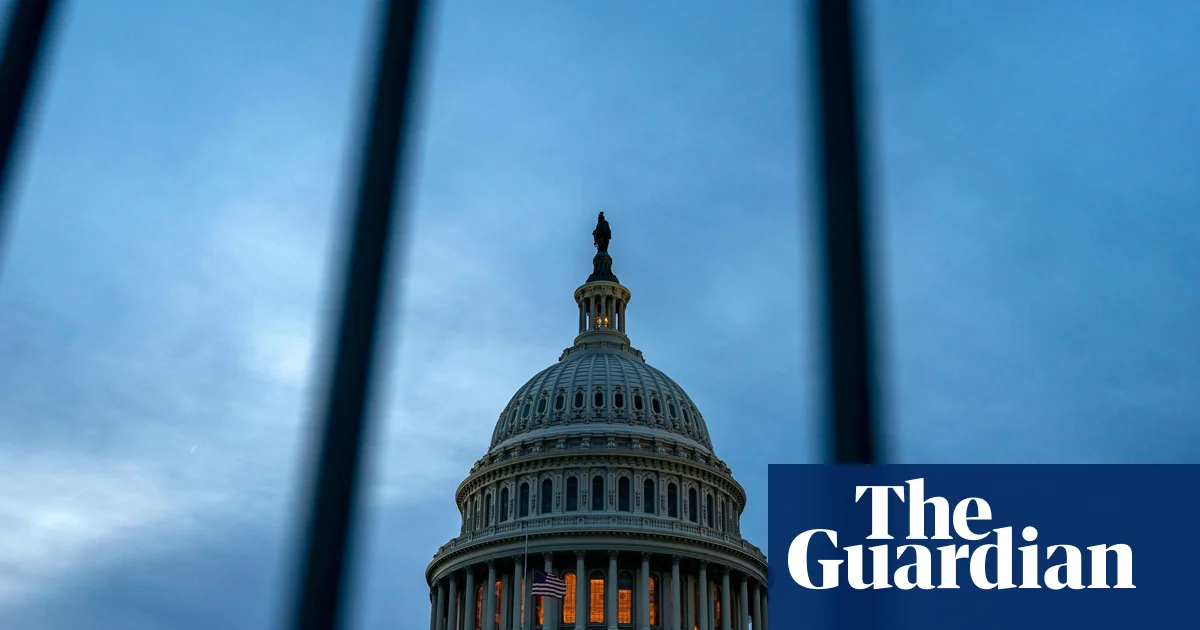
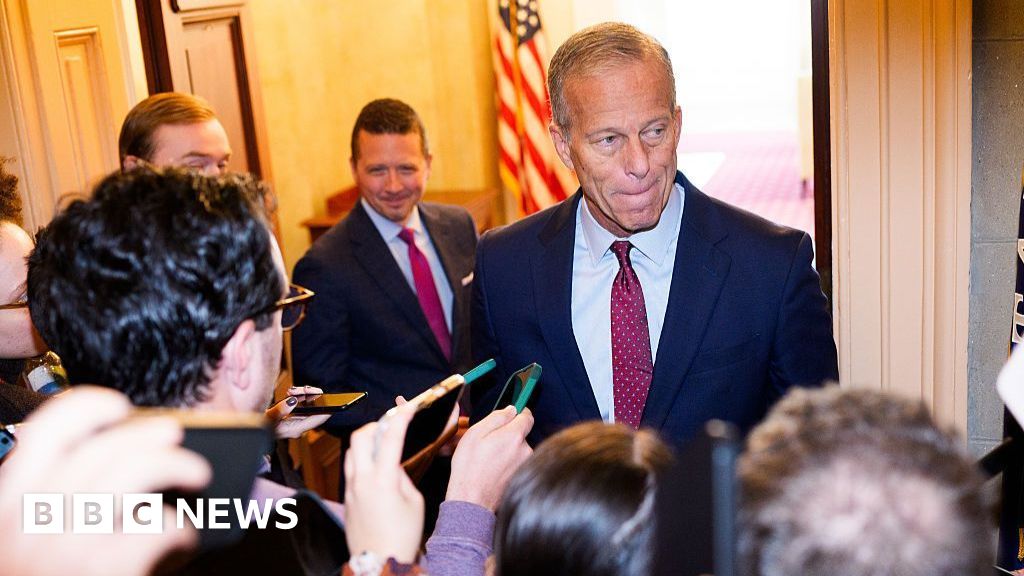
The prolonged shutdown of the United States government — the longest in history — has finally come to a tentative close, signaling a potential shift in the country’s political landscape. After intense negotiations over the weekend, Senate Majority Leader John Thune and a coalition of senators from both sides reached an agreement to temporarily fund federal operations. This deal, receiving a narrow majority vote, is seen as the first tangible step toward resolving the impasse that has left roughly 1.4 million federal employees unpaid and critical services suspended since October 1. The impact on everyday Americans has been profound: essential food assistance, air travel safety, and other services have been hamstrung by partisan gridlock, exposing the fragility of America’s political system.
Despite broad bipartisan support for ending the deadlock, the deal has exposed deep divisions within the Democratic and Republican parties. The agreement, which requires further approval from the House of Representatives, includes crucial provisions such as a vote scheduled for December to extend healthcare subsidies—an issue fiercely contested by Democrats. Analysts warn that unresolved healthcare crises and mounting debt threaten to send the nation tumbling back into turmoil. High-profile Democrats, including Chuck Schumer, have publicly criticized the deal for lacking substantive measures to address the broader healthcare crisis gripping millions of Americans. Meanwhile, Republican leaders emphasize this as a victory for pragmatic governance but acknowledge that the fight over long-term solutions remains unresolved.
Geopolitical Impact and How Decisions Shape Societies
The resolution of the shutdown underscores a critical lesson for international observers: in an era of mounting global challenges—climate change, economic instability, and shifting alliances—the internal stability of a superpower like the US is paramount. Historians warn that continuous political deadlock weakens America’s ability to project influence abroad and undermines confidence in its leadership. According to analysis from the Council on Foreign Relations, unsettled domestic politics can embolden rivals such as China and Russia, threatening the global balance of power.
Furthermore, domestic decisions regarding budget and policy priorities ripple globally, shaping markets and geopolitics alike. As European nations and Asia-Pacific countries monitor Washington’s commitments, the possibility of recurring shutdowns casts a shadow over future diplomatic negotiations. The rise of multilaterals and bilateral agreements cannot compensate for the unpredictability emanating from Washington’s Capitol Hill—a lesson learned painfully by allies and adversaries alike. Some international analysts warn that a weakened US could leave vacuum spaces that rival powers are already positioning to fill.
The Road Ahead: From Short-Term Relief to Long-Term Stability
While today’s agreement halts the immediate crisis, the underlying issues remain unresolved. Seasoned political analysts suggest that the real fight begins now, with debates over long-term fiscal responsibility and healthcare reform looming large. The Debt Ceiling, the rising national debt, and the future of social programs pose fundamental questions that threaten to ignite the next political firestorm. The coming weeks will test whether bipartisan cooperation is merely a temporary lull or the start of genuine reform.
This chapter in American history may be closing, but the story remains far from over. As the world watches with bated breath, the unfolding saga of governance—filled with negotiations, betrayals, breakthroughs—continues to write itself in history’s bleak yet hopeful pages. The weight of what is to come rests now on the fragile bridges of compromise that lawmakers attempt to build, for the turbulent currents of change threaten to sweep away the landmarks of the past.