Matox News

Truth Over Trends, always!

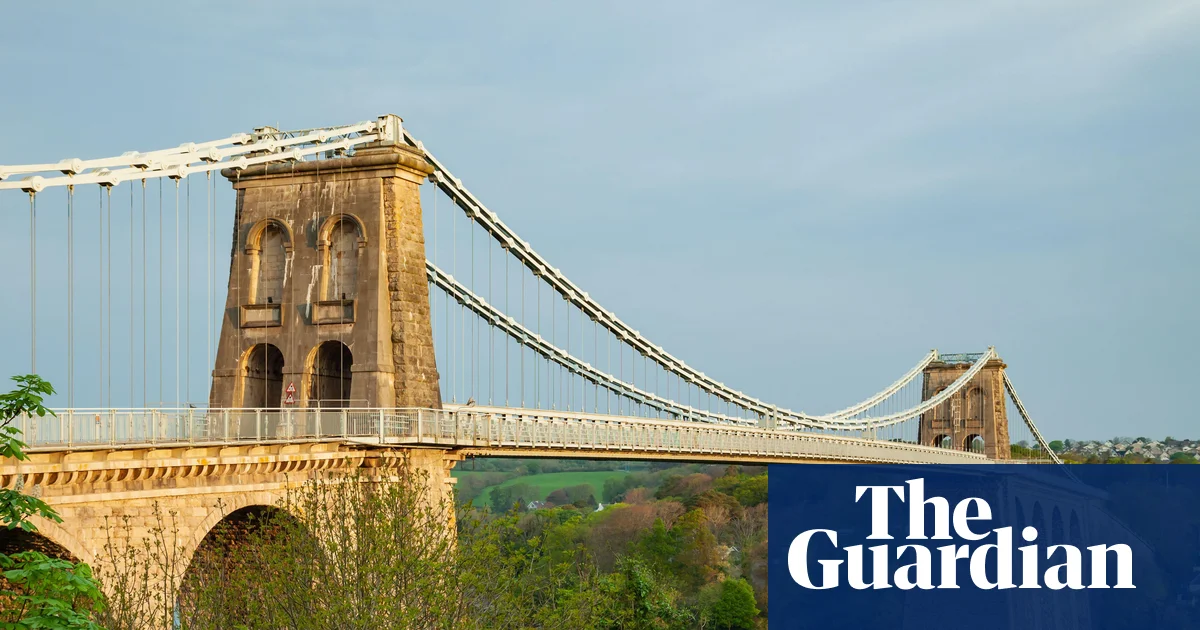
Anglesey’s Historic Bridge Turns 200—A Testament to Endurance and Heritage

As Britain marks the 200th anniversary of the Menai Bridge, it becomes clear that this historic marvel of engineering is more than just a physical structure—it embodies a pivotal era in geopolitical development and infrastructure innovation. Designed by the legendary Thomas Telford, the bridge revolutionized communication and trade links between Great Britain and Ireland. The celebration underscores the lasting influence of the bridge, which for two centuries has stood as a symbol of British ingenuity and resilience, despite ongoing structural challenges.

  • Constructed between 1819 and 1826 at a cost of British innovation, the Menai Bridge was the world’s first major suspension bridge, showcasing Telford’s mastery and setting a precedent for future global civil engineering projects.
  • Its completion marked the last piece in the London-Holyhead route, drastically reducing travel times and enhancing safety at a time when Ireland was increasingly integrated into economic and political life of the United Kingdom.
  • The bridge’s design incorporated meticulous measurement techniques—feats that engineers today highlight as pioneering—such as the use of hundreds of uniform iron cables with adjustable links, a process still admired by *international engineering communities*.

Yet, the age of the Menai Bridge has not come without strife. In recent years, safety concerns have surfaced amid reports of structural defects that threaten to impede vital traffic flow. The Welsh government announced additional repairs, with completion now scheduled for next February. Such decisions reflect a broader geopolitical dilemma: how to preserve Britain’s historical infrastructure amidst economic constraints and modern safety standards. Analysts warn that neglecting these structures could jeopardize not only local transport but also national prestige, as they are often perceived as symbols of a nation’s industrial might and cultural legacy. Historians, like Dr. Eleanor Smith, emphasize that “the ongoing effort to maintain Telford’s engineering masterpiece is a reminder that Britain’s infrastructure is a living heritage — one which must be actively protected to sustain its long-term influence.”

In the context of rising international tensions and shifting alliances, the maintenance of such iconic projects holds profound geopolitical significance. As European and global powers face new challenges—be it economic instability or strategic competition—the importance of resilient infrastructure becomes ever more pronounced. How nations choose to invest in and preserve their key symbols of progress directly affects societal stability and international perception. Meanwhile, the celebration of the bicentenary—featuring plaques, talks, and community events—serves as a reminder that history is continually being written. With experts optimistic about the bridge’s future, some argue that if properly cared for, it could endure for another two centuries—standing firm amidst a rapidly changing world.

Ultimately, the story of the Menai Bridge is a chapter in the ongoing narrative of human achievement and national identity. As the structures of the past face modern pressures, the saga of their preservation underscores a universal truth: the forces shaping our world are not only found in geopolitics or economics but are also embodied in the enduring symbols of our collective history. As we look toward an uncertain future, the looming question remains—will we honor this heritage and safeguard the bridges that connect us? Or will neglect consign them to the annals of history, leaving a generation to wonder about the legacy of bygone eras? The answer lies in how today’s decisions will echo through the ages, forging the path that future generations will follow—and perhaps, how they will look back at the resilience of structures like the Menai Bridge as monuments of societal perseverance and national pride.

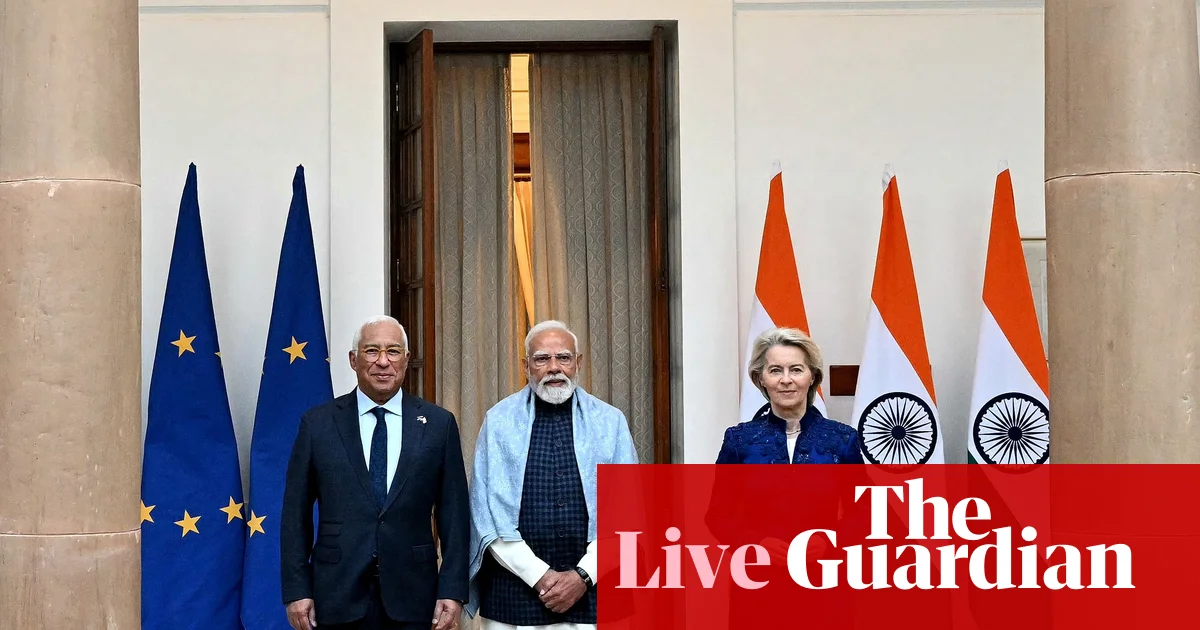
EU and India seal historic trade deal—big win for youth and the economy

The European Union has recently cemented a landmark victory in global trade negotiations by finalizing a comprehensive agreement with India. This deal, heralded as “the mother of all trade deals” by Ursula von der Leyen and praised by Prime Minister Narendra Modi for its historic scale, marks a pivotal moment in the shifting landscape of international commerce. With tariffs on cars set to plummet from as high as 110% to just 10% over five years, the accord opens up India’s protected market, promising a lucrative channel for EU exports worth over €180bn annually, and supporting nearly 800,000 European jobs. It is a testament to how geopolitical and economic considerations have converged at a defining juncture, with the EU seeking diversification amid strained relations with the United States and uncertain global trade dynamics.

Importantly, the significance of this agreement transcends mere tariffs. It embodies a strategic pivot by the European Union to strengthen alliances with emerging economic powerhouses at a time when global order is under redefinition. Analysts and historians emphasize that such a move signals a powerful shift toward multi-polarity, reducing reliance on traditionally dominant economies.

  • The accord connects more than 2 billion people into a single market, a rise in regional economic connectivity that could ripple across the globe}
  • It underscores Europe’s strategic effort to counterbalance the monopsony power of China and the unpredictability of the US under tariffs-driven policies
  • Historically, trade deals like this—long in the making—are often seen as precursors to broader geopolitical alliances

The broader geopolitical impact of operationalizing this deal cannot be understated. It sends a clear message to the world: as the global order is “being fundamentally reshaped,” Western powers are actively creating new blocs and partnerships that challenge the old hierarchy. Recent weeks have seen the EU sign a deal with Mercosur, after two and a half decades of negotiations, further illustrating a pattern of diversification away from US-centric trade reliance. Economists warn that such measures could deepen divides, foster new alliances, and ignite competition on a scale that history has rarely seen. Especially noteworthy is how Europe’s renewed engagement with India aligns with strategic interests beyond commerce, including security, defense, and geopolitical influence, in a period marked by rising tensions in Ukraine and disputes over Greenland’s strategic resources.

Finally, as the global chessboard continues to shift, the significance of these negotiations remains clear. They are not merely economic transactions but are cornerstones in the construction of a new geopolitical architecture. The decisions made today will set the tone for decades to come, echoing through history as pivotal moments where old world order gave way to new alliances and rivalries. The narrative of this era is still unfolding—each trade agreement, each diplomatic handshake, a page in the vast and complicated story of global power—leaving the modern world poised on the precipice of a new chapter that may redefine the very fabric of international society.

Pope Leo Makes Historic Visit to Istanbul's Blue Mosque
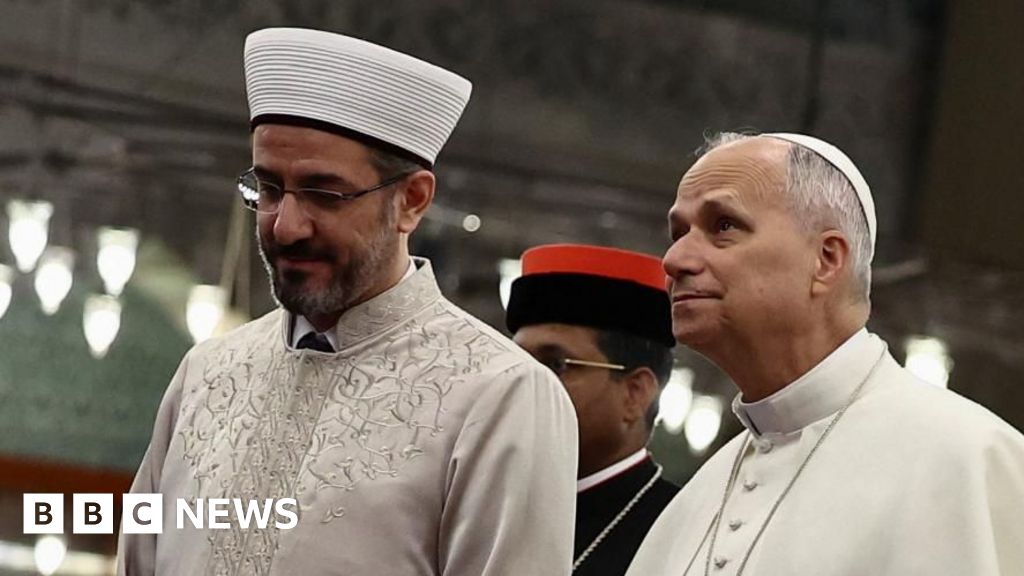
Pope Leo Makes Historic Visit to Istanbul’s Blue Mosque

Global Diplomacy and Faith: Pope Leo XIV’s Historic Journey to Istanbul and Lebanon

In a move that underscores the renewed importance of *interfaith dialogue* and *geopolitical stability*, Pope Leo XIV embarked on his first official visit to a *Muslim place of worship* by touring the Sultan Ahmed Mosque, popularly known as the Blue Mosque, in Istanbul. This historic gesture, aligned with his predecessor’s acts of spiritual outreach, offers a potent symbol of *bridging divides* amidst a rapidly evolving global order. The church’s leader, who entered with a bow, refrained from performing prayers—an act that emphasizes both respect and the delicate balance of religious diplomacy. The Vatican publicly stated that the visit was “in a spirit of reflection and listening,” signaling an understanding that *building trust and mutual respect* between faiths remains a cornerstone for global stability.

This visit is part of a broader four-day pilgrimage to *Turkey and Lebanon*, regions that have become flashpoints for wider geopolitical shifts. The purpose extends beyond the spiritual, serving as a diplomatic gesture aimed at fostering dialogue between Christians, Muslims, and other faith communities. In Beirut, Pope Leo will meet with *faith leaders and youth*, and pay homage at a site scarred by the devastating 2020 port explosion—an act symbolizing resilience and hope in a zone often defined by conflict and fragility. Such gestures naturally ripple through the international sphere, influencing perceptions of *Western influence* and *interfaith cooperation*, especially in a time marked by *heightened global tensions*.

Geopolitical Ramifications and International Alignments

  • The Pope’s engagement in Istanbul and Beirut underscores the complex reality of *Islamic-Christian diplomacy*, vital in a world where geopolitical alliances are shifting rapidly. European and Middle Eastern nations observe with keen interest, recognizing that religious gestures often carry layers of geopolitical messaging. Historians and analysts note that the history of papal visits—from John Paul II’s historic trip to Damascus in 2001 to Pope Benedict XVI’s prayers at the Blue Mosque in 2006—demonstrates an evolution from purely spiritual acts to strategic diplomatic endeavors. These moments act as *soft power tools* designed to influence regional stability, counter extremism, and bolster alliances rooted in shared values.
  • The visit also demonstrates that *Western religious institutions are re-engaging with the Middle East* as a means of diplomatic influence, particularly in nations where faith remains intertwined with national identity. This increasing involvement can be viewed as an effort to counterbalance *regional conflicts*, such as the ongoing tension between *Turkey* and *Kurdish groups* or Lebanon’s fractured political landscape. Leaders and organizations like the European Union and the United Nations are closely monitoring these movements, which could either catalyze peace or exacerbate existing divides if mismanaged.
  • Furthermore, the thematic focus on *building bridges* is a stark reminder that *global conflicts often transcend borders*, demanding collective efforts rooted in mutual understanding. The timing is especially critical, as *rising geopolitical instability*—from the Taiwan Strait to Ukraine—threatens the fragile fabric of peace. The Vatican’s overtures are seen by some as a subtle assertion of moral leadership amid a world increasingly divided along ideological lines.

Implications for Nations and Societies

The decisions made during this diplomatic voyage are not without consequence. For **Turkey**, a nation balancing its Muslim identity with aspirations for European Union accession, the Pope’s visit signals a *potential softening of relations* with Western institutions and Christian communities. For **Lebanon**, a country suffering economic collapse and internal strife, the presence of the Pope and the orchestrated events serve as a rallying call for *unity and resilience*. As analysts warn, these acts of interfaith diplomacy may steer *domestic politics* and societal attitudes—either fostering *hope and cooperation* or exposing *divisions* exploited by radical factions.

International bodies like the Vatican and *religious organizations* are increasingly viewed as *alternative power brokers* capable of influencing *regional stability*. According to experts, such moves could either serve as *catalysts for peace* or, if missteps occur, deepen the divides they aim to bridge. With history watching from the sidelines, the significance of these gestures extends beyond the spiritual to encompass *geopolitical influence*—a reminder that in the chess game of global power, faith is often a pawn, a bishop, or a king.

As Pope Leo XIV’s journey concludes in Beirut, the weight of history presses heavily upon this unfolding chapter. *Will these acts of diplomacy herald a new era of cooperation?* Or will they become fleeting memories in a world where conflicts often outpace reconciliation? The answer remains unwritten, yet the echoes of these moments will undoubtedly resonate through the annals of history—reminding us that in the relentless tide of change, the pursuit of peace remains humanity’s most profound and perilous endeavor.

First in 320 Years: Lost Pieces Make Historic Return

Historical Discovery Reshapes the Legacy of Johann Sebastian Bach

In an extraordinary revelation that transcends centuries, two previously unknown organ compositions by Johann Sebastian Bach have been unveiled in Germany for the first time in over 320 years. This discovery has not only thrilled music historians and enthusiasts worldwide but also holds significant geopolitical impact by reaffirming Germany’s stature as the cradle of classical Western music. These works—titled Chaconne in D minor BWV 1178 and Chaconne in G minor BWV 1179—were first identified in 1992 during a cataloging effort by researcher Peter Wollny, who, after three decades of investigation, confirmed their authenticity.

The pieces were hidden within the archives of the Royal Library of Belgium, their untitled and unsigned status cloaking them in mystery. As historians and analysts study their stylistic nuances, it is clear they echo Bach’s early composition style, likely created during his tenure as an organ teacher in Thuringia, around 1705. The confirmation that they were written by Bach raises profound questions about the scope of his earlier catalog of works and the artistic mysteries still lurking beneath historical obscurities. Such revelations bolster Germany’s cultural prominence, drawing renewed global attention to its musical heritage amidst contemporary geopolitical tensions.

Global Significance of the Discovery and Cultural Legacy

Performed at the St Thomas Church in Leipzig—an enduring monument to Bach’s legacy—these works were brought to life for audiences thanks to the masterful Dutch organist Ton Koopman. His rendition illuminated the high artistry of these compositions, described as “of a very high quality” and adaptable to smaller organs—making them accessible for both historical and modern performances. The unveiling of these works is not merely a local achievement but a cultural milestone, acknowledged by Germany’s Cultural Minister, Wolfram Weimer, who called it a “great moment for the world of music.”

Many international scholars—including the Bach Archive in Leipzig—have underscored the unique stylistic characteristics that distinguish these works from Bach’s other compositions.

  • They underscore Bach’s evolving compositional techniques during his early years—an era little understood until now.
  • They also offer new insights into the pedagogical environment of Bach’s youth, shedding light on the influence of his pupils, such as Salomon Günther John.

Furthermore, the discovery serves as a stark reminder of how intertwined the cultural heritage of Germany is with its broader national identity, especially amidst threats to global stability. As international organizations warn of ongoing geopolitical shifts, the continued preservation and celebration of classical traditions serve as anchors of cultural resilience. Historians warn that such heritage, if lost or overlooked, diminishes the collective memory of a civilization.

Unfolding Threads of History in a World on the Brink

As the world watches these revelations unfold, one must consider how such discoveries animate the ongoing narrative of history—reminding us that the past is never truly dead but constantly evolving. The uncertainties of international diplomacy and the shifting alliances threaten to reshape the geopolitical landscape, yet cultural achievements like this echo across nations, reinforcing the enduring power of shared human achievement.

Indeed, as the legacy of Johann Sebastian Bach continues to influence generations, today’s societies find themselves at a crossroads—where decisions made in quiet archives or sunlit concert halls can echo through history’s halls. The unfolding story of these newly discovered works is a testament to our perpetual search for understanding and the unyielding resilience of cultural identity amidst the chaos of global politics. It is a poignant reminder that, in the shadows of conflict and upheaval, the timeless melodies and the stories they carry still have the power to shape the future—a future still being written, note by note, in the grand symphony of history.

Polish PM condemns historic sabotage after deadly railway blast—Europe on alert

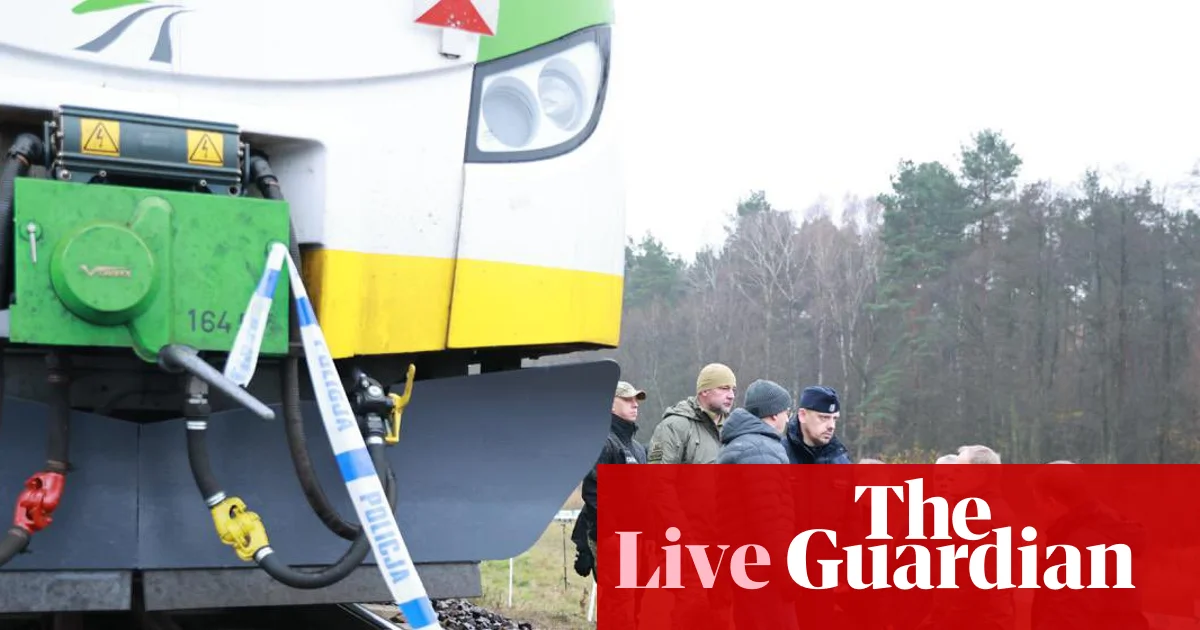
Across Europe, recent developments have thrust the continent into a precarious era of geo-strategic uncertainty. Poland, a pivotal NATO member, has become the epicenter of a marked escalation in hybrid warfare. After an unprecedented act of sabotage targeting a strategic railway route near Lublin, Polish authorities confirmed that an explosive device had been deliberately placed on the tracks, causing significant damage and prompting fears of even broader destabilization. Such incidents are not isolated but part of a broader pattern of covert operations aimed at destabilizing Eastern European nations and threatening NATO’s eastern flank.

Poland’s Prime Minister Donald Tusk described the attack as “an unprecedented act of sabotage aimed at the security of the Polish state and its citizens,” underscoring the gravity of the incident. The attack coincides with high alert due to ongoing hybrid threats from Russia and Belarus. In the wake of more than 20 drones flying into Polish airspace last September, these recent sabotage efforts are fueling fears within NATO that Russia’s military capabilities are evolving to include sophisticated drone warfare and covert sabotage operations. International security analysts warn that Russia could attempt to test NATO’s defenses within the next two to four years, potentially even launching aggressive maneuvers or attacks on Baltic states, which would trigger Article Five of NATO’s charter.

Meanwhile, European Union defense officials, including Andrius Kubilius, have voiced urgent alarms about the possibility of renewed conflict in the Baltics. Kubilius emphasized the importance of lessons learned from Ukraine’s fierce resistance against Russia, advocating for acceleration in NATO and EU defense readiness. His warning indicates a consensus among military strategists that Russia’s forces have not only grown stronger since February 2022 but are now capable of deploying millions of drones to sow chaos and conduct covert operations across Eastern Europe. As these threats loom, policymakers across the continent are under mounting pressure to strengthen alliances and fortify defenses, lest they wake up to a sudden onslaught from a battle-hardened Russian military that eagerly tests the limits of NATO’s resolve.

Adding to the mounting tensions, Poland’s authorities have pointed fingers at sabotage intent on destabilizing their infrastructure and hampering aid deliveries to Ukraine. The incident involving the destruction of a train track and damage to other critical railway sections reflect an alarming escalation in covert actions by unknown actors—most likely aligned with Russia or its proxies. With Prime Minister Tusk asserting that “we will catch the perpetrators, regardless of who their backers are,” the geopolitical implications are profound. This series of deliberate attacks signals a disturbing shift towards asymmetric warfare that directly threatens the stability of European borders and the security of NATO allies. As history continues to unfold, the continent stands at a crossroads; one path leads toward renewed peace through strengthened alliances, while the other risks plunging into chaos as adversaries exploit vulnerabilities that bitter lessons from Ukraine have failed to remedy.

Iran Starts Cloud Seeding Amid Historic Drought Crisis

Iran Confronts Unprecedented Water Crisis

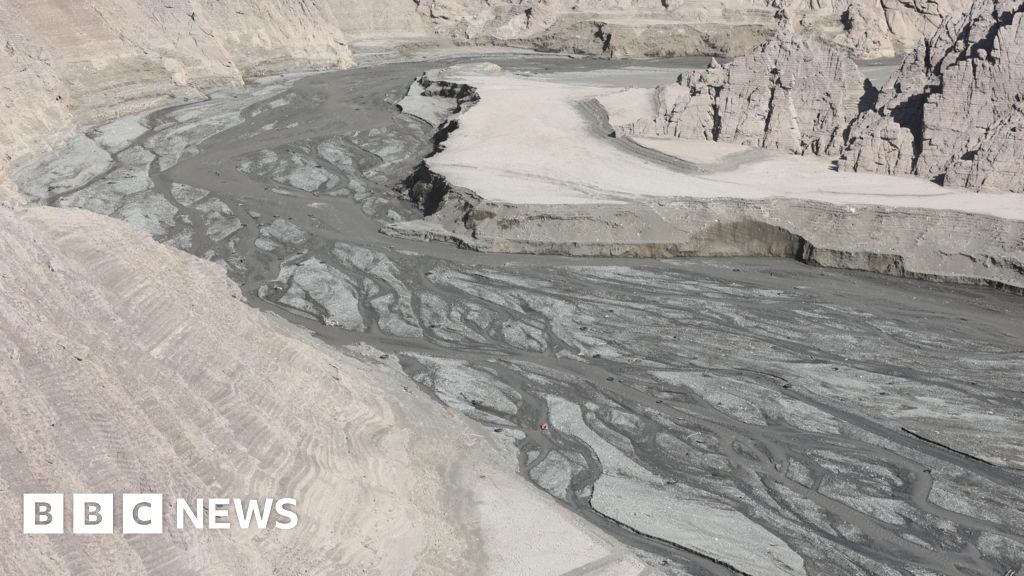
In a stark warning sign for international climate stability, Iran is grappling with its most severe drought in half a century. Authorities report that vital reservoirs, including Urmia Lake—Iran’s largest, have dried to a grim 8% of their capacity amidst record-low rainfall. The crisis has escalated to a point where officials are resorting to controversial measures like cloud seeding—a technique involving chemical agents to artificially induce rain—highlighting the gravity of the situation. This approach, employed over regions like the Urmia basin, exemplifies how nations are increasingly forced to adopt desperate strategies to mitigate environmental collapse. Yet, analysts warn that such measures are only band-aids on a widening wound caused by decades of mismanagement and climate neglect.

Iran’s government has issued stark warnings that the ongoing drought threatens not only water security but also societal stability. Last week, President Masoud Pezeshkian cautioned that without immediate and substantial rainfall, residents of Tehran face possible water rationing and evacuations—an alarming signal for one of the Middle East’s most densely populated capitals. The National Centre for Climate and Drought Crisis Management describes dams in key regions—including West Azerbaijan, East Azerbaijan, and Markazi—as being in a “worrying state,” with water levels dipping into perilously low levels. These developments underscore a broader crisis: a confluence of environmental degradation, water misallocation, and the geopolitical ramifications of a destabilizing climate trend.

Global experts and organizations have underscored that Iran’s plight is emblematic of a wider Mediterranean and Middle Eastern crisis. According to the United Nations, the region is experiencing climate shifts that threaten to drain vital water sources and deepen socio-political tensions. Historically, water scarcity has already fueled conflicts and mass migration, and critics argue that international cooperation remains insufficient to address the root causes of these crises. Meanwhile, the Iranian government’s efforts—such as penalizing excessive water consumption—offer only temporary relief and raise questions about sustainable long-term solutions. As historians and analysts warn, ignoring the mounting environmental warning signs could set the stage for future upheavals with far-reaching consequences.

The current environmental emergency also highlights how a failure to address climate change can exacerbate geopolitical instability. The decision to deploy cloud seeding, while innovative, highlights the desperation of nations trapped between environmental catastrophe and geopolitical limitations. As water reservoirs dwindle and rainfall remains at *record lows*, the weight of history presses down on Iran, serving as a harrowing reminder of the delicate balance between natural resources and national stability. The unfolding story of Iran’s drought serves as a powerful warning that the decisions made—or ignored—today will echo through history, determining whether societies will fall into chaos or find new paths of resilience amid the rising tide of environmental crisis. In this age of shifting climates, the struggle for water may define the next chapter of global conflict—or cooperation—marked indelibly by the choices made in the drought-stricken landscapes of Iran.

Senate Approves Funding Deal to Break Historic Government Shutdown—A Win for Conservative Priorities

The United States has just emerged from its longest government shutdown in history, a turbulent chapter that exposed the deep fissures within American politics and cast a long shadow over its geopolitical standing. The compromise legislation approved by the Senate on Monday signals a temporary pause in the chaos, extending government funding until January 2026, but its implications go far beyond domestic policy. As President Donald Trump voiced support from the Oval Office, this resolution underscores a broader narrative—one marked by internal division and strategic calculations that will reverberate through the corridors of power worldwide.

The legislation, which passed with a 60-40 vote, saw an unusual coalition of Democrats breaking ranks to join Republicans. Seven Democrats and a single independent defied party lines, motivated by the urgent necessity to reopen an incapacitated government and provide back pay to furloughed workers. Yet, the underlying issues remain unresolved; notably, the bill sidesteps the ***expiring healthcare tax credits*** central to the stalemate. As Senator John Thune promised a future Senate vote on these subsidies, analysts warn that this temporary fix merely papers over deeper fissures that threaten to destabilize the federal apparatus once again—conditions that an increasingly polarized U.S. can ill afford in an era of geopolitical upheaval.

International observers and seasoned analysts have pointed to how these internal disagreements influence the United States’ global image and strategic posture. The *transitory nature of U.S.* political consensus during such episodes signals vulnerability at a time when China and Russia are asserting themselves more aggressively on the world stage. The delays and internal conflicts in Washington diminish America’s ability to project strength and stability—an essential attribute for maintaining alliances and deterring adversaries. Organizations like the World Economic Forum and geopoliticians worldwide cite this dysfunction as a weakening factor in America’s leadership and its capacity to shape policies on climate, security, and trade that are critical for global stability.

Within the domestic realm, the repercussions are tangible and severe. Hundreds of thousands of federal workers missed paychecks, vital services faced disruption, and the transportation sector warned of heightened strain due to staffing shortages. The voices of analysts and historians have been clear: such crises are not merely political theatrics; they are turning points that redefine national resilience. The debate over healthcare subsidies and government funding reveals ideological contestation over the very future of American governance—an age-old struggle between intervention and limited government, now exposed sharply against the backdrop of contemporary geopolitics. As the smoke clears, the question remains: how will these internal battles shape the policies of tomorrow and the international reputation of a nation that perceives itself as a beacon of democracy?

For now, the country has a fleeting respite, but the shadows of unresolved conflicts loom large. The decisions made in Washington will echo in history’s chambers, shaping the course of nations and the order of the world. As the dust settles on this chapter, the true test begins—not only with resurrected government agencies but with the resolve to forge a united front that can withstand the external pressures of a world no longer waiting for American leadership. The pages of history are turning, and the story of this bitter, divided nation remains unwritten—its next chapters destined to be written in the crucible of ongoing conflict and resilience.

Senate Approves Deal to End Historic Govt Shutdown

Breaking News: US Government Shutdown Ends After Historic 40-Day Stalemate

The prolonged shutdown of the United States government — the longest in history — has finally come to a tentative close, signaling a potential shift in the country’s political landscape. After intense negotiations over the weekend, Senate Majority Leader John Thune and a coalition of senators from both sides reached an agreement to temporarily fund federal operations. This deal, receiving a narrow majority vote, is seen as the first tangible step toward resolving the impasse that has left roughly 1.4 million federal employees unpaid and critical services suspended since October 1. The impact on everyday Americans has been profound: essential food assistance, air travel safety, and other services have been hamstrung by partisan gridlock, exposing the fragility of America’s political system.

Despite broad bipartisan support for ending the deadlock, the deal has exposed deep divisions within the Democratic and Republican parties. The agreement, which requires further approval from the House of Representatives, includes crucial provisions such as a vote scheduled for December to extend healthcare subsidies—an issue fiercely contested by Democrats. Analysts warn that unresolved healthcare crises and mounting debt threaten to send the nation tumbling back into turmoil. High-profile Democrats, including Chuck Schumer, have publicly criticized the deal for lacking substantive measures to address the broader healthcare crisis gripping millions of Americans. Meanwhile, Republican leaders emphasize this as a victory for pragmatic governance but acknowledge that the fight over long-term solutions remains unresolved.

Geopolitical Impact and How Decisions Shape Societies

The resolution of the shutdown underscores a critical lesson for international observers: in an era of mounting global challenges—climate change, economic instability, and shifting alliances—the internal stability of a superpower like the US is paramount. Historians warn that continuous political deadlock weakens America’s ability to project influence abroad and undermines confidence in its leadership. According to analysis from the Council on Foreign Relations, unsettled domestic politics can embolden rivals such as China and Russia, threatening the global balance of power.

Furthermore, domestic decisions regarding budget and policy priorities ripple globally, shaping markets and geopolitics alike. As European nations and Asia-Pacific countries monitor Washington’s commitments, the possibility of recurring shutdowns casts a shadow over future diplomatic negotiations. The rise of multilaterals and bilateral agreements cannot compensate for the unpredictability emanating from Washington’s Capitol Hill—a lesson learned painfully by allies and adversaries alike. Some international analysts warn that a weakened US could leave vacuum spaces that rival powers are already positioning to fill.

The Road Ahead: From Short-Term Relief to Long-Term Stability

While today’s agreement halts the immediate crisis, the underlying issues remain unresolved. Seasoned political analysts suggest that the real fight begins now, with debates over long-term fiscal responsibility and healthcare reform looming large. The Debt Ceiling, the rising national debt, and the future of social programs pose fundamental questions that threaten to ignite the next political firestorm. The coming weeks will test whether bipartisan cooperation is merely a temporary lull or the start of genuine reform.

This chapter in American history may be closing, but the story remains far from over. As the world watches with bated breath, the unfolding saga of governance—filled with negotiations, betrayals, breakthroughs—continues to write itself in history’s bleak yet hopeful pages. The weight of what is to come rests now on the fragile bridges of compromise that lawmakers attempt to build, for the turbulent currents of change threaten to sweep away the landmarks of the past.

US Senate Moves Toward Vote to End Historic 2025 Federal Shutdown

US Political Deadlock Threatens Broader Stability and Global Markets

The United States finds itself at a critical juncture as the 40-day federal shutdown continues to demonstrate the deepening partisan divide within its borders. The US Senate is now on the brink of an historic vote aimed at reopening the government, but the negotiations reveal far more than mere government funding. Underneath the surface, this impasse underscores a broader struggle over the nation’s policy direction, especially concerning healthcare and fiscal responsibility. The looming possibility of a temporary stopgap measure, combined with politically contentious negotiations over the Affordable Care Act subsidies, highlights how internal U.S. politics are increasingly driven by intra-party brinkmanship, with real-world consequences for millions of Americans.

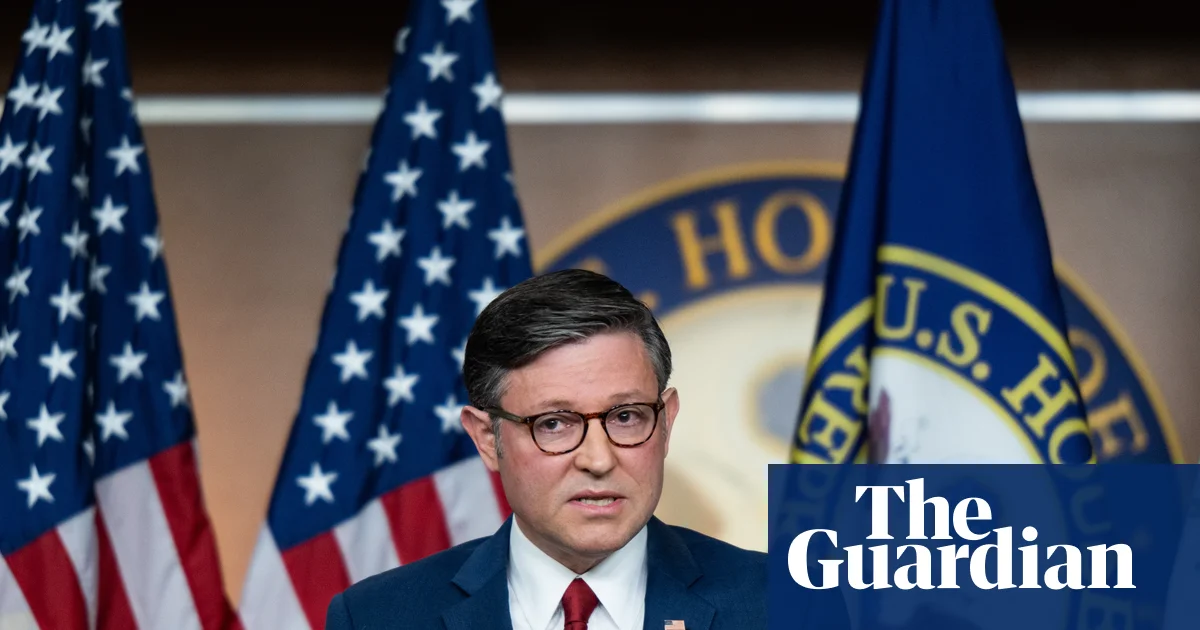
Key players like Senate Democrats and House Republicans are engaged in a high-stakes chess match, with each side wielding leverage over the other. Democrats demand the extension of healthcare subsidies, framing the issue as a matter of protecting vulnerable populations—a stance endorsed by many analysts and human rights organizations who warn of a looming healthcare crisis. Conversely, Republicans like Mike Johnson, the House speaker, refuse to extend these subsidies without concessions, often citing concerns over government spending and the avoidance of what they term “costly entitlements.” The dispute has turned the legislative process into a battleground, threatening not only domestic stability but also challenging vertical and horizontal trust in U.S. democratic institutions. As historians warn, prolonged political crises such as these can erode the nation’s political capital, with skies darker than ever over Washington’s ability to govern effectively.

The repercussions, however, extend well beyond America’s borders. A key geopolitical impact involves the destabilization of global markets, especially as international investors grow wary of a nation beset by internal chaos. The US plays an outsized role as a global economic leader; disruptions here ripple through currencies, stock markets, and foreign alliances. Numerous analysts suggest that the prolonged shutdown could threaten the stability of allied economies, particularly those closely linked through trade and security agreements. The ongoing chaos also complicates diplomatic negotiations with China, Russia, and other major powers—each watching to exploit any perceived weakness. The World Bank and IMF have issued cautious statements, warning that internal US conflicts risk undermining global economic resilience, particularly in fragile emerging markets.

Despite the political theatrics, the real at-risk group is the average American citizen. Reports indicate that federal workers and families relying on social programs like SNAP are suffering mounting hardships, with food insecurity spreading. The crescendo of this crisis may well mark a turning point in US social policy: many experts warn that if the current trajectory persists, a more divided and socio-economically fractured society will emerge. International voices—notably from OECD member nations—point out that internal US instability feeds into a global narrative of declining American influence. As history looms large, the question persists: will bipartisan leaders be able to craft solutions to heal their fractured nation or will enduring conflict cast a dark shadow over the unfolding pages of history?

In the final analysis, the US political crisis encapsulates an era of uncertainty, one in which decisions made within Capitol Hill ripple outward with profound implications. As negotiations hang in the balance, the world watches, waiting for the moment when American democracy will either pull back from the brink or succumb to the chaos of internal strife. The story of this shutdown is not merely a domestic tale but a powerful reminder of how fragile the fabric of international stability remains when the world’s beacon of democracy falters—an uncertain future now, etched into the annals of history.

Worker rescued amid collapse of historic Roman tower

Emergency Response in Rome: A Medieval Tower Collapse and Its Geopolitical Implications

In a dramatic turn of events that has captured global attention, a section of the Torre dei Conti, a medieval tower nestled in the heart of Rome, abruptly collapsed, trapping workers beneath its ruins. The incident underscores the ongoing challenges faced by aging historical structures across Europe, and raises questions about the effectiveness of heritage conservation policies, especially amid increasing urban pressures and resource constraints. The affected worker, reportedly from Romania, was rescued after a harrowing rescue operation lasting more than twelve hours, highlighting both the resilience of local emergency services and the delicate balance between preserving historical infrastructure and managing modern safety standards.

The collapse came during ongoing conservation work on the tower—a structure that has stood since the 13th century and was originally built by Pope Innocent III as a residence for his brother. Although closed to the public for many years, the incident reveals the latent risks lurking in neglected or poorly maintained monuments, posing a significant threat to both workers and the local community. The European Union, which has poured billions into heritage preservation, now faces increased scrutiny from international analysts and historians who warn that aging infrastructure in historic cities might be a ticking time bomb, especially as climate change and urban development accelerate deterioration.

International organizations, including UNESCO, have long emphasized the importance of comprehensive conservation strategies in historic zones. Yet, incidents like the Torre dei Conti collapse serve as stark reminders of the vulnerabilities associated with neglect and aging structures—vulnerabilities that can have dire consequences for societal safety and cultural heritage. As the Italian government launches an investigation into the incident, critics argue that this tragedy could have been mitigated with more proactive inspection and maintenance. Meanwhile, local authorities, including Rome’s mayor Roberto Gualtieri, and national leaders, emphasize the resilience and dedication of emergency responders, who navigated the complex, hazardous rescue environment, often under threat of further collapse. The incident is not merely a local tragedy but also a poignant example of how interconnected history, safety, and geopolitics are, especially in a city where history’s weight continues to influence modern policy.

Broader Geopolitical Impact of Heritage Site Preservation

The incident in Rome amplifies the ongoing debate over heritage management across Europe and beyond. Countries with rich histories such as Italy, France, and Greece are grappling with budget cuts and policy shifts that threaten the stability of their ancient monuments. International analysts warn that neglect of such sites could undermine tourism—a vital economic sector—and diminish cultural identity. The European Union, under its European Cultural Heritage Action Plan, has pledged funding and expertise to safeguard these treasures, but critics argue that implementation remains inconsistent. To some, this event underscores a broader geopolitical concern: failing to protect shared cultural legacies risks eroding the very fabric of European identity, which is now intertwined with the resilience of its historical structures.

Experts such as Dr. Marco Rossi, a historian specializing in medieval architecture, warn that the collapse foreshadows a potential crisis that extends beyond Italy’s borders. As climate change accelerates deterioration through increased humidity, temperature fluctuations, and pollution, the feasible future of Europe’s ancient landmarks depends on concerted international action. The incident raises alarms for policymakers—how do nations prioritize heritage amid other pressing needs? And further, how does international cooperation shape the future of our shared cultural assets in a geopolitical landscape rife with rising nationalism and economic competition?

The rescue effort, still ongoing in the shadow of recent incidents, ultimately leaves us contemplating the profound impact of decisions made today. As officials work tirelessly to ensure the safety of those involved, the shadows of history stretch long—reminding the world that the fabric of history is fragile and that its preservation is a collective obligation. The unfolding story of the Torre dei Conti is a stark chapter in a longer narrative—one where the lessons of yesterday hinge upon the actions we take today and in the years ahead. The weight of history presses heavily on this moment, as the world watches and wonders: how many more monuments must falter before the tide of neglect is stemmed?”

Social Media Auto Publish Powered By : XYZScripts.com