Matox News

Truth Over Trends, always!

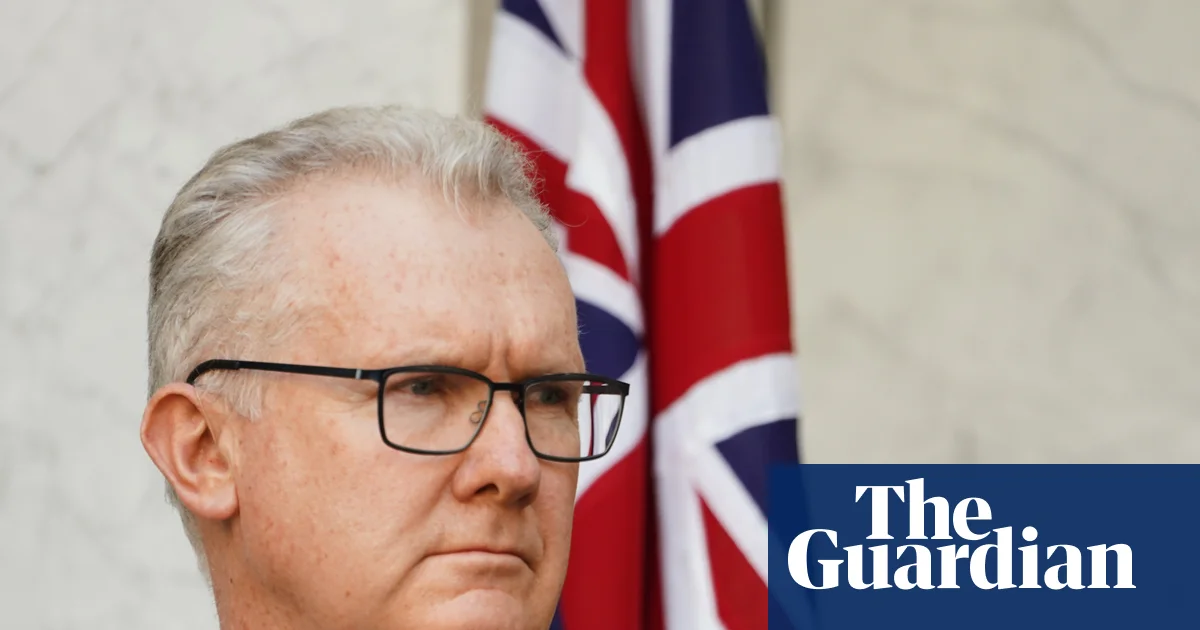
Labor Plans to Restrict Temporary Visa Holders from Entering Australia Amid Middle East Conflict, Says Tony Burke

Australia’s Immigration Shift Amid Middle East Crisis: Strategic Moves or Racial Targeting?

In the face of escalating violence and political turmoil in the Middle East, Australia is amping up its immigration policies, heralding a new era of tightening restrictions aimed at curbing the influx of temporary foreign nationals from conflict zones. The recent legislative maneuver, spearheaded by Assistant Citizenship Minister Julian Hill and facilitated by Home Affairs Minister Tony Burke, signals a decisive pivot toward controlling potential threats posed by nationals from regions embroiled in war. Yet, critics and international watchdogs argue that these measures are not solely about national security—they are also fostering a climate of racial discrimination and undermining Australia’s long-standing values of fairness and refuge.

Geopolitical Impact of Australia’s New Immigration Legislation

Specifically, the legislation introduces an “arrival control determination” mechanism that grants government ministers the power to restrict temporary visa holders from specified regions based on swiftly shifting geopolitical circumstances. If enacted, this bill could, for example, block Iranian tourists who received their visas prior to potentially escalating conflicts involving U.S. and Israeli actions against Iran. Such measures demonstrate how Australia’s domestic policy is increasingly linked to broader international conflicts, exemplifying a strategy that is less about immigration management and more about aligning national security in accordance with global geopolitical shifts.

According to international security analysts and historians, these policies reinforce the narrative that Australia is responding not only to immediate threats but also to the larger, complex web of alliances and conflicts that define contemporary geopolitics. The move has the potential to shape the future of international relations, compelling nations to weigh their diplomatic stances carefully. With approximately 7,200 Iranians and over 40,000 individuals from the region holding temporary visas in Australia, any disruption or restrictions could significantly impact societal cohesion and international solidarity.

How Decisions Affect Nations and Societies

While the government argues these restrictions are necessary to protect Australia’s sovereignty and public safety, opposition voices, including the Greens and independent members, accuse the legislation of targeting specific communities and eroding the integrity of the country’s visa system. Critics contend that the law could be exploited by future administrations to target any group under the guise of security, thus raising questions about racial bias and human rights violations. The Refugee Council and Asylum Seeker Resource Centre have condemned the move as a step backwards, emphasizing that such policies threaten Australia’s reputation as a nation that upholds humanitarian values and international law.

Throughout history, legislation driven by fear and prejudice has often led to societal divisions and enduring injustices. Analysts warn that in an increasingly interconnected world, policies that marginalize and exclude can foment long-term social fragmentation, complicating diplomatic and community relations both domestically and abroad. As the legislative process unfolds, the debate continues—will Australia’s leaders prioritize security over human rights, or will global opinion and internal conscience steer a different course?

Concluding Reflections: The Weight of an Unfolding History

As Australia navigates the turbulent waters of international conflict and internal policy transformation, the path it chooses today will resonate through generations. The decision to tighten borders in response to a regional war signals the complex interplay between national security, international diplomacy, and moral responsibility. History has often judged such moments as pivotal—where nations either uphold their foundational principles or succumb to fear-driven policies. In the shadow of ongoing conflicts and the specter of future unrest, the question remains: will Australia forge a legacy rooted in compassion and justice, or will it become another chapter in the story of nations torn between safeguarding borders and honoring universal human rights? The answers lie in the choices made in these critical moments—a saga still unfolding, with the weight of history hanging heavy on every decision.
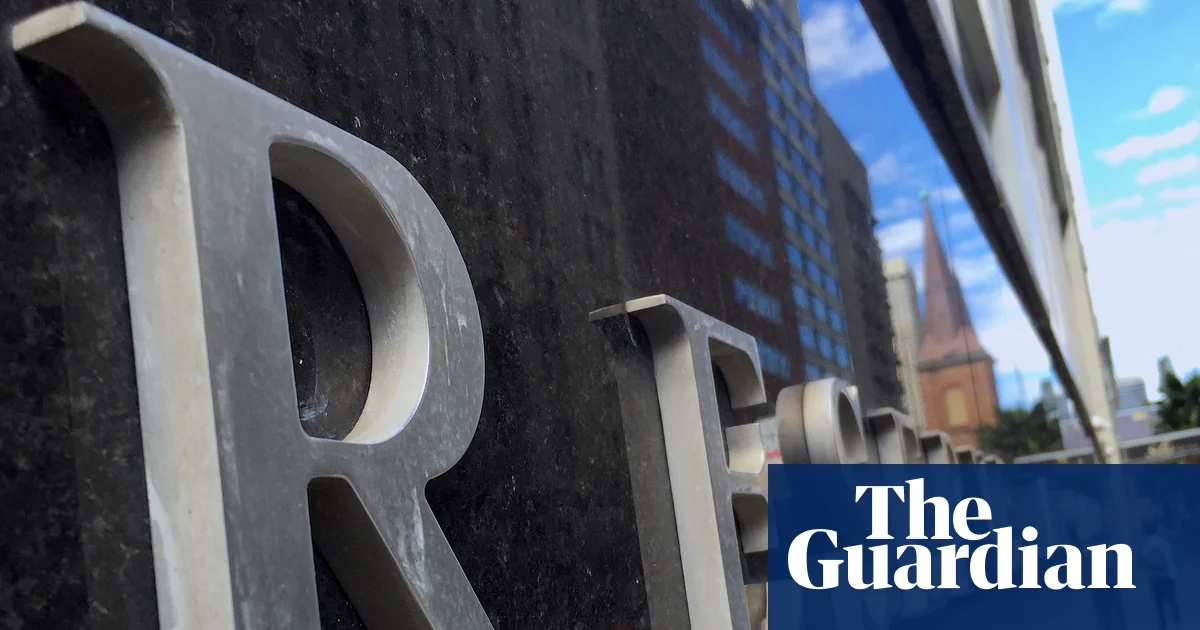

RBA hikes interest rates to 3.85%, tough hit for Aussie mortgage holders

Global Economic Tensions Rise as Reserve Bank of Australia Implements Unexpected Rate Hike

The Reserve Bank of Australia (RBA) has executed a significant monetary policy shift by raising interest rates for the first time in over two years—an move that signals potential turbulence not only within Australia’s economy but across the broader international landscape. The decision, which saw the cash rate target increase from 3.6% to 3.85%, comes amid mounting concerns about persistent inflationary pressures that threaten to destabilize what some analysts previously believed to be a resilient recovery.

This rate hike, announced at the conclusion of a two-day policy meeting, halts the RBA’s previously rapid cycle of rate cuts—three reductions in 2023 alone—marking the end of what was arguably the shortest rate-cutting cycle in the institution’s history. Economists and international observers now analyze it as a *warning* sign: central banks worldwide, faced with surging global inflation, are adjusting their tactics in a manner that could ripple through markets and geopolitical alignments. The immediate impact on Australia’s mortgage sector—an increase of roughly $90 per month for a typical $600,000 loan—might seem marginal, but it portends more profound shifts in consumer confidence and fiscal stability, with potential repercussions for allied economies.

Impact Beyond Borders: A Broader Signal to Global Markets

  • The RBA move arrives amid an international environment of inflationary uncertainty, prompting analysts like those from the International Monetary Fund (IMF) to speculate on whether this signals a broader shift toward tighter monetary policy. Countries such as United States, Europe, and Japan are closely monitoring the Australian precedent, which could influence their own strategies to curb inflation without stifling growth.
  • Historian and economic analyst Dr. Fiona A. Campbell warns that such aggressive rate adjustments risk *derailing* fragile economic recoveries, especially in emerging markets dependent on Australia’s resource exports and financial stability. Her concern echoes the deeper geopolitical reality: decisions taken in Canberra ripple globally, affecting trade, investment, and diplomatic relations.
  • Furthermore, these policy shifts come at a time of evolving international trade tensions and critical debates over sustainable growth, with some nations questioning whether rapid monetary tightening risks inflation suppression at the expense of growth and societal stability.

The Geopolitical Impact and How Nations Will React

The significance of this rate hike extends beyond Australia. It signals a possible *turning point*, where central banks must balance inflation control with geopolitical stability. The shift could tighten global financial conditions, increase borrowing costs elsewhere, and fuel uncertainty in markets like Shanghai, London, and New York. Countries with burgeoning debts or fragile economies may find themselves caught in a rising tide of economic stress, potentially exacerbating geopolitical tensions.

Many international analysts warn that the new monetary posture reflects a broader acknowledgment that global inflationary pressures—fueled by geopolitical conflicts, supply chain disruptions, and volatile energy markets—demand a recalibration of economic policies. As World Bank, OECD, and independent economists debate the trajectory, the risk of over-tightening remains a serious concern, potentially leading to stagflation or social unrest in vulnerable nations.

Conclusion: The Weight of History as the World Watches

With this policy move, the RBA inadvertently embodies a challenging truth of our era: the decisions of a single nation’s central bank ripple through the fabric of global stability, shaping societies and influencing the course of history. As the world grapples with inflation, debt, and geopolitical unrest, the question remains: whose interests will ultimately prevail in this complex dance of economic power?

With the spotlight fixed on Australia and the international community, history continues to unfold—its next chapters written in boardrooms, markets, and the lives of ordinary citizens. The stakes are high, the outcome uncertain, and the world can only watch as the very fabric of global finance is rewoven one rate hike at a time.

Social Media Auto Publish Powered By : XYZScripts.com


