Matox News

Truth Over Trends, always!

NSW scores an extra holiday for Anzac Day, but other states opt out

Responses to national traditions in Australia continue to reflect rising considerations around identity, history, and geopolitics. Recently, the government of New South Wales announced the extension of Anzac Day observances by adding public holidays for 2026 and 2027 when the April 25 holiday falls on weekends. Such measures are not merely local politics but are intertwined with broader international reflections on military history, national sovereignty, and the symbolic weight of honoring wartime sacrifice. The announcement aligns with a conscious effort to preserve Australia’s national identity within the global arena, and analysts see it as an attempt to bolster national unity amid evolving geopolitical challenges.

The decision comes amid delineations of tradition and modern societal needs, with Premier Chris Minns emphasizing that the extended holiday does not diminish the solemnity of Anzac Day. In fact, it serves to enhance the recognition of service members and their contributions, acknowledged as foundational to Australian sovereignty and cultural resilience. However, critics, mainly small business associations, warn that such changes could introduce economic strain, especially on local commerce. The Returned and Services League of Australia (RSL) has expressed support, underlining the societal importance of allocating time for families of defense personnel. Yet, the move also underscores a deeper, bigger geopolitical discussion about how nations choose to commemorate history—balancing tradition with the realities of a rapidly changing world.

Across Australia, not all states are following suit. Queensland and Victoria will maintain their existing public holiday configurations, reflective of regional variance in societal priorities. The broader geopolitical impact of such decisions extends beyond mere calendars; it signals the political weight placed on national identity and historical memory amid global disorder. Historians and international analysts note that these commemorative practices are not static but are subject to political contestation—serving as symbols that maintain societal cohesion in uncertain times. Indeed, in a world increasingly fragmented by conflicts and ideological divides, nations like Australia are carefully crafting ceremonies that reaffirm their sovereignty while navigating external pressures, such as China’s rising influence in the Indo-Pacific or the lingering shadow of great-power rivalry.

As moderate right-wing youth-driven voices scrutinize these developments, questions about how history shapes present policies gain greater urgency. The debate over public holidays is more than ceremonial; it is a mirror of a society grappling with its past while facing an uncertain global future. For historic students, foreign policy experts, and citizens alike, every decision echoes across the corridors of international relations. Today, Australia’s move to extend its commemorative holidays may seem small, but it echoes a profound truth: that in the theater of geopolitics, history’s weight can influence the future in ways both overt and subtle. As the world observes, the unfolding narrative of Australia’s national remembrance continues to write itself into the broader story of nations striving to preserve their identity amidst relentless change—an enduring testament that history, like the tides of the current, is never truly finished.
Nex Playground Takes Over: Outpacing Xbox as the Must-Have Holiday Toy

Disruption and Innovation Drive Growth of Nex in the Gaming Industry

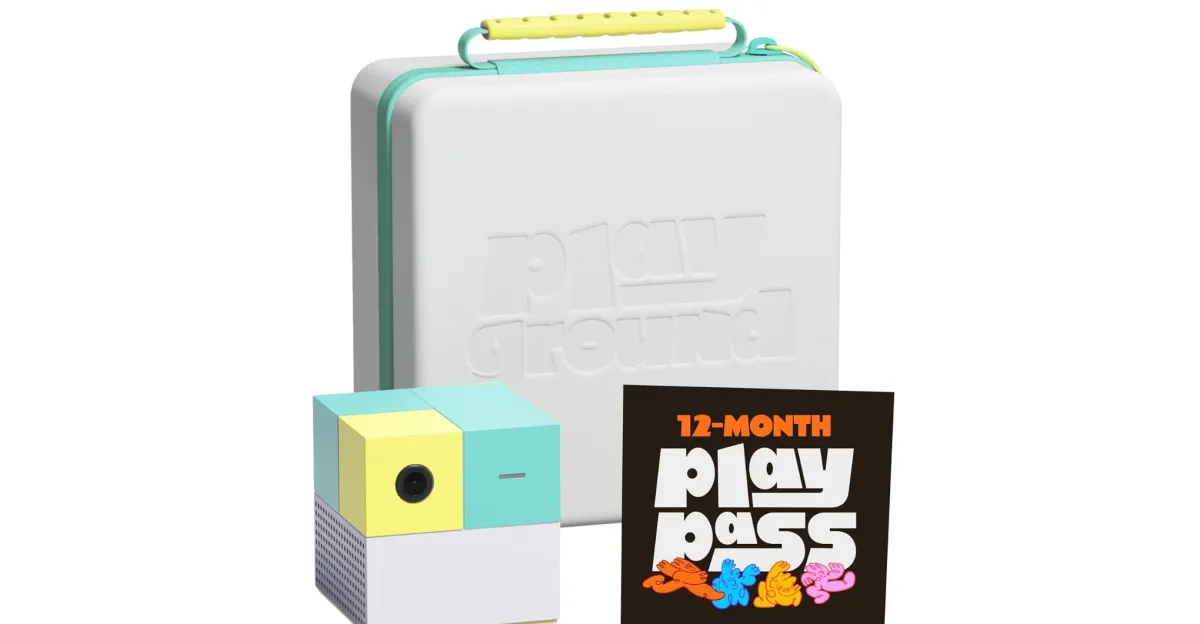
In an era marked by rapid technological evolution, Nex exemplifies how strategic pivots and innovative products can redefine industry benchmarks. Just two years ago, Nex was a niche player, shipping approximately 5,000 units of its flagship product, the Playground. Fast forward to today, and the company’s trajectory is nothing short of extraordinary: sales have surged to an estimated 600,000 units this year, representing a 12,000% increase within a short span. Such explosive growth not only exemplifies the disruptive potential of innovation-driven companies but also signals a significant shift in consumer engagement and market dynamics.

Underlying this ascendancy is Nex’s bold pivot from unprofitable beginnings—where it posted about $3 million in annual revenue—to a strategic focus that has yielded an anticipated over $150 million in sales this year. With smart scalability measures and breakthrough hardware design, Nex is on track to achieve profitability, a milestone that many startups in the consumer tech space aspire to but seldom reach this swiftly. Industry analysts, including Gartner and MIT experts, emphasize how such rapid scaling underscores a broader trend impacting the gaming and experiential technology sectors—namely, a move toward immersive, community-driven digital entertainment that resonates profoundly with youthful audiences.

This transformation highlights a broader market shift: consumer preference is shifting toward integrated, high-engagement hardware experiences. The Playground’s commercial success underscores how disruption fueled by innovation can turn previously niche products into mainstream catalysts. Notably, the integration of AI, extended reality, and social connectivity features in Nex’s offerings has positioned the company ahead of competitors, challenging legacy giants resistant to rapid change. Such progress echoes the strategic insights of Elon Musk and Peter Thiel, who have long championed the importance of technological turbulence as a driver of entrepreneurial advantage.

Looking ahead, the implications are profound. The rapid rise of Nex signals that businesses willing to pivot and harness emerging technologies can capture market share at an unprecedented pace. As younger generations demand more immersive digital experiences, incumbent players must innovate or face obsolescence. The success story of Nex serves as a clarion call to investors, entrepreneurs, and industry leaders: leveraging disruptive innovation is no longer a competitive advantage but an imperative for survival. The coming years promise even more dynamic shifts, as new entrants and tech giants race to harness the next wave of technological breakthroughs that will shape the future of interactive entertainment. It is a time for bold moves, swift adaptation, and relentless pursuit of breakthrough ideas.

Score 25% Off Classic Crew Necks This Holiday Season!

Consumer Apparel Innovation Sparks Industry Disruption

In a clear demonstration of how consumer preferences are shifting towards comfort and simplicity, True Classic has disrupted the saturated apparel market with its versatile black crew-neck shirts. Highlighting the growing demand among young consumers for familiar, high-quality basics, the company’s targeted marketing emphasizes the appeal of “virtue” in wardrobe staples, aligning with a broader cultural push towards authenticity and practicality. This shift marks a notable departure from fast fashion’s obsession with rapid turnover and disposable trends, signaling a move towards sustainable, well-made essentials.

Analysts observing the space, including those at Gartner and MIT’s Sloan School, note that disruption in apparel is increasingly driven by innovation in direct-to-consumer business models and dynamic pricing strategies. True Classic’s success stems from leveraging limited-time offers, such as their current “58 percent off” flash deal—effectively an additional 25 percent discount on bulk purchases—demonstrating the power of aggressive pricing tactics to redirect consumer spending away from traditional retail giants. Such models challenge established retailers, prompting a reevaluation of supply chain logistics and marketing strategies in a highly competitive environment.

The business implications are profound. With brands like True Classic appealing to younger demographics that prioritize authenticity and value, traditional apparel retailers face increasing pressure to innovate. Disruptive technologies, such as AI-driven customer insights and supply chain optimization, are now core tools for staying relevant. As Elon Musk often emphasizes, “Innovation is about solving problems faster than your competitors.” This ethos is driving smaller brands to leverage data analytics for targeted offers, creating a more personalized shopping experience that encourages brand loyalty in a market heavily influenced by social media marketing and influencer endorsements.

Looking ahead, the apparel industry must navigate a landscape where consumer expectations for rapid innovation and ethical manufacturing are converging. The next wave of disruption is poised to incorporate emerging technologies like sustainable fabrics, 3D printing, and blockchain-based supply transparency. As Peter Thiel advocates, “Control of the means of production and distribution is the ultimate power.” Moving forward, companies that master these innovations will dominate market share, while others risk obsolescence. The urgency for established players to adapt swiftly is clear: the future belongs to those who disrupt or are disrupted, making it an exhilarating time for tech-driven fashion entrepreneurs willing to challenge the status quo.

McDonald’s Netherlands Sets the Record Straight on AI Holiday Ad Ghosted by Critics

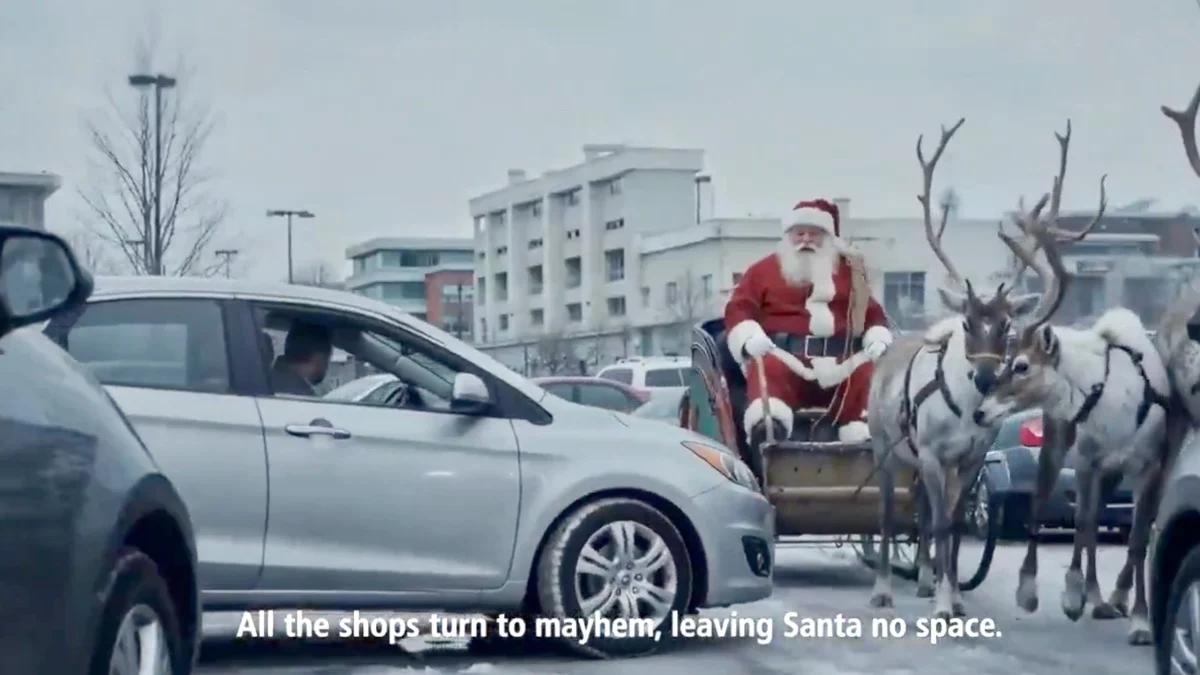
As the holiday season kicks into high gear, brands are vying to capture the festive spirit—yet, this year, one unexpected actor has stirred a quiet revolution with a controversial twist. McDonald’s Netherlands released a holiday commercial that quickly became a viral sensation—though not for the reasons they had hoped. Instead of growing brand love, it sparked a wave of criticism centered around the role of artificial intelligence (AI) in creative advertising. The ad, titled “The most terrible time of the year”, depicted holiday chaos with a low-budget, uncanny aesthetic indicative of generative AI’s capabilities, featuring awkward movements and generic-looking actors, which many viewers found unsettling rather than humorous.

While brands across industries are eagerly experimenting with AI-generated content to streamline production and reduce costs, this incident underscores a growing societal debate: how far should AI go in replacing human creativity? Critics argue that AI-driven ads lack the nuanced emotional intelligence that makes holiday messages resonate deeply with audiences. Influencers and sociologists point out that, in our age of social media saturation, authenticity counts more than ever. McDonald’s faced a swift backlash from viewers who considered the commercial not just poorly made, but disrespectful to the warmth and sincerity traditionally associated with holiday marketing. By Dec. 9, the fast-food giant announced its decision to pull the ad, acknowledging that the artificial trying to parody human emotion failed to hit the right notes—highlighting an important trend: society’s increasing discomfort with even minor AI encroachments in cultural narratives.

This incident isn’t occurring in isolation. Earlier in the season, Coca-Cola released its own AI-generated holiday commercial, created in partnership with the studio Secret Level. Despite initial fanfare, critics quickly piled on, citing concerns over authenticity and the erosion of traditional storytelling. Yet, Coca-Cola persisted, continuing to air the ad throughout the season—a reflection of a larger corporate trend: companies are eager to explore how AI can innovate marketing, regardless of initial backlash. Meanwhile, analysts like Dr. Laura Bennett, a media sociologist, warn that this surge might signify a broader societal shift towards accepting artificial representations as authentic, raising questions about the future of human-centered advertising and cultural values.

Behind the scenes, industry insiders reveal that much human labor still goes into these AI attempts. The CEO of The Sweetshop emphasized that creative direction, editing, and ethical oversight remain largely human-driven, even when AI assists. Nonetheless, the social relevance extends beyond the commercial realm. More than a marketing experiment, this tension taps into broader societal concerns:

  • Should AI be permitted to shape cultural storytelling?
  • Can machine-created content ever genuinely resonate on a human level?
  • And perhaps most compellingly—what do these shifts reveal about our collective trust in technology and authenticity?

As we observe these high-profile experiments, a provocative question emerges: Will the future of advertising and culture be a battleground for human authenticity versus artificial simulation, or are we on the cusp of a new hybrid era where AI complements rather than replaces our storytelling? With industry giants like Coca-Cola forging ahead despite criticism, the next chapter in this digital-cultural saga remains unwritten. Maybe it’s time for society—not just corporations—to ask: what kind of cultural landscape do we want AI to help create in the decades to come?

Jess Cartner-Morley Takes the Lead: This Holiday, Dress to Impress — Your Ultimate Christmas Style Guide

Festive Fashion Trends Reflect Societal Shifts: The Future of Christmas Style

As the holiday lights flicker on and the aroma of turkey sandwiches in Pret become our seasonal soundtrack, a cultural transformation in Christmas fashion is quietly taking hold. It’s clear that this year’s festive dressing is more than just glitz and glamour; it embodies a broader *societal shift* towards authenticity, self-expression, and a reconsideration of traditional social norms. Influencers and fashion analysts alike are signaling that what we wear during this season is now a mirror of larger cultural currents—an outward expression of our *social relevance* and personal identity in an ever-evolving society.

At the heart of this trend lies a surprisingly liberated approach to holiday fashion. Gone are the days when party attire strictly adhered to the unspoken rules of modesty or expectations of sophistication through brand-new outfits. Instead, there’s a palpable emphasis on upcycling, vintage pieces, and sartorial boldness. Wearing something pre-loved or reimagined from your own wardrobe is now a flex — a statement that challenges consumerism and celebrates individuality. Fashion experts note that this embrace of a *more sustainable and authentic* aesthetic directly responds to the *social relevance* of environmental concerns among younger generations, who see fashion as a form of social activism rather than mere trend-following.

In the realm of party presence, the *new etiquette* champions ingenuity over conformity. Influencers such as Imogen May showcase outfits that turn the dial up on typical festive decor with sequined dresses, bold accessories, and playful socks that blend nostalgia with a modern edge. Dress, £110, from Albaray, and Heels from River Island exemplify how elevated eclecticism is shaping this year’s holiday wardrobe. The key takeaway? Clothing is now a deliberate act of *self-definition* rather than blind conformity. This shift underscores a *social relevance* where fashion becomes a tool of empowerment, especially among youth who seek to carve out their place in a cultural landscape that increasingly values authenticity over tradition.

As we peer into the future, the big question remains: could this *cultural shift in festive dress* be the catalyst for a broader societal movement? Will our holiday wardrobes become less about following worn-out traditions and more about **owning your style** unapologetically — not just during Christmas, but year-round? Sociologists and fashion commentators are debating whether this trend signals a new era where dress codes are less prescribed and more personalized, or if it’s merely a temporary revolt against outdated norms. What seems certain is that as the boundaries of societal expectation continue to blur, the next big question might be: **Are we witnessing the emergence of a new cultural paradigm—one where self-expression in fashion is the ultimate measure of social relevance?** Only time will tell, but one thing is clear: the future of festive fashion is about much more than just glitter — it’s about redefining who we are in every stitch and sequin.

Thanksgiving 2025: The Bold Takes Shaping Our Holiday Scene — The New York Times

In an era where personal well-being becomes increasingly intertwined with everyday life, a _shift_ in how we approach our leisure and wellness routines is unfolding—one that champions the importance of rebalancing between productivity and genuine self-care. This new mindset invites us to reconsider the traditional schedules and expectations, emphasizing that _living intentionally_ can transform the way we experience daily routines. As wellness experts like Dr. Deepak Chopra have pointed out, _the journey toward self-awareness_ begins with simple, deliberate choices—starting with how we structure our days and the foods we consume.

One of the most significant lifestyle changes gaining momentum is the push toward eat-at-normal dinner hours. Simply put, aligning meal times with _natural circadian rhythms_ not only enhances your metabolism but also frees hours otherwise lost in hasty dining. Reports from leading food journalists like Priya Krishna highlight the benefits of eating at 7:30 PM, which paradoxically grants you extra hours to _unwind_, _prep_, and even _enjoy_ a relaxed happy hour featuring dishes like _bhel puri_. This approach encourages a _more mindful appreciation_ of food, turning meal times into daily rituals rather than rushed episodes. The core message: when we manage our schedule proactively, we create space for _meaningful leisure_, which is essential for developing resilience and _personal wellness_.

In parallel, contemporary culture is venerating the concept of _authentic connection_—whether through setting the right playlist for dinner parties or engaging in games that cultivate _shared joy_. Chef Natasha Pickowicz advocates for something as simple as saying, _“This should be the least formal scenario you can imagine,”_ urging us to dismantle the overcomplicated social scripts. Her advice emphasizes that in embracing _casual, honest interactions_, we foster communities rooted in _authenticity_. Foods and entertainment are no longer mere indulgences but tools for creating _memories_ and _meaning_, connecting us to our roots and each other on a deeper level.

  • Adopt a regular meal schedule to align with your body’s natural rhythms.
  • Prioritize _intentional_ leisure activities—like game nights or soulful playlists—over superficial social rituals.
  • Embrace _authentic connections_, whether through meaningful conversations or shared experiences that foster _resilience_.

Ultimately, this lifestyle shift is about _embracing your true self_—your instincts, your passions, your health. Figures like Andy Baraghani remind us that _the playlist_ is as vital as the food served; it sets the tone and creates an environment of _genuine enjoyment_. As Eddie Huang eloquently states, _“Thanksgiving is different when your team’s playing,”_ urging us to infuse tradition with personal passion, turning routine holidays into _celebrations of self_ and _community_. When we choose the paths aligned with _our authentic desires_, we pave the way for a life that feels less like obligation and more like _a journey we’re proud to walk_. With each deliberate choice, we write our stories—filled with health, joy, and resilience—culminating in a lifestyle that celebrates the _fullness of being_.”

Choose the Right Card for Holiday Savings: Cut Interest Costs!

In a significant political development, young Americans are increasingly finding themselves concerned about the rising costs of living and the state of the economy. This was underscored in a recent poll showing that inflation continues to be a top worry for voters, particularly among the youth demographic. Many are expressing dissatisfaction with the current administration’s handling of economic issues, pushing for solutions that prioritize fiscal responsibility and job creation.

Moreover, millennials and Gen Z voters are becoming more politically engaged, driven by issues like student loan debt and rising housing prices. Instead of turning a blind eye, they’re actively discussing potential reforms to improve their financial situations. Many are advocating for policies that support small businesses and promote entrepreneurship, viewing these as viable pathways toward economic empowerment.

Social media has played a pivotal role in shaping political discourse among younger voters. Platforms like TikTok and Instagram have become essential tools for spreading awareness about critical issues, allowing young activists to mobilize quickly and efficiently. This new wave of activism often emphasizes conservative values such as personal accountability and limited government, resonating strongly with younger individuals who value independence.

As the 2024 elections approach, the political landscape will likely be heavily influenced by this active youth segment. Candidates aiming to appeal to these voters will need to adopt strategies that address their specific concerns, focusing on reducing burdensome regulations and fostering job growth. By tapping into the ideals of fiscal prudence and self-sufficiency, candidates can effectively engage the rising generation of voters looking for a brighter economic future.

Social Media Auto Publish Powered By : XYZScripts.com