Matox News

Truth Over Trends, always!

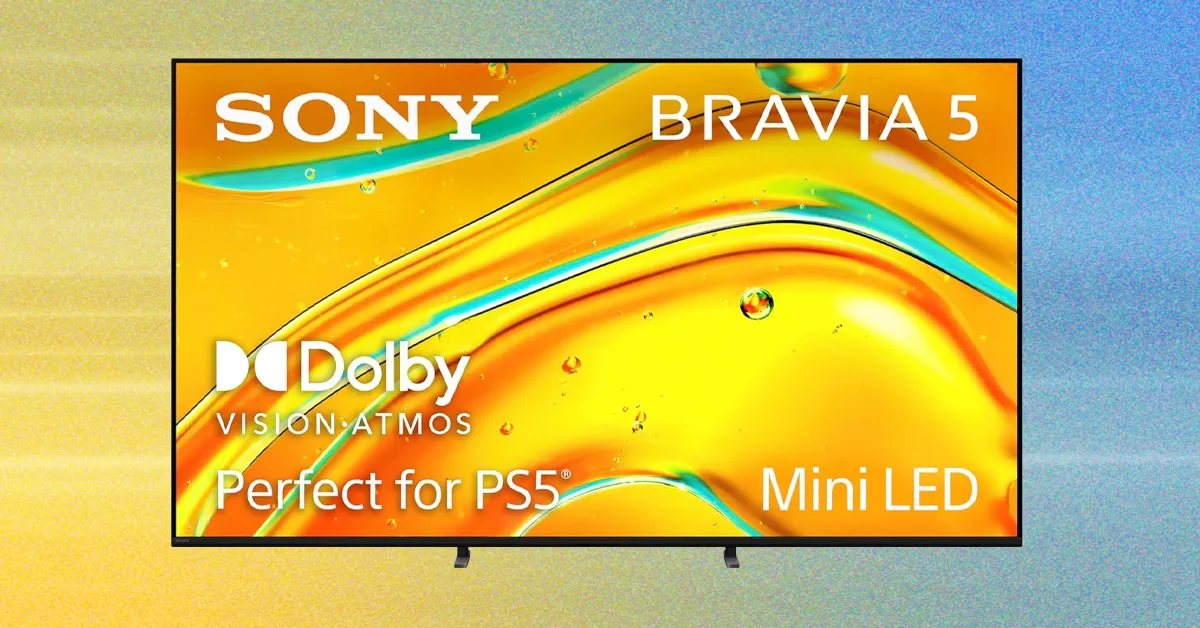
Sony Bravia 5 Tosses Its Hat in the Ring: The Best Mid-Range TV for Young Cinephiles

Mini-LED TVs and the Strategic Shift in Consumer Electronics

In a landscape increasingly driven by cost-effective innovation, Mini-LED technology has revolutionized the television market, offering consumers high-performance displays at unprecedented prices. Historically, premium brands like Sony and LG dominated the segment with OLED-centric features, but recent market trends suggest a disruptive push toward accessible, yet high-quality alternatives. Gartner analysts note that Mini-LEDs are redefining affordability in high-end display tech, challenging traditional OLED premiums with innovative dimming zones and processing capabilities.

Disruption and Industry Implications

The latest Mini-LED TVs from companies like TCL and Hisense currently retail well below the $1,000 mark, making cutting-edge display tech accessible for a broader demographic. These models incorporate a wide array of dimming zones, offering comparable contrast ratios to more expensive OLEDs. Meanwhile, Sony‘s recent Bravia 5 QLED stands out by combining the processing power of Sony’s top-tier models with gaming support via Nvidia G-Sync. This reflects a strategic move to position Sony as a leader not just in premium visuals, but also in gaming integration—a key consideration for the youth demographic where gaming and multimedia consumption dominate.

Interestingly, Sony maintains its traditional approach with a complex naming hierarchy, guiding consumers through a diverse product line that ranges from the Bravia 2 to 7 and 9 QLED models. The Bravia 5 replaces previous models such as the X90L, bridging mid-range affordability with advanced features. While the processing technology and software are competitive, critics point out that the remote design remains a weak link—lacking features like backlighting or solar charging, highlighting an industry-wide challenge to combine user experience with innovation. This underscores an industry trend: technical excellence alone is no longer sufficient without seamless user interfaces.

Implications for the Future of Consumer Tech

Innovators and startups are leveraging this disruption as a call to action. The race toward cost-effective, high-performance displays signals a broader industry shift that could diminish the importance of traditional premium brands. Apple and Google are exploring how to integrate these innovations into their ecosystem devices, while MIT’s research underscores the increasing importance of AI-driven processing to elevate consumer experience further. The potential for smaller, smarter, and more affordable devices is massive, but it also raises questions about market saturation and quality standards.

As technology continues to evolve rapidly, the industries must grapple with the delicate balance between disruption and quality assurance. Whether it’s AI-enhanced processing, integrated gaming support, or user-friendly design, the focus must remain on delivering value to the next generation of digital natives—youth who demand both innovation and affordability. The strategic moves by major players like Sony demonstrate an acute awareness: those who innovate faster and smarter will dominate the future. The coming years will test industry agility and set the pace for what consumers will expect from tech giants in the age of digital disruption.
Top TVs of 2025: Sony, Samsung, LG, and the Future of Viewing

Emerging Tech Giants Push Boundaries in the Home Entertainment Market

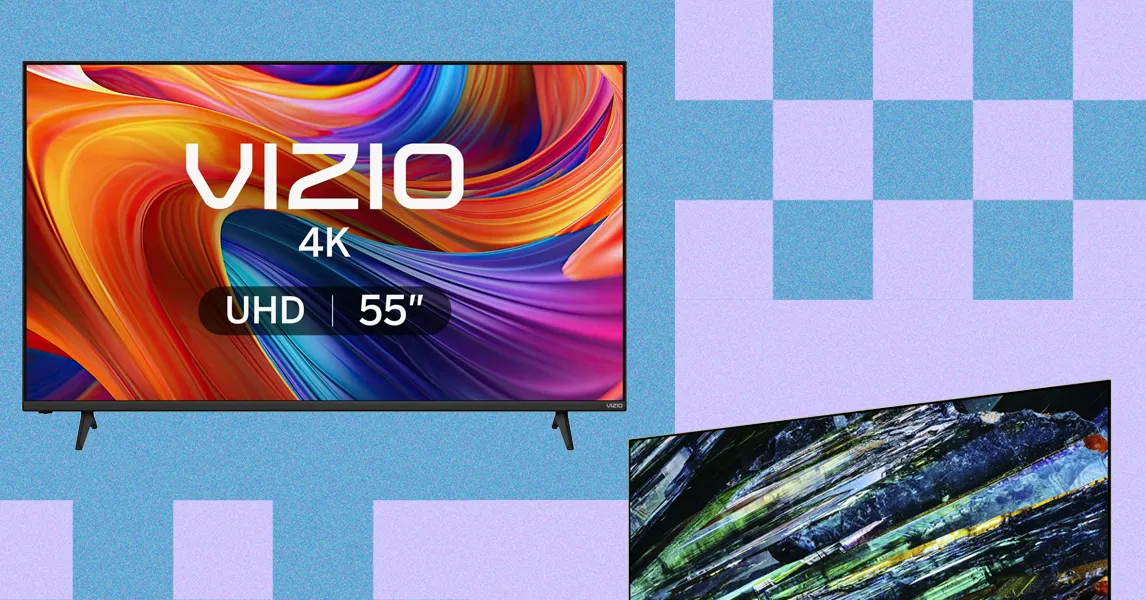
The consumer electronics sector continues to showcase urgent innovation and fierce disruption, with brands like Hisense, TCL, Sony, and Samsung leading the charge. These companies are leveraging advancements in mini-LED, QLED, and OLED technologies to redefine the benchmark for picture quality, brightness, and user experience. Analysts from Gartner suggest that the market is experiencing a paradigm shift towards premium display technologies, driven by a consumer demand for more immersive, high-fidelity content consumption. The shift not only intensifies competition but also compels established players to innovate at an unprecedented speed, with some products even risking obsolescence as newer models flood the market.

Innovation and Disruption: The Technology Landscape

At the forefront of this innovation is Hisense’s U8QG, a Mini-LED model promising eye-popping brightness and contrast ratios rivaling OLEDs, yet with better black levels and HDR performance. Similarly, TCL’s QM7K has gained attention for its luxurious black levels and contrast, positioning itself as a potential OLED alternative. However, critics highlight a recurring theme: software glitches and color accuracy issues, indicating a still-maturing ecosystem that could destabilize market confidence if not addressed swiftly.

Meanwhile, Sony’s A95L and Bravia 7 models exemplify the convergence of picture processing and AI-driven upscaling — technologies that are disrupting traditional boundaries between display and intelligent systems. These developments are reinforced by industries like MIT and MIT-based startups pioneering innovations in display tech, heralding a future where real-time image enhancement and adaptive content delivery become industry standard. Yet, as Peter Thiel and other tech investors warn, fast-paced technological disruption often precedes mature software ecosystems, leading to initial instability.

Business Implications and Industry Trajectory

The ongoing upgrades in TV technology pose formidable challenges to existing manufacturers and retailers. The smart TV market is shifting rapidly, emphasizing not only hardware but also integrated ecosystems and services. Companies investing in AI, cloud-based content, and seamless interoperability will gain substantial competitive advantages. Historically, firms like Samsung have been early movers, harnessing their dominant processor and AI-upscaling frameworks, which increasingly become crucial value propositions in premium segments.

Additionally, a key industry implication is the push for standardization in firmware updates and software support. TCL’s recent firmware fix for its QM7K reveals that software stability will be a critical determinant of ongoing consumer trust and brand loyalty. This focus on reliable software ecosystems and consumer experience aligns with the broader trend of convergence between hardware innovation and software robustness—a necessary evolution for the future of smart home tech.

Looking Ahead: The Urgency to Innovate or Perish

As NVIDIA, Elon Musk’s Neuralink, and other disruptors continue to pioneer AI and neural interface applications, the TV industry is poised at a pivotal juncture. The next wave of innovation will likely intertwine virtual reality, AI-driven personalization, and ultra-high-definition content delivery. Industry leaders must act swiftly to adapt or risk being displaced by startups leveraging new cores of computation and connectivity. The consumers of tomorrow demand not just better screens but new immersive experiences driven by disruption, innovation, and relentless R&D.

The future landscape will favor those with agility, foresight, and unyielding commitment to technological leadership. Whether it’s through advances in micro-LED displays, AI-powered image processing, or integrated content ecosystems, the message is clear: disruption is not just an opportunity but a necessity for survival in the next era of digital entertainment.

Top 5 Live TV Streams of 2025: Tested and Trusted for Young Viewers

Disruption in Streaming: Sling TV’s Modular Model Sparks Industry Shift

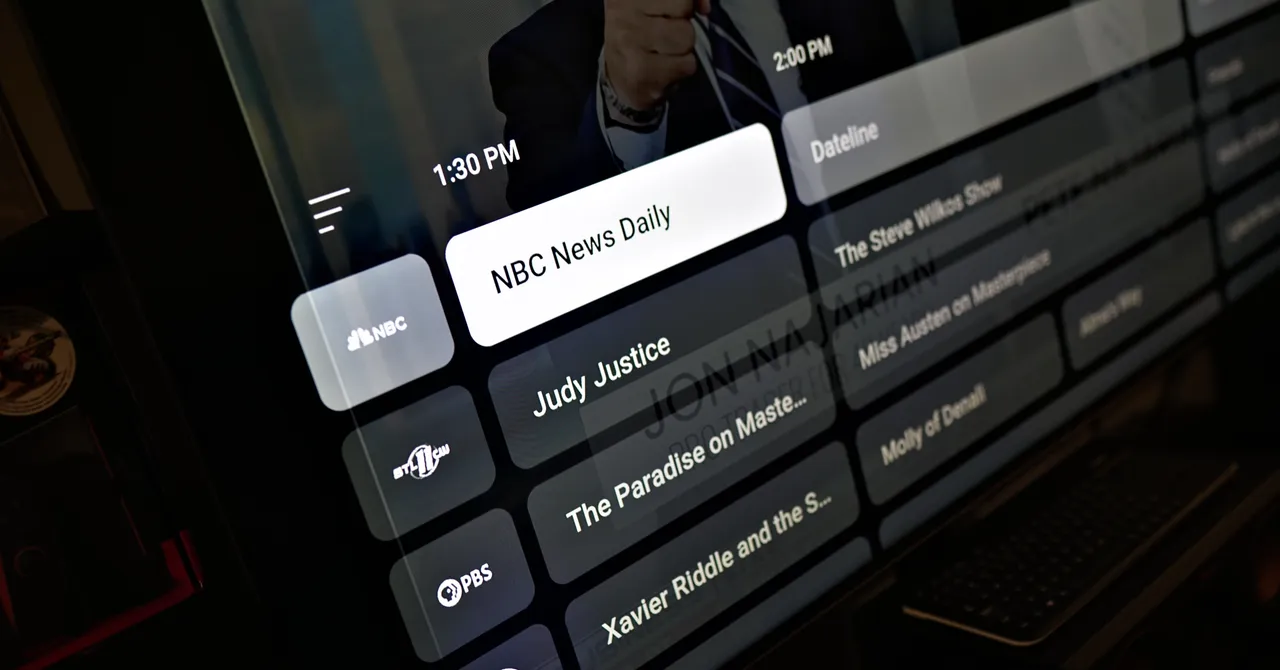
The live TV streaming industry continues to evolve rapidly, with Sling TV emerging as a noteworthy disruptor, despite its notorious complexity. Unlike conventional platforms such as Hulu Live TV or YouTube TV, Sling’s innovative modular approach allows consumers to customize their plans through a base package complemented by a range of affordable add-ons. This flexibility is pushing established giants to reconsider their monolithic service offerings, signaling a potential shift toward more personalized, cost-efficient streaming solutions.

However, this model introduces a new layer of “consumer sovereignty” that could redefine competitive dynamics. The industry’s traditional focus on all-inclusive packages is being challenged by Sling’s emphasis on segmentation—offering core plans at lower prices with optional extras for specific interests. This strategy is aligned with broader market trends highlighted by analysts at Gartner, emphasizing consumer empowerment and segmentation as key drivers for next-gen entertainment platforms. The result: a disruptive force that incentivizes other players to innovate or risk falling behind in an increasingly fragmented but highly tailored landscape.

From a business perspective, Sling’s approach unlocks new revenue streams while maintaining cost leadership—underscored by its ability to underprice competitors by a few dollars despite offering a narrower channel portfolio. This cost-efficiency, paired with extensive compatibility across popular devices such as Roku, Samsung Smart TVs, Apple’s ecosystem, and even Xbox, positions Sling as an agile player capable of rapid market penetration. The availability of apps across leading hardware—from TiVo to Xfinity—further enhances its accessibility, democratizing live TV and broadening its reach among younger, tech-savvy consumers looking for customizable, affordable content.

Looking ahead, industry leaders, analysts, and innovators like Elon Musk, Peter Thiel, and MIT researchers agree that the streaming wars are just beginning. As disruptive technologies like AI-driven content curation and dynamic pricing models mature, the potential for smaller, agile firms like Sling to carve out significant market share becomes increasingly apparent. Ensuring adaptability and innovation will be vital for incumbents to stay relevant in a landscape driven by consumer-centric disruption. The imminent future promises a battleground where technological innovation, strategic agility, and disruptive thinking will determine which companies lead the next era of entertainment. Those who leverage these shifts early will not just survive—they will dominate the new streaming paradigm.

Social Media Auto Publish Powered By : XYZScripts.com



