Matox News

Truth Over Trends, always!

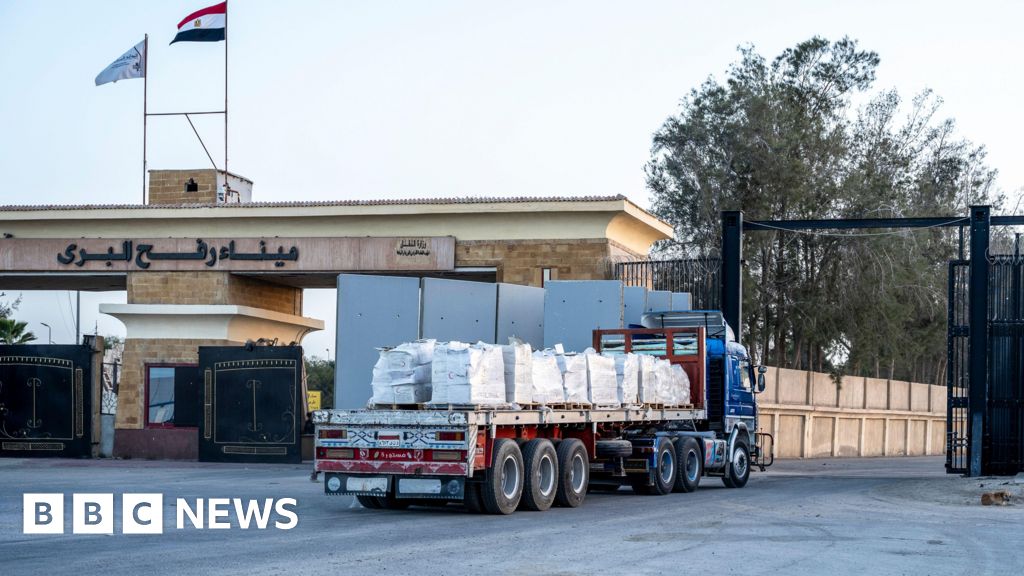
Gaza’s Rafah Crossing with Egypt Opens Again, Boosting Hope and Access

Recent developments in the Israeli-Palestinian conflict have once again underscored the fragile state of peace and stability in one of the world’s most volatile regions. Reports indicate that Palestinians will now be restricted to only a few dozen individuals and a negligible volume of goods crossing borders in both directions daily. Such stringent limitations reflect ongoing efforts by Israel and regional authorities to tighten control over Palestinian territories, particularly in the Gaza Strip and the West Bank.

This measure, which comes amid heightened tensions and sporadic clashes, represents a significant shift in border policies, impacting not only daily life but also the broader geopolitical landscape. Analysts from institutions like the International Crisis Group warn that such restrictions could exacerbate economic hardship and deepen humanitarian crises, especially as the Palestinian population faces shortages of essential supplies. The move draws criticism from Palestinian leaders and international observers, framing it as a form of collective punishment that might derail fragile peace efforts. Yet, from an Israeli strategic perspective, these restrictions are justified as necessary measures to prevent militant activity and ensure security.

Historically, border controls have been pivotal in shaping the conflict’s trajectory. Observers note that decisions to tighten or relax border crossingssuch ashave often been catalysts for escalation or de-escalation. According to noted historians specializing in Middle Eastern affairs, the recurring pattern suggests that such measures tend to deepen mistrust and foster resentment among Palestinian communities, which often view these policies as systemic oppression. The United Nations and European Union have expressed concern over these latest restrictions, warning that they could hinder efforts towards a two-state solution. Despite international calls for de-escalation, both sides appear entrenched in policies that maintain the status quo but risk further destabilization.

The geopolitical impact of this development extends well beyond the immediate region. As the world’s eyes remain fixed on the Middle East, nations across Europe, Asia, and the Americas watch how these policies influence regional stability and global security. Critics argue that such restrictions might serve as a catalyst for broader Sunni-Shia tensions, or even trigger a new wave of militant resurgence, thereby complicating the broader fight against terrorism. Moreover, these border policies have implications for international commerce, diplomatic relations, and the global balance of power—especially amid ongoing conflicts and spontaneous flare-ups elsewhere.

As the conflict persists and decisions take shape that affect millions of lives, the shadow of history looms large. Historians remind us that border policies and security measures are often the first dominoes to fall in the chain of events that can lead to prolonged conflict or peace. In this moment, with the weight of past failures and future uncertainties hanging heavy, the world watches as the decision of who crosses, and how, could well determine not only the fate of Palestinians and Israelis but also the future of international diplomacy itself. The pages of history remain unwritten, yet every decision echoes, reverberating through corridors of power and shaping the destiny of generations unborn.


Bondi Attack: Communities Ignite Menorahs, Stand Together in Resilience and Hope

Australia Confronts Heartbreaking Terror Attack: A Reflection on Geopolitical Implications and Societal Resilience

In a striking illustration of the precarious global landscape, Australia has recently endured a harrowing act of terrorism at Bondi Beach, claiming the lives of 15 innocents during a Hanukkah celebration. This tragedy underscores the persistent threats that nations face even amidst democratic resilience—issues that transcend borders and demand unwavering international vigilance. The attack, perpetrated by a father-and-son pair motivated by an “extreme perversion of Islam,” has provoked widespread mourning, but also reignited debates over security, societal cohesion, and the capacity of political institutions to respond decisively.

The immediate aftermath has seen a surge of national unity. The Prime Minister Anthony Albanese dismissed initial claims linking the suspect to an ISIS terror cell, emphasizing that “there is no evidence” for such allegations. This stance underscores the importance of precise intelligence and calibrated responses in an era where misinformation can be as destabilizing as the violence itself. Nevertheless, the government announced a commitment to tighten Australia’s already strict gun laws, with lawmakers pledging to restrict firearm licenses more stringently, acknowledging that radicalization and security vulnerabilities are increasingly complex issues requiring comprehensive solutions. Such legislative measures demonstrate an understanding that decisions on gun control significantly affect national security and civil liberties, shaping the societal fabric in the process.

Amidst the tragedy, stories of heroism and solidarity have emerged. Ahmed al Ahmed, a Muslim father-of-two, became a symbol of resistance when he disarmed one of the gunmen, risking his own life in the process. Donations exceeding A$1.3 million highlight the collective recognition of ordinary citizens acting in extraordinary circumstances. Leaders from Sydney’s diverse communities, including Rabbi Gabi Kaltmann and others, organized vigils and public Hanukkah events to honor the victims, reinforcing the vital importance of multicultural unity. Sources like international analysts and local historians point out that these acts of communal solidarity serve as a bulwark against the divisive forces of hate, demonstrating that societal resilience can outshine darkness—if only united against such evil.

Nevertheless, critics argue that authorities had warning signs and failed to prevent the tragic events, a concern reflecting broader international discourse on how governments manage the rise in hate crimes and extremist ideologies. Critics reference Australia’s earlier enactment of an antisemitism strategy, which some now deem insufficient, while others, including PM Albanese, vow to intensify efforts to stamp out anti-Semitism. This echoes global concerns that national responses must evolve, incorporating intelligence, community engagement, and legislation—elements that together shape the geopolitical response needed to combat the far-reaching tentacles of radicalism. As history continues to write itself, the weight of this moment presses heavily: how nations respond now will influence societal stability and international perceptions for generations to come.

In the shadow of grief and resolve, the question remains: how will the international community forge a path that balances security with liberty, unity with vigilance? As the world watches, the story of Australia’s response to this tragedy will be etched into the annals of history—an enduring testament to the enduring struggle between darkness and light.

Hundreds of youth hubs aimed at empowering Britain’s isolated youth, delivering hope and opportunity.

In recent years, the fabric of youth engagement and community building in England has been frayed by decades of austerity and neglect. Recognizing this, the government has announced a significant investment of £500 million over the next four years aimed at rejuvenating youth services—an initiative that signals acknowledgment of the critical role these spaces play in shaping the next generation. This funding promises the construction and refurbishment of 250 youth centres and the launch of 50 new Young Future hubs, designed as comprehensive sites where existing services can converge under one roof. The hope is to reinstate a sense of belonging and purpose for millions of young people wandering a landscape increasingly isolated and digitally disconnected, yet yearning for genuine community connection.

The social landscape for youth in England has shifted dramatically, with young people now spending more time online, often retreating into bedrooms rather than communal spaces. As Culture Secretary Lisa Nandy emphasized, these spaces are disappearing in various parts of the country, leaving youths vulnerable not only to physical isolation but also to digital solitude, which can foster loneliness and mental health challenges. Sociologists like Richard Sennett have long warned society that disconnected communities weaken social cohesion and undermine the moral fabric. The establishment of these hubs aims to counteract this, offering not just safe physical environments but also opportunities for face-to-face mentorship and connection with trusted adults. The initiative also aligns with the wider societal understanding that early intervention and community support are fundamental to preventing social problems before they take root.

The impact on families, education, and communities is profound. For families, these hubs can serve as a vital support network, providing guidance and a safe space amid socio-economic challenges. In educational terms, youth centres foster skills development, career guidance, and mental well-being initiatives that complement formal schooling. Communities stand to gain by re-establishing trusted communal spaces where youths can participate in constructive activities, thus reducing risks associated with antisocial behavior and fostering social responsibility. However, social commentators such as Rosie Ferguson OBE warn that “fifteen years of cuts have left deep scars,” making the current investment a necessary, but only preliminary step towards long-term societal healing. Much like the work of sociologists analyzing post-industrial cities, it is clear that **sustained commitment and holistic support** are essential for meaningful rehabilitation of collective social health.

As society stands at this crossroads, society’s collective narrative must evolve from viewing youth issues as mere policy challenges to recognizing them as a reflection of where future generations are headed. The government’s approach, while promising, faces both political and practical challenges: ensuring these centers are adequately staffed, accessible, and genuinely engaging for diverse communities. It also calls for a moral reflection on society’s obligation to nurture its most vulnerable—those who often bear the brunt of social neglect. As history shows, without robust investment and community-driven efforts, the risk is that the “disappearing spaces” will only deepen the divide. Yet, amid these challenges, the hope remains that society can transform these spaces of isolation into grounds of renewal—regenerating resilience, fostering hope, and reminding us that the future, after all, is built not just in policies but in the hearts and minds of its young people.

Nigeria scores big: Freed 100 children, securing hope for the future

Nigeria’s Kidnapping Crisis: A Geopolitical Nightmare Unfolding

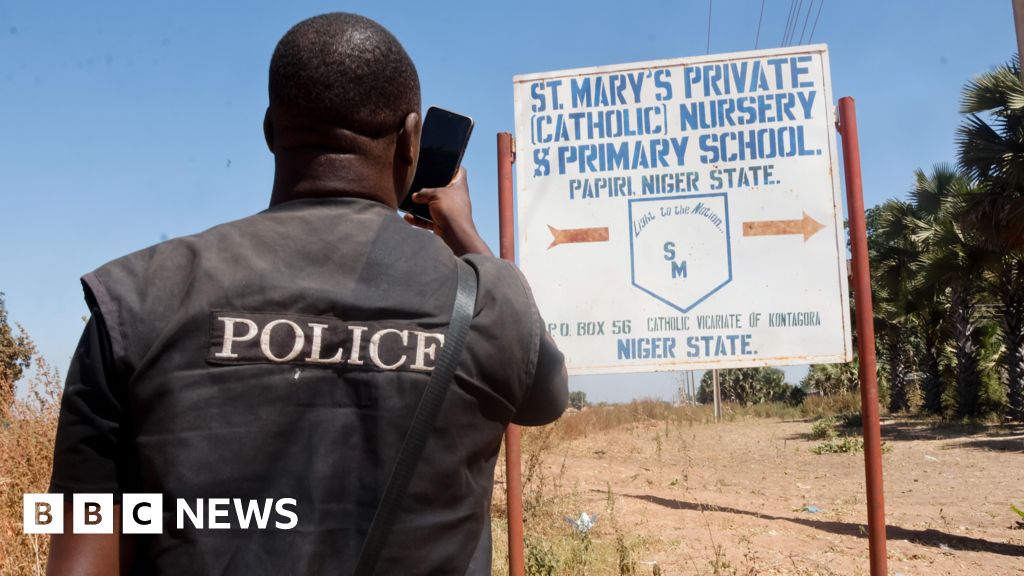
The recent release of approximately 100 children abducted from St. Mary’s Catholic School in Nigeria signals a temporary relief in a broader wave of terror that has gripped the nation. According to officials, the government, with invaluable assistance from the Office of the National Security Adviser, managed to secure the children’s return amid a perilous climate of escalating violence. This incident underscores a distressing truth: Nigeria’s security dilemma has transformed into an international crisis, threatening stability at a regional and global level.

Despite the partial breakthrough, details remain murky about whether cryptic negotiations or force secured the children’s freedom, and if any ransom was paid. The federal government remains tight-lipped about their strategy, with some analysts suggesting the behind-the-scenes efforts were complex and politically sensitive. Last week’s high-level visit by National Security Adviser Nuhu Ribadu to Papiri signals the gravity of the situation, emphasizing that the Nigerian state perceives this wave of kidnappings not merely as criminal acts but as a multifaceted threat. Such moves demonstrate the government’s awareness that internal security lapses, if unchecked, could spill into wider regional destabilization, especially as Nigeria’s neighbors grapple with their own insecurity issues.

Escalating Violence and International Ramifications

The surge in violence across Nigeria, with schools and religious sites becoming frequent targets, reflects a disturbing shift in the security landscape. Attacks in places like Kwara and Kebbi involved not only mass abductions but also lethal violence, drawing international scrutiny. These attacks, which have since been followed by the abduction of pastors, worshippers, and civilians in different regions, point to a well-organized network either driven by criminal gangs or violent jihadist groups, as suggested by Nigerian officials. While some analysts argue these groups are motivated by ransom money, others warn that these acts are intricately tied to extremist agendas destabilizing the nation’s fragile socio-political fabric. Such security breakdowns threaten to push Nigeria, Africa’s largest population and economy, into chaos, with ripple effects felt in neighboring countries.

Adding to the geopolitical complexity, United States President Donald Trump recently issued a stark warning, threatening to deploy troops if the Nigerian government fails to curtail violence, especially attacks on Christian communities. This interventionist rhetoric underscores that Nigeria’s internal strife could serve as a catalyst for greater international confrontation if unchecked. Nigeria, a key player in Africa’s geopolitical landscape, has traditionally been seen as a regional hub, but its security decline has raised alarm bells among Western and regional powers alike. Experts argue that the ongoing violence, if left unresolved, could inadvertently fuel radicalization, undermine Nigeria’s sovereignty, and destabilize the West African sub-region.

How International Decisions Shape Futures

The repeated emphasis on ransom bans and military interventions reveals the difficult balancing act Nigeria faces. The government’s stance against ransom payments aims to starve kidnapper networks of their funding but faces accusations of being ineffective amid ongoing abductions. The international community, particularly organizations such as the United Nations and regional security alliances, has called for a concerted effort to address root causes—poverty, political corruption, and extremist ideology—yet tangible results remain elusive. These policy choices, weighed down with political risks, directly shape the lives of millions of Nigerians and influence the region’s stability.

In conclusion, Nigeria’s crisis confronts the world with an urgent moral and strategic choice, as a nation torn between internal chaos and international destabilization teeters on the edge of upheaval. The courage and cunning of its leaders, the resilience of its society, and the relentless weight of history now hinge on compelling decisions made in the coming days. As the story continues to unfold, the global community must grapple with a stark truth: the fate of Nigeria is intricately linked to the future of Africa, and their story remains unfinished, etched into the very fabric of history yet to be written.

Rare wildflower bloom ignites hope in Chile's Atacama Desert
Rare wildflower bloom ignites hope in Chile’s Atacama Desert

Nature’s Rare Rebirth in the Atacama Desert and Its Broader Global Significance

The Atacama Desert in Chile, long celebrated for its extreme aridity and remarkable clarity of the night sky, has unexpectedly burst into vibrant life. Normally receiving less than 15mm of annual rainfall, this region experienced an extraordinary surge of moisture during August, with some areas recording over 12mm of rain in a single day. This deluge awakened dormant seeds, resulting in a spectacular display of over 200 species of wildflowers—a phenomenon that typically occurs only once every few years. The event underscores nature’s capacity for resilience, even in the harshest environments, and has been celebrated by Chilean authorities as a rare gift, a moment of natural rebirth amidst an otherwise barren landscape.

This recent bloom captivates not only environmental enthusiasts but also international analysts, who interpret such rare ecological phenomena as significant indicators of broader climatic shifts. Historically, climate data suggests that the Atacama’s unusual rainfall aligns with global patterns of warming and unpredictable weather systems exacerbated by human activity. The interplay between natural cycles and anthropogenic influences raises urgent questions regarding the stability of fragile ecosystems and the implications for regional resource management. As Chile’s CONAF reports that this year’s spectacular display will last several more weeks, scientists warn that such events might become less predictable, risking ecological and economic stability in the region.

Implications for Geopolitical and Societal Dynamics

Beyond its ecological significance, the unforeseen bloom in the Atacama carries profound geopolitical weight. The desert is home to some of the world’s most valuable commodities, including lithium, a critical element in the global push for green energy. As the climate adversity highlights vulnerabilities in natural resource exploitation, nations are increasingly compelled to navigate complex diplomatic terrain over access and environmental responsibility. Chile’s strategic position as a lithium supplier to the international community positions it at the heart of evolving tensions over resource sovereignty.

Meanwhile, global institutions such as the United Nations analyze these climatic shifts with heightened concern, emphasizing that environmental variability may accelerate conflicts over water, land, and mineral rights. Countries in Latin America and beyond are watching closely, recognizing that the natural revival of desert flora can be a double-edged sword—offering hope for biodiversity and economic opportunity, yet also exposing vulnerabilities to unpredictable climate change. Historians and climate analysts warn that the current period may be remembered as a radical chapter in planetary history, where resilience is tested amid mounting global pressures.

Conclusion: A Turning Point in Humanity’s Relationship with the Environment

As the world observes the fleeting brilliance of the Atacama’s wildflowers, the underlying message is clear: the environment is both resilient and fragile, a mirror to humanity’s stewardship of the Earth. Such rare occurrences, while inspiring, serve as stark warnings — a reminder that history is still being written, with each climatic shift shaping the geopolitical landscape. The glow of these wildflowers may fade, but their symbolism endures—a testament to the delicate balance between nature’s grandeur and human influence, a chapter in the unfolding story of a planet at a crossroads.

Australia Backs Trump’s Bold 20-Point Peace Plan for Gaza—A Fresh Hope for the Future

Global Reactions to Trump’s 20-Point Peace Plan for Gaza: A New Chapter in Middle Eastern Diplomacy

The recent announcement of President Donald Trump’s 20-point peace plan for Gaza has ignited a complex web of international responses, reflecting both cautious optimism and deep skepticism. The plan, unveiled alongside Israeli Prime Minister Benjamin Netanyahu, proposes a transitional “apolitical” governance committee for Gaza, with the United States potentially leading the effort. Australian Prime Minister Anthony Albanese has publicly welcomed the initiative, calling it a ‘door open’ to the elusive two-state solution that many analysts believe is the only sustainable pathway to peace. Albanese’s diplomatic comments, made during his trip to the US, UK, and UAE, underscore a shift among allies toward supporting specific diplomatic proposals amid ongoing regional turmoil.

Particularly notable is the broad regional backing for the plan’s emphasis on Palestinian self-determination, with Indonesia and Pakistan explicitly endorsing the proposals. These nations have traditionally shown solidarity with Palestinian aspirations, and their support signals a regional consensus that, despite its flaws, the plan might serve as a foundation for alleviating suffering and reducing violence. Nevertheless, the plan’s effectiveness hinges on Hamas’s willingness to disarm and accept the transition, a condition that commentators and former experts warn could predicate future failure. As international organizations like the UNO and analysts from think tanks observe, the plan’s success depends on whether key players—most critically Hamas—are willing to abandon violent opposition, a move seen by many as tantamount to signing their own political death warrants.

Nevertheless, the plan’s details are a matter of fierce debate. Critics from the Greens, citing Palestinian sovereignty, argue the initiative may be yet another iteration of external forces imposing a solution without genuine Palestinian agency. Mehreen Faruqi contends that the US-led effort, with figures like Tony Blair involved, does little to foster authentic independence for Palestine, warning that it could merely perpetuate a cycle of occupation under a new guise. Meanwhile, Australia’s opposition remains divided—some see it as a *beacon of hope*, whereas others worry it could undermine Palestine’s right to self-governance. The Coalition’s stance, to revoke recognition of Palestinian statehood, signals a potential retreat from diplomatic recognition, which could destabilize regional prospects further.

Throughout this evolving diplomatic theater, the geopolitical impact remains profound. The plan’s anticipated impact on regional stability, coupled with potential shifts in alliances—especially between the US, Britain, and Middle Eastern nations—could alter the balance of power for decades to come. Historians and international analysts warn that these decisions will be scrutinized in the corridors of history, as one of the most pivotal moments in the Middle East since the original accords. As leaders grapple with the aftermath of decades of conflict, the question remains whether the region can pivot toward peace or whether it risks yet another cycle of violence, entrenching divisions that threaten to spiral out of control.

In the shadows of these high-stakes negotiations, the weight of history lingers, whispering of past hopes dashed and wars fought over uncertain promises. The world now watches as the chapters of this story are written, unsure whether this latest diplomatic effort will spark a new dawn or plunge the region deeper into chaos. For the youth across continents—those who will inherit the future—the decisions made today may very well determine whether peace, elusive yet desperately yearned for, becomes a genuine possibility or remains a distant, fading dream.

Social Media Auto Publish Powered By : XYZScripts.com