Matox News

Truth Over Trends, always!

Google AI Summaries Threaten Recipe Writers’ Livelihoods: Is a Digital Extinction on the Horizon? | Tech Trends

Embracing the Future: How AI Is Reshaping Culinary Inspiration and Lifestyle

As technology advances at a breakneck pace, many young lifestyle enthusiasts are witnessing a seismic shift in how they approach their passions—most notably, their love for food and genuine culinary experiences. Recently, the rollout of Google’s AI Mode has introduced a new frontier in the realm of online recipes, but with it comes a wave of questions surrounding authenticity, creativity, and the personal impact on creators. Unlike traditional recipes shared with love and expertise, AI-generated dishes are often rough frankensteins of multiple sources, sometimes lacking nuance and personal touch. This shift challenges not only the integrity of culinary arts but also how young consumers connect with trusted food bloggers and lifestyle influencers who have built communities rooted in genuine expertise.

Many intentional lifestyle seekers today are drawn to authenticity—a shift underlined by wellness experts emphasizing the importance of personal experience and human touch in crafting wellness and leisure routines. Elder culinary authorities and food writers such as Julia Child and modern icons like Samin Nosrat remind us that the magic of good food lies in its storytelling, cultural heritage, and the personal care imbued in each step. When AI disrupts this narrative by producing generic, soulless recipes, it threatens to dilute the very essence of lifestyle pursuits that emphasize connection, tradition, and personal mastery.

Impact on Food Bloggers and Culinary Creatives

Authentic food bloggers, such as Jim Delmage and Tara Delmage of Sip and Feast, have long relied on their experience, craftsmanship, and personal stories to build audiences. However, AI’s infiltration into search engines has led to widespread concern. As Jim Delmage recounts, “many food creators are now worried about their livelihoods, fearing that AI recipes, often assembled without care, will overshadow the work they’ve poured years into.” Such sentiments reflect a broader cultural concern: the potential replacement of human artistry with machines, which could result in a decline in trust for online culinary resources and, by extension, a loss of personal impact for these creators.

Yet, amidst these challenges, some chefs and bloggers are doubling down on what makes their content compelling—authenticity. Karen Tedesco, a seasoned chef and culinary personality, emphasizes a reliance on experience and technique—elements that AI cannot replicate. Her detailed Italian meatball recipes, complete with process photos and personal anecdotes, demonstrate how expertise and storytelling foster trust and elevate lifestyle content beyond simple instructions. This approach highlights the importance of maintaining human storytelling in an age increasingly dominated by digital manipulation and automation.

Trust, Authenticity, and the Road Ahead

Interestingly, surveys indicate that consumer trust in AI-generated content remains fragile. Research of over 3,000 US adults shows that “the more interaction people have with AI, the less they want to engage with it,” affirming that trustworthiness still hinges on human authenticity. As Matt Rodbard from Taste points out, the cluttered, ad-heavy interfaces of many recipe sites have already alienated some audiences. Now, the addition of AI content risks compounding this disconnect, making personal, honest storytelling more vital than ever for those who want to distinguish genuine lifestyle voices from soulless automation.

Despite the hurdles, the ethical stance among many creators remains clear: they strive to protect their craft, advocating strategies such as blocking AI training crawlers or emphasizing their unique experiences. Even so, the pressure mounts, pushing many toward offering exclusive subscription content, which, for some, is a necessary step to preserve their livelihood in a rapidly shifting environment. This pivot echoes a broader cultural theme—the pursuit of meaningful, well-crafted lifestyles that resist the transient allure of cheap, disposable content.

Inspiring a Lifestyle of Resilience and Authenticity

Ultimately, this unfolding story reflects a timeless truth: the journey of embracing authentic living, whether through culinary mastery or lifestyle pursuits, is one of resilience. For young individuals seeking vitality, leisure, and a sense of purpose, the message resonates strongly—trust in human experience, nurture your passions, and stay true to what inspires you. As the digital landscape evolves, the true treasures remain those crafted with intention, care, and a story worth sharing. In the face of automation, the journey to authentic living becomes even more meaningful—challenging us to cherish what makes life flavorful, personal, and real.


Four Challenges on the Horizon as House Moves to End the Shutdown — What Young Americans Need to Know

Amidst the chaos of ongoing political tug-of-wars in Washington, the nation’s focus turns to the impending budget battle in the House of Representatives. As the longest government shutdown in U.S. history threads into the past, the current financial debate centers on an issue that touches everyone—healthcare affordability. The primary obstacle remains whether House Republicans will support the renewal of tax credits that help 24 million Americans maintain accessible insurance. While the Senate, under the influence of conservative voices, has taken tentative steps toward extending subsidies, the House leadership, spearheaded by Speaker Mike Johnson, remains cautious, likely hesitant to commit to votes that could risk political fallout. With the clock ticking, all eyes are on whether these vital safety nets will survive the partisan crossfire, or if the US will face another surge in healthcare costs.

This contentious debate about healthcare subsidies exemplifies a broader ideological divide—one between those prioritizing fiscal responsibility and those fighting for social safety. Conservative voices, such as Marjorie Taylor Greene, warn against any move that could cause premiums to skyrocket, emphasizing that healthy, affordable insurance is a cornerstone of American vitality. Meanwhile, Democrats, energized from recent election wins, argue that cutting these tax credits would be a setback for everyday Americans who rely on affordable coverage to stay healthy, especially amid rising healthcare costs. The political stakes are high, as a failure to extend these credits risks not just financial hardship for millions but also tarnishes the credibility of a government purported to serve its citizens’ interests. Citizens are watching, their health directly linked to national political will and leadership.

Beyond healthcare, the debate highlights a deeper cultural shift centered on personal responsibility and self-reliance. As fiscal hawks push for tighter spending controls, including income caps and direct aid to individuals, renaissance thinkers like Jordan Peterson and Ben Shapiro encourage a return to the values of individual empowerment. The narrative is shifting away from dependence on government assistance and toward embracing a lifestyle rooted in personal impact. For the youth, especially, this signifies an awakening—an opportunity to forge a path where wellness hinges on personal choices, resilience, and a pragmatic outlook on government’s role. For many, this isn’t just about fiscal policy; it’s about reclaiming agency and shaping a life where freedom fuels wellbeing and independence.

  • Stay informed about potential travel delays—they’re inevitable as staffing for air traffic controllers faces constraints.
  • Focus on self-care and wellness routines that enhance resilience during uncertain times.
  • Engage with trusted voices advocating personal responsibility and prudent fiscal policy to understand the larger picture.

As political debates continue to unfold, it’s important to remember that life is a journey, where every decision—from voting to personal health choices—shapes our collective future. In a world where government and individual responsibility are intertwined, finding balance is the key. The current moment in American politics underscores a crucial lesson: true wellbeing isn’t solely dependent on policy, but on how each of us chooses to navigate the complexities of modern life with integrity, hope, and purpose. In this moment of flux, perhaps the greatest power lies in our ability to adapt, stay grounded, and embrace the timeless values that foster a resilient and prosperous society.”

Video surfaces of suspected thieves fleeing—Could justice be on the horizon?

High-Profile Louvre Heist Sparks Global Outcry and Strategic Overhaul

In a startling incident that has sent shockwaves through the international community, Paris-based authorities are grappling with the aftermath of a brazen theft at the Louvre, one of the world’s most iconic cultural institutions. Video footage publicly emerging shows two suspects making their daring escape on a mechanical ladder in broad daylight, shortly after they infiltrated the museum and stole an estimated €88 million worth of France’s crown jewels. This event underscores not only a glaring security failure but also signals an urgent need for global institutions to reassess their protective measures amidst rising threats to cultural heritage.

Security Failures and Strategic Shortcomings in Cultural Preservation

According to Laurence des Cars, the director of the Louvre, the incident exposed critical vulnerabilities, notably the insufficiency of surveillance infrastructure. She admitted that the museum had only one CCTV camera monitoring the gallery where the jewels were displayed—a lapse that facilitated the thieves’ quick and unchallenged operation. The fact that the thieves managed their escape within less than eight minutes after the breach illustrates just how vulnerable such institutions remain in an era marked by increasing organized crime. Parisian prosecutors have confirmed that police have collected up to 150 DNA samples and fingerprints, yet the perpetrators remain at large, highlighting the difficulty in preventing sophisticated break-ins.

The stolen items included historically priceless artifacts—a necklace and earrings gifted by Napoleon Bonaparte to his second wife, Marie-Louise. Significantly, amidst the chaos, a 19th-century diamond-studded crown belonging to Empress Eugenie was dropped during the ransacking and, despite being recovered, was heavily damaged—likely crushed as thieves pried it from its case. This act not only represents a cultural loss but also exemplifies a reckless disregard for history and heritage. Such events compel international organizations to reevaluate their security protocols, especially when targeted assets are intertwined with national identity.

Global Implications and the Threat to Cultural Institutions

The Louvre theft underscores a broader trend affecting cultural institutions worldwide—an increase in well-coordinated, high-stakes burglaries driven by the lucrative black market for priceless artifacts. Analysts warn that such incidents threaten international heritage and create destabilizing narratives that can fuel political instability. Experts from organizations like INTERPOL have voiced concerns about the rise of organized crime syndicates specializing in art theft, which exploit gaps in security to pillage cultural icons. On a geopolitical level, this not only erodes shared history but also impairs soft power, as nations must scramble to protect their cultural legacy from becoming commodities for illegal trades.

In response, France announced plans to double CCTV coverage at the Louvre and surrounding sites, acknowledging that previous security measures were inadequate. Yet, this incident raises a stark question: how many other cultural treasures worldwide are vulnerable due to similar logistical gaps? As historians and security analysts debate the profound turning points in antiquities preservation, this event leaves a haunting question in the air—will global authorities prioritize meaningful security reforms before more artworks vanish into the shadows of illicit markets?

As history continues to unfold amid this dark chapter, the weight of this act reverberates far beyond Paris’ borders. The theft is not merely a loss of gold and jewels—it’s a challenge to the sovereignty and cultural identity of a nation, now etched into the ongoing struggle for safeguarding humanity’s collective memory. The story remains unwritten, and the world watches as the remnants of this audacious heist threaten to threaten the very fabric of civilization’s shared history.

Fire on the horizon: Debris sparks concerns near WA mining hub

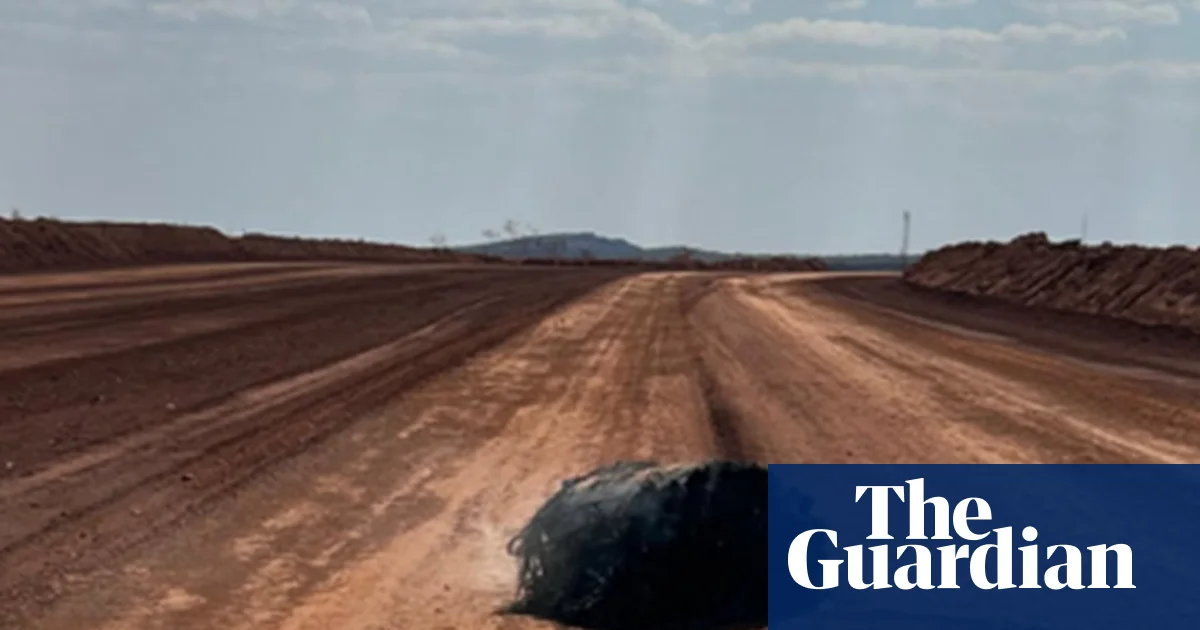
The mysterious discovery of suspected space debris in the remote outback of Australia has ignited international concerns about the increasing presence of “space junk” re-entering Earth’s atmosphere. As mine workers in Western Australia uncovered burning fragments near the town of Newman on Saturday, authorities swiftly responded, underlining the expanding complexity of managing space activities amidst the risk posed to global safety and sovereignty. The incident, while seemingly isolated, exemplifies the dangerous consequences of humanity’s prolific space exploration and satellite deployment, which continue to accelerate amidst a global race for technological dominance.

Initial analyses by police indicated that the debris was composed of carbon fibre, resembling aerospace components such as a composite-overwrapped pressure vessel or a rocket tank—a clear sign that this fragment originated beyond our atmosphere. The Australian Space Agency has been brought into the investigation, alongside other agencies like the WA Department of Fire and Emergency Services, reflecting a collaborative effort to determine the origin of this object. This incident falls within a broader narrative acknowledged by global space agencies and analysts: the mounting perils of space debris, which can threaten both terrestrial infrastructure and celestial navigation. As scientists warn about the increasing density of space junk, nations worldwide are grappling with how to regulate and mitigate this emerging hazard that could, if left unchecked, spark a new realm of geopolitical friction.

The re-entry of unidentified space debris isn’t just a technical issue—it’s a threatening reminder of the competitive, often reckless expansion of space capabilities. Experts fear that space debris could become a catalyst for international conflict, especially as key space powers like China, Russia, and the United States intensify their pursuits of commercial and military applications in orbit. The proliferation of satellites, especially under the banner of private sector ambitions like Starlink and other mega-constellations, complicates the efforts by global institutions to create effective space traffic management norms. Historian and space policy analyst Dr. Francesca Liu emphasizes that, “The unchecked growth of debris not only threatens future space missions but potentially destabilizes international relations, as nations may see this as a form of asymmetric warfare.”

Furthermore, the incident underscores a devastating irony—what goes up in space may very well come back down with unpredictable, potentially catastrophic consequences. The phrase “space junk” masks the seriousness of that debris. The risks associated with “re-entry” include the potential for harm to populated zones and critical infrastructures, calling for urgent international standards and treaties. Though currently the responsibility for tracking and mitigation largely falls to national agencies, there’s increasing pressure for global oversight, especially as nations race to secure strategic dominance both on Earth and in orbit. Critics argue that without robust treaties modeled after existing arms control agreements, the accumulation of space debris could turn Earth’s low orbit into a dangerous minefield, leading to what some analysts describe as an inevitable “space environment catastrophe”—a century-scale period of increasing orbital hazards.

As history witnesses humanity’s trail into the cosmos, a new chapter unfolds—one cloaked in geopolitical tension and unanticipated upheaval. The discovery in Australia serves as a stark warning of the tangible ramifications of neglecting space’s geopolitical implications. As international organizations labor to develop comprehensive frameworks, the choice remains to either tame this burgeoning threat or face the chaos that could ensue. In a world where the boundaries of sovereignty are no longer confined to terrestrial borders, the true battleground now extends beyond, into the void itself. What this incident signifies, ultimately, is that the stakes of space exploration are no longer theoretical—they are immediate, pressing, and potentially cataclysmic. The weight of history is on us, and the decisions made today will echo through time, shaping the future of humanity’s reach into the universe.

Gaza conflict shook up politics — peace may still be on the horizon for the Middle East

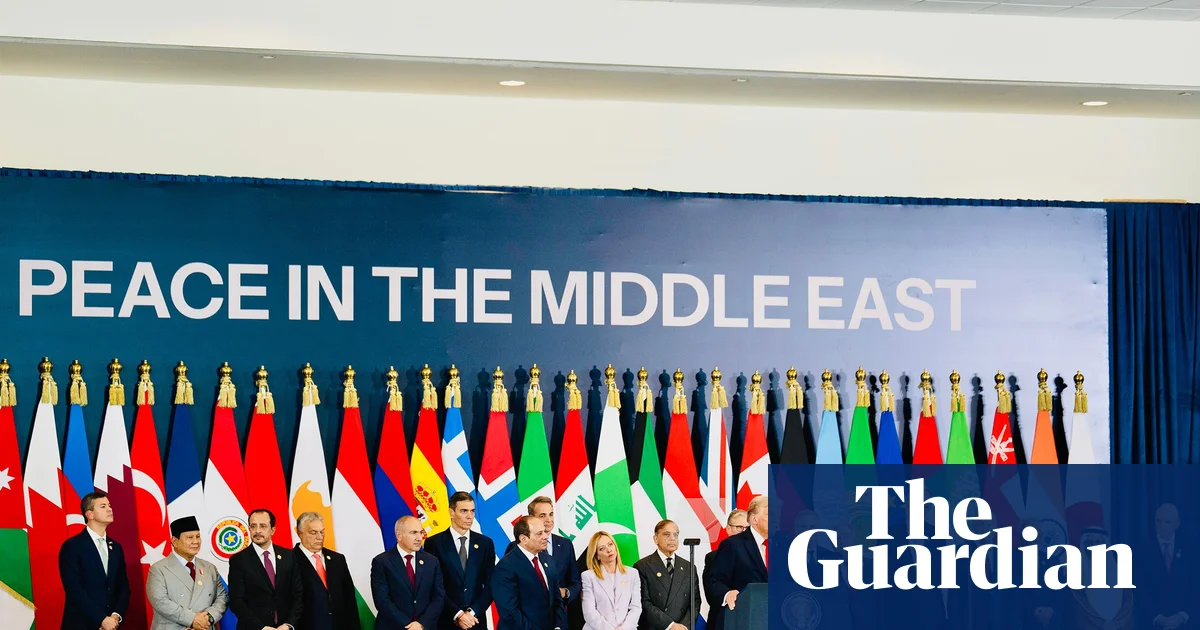
The recent ceasefire in Gaza has sparked a seismic shift in **Middle Eastern geopolitics**, signaling a potential turning point that could redefine alliances, regional influence, and international diplomacy. While some analysts urge caution, warning that ongoing violations by **Israel** and **Hamas** suggest fragile trust, the deeper implications point toward an emerging landscape where traditional rivals are compelled to cooperate under unprecedented pressures. As **U.S. President Donald Trump** pushes his controversial 20-point plan for Gaza, regional powers such as **Qatar** and **Turkey** are accentuating their influence by leaning heavily on **Hamas**, underscoring how external pressure can catalyze unexpected realignments across the Arab world.

One of the most remarkable developments is the attendance at the recent summit in **Sharm el Sheikh**, which included **Iraq’s Prime Minister Mohammed Shia’ al-Sudani**. His visible support—symbolized by a thumbs-up with Trump and praise for Tony Blair’s proposed “Peace Council”—signals a potential shift. Historically, **Iraq**, a nation long under Iran’s heavy influence since the post-2003 U.S. invasion, is now spotted edging toward the **Arab orbit**, hinting at a significant realignment of regional power. According to analysts like Michael Knights of Horizon Engage, Baghdad considering troop contributions to a planned international stabilisation force in Gaza foreshadows an evolution in **Iraq’s** regional role, potentially diminishing its previous allegiance to **Iran**. Such a shift could accelerate **Arab** unity and influence—Movement that, if sustained, may undermine Iran’s geopolitical strategy of forward defense, which relies on a network of militant proxies like **Hezbollah** and **Hamas**.

This realignment comes at a time when Iran’s strategic position appears increasingly compromised. The short war with Israel has exposed Iran’s military limitations and economic vulnerabilities, especially as **European**, **UK**, and **U.S.** sanctions tighten around Tehran. The deterioration of Iran’s regional proxies—Hezbollah in Lebanon, the Assad regime in Syria, and militant factions in Gaza—marks the end of Tehran’s expansive **”forward defense”** doctrine. International analysts warn that the **ceasefire** may paradoxically serve as an engine of **region-wide integration**, rekindling discussions of land connections from the Gulf to the Mediterranean and promoting **diplomatic normalization** of Israel with Gulf Arab states. Nevertheless, the specter of Iran’s discontent remains, as Tehran faces a bleak diplomatic and military landscape that could push it toward more desperate measures.

Amid these developments, the U.S. and its allies appear to be seizing an opportunity to engineer a broader regional realignment. None other than **Trump’s** architect of the **“Riviera” plan**—initially met with skepticism—seems to have accelerated its implementation, potentially laying the groundwork for a new geopolitical equilibrium. If **Abraham Accords** expand to include **Saudi Arabia**, **Indonesia**, and other Arab nations, the potential for **diplomatic normalization** could radically transform the region, diminishing **Iran’s** influence and empowering **moderate Arab states** eager for stability and economic growth. However, such a trajectory hinges on the Palestinian issue—an obstacle that remains a persistent, unresolved question shaping the future of peace and stability.

As history continues to unfold, the **Middle East** finds itself at a critical crossroads. The fragile ceasefire, while temporary, exposes the deep currents of change beneath the surface—currents driven by shifting alliances, ideological battles, and the relentless pursuit of regional dominance. The world watches as these forces collide, and the fate of millions hangs in the balance. The narrative of this conflict is far from over; instead, it has entered a new chapter—one that could either usher in generations of peace or plunge the region into deeper chaos. The next moves made by regional and global powers will be remembered not just as political decisions, but as defining moments that could shape the geopolitical landscape for decades to come.

Outgoing French PM: Strong Will to Reach Budget Deal, No Snap Elections on Horizon | Europe Update

France’s Political Crises Unfold: A Threat to European Stability

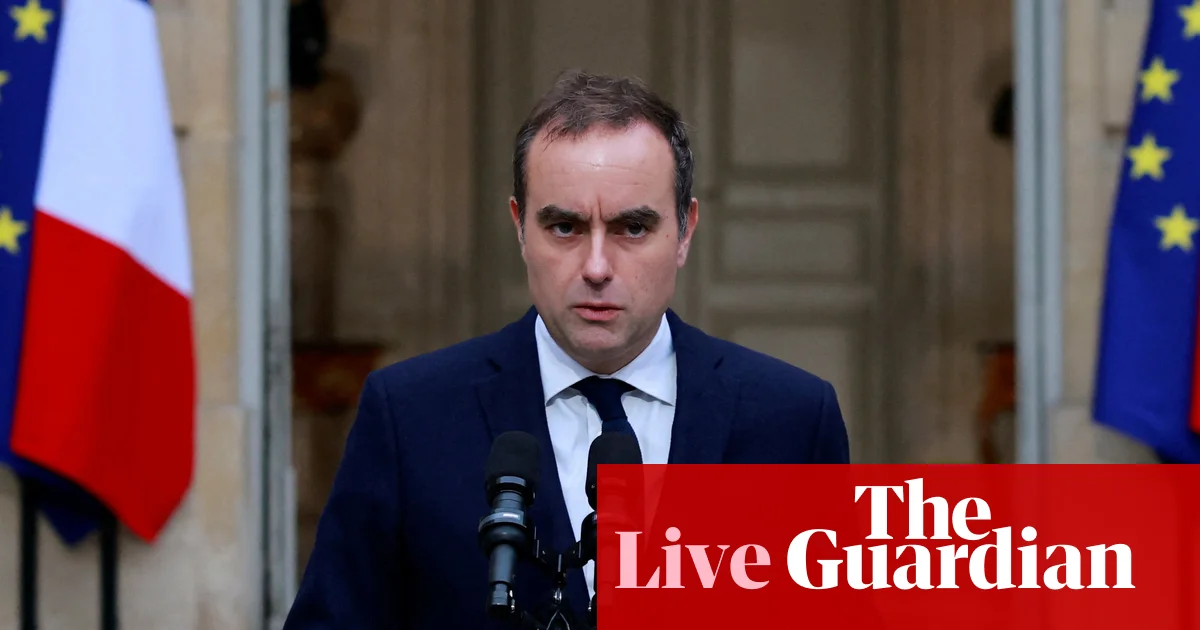
In what can only be described as a deepening crisis within one of Europe’s key nations, France is embroiled in political chaos that threatens its stability and, by extension, the coherence of the European Union. Recent developments reveal a fragile government under President Emmanuel Macron‘s leadership, with the resignation of Prime Minister Sébastien Lecornu marking yet another chapter in a series of tumultuous events since Macron’s re-election in 2022. As the nation grapples with deadlock and discontent, international analysts warn that such internal instability risks emboldening far-right factions like Marine Le Pen’s National Rally, with potentially far-reaching geopolitical consequences.

At the heart of the current turmoil is France’s inability to pass a coherent budget, a dire consequence of a hung parliament and fragmented political alliances. Lecornu, appointed after Macron’s 2022 re-election, has publicly expressed the desire to craft a budget by year’s end, signaling some convergence among diverse political factions. However, the overarching issue remains—the longstanding deadlock has rendered Macron’s presidency increasingly isolated, with mounting calls from within his own camp for early resignation or snap elections. Historian Jacques Dupont notes that this political paralysis could drastically alter France’s constitutional balance of power and erode public confidence.

  • Macron’s refusal to resign amidst plummeting popularity, with polls indicating that 70% of French citizens favor his stepping down, underscores the severity of the crisis.
  • Prime Minister Lecornu’s resignation and subsequent statements have highlighted a stubborn political deadlock, with attempts at coalition-building proving futile.
  • The political landscape in France appears ripe for exploitation by far-right parties, who are gaining popularity, further threatening the foundational stability of the Fifth Republic and the European project itself.

This ongoing crisis signals a pivotal moment for France and its societal fabric. International institutions such as the European Commission and OECD are closely monitoring the situation, understanding that prolonged instability could destabilize European markets and diplomatic ties. Scholars warn that if Macron’s government fails to reassert control, it could accelerate separatist movements, particularly in territories like New Caledonia, where political tensions have already delayed autonomy negotiations. The possibility of political fractures extending from mainland France to its overseas territories illuminates the complex geopolitics at play.

The recent upheaval in France is reminiscent of historic political crises that reshaped nations and continents. Many analysts draw parallels with de Gaulle’s resignation in 1969, an act that reshaped France’s political landscape and set a precedent for presidential accountability. The potential for Macron’s resignation or the dissolution of parliament could usher in a new era—one fraught with uncertainty but also an opportunity for renewal. As Macron prepares to address the nation, the world watches with bated breath, realising that the unfolding chapters in France’s history may well define the geopolitical contours of Europe for decades to come. The weight of history now rests heavily on the shoulders of its leaders, in a country whose decisions continue to echo across the global stage. As the crisis deepens, the question remains: will France find its way back to stability, or will this turmoil ignite a broader upheaval that reshapes the continent entirely?

Gen Z protests push president to clean house—new leadership on the horizon

Madagascar Faces Unrest Amid Economic and Political Turmoil

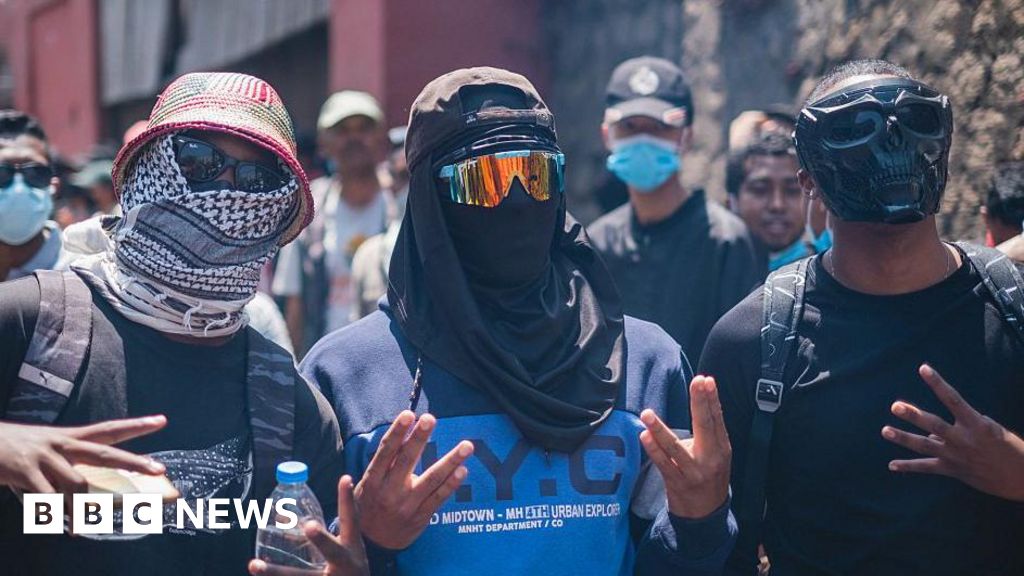
In an unfolding chapter of geopolitical instability, Madagascar is witnessing its most significant wave of protests in over 15 years, signaling a deepening crisis that could reshape the island nation’s future. This eruption of public dissent was largely sparked by endemic issues such as chronic shortages of basic utilities—power and water—coupled with widespread corruption and deteriorating living conditions. Many Malagasy citizens, particularly young people, are now demanding political accountability, with protests escalating rapidly across multiple cities and threatening the stability of President Andry Rajoelina’s government.

For years, Madagascar’s political landscape has been marred by instability and contentious elections. Rajoelina, who first seized power in 2009 during mass protests that ousted then-President Ravalomanana, was re-elected in 2018 amid accusations of electoral irregularities. His latest reelection in 2023, boycotted by opposition groups, only further intensified political divisions. Now, after the recent crackdown on opposition figures and the dismissal of his government, the nation’s fragile political fabric is under severe strain. Analysts and international observers, including the United Nations, warn that reliance on force to quell dissent could deepen the crisis, risking fragmentation and civil unrest. As historian Jean-Michel Roux notes, Madagascar’s history is punctuated by repeated uprisings, showing a pattern where governance struggles often spiral into broader chaos.

Factors Fueling the Uprising

The immediate trigger of the current unrest was the detention of two prominent political figures in Antananarivo, which civil society activists and youth leaders, especially the grassroots-based Gen Z Mada, blame on the government’s attempts to suppress legitimate grievances. The protests initially centered around persistent service outages—hours-long electricity blackouts and water shortages—that have become symbols of government neglect. Many protesters see these failures as symptomatic of entrenched corruption within state utilities like Jirama, which analysts say have been siphoned off for personal gain by political elites. The widespread frustration over deteriorating living standards—among the 75% of the population living below the poverty line—has turned into a call for fundamental political change. This movement, fueled by social media campaigns and united by a common desire for justice and accountability, has expanded beyond the capital, signaling that the unrest is not just about utilities but a broader rejection of President Rajoelina’s policies.

The unrest’s escalation has prompted heavy security responses. Armed forces have been deployed in urban centers, with reports of violent crackdowns, including tear gas, water cannons, and curfews. The government’s framing of these protests as threats to public order has led to accusations of suppression and human rights violations. Opponents, including opposition leaders and civil society organizations, warn that such tactics risk pushing Madagascar towards political instability or outright civil conflict. Meanwhile, international organizations, including the World Bank, have signaled willingness to fund development projects aimed at restoring basic services, but these measures are seen as insufficient amid escalating unrest.

How international and societal reactions shape Madagascar’s future

The international community watches closely as Madagascar’s crisis unfolds. Political analyst Dr. Claire Martin suggests that Madagascar’s trajectory hinges on whether the government pursues dialogue or opts for repression. The opposition, civil society, and even some former leaders advocate for inclusive talks to prevent the descent into chaos. However, recent actions such as dismissing UN casualty figures and imposing curfews suggest a government wary of outside interference and resistant to accountability. The possibility of military neutrality remains a critical flashpoint; as history has shown, Madagascar’s military has occasionally intervened in politics, and its stance could determine whether the island descends into prolonged unrest or begins a difficult path toward reconciliation.

As the world observes, the question remains whether Madagascar will embrace democratic reform or plunge into deeper turmoil. With each demonstration, each act of repression, and each political decision, the island’s future is being forged—one way or another. The weight of history presses heavily upon this young nation, as its people continue to march for justice and dignity, rewriting the story of a nation caught between the failures of the past and the hopes of a new dawn.

Social Media Auto Publish Powered By : XYZScripts.com