Matox News

Truth Over Trends, always!

England's hospitals brace for risky winter surge amid discharge delays
England’s hospitals brace for risky winter surge amid discharge delays

Overcrowded Hospitals and Social Failures in England’s Healthcare System

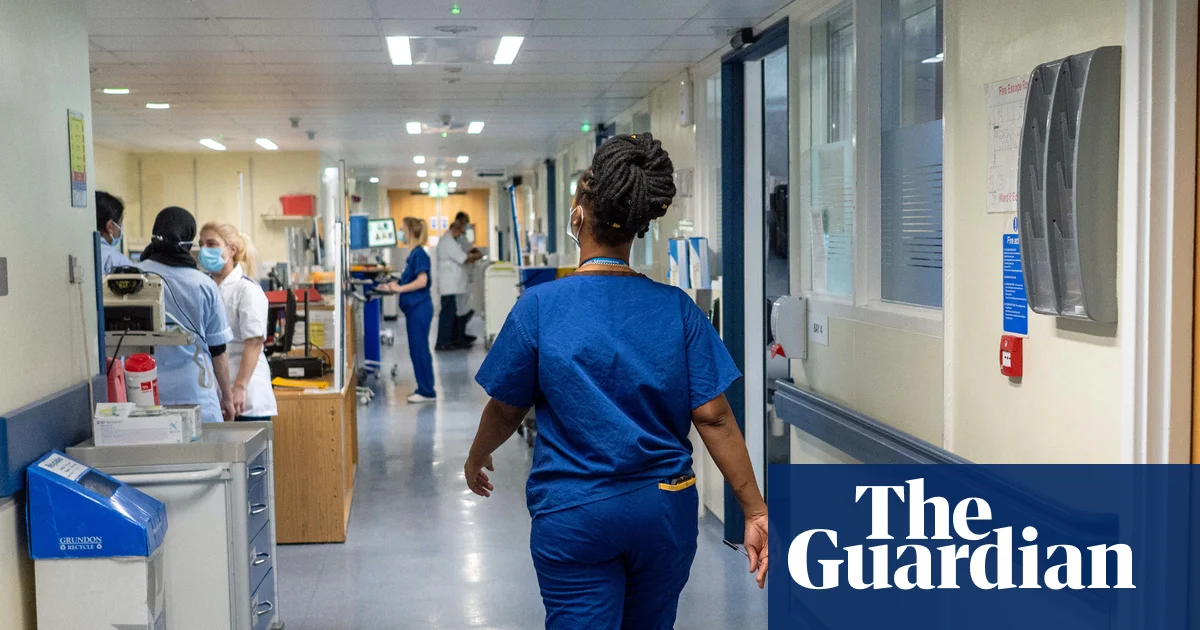
As the winter chill sets in across England, alarming headlines reveal a healthcare crisis that threatens the very fabric of our communities. Hospitals are grappling with unprecedented overcrowding, driven in part by an increase in acute illnesses like the seasonal flu. Analysis from the Health Foundation shows that the number of patients delayed in discharges has risen sharply, with nearly 19,000 more bed days lost this year compared to the same period last year. This situation magnifies societal and familial strains, as families face longer waits with loved ones in incapacitated health, and communities bear the brunt of the faltering social safety net.

At the core of the crisis lies a complex web of social issues—primarily the chronic shortage of social care and community support—exacerbated by fiscal austerity measures and demographic shifts. The ageing population and extended life expectancy, while victories of modern medicine, have paradoxically created new challenges. Senior doctors, including Dr. Vicky Price, warn that these persistent bed shortages will inevitably lead to preventable deaths, casting a shadow over the moral fabric of the NHS. Rates of delayed discharges, where patients deemed medically fit-to-leave remain hospitalized due to lack of social care, have created bottlenecks that ripple through emergency services, leading to ambulance queues, overcrowded emergency rooms, and longer wait times. By focusing on these issues, sociologists like Dr. Robert Putnam argue that societal cohesion and moral responsibility toward vulnerable populations are under threat as these healthcare failures deepen.

Moreover, the ramifications extend beyond hospitals into families and local communities. Children with sick or elderly relatives are often caught in the turmoil, witnessing loved ones stuck in limbo amid unending waits and fractured social support. The financial toll on families unable to access adequate care at home compounds their difficulties, further straining social cohesion. The moral question arises: how can society claim to prioritize the wellbeing of its most vulnerable when systemic failures compromise the dignity and safety of all? The social fabric frays as hospitals reduce capacity in response to financial cutbacks—partly a calculated response to austerity policies—and as neglect of social care infrastructure leaves families with no options but to endure prolonged crisis. According to the Royal College of Emergency Medicine, nearly 17,000 avoidable deaths last winter were attributed to these delays, underscoring the tragic human cost of inadequate social foresight.

Despite government claims of proactive measures, the reality remains bleak. Efforts to ramp up vaccination and streamline hospital operations are commendable but insufficient to address the underlying social failures. As Rory Deighton of the NHS Confederation highlights, “delayed discharges have been a longstanding challenge,” and without significant investment in social care, the cycle of overcrowding and preventable death will persist. Sociologists and social commentators emphasize that true progress hinges on restoring the social contract—rebuilding the capacity of communities to care for their own—before hospitals become more crowded with preventable tragedies. As society stands at this crossroads, the hope resides in recognizing that social wellbeing is the foundation of national resilience. Only by addressing these interconnected issues—social, economic, and moral—can we strive toward a future where healthcare is a promise fulfilled, not a broken vow left for families to bear.”

Postpartum Bleeding Risks Hit Five-Year High for Women in England, Hospitals Warn

In a development that sends shockwaves through the international community, England is witnessing a disturbing rise in postpartum haemorrhage instances, marking the highest level in five years. Recent NHS figures reveal a 19% increase in women experiencing severe bleeding after childbirth, escalating from 27 per 1,000 births in 2020 to 32 per 1,000 this year. The data underscores an alarming trend amidst a backdrop of declining overall birth numbers, with some experts linking this surge to the complex realities of modern childbirth. How these internal health crises unfold within the UK reflects broader challenges faced by developed nations—balancing healthcare quality with rising socio-economic pressures— and has distinct geopolitical impact because the UK’s health system is a key indicator of Western stability and social cohesion.

  • Despite fewer births, the record number of postpartum bleeding incidents signifies a concerning deterioration in care quality and safety standards.
  • Critics argue that longstanding failures to implement reforms have left hospitals ill-prepared for modern childbirth complexities.
  • As the findings draw widespread public and political concern, calls for urgent intervention grow, stirring a debate about priorities amidst austerity and political upheaval.

International analysts, including prominent health policy experts and historians of the NHS, highlight the deeper implications of this crisis. The Royal College of Obstetricians and Gynaecologists has pointed out that the increase is partly attributable to factors such as obesity and older maternal age—both linked with higher risks of complications. Nonetheless, critics argue that systemic issues—such as staffing shortages, underfunding, and insufficient oversight—are exacerbating an already dire situation. The failure to effectively respond to decades of warnings and recommendations is seen as an insult to families who face the trauma of childbirth without adequate safety nets, potentially fueling the erosion of trust in Britain’s once-vabled universal healthcare model. The future of NHS maternity services hangs in the balance, with policies and reforms that are long overdue.

The political landscape responds vigorously to the crisis. The Liberal Democrats have issued a stark call for a comprehensive “maternity rescue plan” aimed at bringing all hospitals up to the recognized standards of safety and quality. Their demands are reinforced by statements from Valerie Amos—the government-commissioned inquiry chair—describing the neglect of past recommendations as “staggering.” In a situation where the failure to act could have deadly consequences, the government has announced a rapid review of maternity services and the formation of a new national maternity and neonatal taskforce. Such steps symbolize an acknowledgment of the systemic cracks that threaten to widen, framing the ongoing debate about health security not just as a national concern but as a reflection of Western societal resilience as a whole.

As the world watches, the unfolding crisis in England becomes a testament to the fragile nature of modern welfare states. The erosion of maternity safety standards is more than a domestic issue; it signifies a potential turning point for healthcare policies across the West. Historians warn that the delays in reform could leave a legacy of tragedy, etched into the collective memory for generations. The weight of that history bears heavily on policymakers and society alike—reminding us that the true measure of a nation lies not only in its power or prestige but in its capacity to protect its most vulnerable. The coming weeks will reveal whether decisive action can stem this tide of decline or if, indeed, this is only the beginning of a more profound unraveling of societal standards—an enduring chapter in the unfolding narrative of a world at risk of losing its moral compass amid systemic neglect.

Thinktank urges hospitals to downsize and end NHS 'permacrisis'—a call to fix the system for Britain’s young generations
Thinktank urges hospitals to downsize and end NHS ‘permacrisis’—a call to fix the system for Britain’s young generations

Assessing the Global Impact of Healthcare Restructuring: The UK’s NHS as a Case Study

Amidst a rapidly changing demographic landscape and escalating healthcare demands, the United Kingdom is contemplating a radical overhaul of its National Health Service (NHS) infrastructure. According to a recent report by the thinktank Re:State, the future of hospital care must shift from the traditional model of large, bed-intensive institutions to a leaner, more community-focused system. This transition isn’t merely an internal UK matter, but one with profound geopolitical impact: it signals a broader global trend towards reimagining healthcare delivery, emphasizing efficiency, preventive care, and technological innovation.

Historians and international analysts emphasize that this strategic pivot, if executed successfully, could serve as a blueprint for other nations grappling with aging populations and strained healthcare budgets. Considerations surrounding the downsizing of hospitals are not merely cost-cutting exercises but represent a fundamental shift in how societies perceive health and healing. The UK plans—to potentially shed thousands of hospital beds—align with advances that allow treatment at home and in local clinics, reducing the physical footprint of traditional hospitals. Experts warn, however, that such a seismic transformation raises questions about sovereignty, societal cohesion, and the race for technological supremacy in medicine.

International organizations, including the World Health Organization, have issued cautious praise, noting that innovation and efficiency are critical to maintaining universal coverage in an era of constrained budgets. Still, they warn that rapid reform must be balanced with safeguarding access, especially for vulnerable communities. The Re:State report highlights that the UK’s approach, offered as a model in reform debates, could shift the global healthcare landscape—particularly if other nations follow suit. As British policymakers push forward, the decision to transform hospitals into more agile, community-integrated centers could redefine geopolitical influence, giving the UK an edge in healthcare innovation and international aid diplomacy.

With global conflicts and economic uncertainties inflaming the geopolitical stage, the decision-making surrounding rapid healthcare reform goes beyond domestic borders. As Britain’s NHS reimagines itself, it simultaneously signals a broader challenge for global powers: do they prioritize national sovereignty or align with international models of efficiency? Given the stakes, the profound transformations underway may be a harbinger of a new epoch in global health—one where history is written in the choices of today, and the ripple effects of these decisions will echo for generations to come.

Social Media Auto Publish Powered By : XYZScripts.com