Matox News

Truth Over Trends, always!

Israel Reopens Gaza Crossings After Confirming Hostage's Body
Israel Reopens Gaza Crossings After Confirming Hostage’s Body

Unfolding Crisis: Israel, Gaza, and the International Stakes

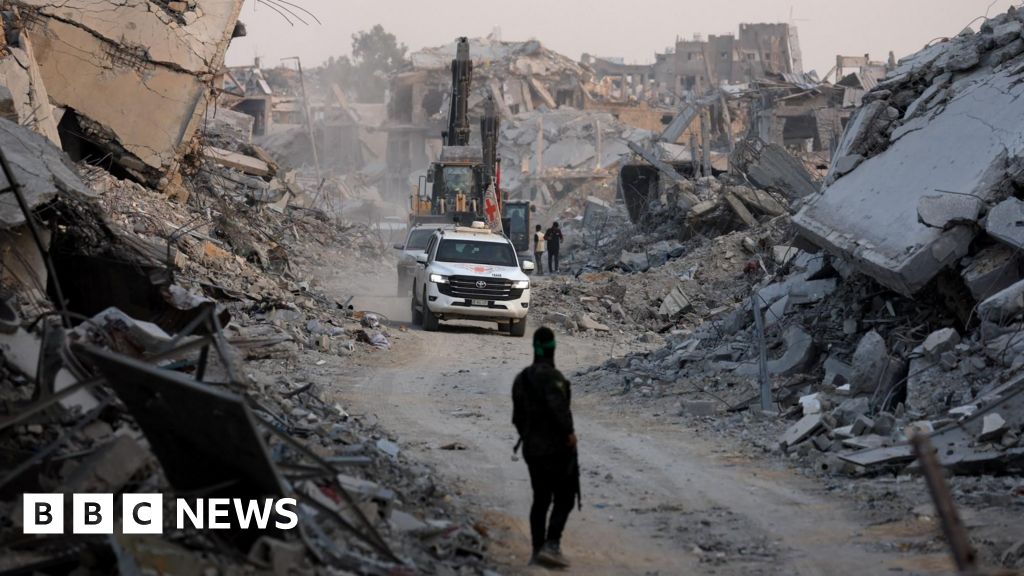
The ongoing turmoil surrounding Gaza and Israel has transitioned into an uncertain period of diplomacy intertwined with military operations. Recent developments reveal that Israel has conditioned the reopening of the key border crossing at Rafah — the critical gateway between Gaza and Egypt — on the retrieval of the remains of Israeli soldier, Master Sgt. Ran Gvili, who has been held captive since the Hamas-led attack of October 7, 2023. According to Israeli authorities, the military has launched focused searches in northern Gaza, including efforts at Gaza City cemeteries, reflecting a broader strategy to solidify leverage over the fragile ceasefire and future negotiations.

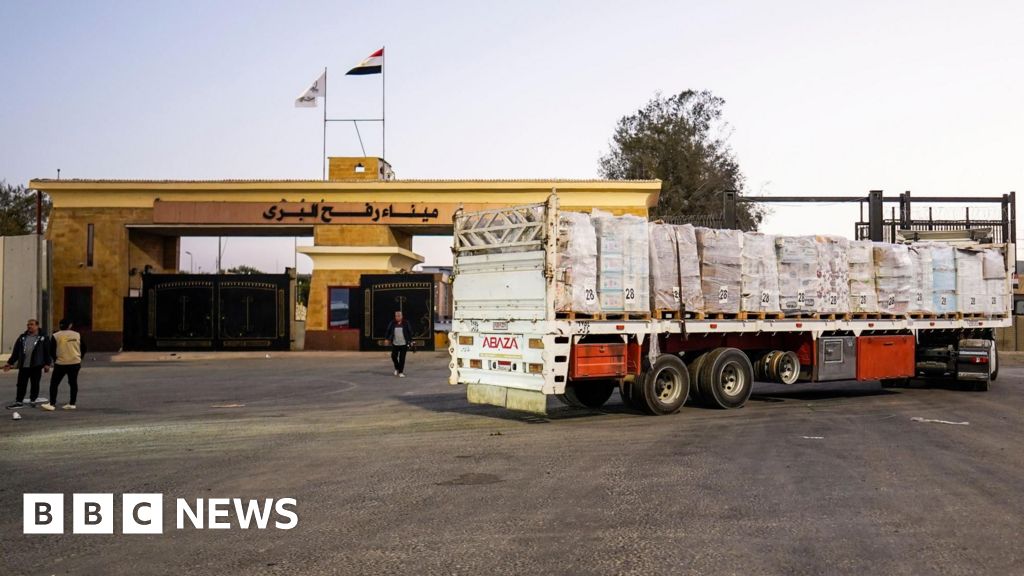
This move signifies a turning point in Israel‘s approach to the Gaza conflict, where security concerns have repeatedly overshadowed diplomatic efforts. Prime Minister Benjamin Netanyahu‘s government announced a *limited reopening* of the Rafah crossing for pedestrian traffic, accompanied by comprehensive Israeli inspection mechanisms. Such measures, as reported by Haaretz, include oversight of entry and exit lists and additional screening points along the territory’s Yellow Line, which delineates the area under Israeli control. These stringent controls underscore the prioritization of security over humanitarian access, reflecting the intense pressure on Israeli policymakers amid the ongoing search operations and warfare repercussions.

Global Mediation and the Fragile Peace Process

Meanwhile, international mediators, including U.S. officials led by special envoy Steve Witkoff and Jared Kushner, have intensified diplomatic efforts. Recent meetings with Israel’s leadership signal a push to implement phase two of former President Donald Trump’s peace plan—aiming to establish a new Palestinian government in Gaza, oversee reconstruction, and enforce full demilitarization, including disarmament of Hamas and allied groups. This ambitious agenda remains in jeopardy, as ongoing military operations and deep-seated mistrust threaten to undermine any progress.

The continuation of violence has brought profound humanitarian consequences, with reports of over 71,650 casualties — a figure that highlights the devastating toll on civilians under the Hamas-led military campaign. The Gaza health ministry, controlled by Hamas, provides grim documentation of this human cost, casting a long shadow over the prospects for peace. Such devastation has prompted debates among analysts and historians about whether the cycle of retaliation and blockade can be broken, or if the region is heading toward an inexorable future of conflict.

The Geopolitical Impact and Future Uncertainties

The unfolding events demonstrate how U.S. and European efforts to mediate peace are coupled with realpolitik. The conditional reopening of the Rafah crossing and Israel’s intensified search for Gvili’s remains illustrate a complex negotiation matrix, where security concerns dominate and humanitarian needs are often sidelined. Analysts warn that these military and diplomatic maneuvers could deepen regional instability. Moreover, Egypt’s stance on the border underscores the delicate diplomatic dance, insisting on open movement in both directions to facilitate the return of Palestinians displaced by war. Such demands complicate international efforts and reflect the intricate web of regional interests at stake.

As international organizations, including the United Nations, monitor these developments, historians and geopolitical strategists warn that humanity stands at a crossroads. Will this crisis catalyze meaningful peace, or will it spiral into a prolonged saga of violence and despair? The decisions being made today will echo across generations, shaping the future of the Middle East and testing the resolve of international diplomacy. With each military strike and diplomatic handshake, the weight of history lingers, reminding the world that the path to stability remains fraught with peril and temptation, and that the outcome is still clinging to fragile hope or destructive chaos.
Authorities crackdown as two hostages reportedly freed in suspected plotter hunt

West Africa stands at a critical crossroads as a wave of military coups threatens the fragile stability across the region. The attempted coup in Benin, once considered one of Africa’s bastions of relative democracy, underscores a disturbing trend of political unrest that has ignited alarm among international observers and regional powers alike. The swift intervention by Nigeria, leveraging its formidable military might, highlights not only regional solidarity but also the deeper geopolitical undercurrents shaping the continent’s future. Analyzing these developments reveals how decisions made in the heat of conflict can reshape alliances, threaten democratic progress, and draw in global actors with divergent ambitions.

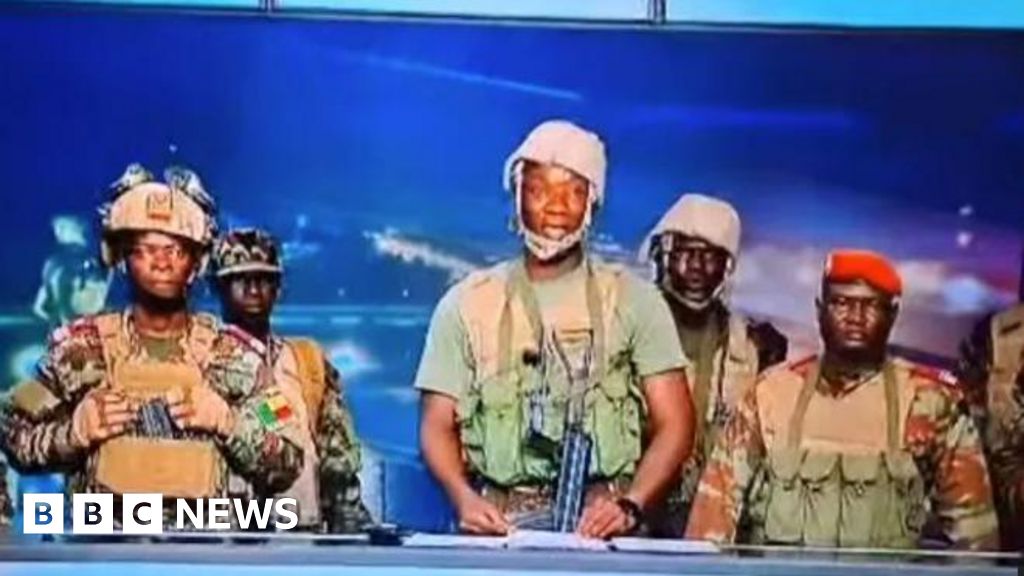
In the early hours of Sunday, soldiers appeared on national television—an unprecedented breach in Benin’s political stability—to declare they had seized control of the government. This audacious act followed mounting frustrations within the military—stemmed from threats to national security and economic decline—highlighted by critics and military insiders. The rebels, led by Lt Col Pascal Tigri, voiced grievances over President Patrice Talon‘s perceived mismanagement, especially regarding the security crises on the northern borders and socio-economic policies.

  • The security situation has deteriorated in recent years, with jihadist factions linked to IS and al-Qaeda gaining grounds in neighboring Niger and Burkina Faso, which has unnerved Benin’s military establishment.
  • The rebels condemned cuts in healthcare, including the suspension of vital kidney dialysis services, and increased taxation, which they argue fuel social discontent and political instability.

Meanwhile, regional responses underscored the geopolitical tensions beneath these overt conflicts.

Regional actor Nigeria, acting swiftly under the auspices of mutual security, dispatched fighter jets to dislodge the mutineers, effectively thwarting the coup’s consolidation. Nigeria’s decisive action signals the importance of maintaining stability in this critical corridor, both for economic reasons and for regional security. As Ecowas and the African Union publicly condemned the attempted takeover, the incident amplified fears that West Africa’s resurgence of military coups—following recent upheavals in Mali, Burkina Faso, Guinea, and Niger—could spiral into a broader regional crisis. Historians and analysts warn that such instability risks unraveling progress in democracy and economic development, drawing in external powers eager to influence the continent’s future trajectories.

Of particular concern is the geopolitical impact of Russia’s increased involvement. Several pro-Russian social media accounts lauded the Benin coup attempt, reflecting a broader contest for influence in an increasingly divided Africa. While Western nations, led by the United States and European Union, advocate for democratic consolidation, Russia and its allies have sought to exploit the chaos, fostering alliances with countries opting to leave regional bodies like Ecowas and form their own blocs—most notably, the Alliance of Sahel States. This geopolitical chess game threatens to transform Africa into a battleground for global influence, with consequences that extend far beyond its borders. International organizations continue to warn that regional destabilization could accelerate migration, foster terrorism, and foster economic decline in an already impoverished continent.

As tumult continues to ripple through West Africa, the deeper narrative emerges: a battle between democratic resilience and authoritarian resurgence, influenced by external powers with vested interests. With critical elections due in Benin next year and the region’s political landscape more volatile than ever, the weight of history presses down, shaping the future of an entire continent. The unfolding story of Benin’s attempted coup and the regional response is a stark reminder that in this era of shifting alliances, the choices made in moments of crisis will resonate for generations—carving a legacy that may either solidify stability or plunge West Africa into chaos.

Israel receives alleged coffin claimed to hold Gaza hostage's body—Hamas stirs tensions
Israel receives alleged coffin claimed to hold Gaza hostage’s body—Hamas stirs tensions

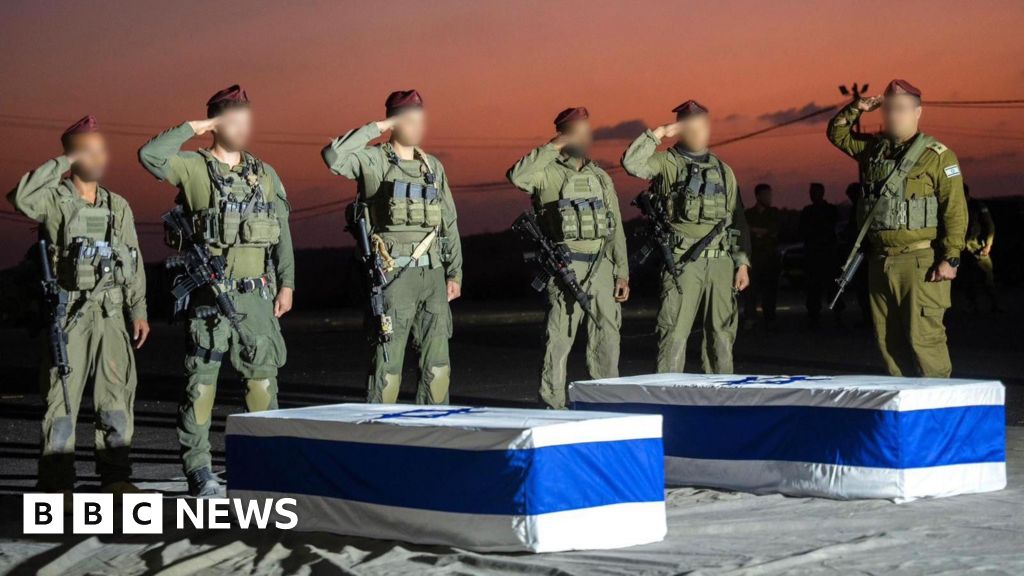
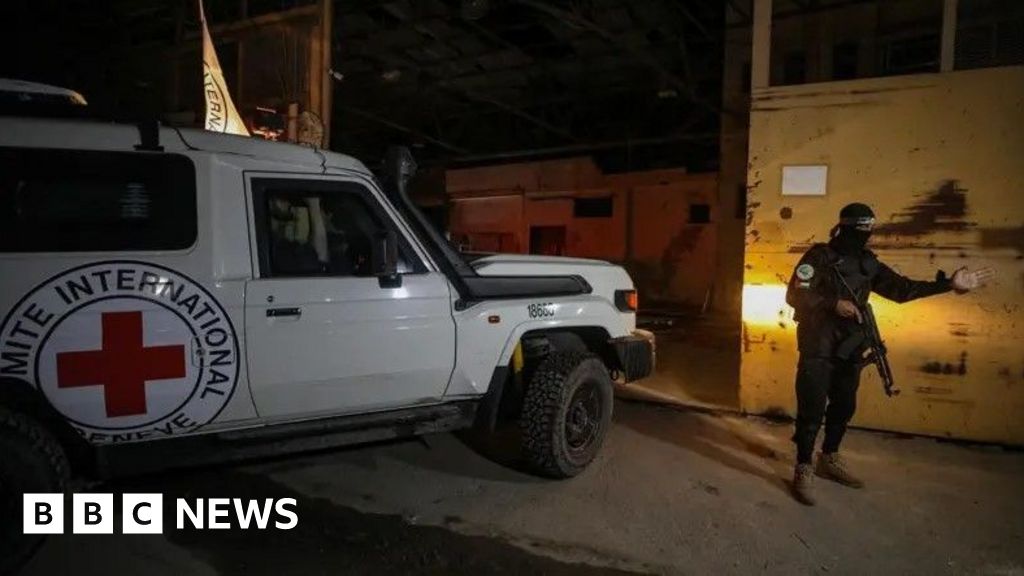
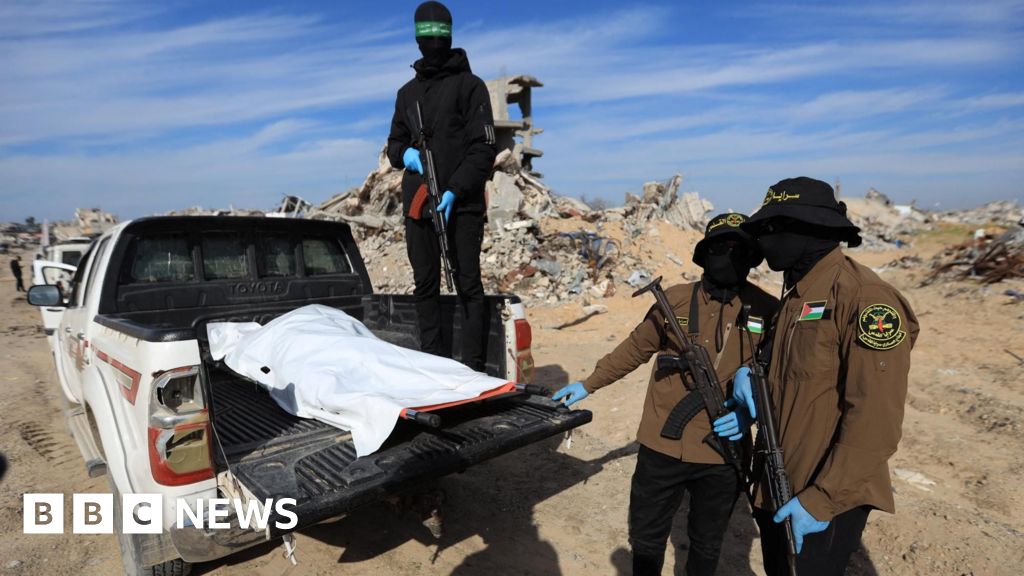
The ongoing crisis in Gaza has once again underscored the complex and deeply entwined web of geopolitical conflicts shaping the modern Middle East. Recent developments reveal a fragile détente coupled with profound human tragedy. Israel has indeed received a coffin via the Red Cross containing the remains of one of the last two Israeli hostages held in Gaza, as confirmed by the Israeli prime minister’s office. This exchange demonstrates both the humanitarian toll and the diplomatic jostling that define this latest chapter of the longstanding conflict. Notably, alongside the reported body, the Israeli authorities will transfer the remains to their National Institute of Forensic Medicine in Tel Aviv for identifications, an essential step in the ongoing negotiations and for future accountability.

Meanwhile, the Palestinian Islamic Jihad (PIJ) announced the discovery of a hostage’s body in northern Gaza hours prior to the handover, further complicating perceptions of progress and cooperation. The situation remains tense, with Israel accusing Hamas of intentionally delaying the return of the remaining bodies, while the latter claims the bodies are simply buried under rubble—highlighting the logistical and strategic struggles on both sides. The two identified victims—Ran Gvili, a 24-year-old Israeli police officer, and Suthisak Rintalak, a 43-year-old Thai agricultural worker—were killed during the attack on southern Israel on 7 October 2023, and their bodies were taken into Gaza’s chaos. This painful exchange exemplifies the wider human cost of the escalation, which has spurred international demand for a resolution that seems increasingly distant amid ongoing hostilities.

The broader US-brokered ceasefire initiated on 10 October aimed to secure the return of all hostage remains and those still held in Gaza, but progress has been slow. The initial agreement called for the release of 20 living Israeli hostages and the repatriation of 28 deceased Israeli and foreign nationals—a promise that, while partially fulfilled, has been overshadowed by delays and accusations. So far, 23 bodies of Israeli victims and three foreign hostages—Thai, Nepalese, and Tanzanian—have been recovered, but many remain unaccounted for. The exchange of bodies for Palestinian remains is a stark reminder of how fragile hope is in a conflict that has claimed over 70,100 lives, as reported by Hamas’s health ministry. Israel maintains that Hamas’s reluctance has bolstered accusations of deliberate obstruction, a claim that fuels the international community’s concerns and complicates efforts to advance President Donald Trump’s second phase Gaza peace plan, which includes governance reforms, troop withdrawals, and disarmament initiatives.

As the conflict inexorably shapes the geopolitical landscape, global powers and analysts are left to interpret the likely repercussions. The failures and delays in repatriations serve as a de facto reflection of the larger political deadlock—an impasse that threatens to ignite further instability in a region already marked by profound divisions. The ongoing tensions are not merely about the immediate humanitarian suffering but also about strategic influence, military power, and the ideological clash between forces vying for dominance in a crucial geopolitical corridor. This unresolved crisis continues to write itself into history, leaving a path of unresolved grievances and unhealed wounds for future generations. It is a poignant reminder that, amid the chaos and bloodshed, the weight of history remains heavy, its next chapters still unwritten but undeniably influenced by every decision made today.

Israel receives purported Hamas coffin with Gaza hostage's body, says group
Israel receives purported Hamas coffin with Gaza hostage’s body, says group

The ongoing conflict between Israel and Hamas has entered a new, unsettling chapter as recent developments reveal the grim reality of war’s toll on human lives and geopolitical stability. Reports confirm that Israel has received a coffin via the Red Cross, ostensibly containing the remains of a hostage believed to be deceased, according to the Israeli prime minister’s office. This development underscores the fragile progress—or lack thereof—in the broader context of the ceasefire agreement mediated by the United States, which aimed to de-escalate the violent escalation that began with Hamas’s brutal attack on Israel in early October. The transfer of remains to Tel Aviv’s National Centre of Forensic Medicine signifies an ongoing quest for accountability amid an environment riddled with mistrust and political motives that complicate recovery efforts.

Hamas’s military wing claimed to have recovered the body of an Israeli soldier in Gaza’s eastern Shejaiya neighborhood—an area still under __territorial control of Israeli forces__. Israel, on its part, accuses Hamas of intentionally delaying the return of hostages, both dead and alive, despite commitments made during the US-brokered ceasefire. The agreement stipulated that Hamas would release 20 remaining hostages and return 28 others within 72 hours—a promise that remains unfulfilled, fuelling accusations of bad faith. The complex negotiations reflect how these diplomatic efforts are deeply intertwined with the legacy of ongoing conflict, where each side contends over images of humanity and the perceptions of moral responsibility.

While Israel successfully secured the release of all its civilian hostages on 13 October in exchange for 250 Palestinian prisoners and 1,718 detainees in Gaza, the situation remains volatile. Israel has also handed over the bodies of 270 Palestinians, including those of two foreign hostages—one from Thailand and another from Nepal—in a grim exchange that highlights the human cost of this entrenched confrontation. The death toll on Gaza’s side exceeds 68,800, according to Gaza’s Hamas-run health ministry, underscoring the catastrophic scale of the ongoing military campaign. Historians and analysts warn that these levels of casualties could irrevocably shift regional dynamics, sowing deep-seated resentment that might seep into generations.

In this chaotic mosaic of international crisis, the geopolitical impact is clear: the conflict’s escalation threatens to destabilize broader regional alliances, challenge global diplomatic efforts, and threaten the fragile balance of Middle Eastern peace. Israel’s military actions have provoked condemnation but also garnered support from key allies, reaffirming its defensive stance. Conversely, Hamas’s rhetoric continues to galvanize its supporters, asserting that their actions are acts of resistance against occupation and oppression. As military strikes ripple into northern Gaza, with reports of civilians killed in areas like Jabalia, the world witnesses the horrifying human cost of unresolved conflicts that have persisted for decades. In the shadow of this unfolding tragedy, international observers ponder whether the tide of chaos can be stemmed, or if this chapter will become only the latest in a long and tragic saga of regional destabilization. The pages of history are still being written, and the world holds its breath before the inevitable next act of this enduring conflict.

Israel gets back three more hostages from Gaza Amid escalating conflict

In a moment that underscores the ongoing tensions in the Middle East, Israel has announced the return of the remains of three hostages from Gaza. This delicate gesture comes amidst a fragile, month-long ceasefire that many see as a rare window for possible de-escalation. According to Israeli officials, forensic experts are now tasked with identifying these remains, which were reportedly found in a tunnel in southern Gaza, as part of the ongoing efforts to recover bodies and facilitate peace negotiations. Since the ceasefire took effect on 10 October, more than a dozen hostages have been released or recovered, yet the situation remains strained and complex, illustrating the deep-rooted tensions that persist among the conflicting parties. The handling of these remains is not merely a humanitarian act but a pivot point illustrating how the conflict’s human toll continues to shape the geopolitical landscape.

This exchange fits within the overarching framework of the US-brokered 21-point plan for Gaza’s stabilization, which, among other measures, involves the creation of an international peacekeeping force. Several nations, predominantly from the Arab world and beyond, have expressed tentative interest in deploying troops to aid Egypt and Jordan in securing Gaza’s borders, but they demand a clear **UN Security Council** mandate before committing. The decisions made here will significantly impact regional stability, as the presence of an international force could either deter future hostilities or, conversely, inflame tensions if perceived as foreign meddling. As experts, including geopolitical analysts and historians, caution, the outcome of this intervention could permanently alter the balance of power in the Middle East, either stabilizing Gaza or escalating the cycle of violence.

Yet, unresolved debates loom large—particularly around **Hamas’s disarmament**, governance, and the fate of Gaza in the post-conflict era. Prime Minister Benjamin Netanyahu has declared that “pockets of Hamas” remain in Gaza, particularly in areas such as Rafah and Khan Younis, which he vows to eliminate. Meanwhile, the ongoing Israeli military campaign has devastated Gaza, with fatalities exceeding 68,600 according to the Hamas-controlled health ministry—an often-cited but politically sensitive figure. These casualties, some 75 of whom have been identified through DNA testing, exemplify the human scope of this conflict. The civilian toll has come under international scrutiny, with critics accusing Israel of possible war crimes, while Israeli officials deny such allegations and cite self-defense against Hamas’s attacks. The **geopolitical impact** is profound: the conflict’s persistent brutality risks igniting wider regional unrest, challenging international norms, and complicating efforts for peace.

In the grand narrative of history as it continues to unfold, the exchange of remains signals both the hope for reconciliation and the peril of prolonged conflict. As global institutions and nations deliberate future troop deployments and peace initiatives, the weight of history presses heavily. The question remains whether these small, symbolic steps can ultimately open pathways to peace or merely serve as brief pauses in a conflict that has claimed innumerable lives and reshaped the Middle East’s geopolitical architecture. The coming days will reveal whether this fragile ceasefire can evolve into lasting stability or if the echoes of violence will once again drown out the hope for peace—leaving a legacy of destruction or renewal etched into the sands of Gaza and the conscience of the world.

Israel Identifies Hostages' Bodies Returned by Hamas
Israel Identifies Hostages’ Bodies Returned by Hamas

Gaza Conflict: The Thin Veil of Ceasefire and its Fractures

The recent developments in Gaza have once again shoved a fragile ceasefire into the abyss of uncertainty. Israel confirmed the identities of two deceased hostages, Amiram Cooper and Sahar Baruch, following the exchange mediated by the Red Cross. This grim confirmation underscores the tragic reality faced by families on both sides of this relentless conflict. Yet, beneath the surface of these mortal tolls, questions about the authenticity and transparency of Hamas’s actions are intensifying. The Israeli government accuses Hamas of staging the recovery of a body that did not belong to the deceased, revealing a staged scene captured by Israeli drones. This escalation of accusations signals not merely a breakdown in trust but a dangerous escalation that threatens to unravel the latest ceasefire deal brokered under international auspices.

The U.S. and international organizations initially heralded the ceasefire as a significant step toward de-escalation. This deal mandated the return of 20 living and 28 deceased hostages and a reciprocal release of Palestinian prisoners. However, recent events threaten to undo this fragile progress. The Israeli military reports that Hamas violated the terms by killing an Israeli soldier and staging the scene to falsely suggest continued hostilities, a move that Israel swiftly responded to with a series of airstrikes across Gaza. This tit-for-tat violence underscores how a handful of tactical breaches could spiral into broader regional instability, especially with Israel warning that it would respond “when its soldiers are targeted.”

» Geopolitical Reckoning: From Local Skirmishes to Global Shifts

The geopolitical impact of these events extends far beyond Gaza’s borders. International stakeholders — including the U.S., Qatar, Egypt, and Turkey — have played pivotal roles in brokering and maintaining the ceasefire. Yet, volatile incidents like these threaten to derail diplomatic efforts that were already precarious. Such moves could embolden extreme factions and reduce the chances of future peaceful resolutions, effectively prolonging the cycle of violence and suffering. Historians warn that this cycle, if unchecked, could cement a new era of regional instability, with the Middle East’s delicate balance of power teetering on the edge.

For analysts and international institutions, the lesson is clear: the decisions taken during these turbulent moments echo through decades of history. Miscalculations and staged deceptions risk igniting full-scale conflicts that transform localized violence into broader regional crises. Meanwhile, the humanitarian toll remains staggering, with reports from Gaza’s health ministry indicating over 104 Palestinians killed in a single day since the ceasefire, including many women and children. This human suffering emphasizes how international decisions on security, aid, and diplomacy carve the future of societies, potentially shaping generations to come.

» The Unfolding Conspiracy of War and Peace

As the world watches, the conflict in Gaza continues to morph into a theater of geopolitical chess, where every move is scrutinized for its long-term consequences. The each deception, attack, and peace accord reveals the complex web of interests, alliances, and betrayals that define this volatile region. The fate of countless lives hinges on resolutions that are often as fragile as the ceasefires they aim to secure. As history unfolds its thickening narrative, the question remains—will this cycle of deception and violence finally give way to genuine peace, or will the weight of unresolved grief and distrust plunge the region into renewed chaos? Only time will reveal how this critical juncture in history will be written, but the echoes of today’s decisions are certain to resonate for generations.

Egypt and Red Cross step up efforts to recover hostages’ remains in Gaza

In the ongoing saga of Gaza, geopolitical tensions have reached a critical point, with international players now deeply involved in a complex chess game of power, morality, and security. The recent development sees Egyptian teams and the International Committee of the Red Cross (ICRC) granted access to search for deceased hostages, a move that has significant how decisions affect nations and societies. This access comes after more than two years of devastating Israeli military operations and intense efforts to recover bodies buried beneath rubble, a grim reminder of the human toll inflicted in the name of security and sovereignty.

Under the recent US-brokered ceasefire agreement, Hamas has transferred 15 out of 28 deceased Israeli hostages, a first phase considered vital to restoring some semblance of humanity amid chaos. Yet, the situation remains fragile and politically charged, with tensions simmering over the retrieval of bodies and the question of justice for families on both sides. Warnings from global leaders like former President Donald Trump have signaled potential military escalation; he has warned Hamas that failure to return bodies quickly could provoke swift and decisive international action. Meanwhile, Israeli Prime Minister Benjamin Netanyahu asserts that Israel will control who enters Gaza, especially regarding a proposed international force aimed at securing the ceasefire. The Israeli government, in conjunction with the US, has revealed that Turkey has been vetoed from participating, underscoring the delicate balance of power and trust in diplomatic negotiations.

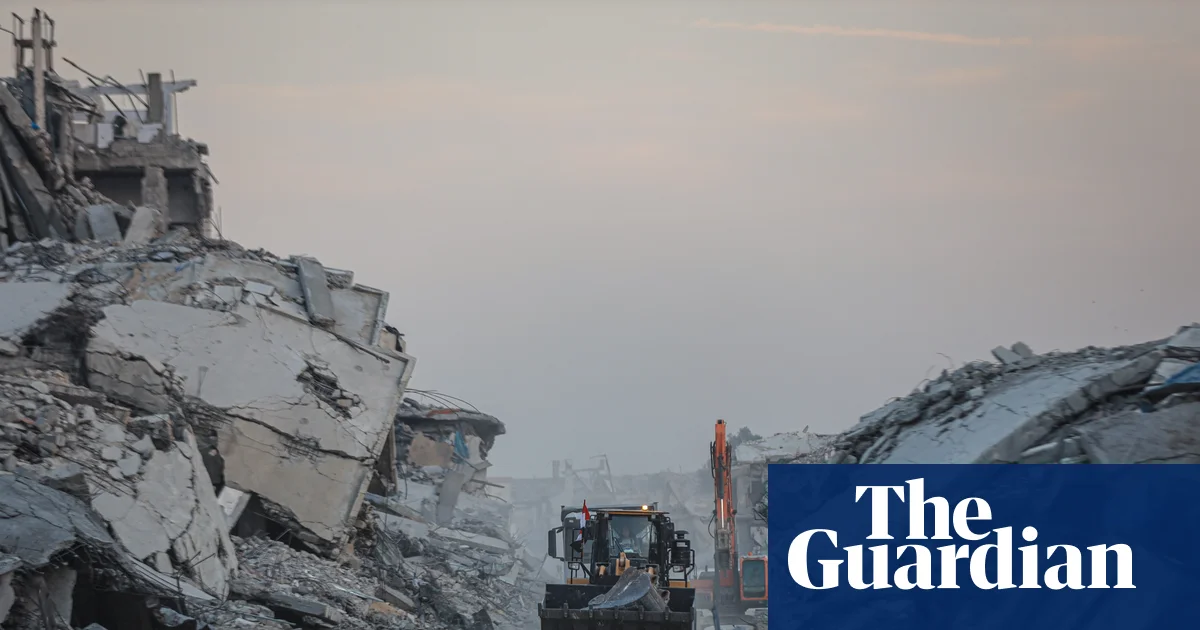
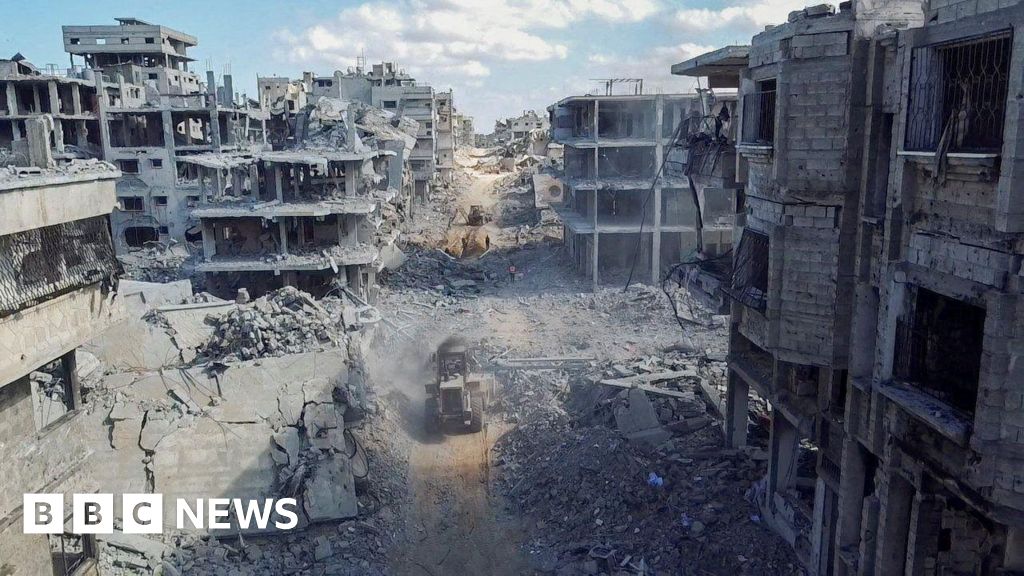
Analysts suggest any international intervention in Gaza is a double-edged sword; while it might help stabilize the region, it could also ignite further resistance and deepen divisions. Historians warn that the bottom line remains— until the root causes, including extremism and territorial disputes, are addressed, these cycles of violence will persist. With Gaza’s territory reduced to rubble—estimated by the UN to be up to 84%—the challenge of both rebuilding and reconciliation looms large. The renewed focus on the return of bodies, some of which Hamas claims are buried under bombed-out buildings, symbolizes the larger fight for dignity and truth in a land scarred by years of conflict and international neglect.

The unfolding events mark a grim chapter, yet history has demonstrated that the decisions made today in Gaza’s conflict could ripple for generations. As international organizations, leaders, and everyday citizens watch, the weight of history presses down with an undeniable significance: what happens in Gaza will determine the future of regional stability, the course of international diplomacy, and the very moral fabric of justice and security in the 21st century. Will diplomacy prevail over chaos? Or will the cycle of violence continue, forever echoing the unfulfilled promises of peace in a land torn by history? The answer remains uncertain, but the pages of history are being written in the blood and hope of those caught in the crossfire.

Israel Gets Two Bodies from Hamas, Claims Gaza Hostages

Ceasefire Hangs in Balance as Gaza Conflict Escalates

The fragile ceasefire agreement between Israel and Hamas faces mounting challenges amid recent violent exchanges and grim humanitarian developments. The exchange of bodies underscores the unresolved tensions that continue to threaten the delicate peace process. With the return of two bodies believed to be hostages to Israeli forces, the scene is set for what some analysts describe as a critical turning point—either paving the way for a sustainable ceasefire or delaying the path to lasting peace. Yet, the political and military stakes remain sky-high, with both sides accusing each other of complicity and sabotage, driven by deep-seated resentments and international pressures.

Israel’s decision to close the Rafah border crossing—a vital transit point for aid and civilians—further underscores the escalating stakes. Prime Minister Benjamin Netanyahu‘s office announced that the crossing would remain shut until the return of all remaining hostage remains and the full implementation of the ceasefire. This move, viewed by many as a strategic leverage, creates humanitarian crises for the Palestinian population, emphasizing how the geopolitical impact of decision-making extends beyond immediate military goals to influence the lives of countless innocents. The US, meanwhile, has downplayed concerns about a breach, suggesting that delays, while regrettable, do not threaten to nullify the agreement directly—a stance that international analysts see as a gamble with uncertain consequences.

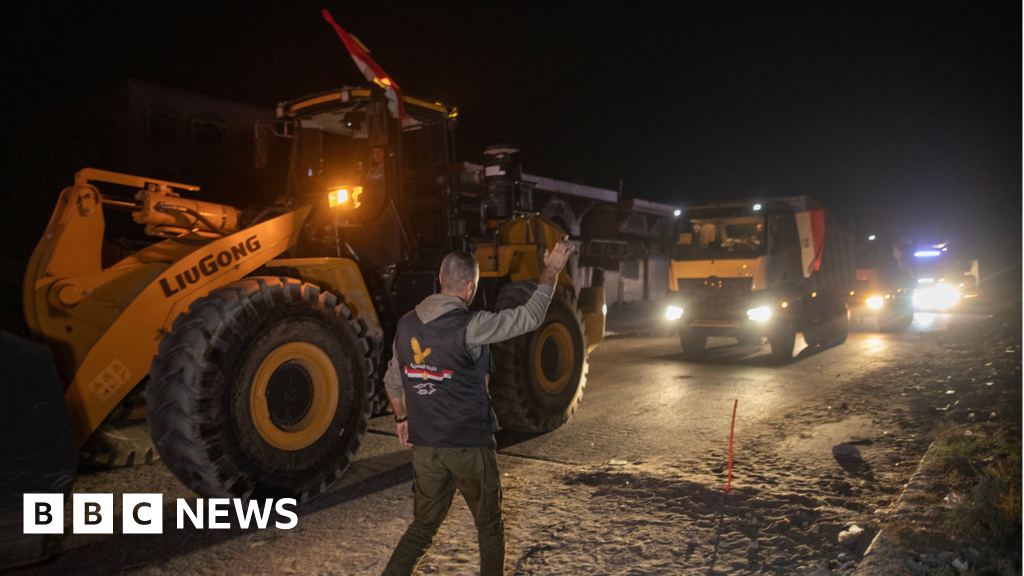
The conflict’s toll stretches beyond the battlefield. Recent reports from the UN describe Gaza as a “wasteland,” with ongoing airstrikes reducing entire neighborhoods to rubble and hindering rescue efforts. Critics such as UN humanitarian chief Tom Fletcher have raised alarm over the devastation inflicted upon the civilian population, warning that this destruction may fuel further unrest and complicate diplomatic efforts. Meanwhile, Hamas has blamed Israel for deliberately hampering recovery efforts by restricting the entry of heavy machinery into Gaza, leaving the task of recovering bodies and repairing infrastructure perilously difficult. The result—an ongoing humanitarian crisis that risks spiraling further out of control, with the weight of history pressing down on all involved.

International Significance and Historical Echoes

  • The recent exchange of bodies and prisoners marks only a momentary pause in a conflict that has raged for decades, echoing past failures of diplomacy and trust.
  • Global institutions like the United Nations have labeled Israel’s actions in Gaza as genocide, a charge vehemently denied by Israeli officials, highlighting a diplomatic standoff that continues to polarize international opinion.
  • Domestic politics in both Israel and Gaza play a significant role in shaping the course of the conflict, with leaders on both sides facing pressure from hardliners and moderates alike—who often interpret international interventions as meddling rather than peace-building.

Beyond regional borders, the geopolitical impact resonates worldwide: the United States’ support for Israel remains a cornerstone of American foreign policy, while Middle Eastern nations watch keenly, wary of the erosion of peace prospects. Historians and analysts warn that the ongoing cycle of violence risks embedding a new generation into a never-ending conflict—fueling hatred, broadening societal divisions, and challenging the very notion of international law. This shadow of history leaves a stark warning: the choices made today will define the fabric of the Middle East—and the future of global stability—for generations to come.

Conclusion: The Unfolding Saga

As this chapter in the saga of Gaza unfolds, the world holds its breath, caught between hope and despair. The relentless march of events—each death, each negotiation, each crossing—paints a story of a region teetering on the edge of a new epoch. Will diplomacy finally break the cycle of violence? Or will the weight of history continue to cast its long shadow? Only time will tell, but the urgency remains clear: for the inhabitants of Gaza, for the families torn apart, and for the global community watching from afar, the next move could either herald a new dawn or consign the region once again to the darkness of unending conflict. The pages of history are still being written—an enduring testament to the peril and promise embedded in every decision made today.

Hamas hands over two bodies amid ongoing hold on remaining hostages

The recent developments in Gaza highlight a fragile and complex geopolitical landscape that continues to threaten regional stability. Following the US-brokered ceasefire agreement, Hamas claims to have handed over the bodies of two additional Israeli hostages, yet the group’s armed wing emphasizes that full recovery of all deceased remains a formidable challenge requiring specialized equipment and sustained effort. Meanwhile, Israel maintains a stern stance, insisting that the mission is incomplete until all hostages are returned—a position that underscores the relentless cycle of tension and mistrust defining the conflict. The handling of these remains, intertwined with the broader ceasefire accord, signals that the path toward lasting peace remains fraught with uncertainty.

International reactions reflect a delicate balancing act between diplomacy and military readiness. US President Donald Trump has warned that if Hamas fails to uphold the ceasefire, Israeli forces could resume hostilities. Notably, US advisors overseeing the peace plan assert that Hamas is acting in good faith by releasing live hostages and cooperating with international efforts, though the reconciliation of remaining bodies still demands intense operations. These decisions are crucial; as analysts caution, any perceived breach of trust could reignite violence, potentially plunging the region into broader conflict. The geopolitical impact of this diplomacy is profound: the peace plan hinges on the fragile cooperation of factions and the global community’s resolve to prevent catastrophe.

Amidst these tensions, the humanitarian situation in Gaza becomes more desperate. UN humanitarian chief Tom Fletcher has called for the immediate opening of border crossings to deliver essential aid, warning that withholding assistance risks irreversible suffering. Local traders and residents report surging food prices and hoarding, driven by fears of renewed warfare, revealing a society on edge. The conflict’s long-term consequences threaten to destabilize societal foundations, fostering environments where fear and scarcity dominate. At the same time, international leaders remain focused on “de-confliction” strategies—creating safe zones and ensuring aid flows—always aware that these measures are temporary fixes amidst a larger, unresolved geopolitical crisis.

Forecasts from various international organizations and historical analysts suggest that the current ceasefire, while momentarily halting violence, is merely a pause in an ongoing conflict defined by deep-rooted grievances and strategic calculations. Previous attempts at peace have repeatedly unraveled, and the current pause challenges the very foundation of international diplomacy in the Middle East. As the world watches with bated breath, the destiny of Gaza and the broader region hangs precariously in balance. The unfolding narrative of conflict, negotiation, and tension not only reshapes local societies but also influences global power dynamics—reminding history’s witnesses that, oftentimes, peace negotiations are merely brief respites before the storm’s inevitable return.

Meet the Hostages Freed: What You Need to Know

Gaza Conflict Escalates as Hamas Releases Hostages Amid Devastation

The ongoing conflict between Israel and Hamas has reached a critical juncture, with recent developments revealing both tragic human tolls and shifting geopolitical strategies. According to the Israeli military, 20 hostages have been released by Hamas and returned to Israel, yet the grim reality remains stark, as 48 hostages continue to be held in Gaza. This stark divide underscores the brutal human cost of the conflict, where families across the region face uncertainty and despair. The situation is further compounded by the death toll, with Gaza’s Hamas-run health ministry reporting more than 67,000 killed—a figure that international analysts believe may even understate the true scale of devastation.

Within this fraught landscape, the stories of individual hostages reveal a haunting tapestry of suffering. The twin brothers Gali and Ziv Berman were abducted from Kibbutz Kfar Aza, Ziv held for over 40 days, enduring separation and uncertainty before their eventual release amid a fragile ceasefire. Similarly, Ariel Cunio was forced to confront what he described as “a horror movie” in captivity, only to be freed months later. Others, like Yosef-Chaim Ohana, still face an uncertain future, with Hamas claiming his body was returned after being found dead in Gaza. These individual tales are emblematic of the broader implications of the conflict—how international decisions and military actions directly impact lives, shaping the social fabric of both nations.

International Reactions and Geopolitical Ramifications

The United Nations and various Western allies have condemned the violence, yet their calls for restraint are overshadowed by a fundamental shift—how international pressure is recalibrating, with some nations seizing opportunities amid chaos. Countries like Tanzania and Thailand mourn their fallen citizens, whose deaths in Gaza have ignited debates about international involvement and the limits of diplomatic intervention. Meanwhile, Israel faces mounting pressure to justify its military actions, which have already resulted in a humanitarian crisis that many attribute to a defensive stance against a ruthless enemy. The real turning point is in how diplomatic strategies evolve amidst this violence, with some analysts warning that a failure to pursue a decisive resolution risks a prolonged regional conflict with far-reaching consequences beyond Gaza.

Historians such as Benny Morris and Finkelstein, along with international organizations like Amnesty International, suggest that each decision—whether to escalate or negotiate—will ripple through history, shaping the future of Middle Eastern stability. The shift towards military escalation appears to be the prevailing option for many nations, as they grapple with defending their interests in a volatile geopolitical chessboard. The high human cost and the emotional toll on families continue to underscore that the repercussions, both immediate and long-term, threaten to redefine notions of security, sovereignty, and humanity itself.

The Weight of History Still Unfolding

As dozens of families mourn their lost and mourn the hope of reunion, and as the world observes with bated breath, the regional landscape stands at a dangerous crossroads. Hamas’ release of hostages and the human stories intertwined with the violence serve as a sobering reminder: the decisions made today will echo through the corridors of history, long after the guns fall silent and the dust settles. The relentless cycle of violence and diplomacy continues, leaving behind a legacy of resilience, tragedy, and the uncertain promise of peace. As nations debate and confront their own responsibilities, the unfolding chapters of this conflict serve as a stark testament to the enduring, often tragic, resilience of the human spirit in the face of relentless upheaval.

Social Media Auto Publish Powered By : XYZScripts.com