Matox News

Truth Over Trends, always!

Texas lawmaker confesses affair with aide who tragically took her own life, House hearings reveal

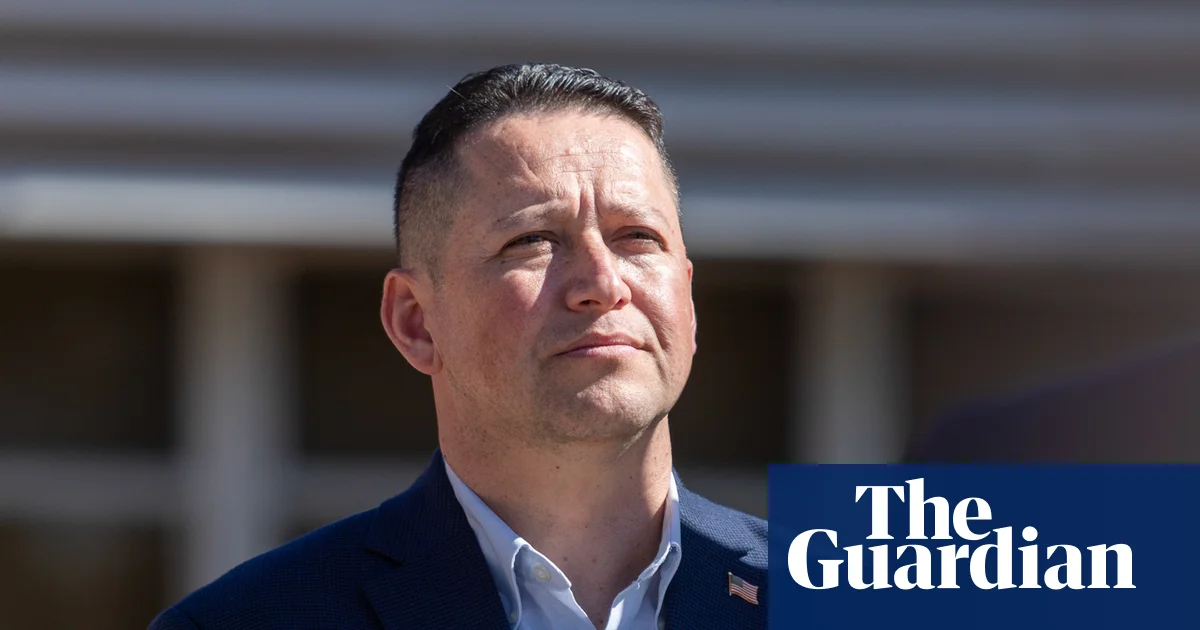
In a raw display of personal scandal intersecting with national political drama, US House representative Tony Gonzales, a seasoned Republican from Texas, publicly acknowledged an extramarital affair with an aide who tragically took her own life last year. The revelation, made during an interview with conservative media personality Joe Pags, has added a new layer of turbulence to Gonzales’s political career, coming amidst an ongoing ethics investigation into allegations of misconduct within his congressional office. Such domestic turmoil in a leader from a pivotal U.S. border state underscores how personal flaws can cast long shadows over a politician’s role on the national and international stage, especially as the U.S. grapples with complex issues like border security, immigration, and internal polarization.

The House ethics committee swiftly opened an investigation, citing concerns over potential sexual misconduct and unfair privileges involving Gonzales and his staff. As the top Republican and Democratic members jointly emphasized, this inquiry aims to uncover whether Gonzales abused his office or engaged in any discriminatory conduct—charges that threaten to rattle the political landscape further. Gonzales, who has declared his intention to remain in office, insists that the full truth will emerge and has expressed remorse, claiming reconciliation with his wife and faith as guiding principles through the controversy. Yet, the undercurrents of this story resonate beyond mere personal morality: such scandals have historically shaken political systems, fueling public disillusionment and emphasizing the fragility of leadership in a nation grappling with internal discord.

Adding a profound layer of tragedy, recent reports reveal that the aide involved, Santos-Aviles, died by setting herself on fire in her Texas home, an event marked as a suicide. Text messages obtained by media indicate that the affair was known to her husband before her death, stunning observers and raising questions about the intersection of personal despair and political scandal. This personal tragedy, intertwined with Gonzales’s own disclosures, echoes a broader narrative of societal erosion where the fallout from political misconduct spills into private lives—challenging how nations view accountability, morality, and the human toll of public service. Commentators and historians alike warn that such incidents threaten to deepen societal divisions, erode trust in institutions, and serve as cautionary tales for political figures.

  • The investigation into Gonzales’s conduct underscores how internal political ethics can influence broader geopolitical stability, especially when seasoned diplomats and leaders are seen as ethically compromised.
  • The U.S. domestic scene mirrors global fears of corruption, moral decay, and the consequences of unchecked power—issues that resonate with international audiences tracking democratic resilience in an era of upheaval.
  • Historical analysts argue that scandals like Gonzales’s often trigger reform calls—and, at times, power shifts—alerting other nations to the importance of integrity in leadership on the world stage.

As the saga unfolds in Texas, it leaves the world pondering the pervasive reach of personal failure into the corridors of international influence. What does this scandal suggest about the moral fabric of Western democracies? Will it serve as a catalyst for reform, or deepen public apathy and cynicism? With each new revelation, the stakes rise—not just for Gonzales and his constituents, but for the fragile weave of global stability that depends on trusted guardians of democracy. The stories we witness today are more than isolated incidents; they are pages in history’s ongoing narrative—a narrative where decisions made behind closed doors echo loudly across continents, shaping the destiny of nations yet to come. As history watches silently from the shadows, the weight of the moment underscores one unalterable truth: the choices and failures of today will, in time, define the legacy of tomorrow’s world.
White House urges Iran to strike deal as U.S. boosts military presence

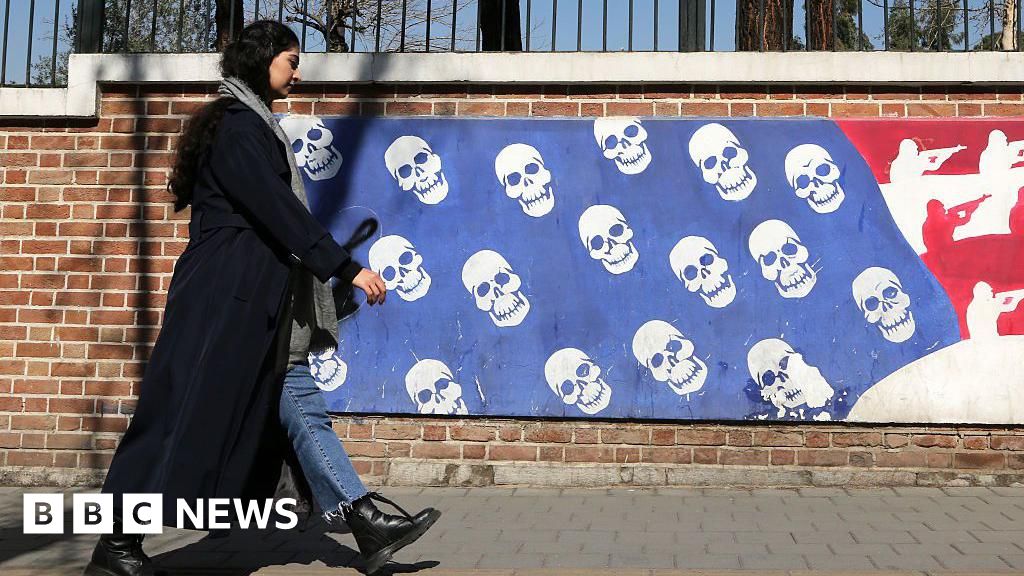
Amid escalating international tensions, reports emerging from US media indicate that President Donald Trump has engaged in high-level discussions with national security advisers regarding potential military action. Sources reveal that an attack could be launched as early as Saturday, underscoring the precarious state of global stability. These developments unfold against a backdrop of complex geopolitical maneuvering, where the decision of an influential superpower carries profound consequences for regional and world order alike.

The possibility of a preemptive strike highlights a critical juncture in international relations, raising questions about the escalation of conflicts and the fragility of diplomatic channels. Historically, decisions by superpowers to resort to military force have often recalibrated the global chessboard, leading to unpredictable repercussions. Experts suggest that such an action, if undertaken, would be indicative of America’s intent to project strength and deter perceived threats, but also increases the risk of unintended consequences, including a broader regional conflict. International organizations and foreign governments continue to monitor the situation closely, aware that the decision will reverberate across multiple theaters of geopolitical interest.

Analysts argue that the geopolitical impact of such a strike would not be confined to the immediate target. Historically, when the US has engaged in unilateral military actions, it has precipitated shifts in alliances, economic sanctions, and diplomatic realignments. Countries in the region, especially those with vested interests in stability, are bracing for the possibility of escalation. Senior international diplomats and security analysts warn that rushed decisions could undermine long-standing efforts at diplomacy and increase instability, especially if aligned with broader narratives of national security and sovereignty. The drama unfolding now underscores the delicate balance of power and the perilous path toward conflict, where every decision writ large shapes the lives and societies of millions.

As the wheels of war turn ominously closer, history reminds us of the destructive power of unchecked military cravings and the ripple effects that follow. The shadow of past conflicts looms large, where once hesitant diplomacy was abandoned for force, leaving nations fractured and communities scarred. The world watches with bated breath as America’s leadership grapples with this decisive moment, bearing the weight not only of immediate strategic interests but of the historical trajectory they forge. The unfolding story offers a stark reminder: in the arena of international power, every decision is a chapter in the ongoing narrative of history—one that could end in chaos or the hard-won stability of peace, depending on the choices made in these critical hours.

Bill and Hillary Clinton to testify in House Epstein probe

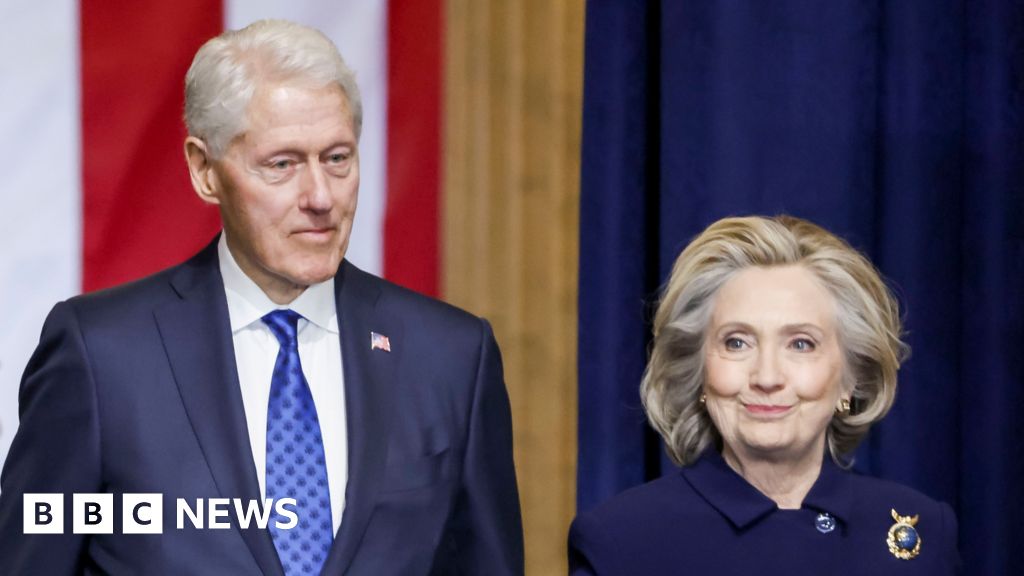
The unfolding saga surrounding the Epstein scandal continues to reverberate across the geopolitical landscape. In a development that underscores the intricate influences of powerful global elites, former US President Bill Clinton and his wife, Hillary Clinton, the former Secretary of State, have agreed to testify in a congressional investigation linked to the late sex offender Jeffrey Epstein. This move not only averts potential contempt of Congress charges but also raises profound questions about the intersection of power, accountability, and international diplomacy.

The Clintons’ decision to cooperate marks a pivotal moment in the ongoing effort to dissect Epstein’s vast network of influence. As key figures with longstanding ties to elite circles, their testimonies are anticipated to provide critical insights into allegations that implicate a broader web of political and financial interests. Experts warn that these revelations could have far-reaching geopolitical implications, especially as they challenge the veneer of Western political integrity. Analysts from international watchdog organizations stress that such disclosures may trigger a chain reaction, exposing other influential figures and prompting calls for systemic reform.

The geopolitical impact of this situation extends beyond American borders. Historically, revelations involving domestic scandals of this magnitude tend to ripple across alliances and diplomatic relations. Global governance hinges on transparency, and when prominent leaders are entangled in such controversies, it fuels debates over sovereignty, judicial independence, and international morality. The Epstein affair has already become a symbol of elite impunity, with critics arguing it exposes the decadence and corruption lurking within global centers of power. As governments respond differently—some seeking to shield themselves with silence, others pushing for accountability—the international community watches intently.

Distinguished historians and analysts warn that the decisions made now could very well serve as a turning point in the ongoing battle for transparency. The controversy highlights the underlying tensions in modern societies where entrenched elites often evade justice, fostering public disillusionment and fueling populist movements. International organizations, including the United Nations and various human rights watchdogs, continue to emphasize that global institutions must uphold the rule of law and resist the corrupting influence of power. Yet, the narrative remains dynamic, with each revelation adding weight to the broader discourse on morality and justice in the 21st century.

Despite the Clinton’s cooperating stance, the shadow of this revelation will linger, shaping the political terrain for years to come. As history watches, the unfolding story of accountability—woven into the larger fabric of geopolitics—is far from over. The tension between transparency and secrecy persists, threatening to redefine international power dynamics and the social contract itself. In this high-stakes chess match of influence and truth, the world remains perched on a precipice, where the decisions of today will echo through the corridors of history, forever shaping the global order of tomorrow.

House of Lords Approves Phone Ban in Schools, Putting Society’s Discipline First

In recent weeks, the UK Parliament has taken a significant step towards safeguarding the mental and social well-being of its youth by supporting legislation aimed at banning social media usage for under-16s. This legislative move highlights growing concerns among parents, educators, and social commentators regarding the impact of digital platforms on families, education, and broad community cohesion. Critics argue that social media, while a tool for connection, often contributes to increased anxiety, cyberbullying, and distorted perceptions of reality—particularly for impressionable adolescents who are still navigating the complex landscape of identity and self-esteem.

Historically, social critics and sociologists have warned about the destabilizing effects of rapid technological change. Influential figures like Neil Postman emphasized how media shape societal values and moral frameworks, warning that excessive exposure to digital environments could erode traditional community bonds and intergenerational understanding. Today, many argue that the pervasive influence of social media during formative years is undermining the ethical fabric of families and the stability of educational environments. Schools report incidents of cyberbullying, social isolation, and mental health crises that are increasingly linked to online activity, prompting calls for tighter regulation to restore order and safety within the social fabric.

The legislative response reflects a broader recognition of social issues that transcend individual behavior—highlighting how demographic shifts and cultural tensions are reshaping societal norms. Historically, each era of technological innovation has challenged existing social structures. The current digital revolution, however, appears to be accelerating these changes at a pace that leaves many struggling to adapt. Critics voice concerns that unchecked social media use fosters a culture of instant gratification and impairs families’ ability to provide moral guidance. This phenomenon risks creating generations of young people with fragmented social identities, increasingly disconnected from their community roots and shared cultural values.

  • Strengthening family bonds through responsible digital use remains a societal priority.
  • Schools are adopting comprehensive digital literacy programs to equip students with critical skills for navigating online environments.
  • Community organizations are calling for greater parental involvement and oversight in children’s digital lives.

In this landscape of rapid change, social commentators emphasize the importance of restoring balance—recognizing that the social health of a nation depends on empowered, connected communities grounded in shared values and moral integrity. As historian Yuval Noah Harari and others have observed, society’s moral compass is often challenged during times of technological upheaval. It is essential to foster environments where families feel supported and where education reinforces the ethical imperatives necessary for building resilient communities. Efforts to regulate social media for minors reflect an acknowledgment that societal well-being is intertwined with the ethical development of its youngest members.

Ultimately, society stands at a crossroads. The path we choose will determine whether future generations inherit a fractured, digitally-saturated world or a resilient, morally grounded community capable of withstanding the turbulence of the modern age. As communities rally around safeguarding their cultural and social ideals, the hope remains that through thoughtful legislation and renewed family engagement, society can forge a future where technology serves as a tool for connection rather than division—reminding us all that the true strength of any society lies in its capacity to nurture hope, foster responsibility, and uphold shared human dignity.

House Democrat Jeffries slams Lemon’s arrest at Minnesota church protest – US Politics Update

Behind the tumultuous headlines of recent days lies an increasingly volatile global landscape, where decisions made within national borders ripple across continents with profound geopolitical impact. As President Donald Trump publicly warns Iran to cease its nuclear ambitions and end violent suppression of protesters, the world watches a familiar pattern of escalation and brinkmanship. Trump’s direct threat to deploy the U.S. military if Iran does not stop its crackdown exemplifies a stark shift towards a more confrontational posture, with analysts warning this could impoverish prospects for diplomatic engagement and ignite a wider regional conflict.

Simultaneously, Trump’s administration demonstrates a distinctive approach to internal dissent, as his nominee for the Federal Reserve, Kevin Warsh, signals intentions to reshape U.S. monetary policy under a President eager to undermine the independence of the institution. The President’s public praise for Warsh, contrasted with his previous criticisms of Fed leadership, underscores an ominous trend: an attempt to wield economic policy as a tool for political control rather than a safeguard of economic stability. Such moves evoke concern among international financial watchers, who warn that politicization of monetary institutions can trigger unpredictable swings in the US dollar and global markets, potentially destabilizing economies worldwide.

Domestically, America remains embroiled in internal struggles over free speech and law enforcement. The recent arrest of veteran journalist Don Lemon by federal agents—an unprecedented attack on the First Amendment—has alarmed international observers and U.S. allies. Critics argue this represents a troubling convergence of government overreach and ideological suppression, echoing the warnings of constitutional scholars who emphasize that the judiciary’s refusal to approve charges against Lemon indicates political interference aimed at diverting attention from ongoing crises, including violent crackdowns in Minnesota and Lebanon. As tensions rise, the question persists: how will the U.S. reconcile its democratic ideals with these alarming acts of repression?

In a broader context, these domestic and international events are intertwined within a shifting global order. The renewed threat from Trump to Iran, coupled with Iran’s readiness to resume diplomatic talks—contingent upon fair negotiations excluding military threats—reflects a world where diplomacy teeters on the brink of collapse. The stakes are high: will continued aggression and reckless rhetoric ignite a regional war, or can states find a path toward de-escalation? The decisions made today, from military posturing to economic policies and civil liberties within the United States, will shape the course of history’s unfolding narrative. It is a stark reminder that the weight of history rests heavily on the choices of current leaders, and the world remains a tenuous balance of power, waiting for its next chapter to be written—one that could either secure peace or ignite chaos.

House Democrats push for release of Jack Smith classified report in showdown with Republicans

In a bold move that signals ongoing domestic chaos, the Democrats on the House Judiciary Committee are pushing to unveil classified portions of special counsel Jack Smith’s report concerning former President Donald Trump. The report, which scrutinizes allegations of mishandling classified documents and interference in the 2020 election, remains shielded by court orders, but the Democratic-led committee aims to challenge these restrictions. This standoff is not merely a matter of American political theater; it resonates deeply beyond U.S. borders, impacting global perceptions of the rule of law and the stability of the world’s leading democracy.

Recent developments reveal powerful implications for geopolitical stability. Judge Aileen Cannon has refused to release the classified content, citing ongoing court protections, while House Democrats argue it is essential for transparency, especially with Jack Smith scheduled to testify in closed-door sessions. The clash underscores a broader fight over transparency versus legal boundaries—a tension that could unsettle international peace if perceived as a sign of lawfare or political weaponization. According to international analysts and critics of U.S. politics, these events serve as a stark reminder that internal political strife can escalate into a signal of internal erosion of legal integrity, threatening global alliances predicated on American stability.

As Republicans led by Jim Jordan escalate their efforts, including issuing subpoenas for Smith’s appearance, the situation emphasizes a dangerous polarization. Locally, these proceedings could influence legislation and law enforcement policies, but what’s truly alarming is how this chaos fuels uncertainty on the international stage, especially among allies and adversaries alike. The ongoing drama also ignites fears of politicized justice, reminiscent of narratives that global power players like Russia and China exploit to undermine American credibility. The geopolitical impact amplifies as nations watch Washington’s internal struggles unfold, questioning American endurance and the durability of its democratic institutions.

Historians and policy analysts warn that these events mark a pivotal moment—a test of the principles of justice, sovereignty, and leadership. The decision by Judge Cannon to withhold certain documents, combined with the congressional push for transparency, inputs into a broader conversation: Are American elites capable of balancing legal integrity amidst political turmoil? Or are we witnessing the dismantling of trust in the foundational pillars of democracy? As the world’s preeminent superpower. stares into this abyss, one thing is clear: history is being written in real time — and its consequences will echo across generations. The weight of these decisions extends far beyond the Capitol, shaping the narrative of power, justice, and national resilience for decades to come.

Don’t Miss Out: His House Is the Modern Horror That’s Redefining Fear for a New Generation

Tech Industry on the Brink: AI and Disruption Reshape Business Landscape

The technology sector is witnessing unprecedented levels of *innovation* and *disruption* driven primarily by advancements in artificial intelligence (AI) and machine learning (ML). Ambitious companies and visionary entrepreneurs, such as OpenAI and Google, are pushing boundaries to redefine what machines can accomplish. According to Gartner’s latest forecast, AI-driven automation will transform nearly 50% of all business processes within the next five years, signaling a fundamental shift in how organizations operate. This surge in AI capabilities isn’t just incremental—it’s revolutionary, fostering an environment where rapid scalability and real-time decision-making become the norm.

One of the most significant industry shifts lies in generative AI models, which are enabling capabilities once considered science fiction—such as human-level content creation, autonomous decision-making, and personalized interactions at scale. OpenAI’s GPT-4 exemplifies this evolution, with analysts highlighting its potential to displace traditional content and service industries, from journalism to customer support. Such innovations are expected to diminish barriers for startups, fostering a new wave of *disruption* that could challenge established giants like Microsoft and Amazon to adapt or face obsolescence.

However, with disruptive technology comes both opportunity and risk. Industry leaders such as Elon Musk and Peter Thiel warn of the *emerging ethical and regulatory challenges* that could hamper AI’s transformative power. Their insights underscore the need for proactive governance structures, lest unchecked AI development amplify biases or create unintended consequences. Nonetheless, the *business implications* are clear: organizations that leverage AI effectively will gain a decisive competitive edge, while those slow to adapt risk being rendered irrelevant.

Looking ahead, *the landscape of innovation is poised for even greater upheaval*. MIT researchers forecast that integration of AI with emerging technologies like blockchain and quantum computing will multiply the disruptive potential tenfold. Industry insiders predict that within the next decade, markets will see *entire sectors—finance, healthcare, transportation—completely reimagined.* As disruption accelerates, entrepreneurs awakening to these shifts must act swiftly, or risk being left behind in a rapidly evolving technological ecosystem. The future is not just approaching—it is here. The question remains: how quickly will organizations harness these emerging technological frontiers to secure their place in tomorrow’s economy?

Nazareth House Primary remains closed for a second day as society questions safety concerns

Societal Challenges in Education: A Reflection on Infrastructure and Community Welfare

Across communities in Northern Ireland, a troubling pattern reveals itself — one that exposes deep-rooted issues in the way society invests in its future. At the heart of this crisis are schools like Nazareth House Primary School in Londonderry, which recently faced closure due to *safety concerns over its aging roof*. Such incidents serve as stark reminders that underfunding in school maintenance not only jeopardizes physical infrastructure but also profoundly affects families, children’s education, and local communities. As the school doors remained shut for over 200 pupils, including children with special educational needs, the ripple effects threaten to undermine the stability of entire neighborhoods.

  • Unsafe buildings hinder access to education for vulnerable students.
  • Delayed or deferred maintenance thanks to inadequate funding leads to structural degradation.

These issues challenge the very foundation of societal equity and expose the moral failure of political institutions to prioritize future generations.

Adding to this troubling picture, long-standing concerns over school structures have persisted for decades. Principal Róisín Blackery of Nazareth House school revealed that the building—originally constructed in 1902—has been subject to repeated warnings concerning its safety, with requests for a new roof languishing in bureaucratic limbo since 2017. Her account underscores a broader government failure; calls for investment in essential infrastructure have been systematically overlooked.

  • More than 20 years of raised concerns have gone unaddressed.
  • Repeated underfunding compels schools to operate in dangerously compromised environments.

According to Bishop Donal McKeown, head of the Council for Catholic Maintained Schools, the sector suffers from *”huge under-funding of statutory services”* which leaves school buildings vulnerable to disrepair. His pointed critique emphasizes that, if our children are to succeed, their educational environment must be safe, stable, and conducive to learning.

The consequences extend beyond physical safety, influencing the social fabric of communities. When schools are forced to shut suddenly—sometimes without adequate notice—families and children face emotional strain. In interviews, students like 7-year-old Daniel express feelings of *sadness and anxiety*—missing friends and routines critical to their development. His mother laments, *”we have such a solid community base, but without immediate action, that strength begins to fracture.”* Pupil Gail, a girl preparing for transfer tests, worries about her academic progress and her social ties, illustrating how even demographic changes such as *an aging school infrastructure* have a tangible human impact.

  • Disruption to routine can impair children’s mental health and academic motivation.
  • Parents grapple with uncertainty and fear of ongoing instability.

Such disruptions threaten to widen societal divides, particularly as government agencies acknowledge their inability to cope with the scale of the problem due to budget constraints.

Adding to the crisis, the Education Authority admits to a *”deeply concerning”* backlog of maintenance issues across the region, a situation exacerbated by *severe funding shortages*. The result—schools can only prioritize emergency repairs, with most infrastructure decay left unaddressed. This cycle of neglect threatens the long-term integrity of educational environments and further diminishes societal trust in public institutions. Meanwhile, figures like Sinn Féin MLA Pádraig Delargy advocate for urgent, practical solutions that keep communities united during this testing period. He urges the Department of Education and the Authority to recognize that *”if we don’t deal with our children now,”* the societal costs will only escalate.

  • Increased funding is crucial to restore and maintain vital infrastructure.
  • Policy reform must prioritize education’s physical and social needs.

Ultimately, this crisis underscores a moral imperative: society must reevaluate how it invests in its youngest citizens, recognizing that their well-being reflects the moral fabric of the nation itself.

As society stands at this crossroads, the path forward remains uncertain but not hopeless. The fate of schools like Nazareth House, the resilience of its students, and the strength of community bonds hinge upon collective action—political will supported by societal recognition of the importance of education. This ongoing struggle reminds us that a society’s true strength lies in how it nurtures its young and repairs its foundations. In this moment of challenge, the hope persists that, through renewed commitment and responsible stewardship, the next chapter can be written—one where every child has a safe place to learn, and every community’s future is secured. Society’s resilience will ultimately be measured by its response—its capacity to transform crises into catalysts for enduring renewal.

House Democrats unveil new photos of Epstein’s private Caribbean island

Unveiling the Shadows: Jeffrey Epstein’s Private Island and its Geopolitical Ripple Effects

The recent release of photographs and videos from Jeffrey Epstein’s private Caribbean island signifies more than just a glimpse into a scandalous secret; it underscores a broader geopolitical narrative intertwined with global power structures and the pursuit of accountability. The materials, obtained from law enforcement authorities of the US Virgin Islands, surface at a critical juncture as investigations intensify, revealing the depths of Epstein’s notorious operations. These images, dating back to 2020—just a year after Epstein’s controversial death—invite a cautious reflection on the international implications of this high-profile case and the forces that may have enabled such atrocities.

The properties owned by Epstein, including Little St James, broadly referred to by locals as “pedophile island,” symbolize the convergence of illicit activity and the complicity of powerful entities. The US Virgin Islands’ Attorney General settled in 2022 for more than $100 million with Epstein’s estate, highlighting the institutional attempts to reckon with the trafficking and abuse allegations that tarnished Epstein’s reputation. Such settlements not only represent a pursuit of justice but also serve as a stark reminder of how financial and political interests can obscure accountability until those interests are challenged by persistent investigations. The release of these new images seems to coincide with a broader congressional effort to maintain pressure on authorities, particularly as the Justice Department faces an impending deadline in December for releasing sensitive files relating to Epstein’s operations.

Analysts see these disclosures as a reflection of how international and domestic power can intertwine to protect or expose scandal. The bipartisan push—urging the Attorney General Pam Bondi to update on pending investigations—signals a strategic move to sustain congressional oversight amid calls for transparency. Moreover, documents such as records from financial institutions like JP Morgan and Deutsche Bank further complicate the picture, hinting at sophisticated financial networks that may have facilitated Epstein’s trafficking and obfuscated the extent of his influence. International organizations and historians warn that this case is a cautionary emblem of systemic corruption, with the potential to reshape how nations confront organized abuse embedded within elite circles.

As global eyes remain fixated on the unfolding revelations, the situation underscores how critical decisions at the national and international levels have long-lasting, far-reaching consequences. How countries manage transparency, uphold justice, and prevent the abuse of power directly affects societal stability and public trust in institutions. The ongoing investigation, poised to unearth further truths, leaves a sobering question: can justice truly be served in a landscape where power often shields the powerful? The narrative remains unresolved, with history itself still scribbling its chapters into the dark corners of a world grappling with the shadows cast by its most influential figures. The story of Epstein’s island is not just one of scandal but a stark reminder that beneath the veneer of civility, the battle between light and darkness continues—one that will shape the destiny of nations for generations to come.

White House Severs Ties with Hegseth Over Threat of Second Strike on Drug Boat—US Politics Update

In a development that underscores the mounting tensions between **United States** and the broader international community, recent military actions in the Caribbean and Pacific have ignited a fierce debate about legality, sovereignty, and the very nature of modern warfare. According to reports, a **US Navy** commander ordered a second round of strikes on an alleged Venezuelan drug vessel on September 2, a move that has drawn sharp criticism with echoes of Cold War-style proxy conflicts. This strike, which aimed to eliminate what the **US** claims was a threat linked to drug trafficking, resulted in a series of complex repercussions both within **America** and in its relations with regional nations, especially **Venezuela**.

While **White House** officials distanced **Defense Secretary Pete Hegseth** from direct orders for the raid, press secretary Karoline Leavitt confirmed that Hegseth authorized the military engagement but denied allegations of a war crime—specifically, the report suggesting he ordered the killing of all individuals aboard the vessel. Critics, including numerous international legal experts and human rights advocates, have questioned the legality of these strikes by pointing out the absence of concrete evidence and the potential violation of international law. Historians warn that such unchecked military actions could set a dangerous precedent, undermining sovereignty and international norms that serve as the foundation of global stability.

The incident highlights a critical turning point in US military policy, as the Trump-era administration has continued its aggressive stance in counter-narcotics, employing unorthodox methods often justified by the perceived threat of drug trafficking organizations. US authorities assert that since September, at least 83 individuals have been killed in similar strikes targeting alleged trafficker vessels, primarily in the Caribbean Sea and eastern Pacific. However, these operations have faced mounting scrutiny, with international organizations such as the United Nations raising concerns over their legality and proportionality. Many geopolitical analysts argue that these actions risk unravelling the delicate balance of power, especially amid rising tensions with **Venezuela**, whose government fiercely denies any involvement in drug trade.

  • The Pentagon defends the strikes as lawful under the **law of armed conflict**, emphasizing that these operations are conducted in **international waters**, which theoretically exempts them from territorial sovereignty restrictions.
  • Both **Senate** and **House** armed services committees have launched probes into the operations amid accusations that the White House has yet to release detailed intelligence or evidence backing their claims.
  • Global reactions are mixed, with allies concerned over the escalation of unilateral military action without international consensus, while detractors contend these policies could spiral into wider conflict or war crimes accusations.

As **international organizations** and **regional nations** watch with mounting alarm, the **geopolitical impact** of these actions could be profound. A military approach rooted in aggressive strikes risks fragmenting alliances, sparking retaliation, and igniting new conflicts in an already volatile region. As scholars like Dr. Laura Simon warn, “If unchecked, this trajectory could lead to a scenario where sovereignty is eroded, and the US’s role as a global enforcer becomes increasingly questionable.” The weight of history hangs heavy as **America** navigates this precarious shadow of military intervention, where every decision echoes across borders, shaping the future of international law and security. With each new strike and probe, the narrative of power, legality, and morality continues to unfold—a story written in the blood and resilience of nations striving to define their place in an unpredictable world.

Social Media Auto Publish Powered By : XYZScripts.com