

State legislatures in the South are moving swiftly to reshape electoral landscapes, a development poised to significantly influence the balance of power in Washington.
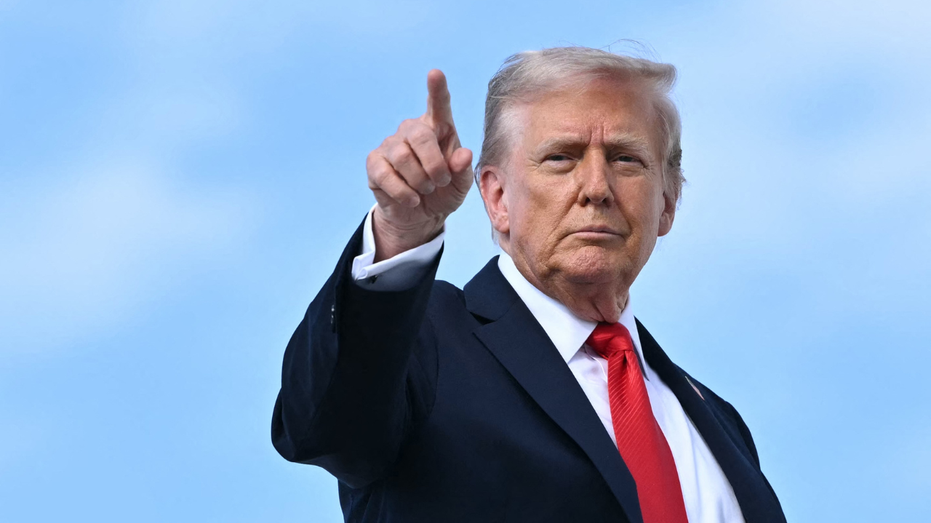
Republican-led states are embarking on aggressive campaigns to redraw their congressional district maps, a move explicitly aimed at strengthening the GOP’s majority in the U.S. House of Representatives ahead of the critical 2026 midterm elections. This concerted effort has received a strong endorsement from President Donald Trump, who has urged Republicans to “BE BOLD” in their pursuit of electoral advantage. The nationwide push to reshape electoral boundaries reflects a significant institutional power struggle, with profound implications for the political landscape.
Strategic Redistricting Efforts Underway
This wave of redistricting activity comes barely two weeks after a conservative majority on the Supreme Court issued a ruling that significantly curtailed a key protection of the Voting Rights Act. This judicial development has seemingly emboldened Republican officials, providing new impetus for map adjustments that could consolidate their power. States like South Carolina, Alabama, Louisiana, and Tennessee are at the forefront of these efforts, each seeking to optimize their congressional representation. The strategic timing and widespread nature of these initiatives underscore their importance in the ongoing political contest between the Republican and Democratic parties.
Key Battlegrounds: South Carolina and Alabama
In South Carolina, legislative action is already in motion. The state Senate is expected to vote on Tuesday regarding a mid-decade redistricting proposal that originated in the state House. This rare but not unprecedented move could see the state’s U.S. House primaries pushed back to August. The proposed map is designed to eliminate the state’s sole Democrat-dominated U.S. House seat, potentially impacting long-serving Representative Jim Clyburn. Despite the legislative maneuvers, Clyburn has expressed optimism about his re-election prospects.
Similarly, Alabama Republicans are advancing their own redrawn congressional map. This revised plan is projected to remove one of the state’s two current Democratic-held U.S. House seats. Both these state-level actions highlight the meticulous strategies being employed to secure a stronger Republican presence in the federal legislature.
- South Carolina: Targeting the state’s only Democrat-held seat.
- Alabama: Aiming to eliminate one of two Democratic seats.
- Louisiana: Engaged in similar redistricting efforts.
- Tennessee: Also working to redraw electoral boundaries.
Broader Implications for Congressional Control
The stakes in this nationwide redistricting showdown are undeniably high. The outcome will directly determine which party holds the majority in the U.S. House of Representatives during the final two years of President Trump’s second term. Control of the House is crucial for advancing legislative agendas, confirming appointments, and shaping national policy. The Republican strategy seeks to solidify a governing advantage, ensuring smoother passage of conservative priorities. As reported by News Desk, President Trump has indicated he will be “watching closely” as these legislative processes unfold, signaling the White House’s keen interest in the results.
“The stakes are clear: control of the House during the crucial final two years of President Trump’s second term.”
These aggressive redistricting efforts underscore the enduring significance of electoral boundaries in shaping political power. With the 2026 midterms on the horizon, the current legislative actions in states like South Carolina and Alabama are not merely local matters but integral components of a national strategy to secure and expand Republican influence. The careful redrawing of these maps will likely dictate the legislative landscape for years to come, impacting everything from federal spending to social policy debates. The coming months will reveal the full extent of these changes and their impact on the balance of power in Washington.






