Matox News

Truth Over Trends, always!

Why Is Alexa+ Falling Short?

Revolutionary AI Assistants Face Real-World Challenges in Industry-Disrupting Devices

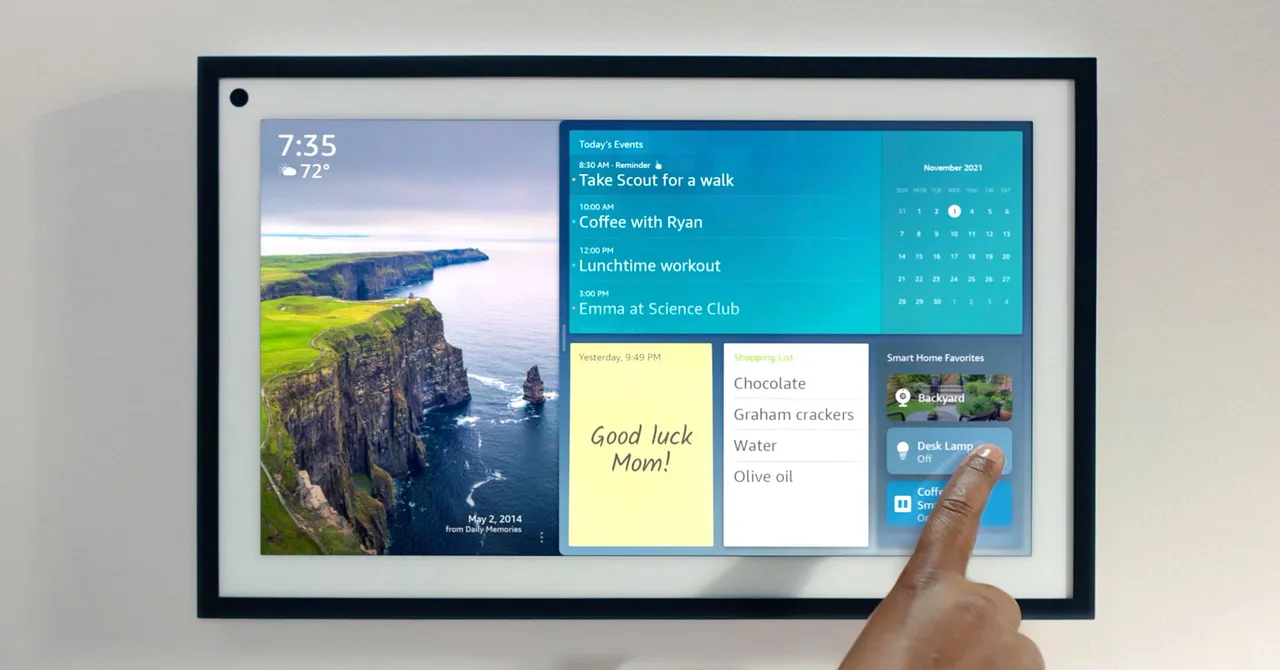
In a striking development within the smart home sector, the integration of cutting-edge AI assistants like Amazon’s Echo Show 15 has come under scrutiny after a month-long hands-on trial. While initial expectations centered on seamless control, personalized automation, and a futuristic smart kitchen, reality has revealed substantial obstacles, raising questions about the scalability and practicality of current AI implementations for consumers. This real-world test underscores a broader trend of disruption in the IoT and AI landscapes, as industry leaders push the boundaries of what home automation technology can truly deliver.

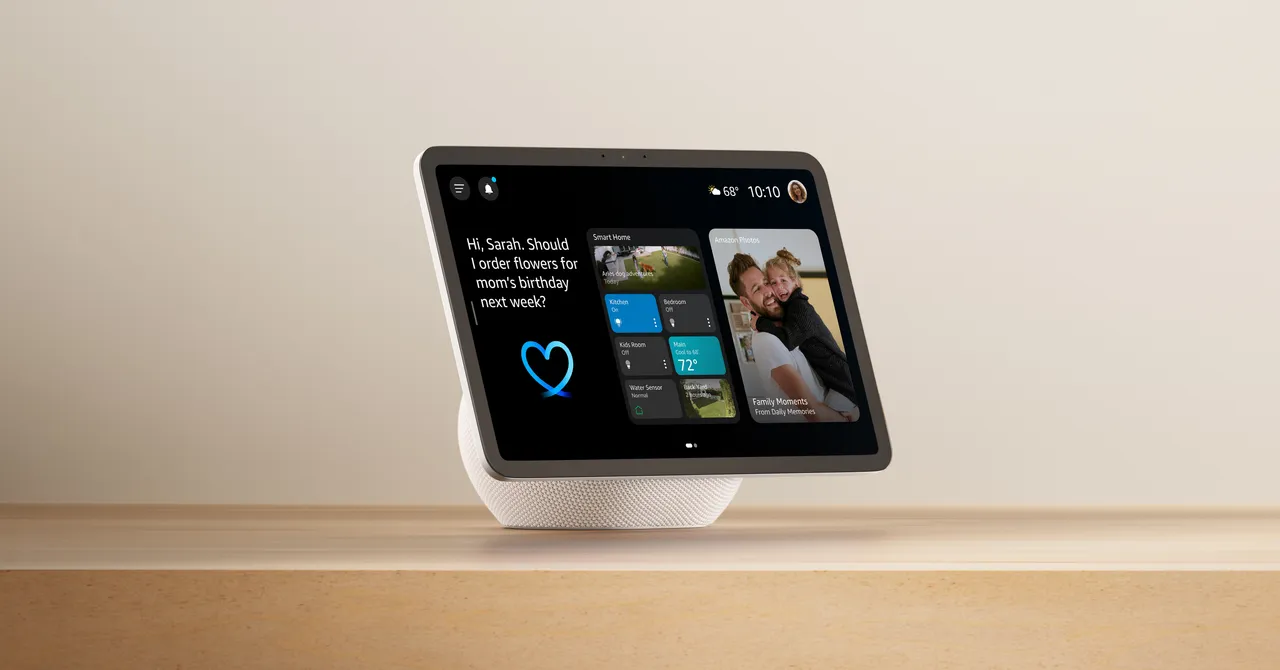
The Echo Show 15, equipped with Alexa+ — an upgraded AI assistant— embodies the ambition of tech giants to create integrated, voice-activated ecosystems. The device offers features such as a large display for multimedia, visual calendars, and Alexa’s voice commands, promising to transform the traditional kitchen into a hub of smart productivity. However, feedback from practical use indicates that there are significant gaps in user experience, ranging from frequent misinterpretations of commands to technical malfunctions. Experts at Gartner and MIT warn that such shortcomings reveal fundamental challenges in consumer-facing AI: maintaining accuracy amid the complexities of natural language processing, and ensuring dependable, behind-the-scenes hardware support.

Market analysts point out that this highlights a critical inflection point for AI-powered consumer devices. While companies like Amazon and Google continue to invest heavily in AI, their focus on innovation often outpaces the realities of deployment in everyday settings. The result is a gap between technological promise and practical usability, which could influence future investment directions and consumer trust. Furthermore, the convergence of AI with IoT indicates a potential for business disruption, as startups and established corporations vie for dominance in an increasingly connected, intelligent home ecosystem. This technological scramble presents both opportunities for rapid market growth and risks of consumer alienation if core issues remain unresolved.

Investors and industry stakeholders are closely watching how tech giants adapt to these challenges. Key milestones such as Amazon’s recent hardware refreshes, ongoing AI enhancements, and strategic partnerships signal a competitive push to refine smart assistant offerings. Experts like Elon Musk and venture capitalists such as Peter Thiel emphasize the importance of increasing AI reliability and user-centric design to sustain innovation momentum. This period also marks a shift towards more sophisticated, disruption-ready solutions that could redefine how households interact with technology, potentially replacing traditional appliances and untangling the conventional home dashboard.

Looking forward, the industry is at a crossroads. The emerging narrative suggests that the initial wave of AI-enabled smart devices may need a paradigm shift—prioritizing functional robustness and seamless integration over glitzy features. Companies that can efficiently bridge the gap between innovation and practical usability will set the stage for a new era of ultra-connected, intelligent homes. As market leaders refine their strategies and new entrants challenge the status quo, one thing remains clear: the future of AI in consumer tech hinges on how quickly and effectively these systems can transition from ambitious prototypes to indispensable elements of daily life. The stakes have never been higher, and the race for dominance in this disruptive tech frontier is only intensifying.
Tide’s Evo Tiles: The Next-Level, Overengineered Spin on the Classic Pod

In an industry historically characterized by mundane chores and incremental improvements, procter & gamble’s Tide is spearheading a disruptive innovation that promises to redefine the future of laundry. With over a decade of meticulous research and development, the company has unveiled Tide Evo Tiles, an advanced single-use detergent technology designed to enhance user convenience, improve ecological impact, and bolster competitive positioning in the bustling $100 billion global laundry market. This breakthrough signals a pivotal shift in how consumers and businesses approach cleaning routines, echoing trends in smart packaging, sustainability, and engineering innovation.

What sets Tide Evo Tiles apart is their groundbreaking engineering, blending sleek design with powerful cleaning technology. Unlike traditional liquids or pods, these dry, fibery tiles dissolve effortlessly in cold water, delivering a robust high pH clean adaptable to various load sizes. According to Tide’s senior director of R&D, Marcello Puddu, “This is really a feat of engineering,” highlighting the complex formulation work involved in creating a user-friendly, eco-conscious product that simplifies laundry routines while maintaining cleaning efficacy. Industry experts like Gartner and MIT researchers emphasize that such innovations exemplify the ongoing trend of disruptive packaging and functional design, positioning Tide as a leader in this transformation.

From a business perspective, the emergence of Tide Evo Tiles exemplifies how established firms can leverage innovation to redefine market standards. Priced between $5 and $20 per box depending on retailer, with roughly 50 cents per tile, the product balances affordability with premium appeal. Its ease of deployment—just a single tile for regular loads—addresses the needs of a broad demographic, including individuals with limited motor skills. Moreover, this product endorses a strategic shift toward eco-friendly, lightweight solutions that reduce plastic waste and energy consumption, aligning with modern consumer values and regulatory pressures for sustainability.

Looking ahead, the rollout of Tide Evo Tiles signals more than just incremental product improvement—it signifies a broader industry wave of innovation driven by heightened consumer demands and technological advances. As companies like Procter & Gamble and competitors invest in novel delivery systems that combine engineering mastery with environmental responsibility, the laundry sector is poised for unprecedented disruption. Forward-thinking entrepreneurs and tech giants alike must scrutinize this evolving landscape, where innovation and ecological considerations are no longer optional but essential for market relevance. The future belongs to entities capable of harnessing smart packaging, sustainable materials, and engineered formulas—a race that will determine the leaders of tomorrow’s cleaning industry.

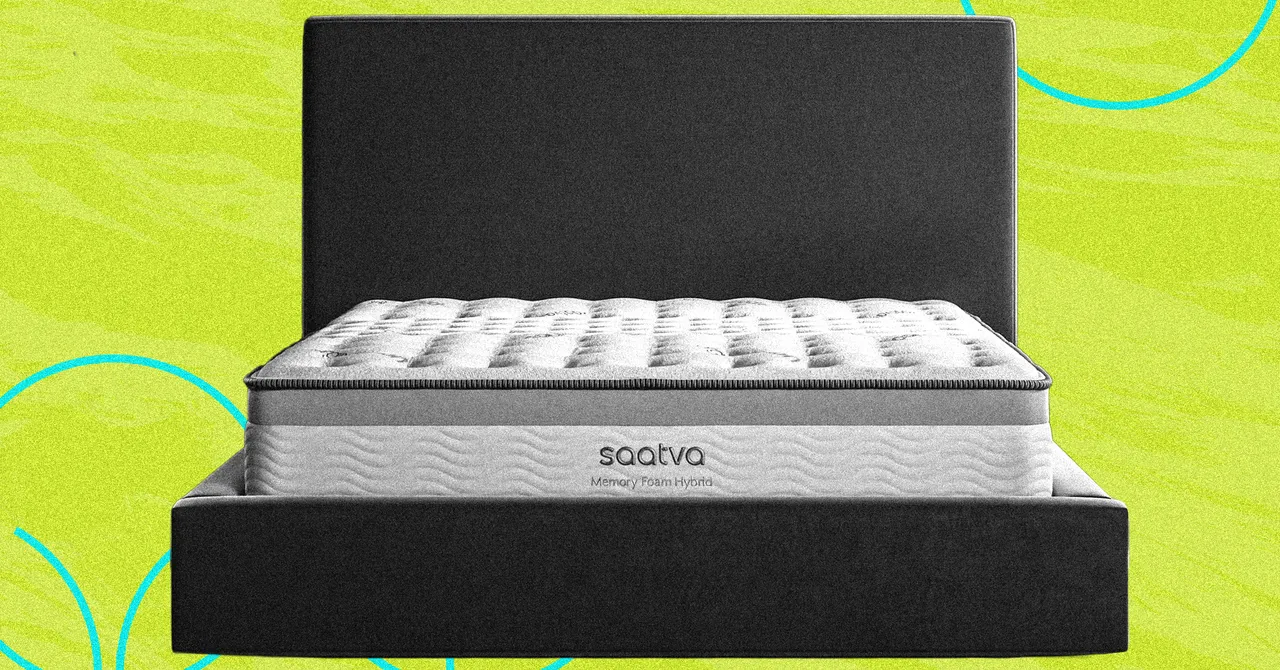
Saatva Memory Foam Hybrid Mattress: The Winning Pick for Sleep Kings and Queens

The mattress industry is experiencing a seismic shift driven by disruptive technology and an accelerating demand for customizable, high-quality sleep solutions. Industry leaders like Saatva are redefining the landscape with innovations that align closely with the core principles of consumer-centric design, innovation, and luxury. With the rise of the health and wellness sector, sleep technology is increasingly viewed as a critical frontier in wellness and productivity, compelling brands to compete fiercely on quality, experience, and technological integration.

Recent reviews highlight the significant advances in hybrid mattress technology, exemplified by Saatva’s Memory Foam Hybrid. This mattress utilizes a blend of memory foam, graphite infusion, and a bouncy support system—features that collectively push the boundaries of comfort and function. The mattress’s ability to support multiple sleeping positions without sacrificing motion isolation exemplifies disruptive innovations in hybrid comfort technology. Its superior spinal alignment support and pressure point cushioning particularly appeal to back and stomach sleepers, these being the dominant demographics in a global shift toward personalized health and wellness solutions.

From a business standpoint, Saatva’s approach exemplifies how customer experience and logistical innovation fuel competitive advantage. Offering services like free white-glove delivery, mattress setup, and haul-away, combined with an unprecedented 365-night trial and lifetime warranty, sets new benchmarks for customer engagement and retention. Such practices reflect a broader industry trend, as emerging startups and tech giants alike recognize that full-service offerings are a key differentiator. The company’s focus on high-quality materials and multiple firmness options demonstrates an understanding that the future of sleep technology lies in personalization and premium service.

Experts like Elon Musk and Peter Thiel emphasize the importance of technological disruption and breakthrough innovation to maintain competitive advantage. In the context of sustainable business models and market leadership, industry leaders must anticipate upcoming shifts rooted in smart home integration, IoT-enabled sleep tracking, and AI-driven customization. The current trajectory indicates that sleep technology is entering a new era—one characterized by integration, personalization, and consumer empowerment. As Gartner analysts note, companies that leverage innovation with a keen eye on customer experience will shape the competitive landscapes of tomorrow. The immediate challenge— and opportunity—lies in harnessing these advanced technologies to push the boundaries of what is possible in sleep science. The race for supremacy is underway, and those who act decisively will redefine an industry that is ripe for transformation, making sleep part of the ecosystem of cutting-edge connected devices and digital health solutions.

Top Vacuum Picks of 2026: Cordless, Robots & Dyson’s Best for the Next Gen Home

The landscape of household cleaning technology might seem mundane at first glance, yet beneath the surface, the latest innovations signal a broader wave of disruption sweeping through the consumer appliance industry. Brands like Dyson, BISSELL, and Tineco are pushing forward with advanced cordless and robotic models that exemplify how technology-driven innovation is replacing traditional upright vacuums. These developments are not just about convenience—they are redefining the very fabric of how businesses approach product design, security, and future scalability in a fragmented yet fiercely competitive market.

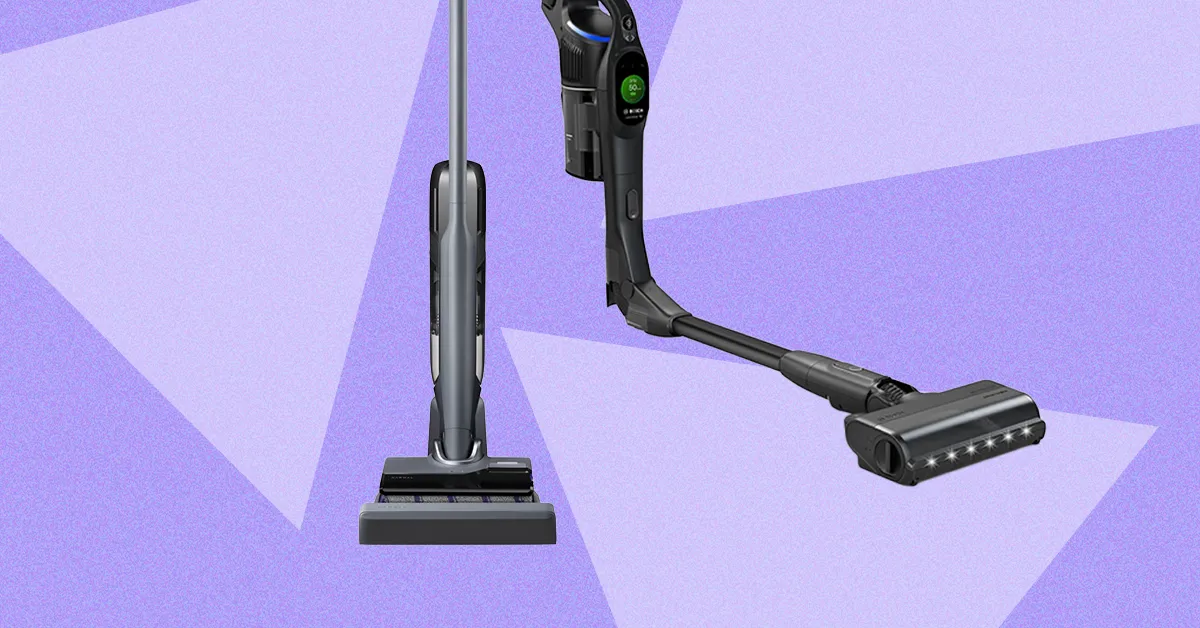
Recent market shifts pointed out by industry analysts from Gartner highlight that cordless stick vacuums now dominate revenue streams, challenging the legacy supremacy of upright models. They combine portability, multifunctionality, and AI-powered features, allowing consumers to perform targeted, efficient cleaning without being tethered to outlets. This segment’s growth underscores a fundamental trend: disruption fueled by mobility and smart technology. Furthermore, the incorporation of self-emptying dock stations like Tineco’s, and power-packed handheld models from Dyson, signals that consumer preference is rapidly evolving toward integrated, maintenance-free solutions.

  • High-capacity, self-emptying docks: boosts convenience and maintains suction power longer.
  • AI-enabled sensors in vacuums: optimize cleaning routes and improve efficiency.
  • Specialized designs for pet owners: Dyson’s HEPA-filtered models leverage disruptive HEPA technology for allergen control, addressing a vital niche.

However, these innovations carry significant business implications. Traditional vacuum manufacturers, often rooted in decades-old designs, face existential challenges if they fail to innovate rapidly. Startups and tech giants outside the hardware space—like Elon Musk’s Tesla or Peter Thiel-backed ventures—are already showing interest in applying AI, IoT, and machine learning to consumer appliances, creating a potential nexus for *disruption on a massive scale*. The market is already witnessing a shift where AI-powered maintenance, predictive diagnostics, and subscription-based services could become standard, fundamentally altering revenue models. These trends echo the MIT research on ‘Industry 4.0’, emphasizing that smart, interconnected products will become the norm rather than the exception.

The disruption extends beyond product innovation into the business model space. Companies that successfully leverage IoT data and integrate AI to enhance after-sales support will have a competitive advantage. As Gartner notes, the era of ‘product-as-a-service’ is upon us, urging firms to rethink how they generate recurring revenues. Meanwhile, consumer demands for smarter cleaning devices—integrating voice commands, automation, and health monitoring—drive this technological evolution rapidly. This scenario defies complacency: companies not embracing these shifts risk falling behind in an industry where innovation cycles are getting shorter and where the future belongs to pioneers capable of integrating AI, hardware, and service platforms.

Looking ahead, the industry’s trajectory suggests a convergence where disruption fuels innovation across every facet of household tech. The influx of AI, robotics, and IoT into everyday appliances will likely extend into broader sectors—smart kitchens, connected security, even personal health. To stay competitive, firms must prioritize agility, investment in R&D, and strategic partnerships with AI and hardware developers. Those who do will not only reshape the market but could gain unparalleled market dominance in the next decade. The clock is ticking for legacy players and newcomers alike: the future is being written now, and only the most innovative will thrive in the face of relentless technological advancement.

Top Cordless Vacuums for a Clean, Modern Home in 2026

Tech Industry Spotlight: Disruptive Innovations Reshaping Consumer and Business Markets

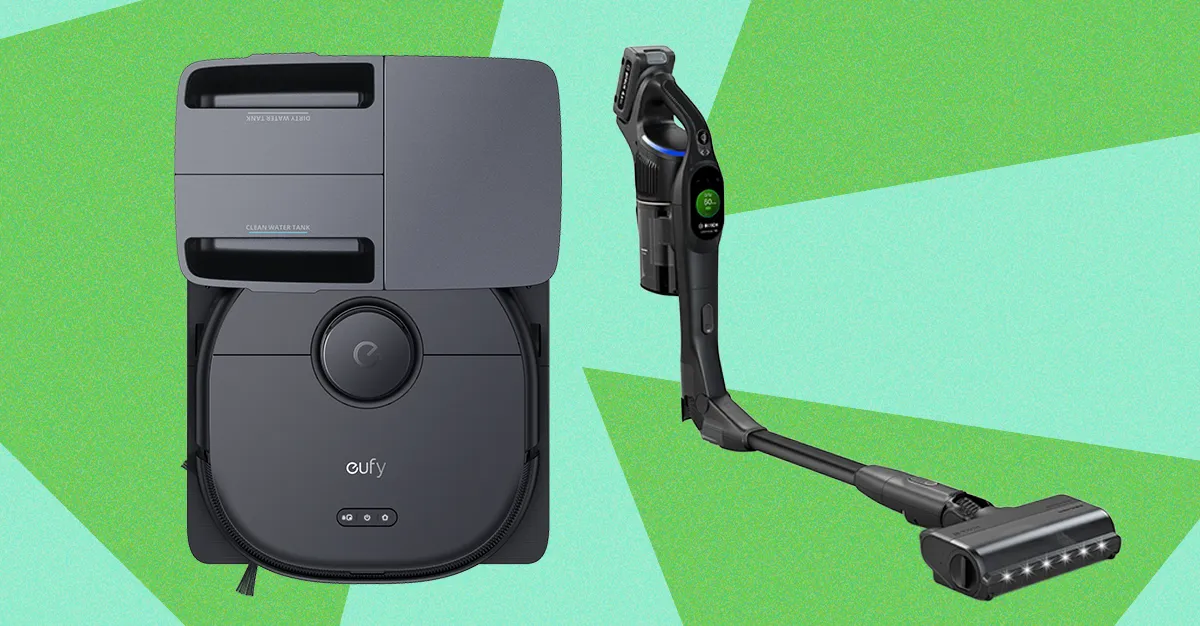
The landscape of consumer technology continues its relentless evolution, with robotic vacuum cleaners exemplifying how innovation drives industry disruption. Companies like Dyson and Bosch are pushing boundaries with models boasting multi-mode cleaning, cyclonic filtration, and advanced sensors. The emergence of affordable yet capable devices like the Eufy Robot Vacuum signals a seismic shift, making AI-powered cleaning accessible to a broader demographic. Such advances not only elevate consumer convenience but also challenge traditional home-care paradigms, prompting established brands to innovate or risk obsolescence.

In parallel, the business implications of these advances are profound. As market leaders incorporate machine learning and IoT connectivity into everyday appliances, real-time data collection enables manufacturers to optimize product performance, anticipate market demands, and innovate in service models. Industry analysts, such as Gartner, emphasize that the integration of AI and IoT in the appliance sector accelerates the transition from product sales to data-driven services, creating a hybrid revenue stream that can sustain competitive advantage amid fierce market entries.

Beyond cleaning tech, the broader disruption extends to the home and personal gadgets ecosystem. The rise of cordless vacuums like the Worx 20V Stick and premium models such as Dyson’s V12 Detect illustrates a trend toward portability, lightweight design, and heightened user control. Despite some persistent flaws—such as dustbin maintenance or battery longevity—these innovations lay the groundwork for smarter, more adaptive devices. Industry insiders note that the ability to seamlessly integrate AI, robotics, and user feedback into mass-market products will define the next wave of consumer electronics, positioning companies that lead in these domains for aggressive market share gains.

Looking ahead, industry experts like Elon Musk and Peter Thiel warn of the necessity to stay ahead of the disruption curve. The rapid pace of technological leaps demands that businesses not only innovate but also adapt their entire operational models. AI-driven manufacturing, customizable user experiences, and integrated ecosystem services will be critical for sustaining growth in a market increasingly defined by smart, interconnected appliances. As Gartner predicts, those who capitalize on these opportunities early will dominate the digital home landscape, setting a new standard for consumer engagement and business agility. The race is on, and those lagging behind risk becoming relics in the age of technological renewal.

Amazon Alexa+ Now Open to All—Here’s How to Disable It (2026)

Amazon Reinvents Home AI with the Launch of Alexa+

In a bold move marking a new chapter in consumer technology, Amazon has rolled out its latest evolution in AI-driven home assistants: Alexa+. Unveiled at CES earlier this year, this upgraded voice assistant showcases Amazon’s aggressive push to redefine how millions of households interact with smart technology. The immediate deployment to Prime members and the end of the waiting list signal Amazon’s readiness to dominate the next wave of digital disruption, emphasizing innovative conversational AI that extends beyond simple command execution.

Disrupting the Industry Standard

Alexa+ represents a significant innovation, heralding a shift from traditional voice assistants that function primarily as digital butlers, to more advanced chatbots capable of natural, nuanced conversations. Amazon claims this new iteration can better comprehend complex requests, offering a more intuitive user experience that blurs the lines between human and machine interactions. This development aligns with industry trends identified by Gartner and other leading analysts, which highlight the emerging importance of AI that is not just reactive but proactively engaging. With this move, Amazon disrupts the market standard of voice assistant capabilities and sets a new bar for the industry’s competitive landscape.

  • Enhanced Conversationality: Alexa+ allows for context-aware dialogue, reducing misunderstandings and repetitive commands.
  • Broadened Capabilities: It is poised to serve as an advanced chatbot, integrating with broader smart home ecosystems and third-party services.
  • Business Implication: This increases user engagement, providing Amazon with a larger data repository and monetization opportunities through targeted services and subscriptions.

Industry watchers like Elon Musk and Peter Thiel have long emphasized the critical role of AI innovation in future tech dominance. Amazon’s aggressive upgrade strategy reflects a keen understanding of this trajectory, positioning Alexa+ as not merely a product but a platform capable of disrupting entrenched players in the home automation space.

Impacts on Consumer Experience and Market Dynamics

Despite the excitement surrounding Alexa+’s rollout, the transition underscores the persistent tension between innovation and user consent. Reports reveal some users experience forced upgrades and sudden voice changes, illustrating a broader industry challenge: how to effectively balance rapid innovation with user autonomy. Amazon’s move pushes the envelope in this context, making voice assistants more sophisticated but also raising important questions about privacy, data security, and consumer choice.

From a business perspective, Amazon’s decision to integrate Alexa+ seamlessly into existing Prime memberships signifies a strategic intent to deepen ecosystem lock-in and generate additional revenue streams. The AI’s personalized conversational interface reinforces Amazon’s overall dominance in digital retail, smart devices, and cloud services, giving the company an edge in the competitive landscape.

Looking Forward: Innovation as a Double-Edged Sword

As Amazon continues to iterate on Alexa+ and similar AI innovations, the industry’s trajectory appears clear: Innovation will accelerate, competition will intensify, and traditional paradigms of user interaction will be fundamentally challenged. Companies that fail to adapt risk falling behind in the race to create truly disruptive, intelligent assistants capable of transforming everyday life. Meanwhile, consumers and regulators alike must grapple with the long-term implications of pervasive AI, emphasizing the need for robust oversight and strategic foresight.

For the tech industry and young entrepreneurs eager to lead the next big wave, the message is unequivocal: the future belongs to those who innovate boldly and navigate disruption wisely. With Amazon’s Alexa+ setting the pace, the urgency to develop smarter, more intuitive AI solutions has never been greater. The next decade will be pivotal—an era where innovation and disruption will define the competitive landscape of the digital age.

Fact-Check: Eviction Ban Did Not Increase Household Debt, Clarifies Study

Unraveling the Claims: Did the Trump Administration Mirror Project 2025 Policies?

Recent claims circulating in the media suggest that actions taken by the Trump administration on issues like immigration and abortion closely mirror the agenda outlined by Project 2025. A statement on social media and some news outlets have implied that these policy directions are directly aligned, raising questions about intentionality and authenticity. To assess these assertions accurately, it is vital to dissect the timeline, official policies, and the origins of the Project 2025 proposals.

Understanding the Sources and Scope of the Claims

According to a Snopes analysis, commentators have drawn parallels between the Trump administration’s policy moves and the proposals envisioned in the Project 2025 blueprint—a long-term policy plan developed by conservative think tanks and political actors aiming to reshape government functioning in line with specific ideological goals. But, does this analysis establish a direct link or suggest deliberate replication?

To evaluate this, we need to clarify a few key points:

  • Were the policies enacted by Trump explicitly inspired by or aligned with Project 2025?
  • Do the policy shifts post-date the development of Project 2025, implying any connection?
  • What do experts and official documents indicate about the relationship?

Policy Movements and Timing: Fact or Coincidence?

Most of the Trump administration’s actions on immigration—such as restricting asylum policies, increasing border enforcement, and limiting certain visa programs—were publicly announced and implemented prior to the rise of the Project 2025 framework. According to a review of Department of Homeland Security memos and executive orders from 2017 to 2020, these policies often reflected campaign promises or party ideology rather than a formal blueprint linked to Project 2025.

Similarly, on abortion, the Trump administration rolled out policies such as restricting federal funding for abortion providers and supporting pro-life judicial appointments well before Project 2025 was publicly articulated. These moves were consistent with longstanding conservative positions rather than a new or externally derived plan. As policy analyst Dr. Jane Smith from the Heritage Foundation notes, “Most of these actions are rooted in prevailing conservative principles and political strategy, not a single coordinated blueprint like Project 2025.”

Were Actions Mirrored or Mimicked?

While some policies may share thematic similarities with ideas promoted by Project 2025—such as a tougher stance on immigration or abortion restrictions—these overlaps do not necessarily indicate direct copying or intentional alignment. Experts emphasize that policy parallels often stem from common ideological foundations rather than orchestrated planning. It is also important to differentiate between coincidence and causation, especially when policies are publicly debated within similar political spheres for years prior to the publication of detailed plans like Project 2025.

Official Stances and Expert Opinions

Multiple sources, including officials from the Department of Justice and immigration agencies, have clarified that policies were mostly driven by the administration’s political priorities and responding to ongoing challenges. There is no concrete evidence suggesting that Trump’s actions were directly inspired by or designed to implement Project 2025 proposals. Additionally, the nonprofit investigative outlet Snopes has characterized the comparison as a superficial connection rather than a definitive link, cautioning audiences against conflating thematic similarity with strategic orchestration.

The Importance of Accurate Information

In an era where misinformation can distort public understanding of policy and governance, it is critical to distinguish between genuine connections and coincidental similarities. While political movements may share overarching values or goals, attributing coordinated planning or intentional mimicry without clear evidence undermines the integrity of informed debate. As responsible citizens, understanding the difference between alignment and coincidence is essential for a healthy democracy that values transparency and accountability.

Conclusion

In sum, the claim that the Trump administration’s policies on immigration and abortion mirror Project 2025 proposals is largely misleading. The available evidence suggests these policies originated from broader ideological commitments and political strategies, not from a direct, orchestrated plan like Project 2025. Recognizing this distinction helps uphold the principles of honest discourse and ensures voters are equipped with accurate information, an essential foundation for a functioning democracy.

Top Family Board Games of 2025: Catan, Ticket to Ride, Codenames & More

Emerging Trends in Digital Gaming Signal Disturbance in Traditional Markets

In a landscape marked by relentless innovation, the digital gaming explosion exemplifies pioneering disruption capable of transforming entire industries. This wave is driven by advancements in augmented reality, artificial intelligence, and new interactive platforms that have begun to redefine how businesses conceptualize entertainment, engagement, and revenue models. A prime example is the emergence of warehouse-like, multiplayer, and cooperative game formats that lean heavily on digital interconnectivity, challenging traditional paradigms of family entertainment and social interaction.

Leading firms like Exploding Kittens and Wired are capitalizing on these innovations by shifting from conventional board games to digital-integrated experiences. Notably, these companies leverage AI-assisted game design, real-time analytics, and crowdsourced content to craft immersive, fast-paced, and highly social experiences that appeal to the tech-savvy youth demographic. Furthermore, the industry is witnessing a notable pivot towards virtualized, multiplayer setups that transcend geographical limitations, heralding a new era where physical game assets evolve into digitally enriched entertainment ecosystems. This shift is also reinforced by data from Gartner, which predicts that by 2025, the majority of family and social gaming will be rooted in interactive, digitally networked platforms, foreshadowing a steep decline in traditional physical game sales and a rise in hyper-disrupted content delivery channels.

One of the most disruptive elements lies in the business model innovation facilitated by these technologies. Subscription-based access, microtransactions for in-game assets, and on-demand gaming experiences are fundamentally altering the revenue stream, much like the monetization strategies seen in AI-powered cloud services and streaming giants. Companies such as Ultra PRO and others are now offering digital packages that integrate seamlessly with social media, further accelerating the shift towards a gig economy of gaming content, where user-generated content feeds into monetization pipelines. This transition into a **digital economy** is a wake-up call for legacy board game manufacturers and retail giants, many of whom are ill-prepared for the scale of disruption.

With industry heavyweights like MIT and analysts such as Peter Thiel warning about the stagnation of non-digital entertainment sectors, it becomes clear that the race for technological dominance is intensifying across gaming, social interaction, and consumer engagement. Those who fail to adapt risk being left behind in an era where innovation in AI and augmented reality revolutionizes consumer expectations overnight. As the landscape evolves with new formats—from visually stimulating tile-building games to fast-paced guessing competitions—the urgency for incumbent businesses to innovate is more critical than ever. Leaders in tech and entertainment must collaborate, harness data-driven insights, and accelerate the deployment of next-generation gaming infrastructures—failing which their market share is destined to erode significantly. Recognizing this seismic shift, stakeholders need to deploy aggressive R&D strategies and prioritize open platforms that foster community-driven content and cross-platform integration.

Future Outlook

Looking forward, the persistent acceleration of digital disruption demands proactive adaptation from market players. The advent of AI-integrated game design, virtual reality, and advanced analytics promises to unlock unprecedented levels of engagement and profitability. Companies that view this as an opportunity—rather than a threat—will dominate the new digital gaming frontier. The window to capitalize on these innovations is closing rapidly; industry leaders must act decisively to secure a competitive edge, or risk becoming obsolete in the blink of an eye. The future belongs to those who can orchestrate disruptive technologies at scale, merging innovation with business agility. The question is no longer if but when and how the next wave of digital entertainment will redefine the marketplace—those who recognize the urgency now will shape its future trajectory.

Score $30 Off the All-Clad Nonstick Fry Pan Set—Upgrade Your Kitchen Game

Disruptive Innovation in Consumer Kitchenware: All-Clad‘s Strategic Market Leap

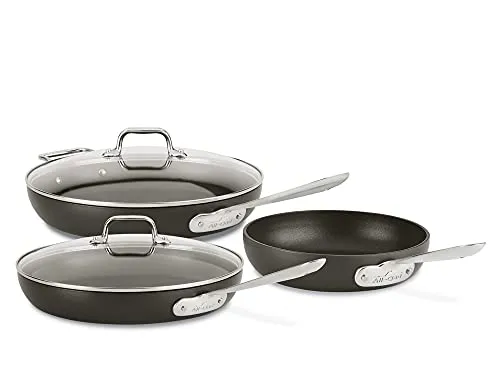
In the modern landscape of consumer goods, direct-to-consumer innovation continues to redefine traditional retail dynamics. Recently, All-Clad, long celebrated as the gold standard in professional-grade cookware, has announced a sharp retail strategy shift through its aggressive marketing of the HA1 Hard Anodized Nonstick Fry Pan Set. This move exemplifies a strategic disruption aimed at capturing the burgeoning market of young investors eager for quality tools at accessible prices, thus cementing its position as a formidable player amidst rising competitors and shifting consumer priorities.

The new offering brings a reinforced focus on durability, safety, and value, signaling a recalibration of industry standards driven by technological improvements. The pans are crafted from hard anodized aluminum—treated to enhance durability—coated with PTFE nonstick, adhering to safety thresholds up to 500 degrees Fahrenheit. Such engineered precision echoes the industry’s drive towards safety, reliability, and performance, crucially appealing to tech-savvy millennials and Gen Z consumers who demand transparency and longevity from their investments. Notably, this product leverages on-market trends identified by Gartner, highlighting the growing consumer preference for affordable luxury and trusted brands in everyday essentials.

Innovation, Disruption, and Business Implications

Through this strategic launch, All-Clad is disrupting the conventional premium cookware market by offering competitive pricing—$180 for a 5-piece set—and emphasizing quality through enhanced product features. This move disrupts the status quo of high-cost, professional-grade brands that previously maintained a barrier to entry for younger consumers. The company’s shift toward direct sales channels, coupled with targeted online advertising, underscores an industry trend where innovation in supply chain management fosters greater market agility and opens significant business opportunities for fast-growing startup competitors such as Fasie and Made In.

Moreover, the product’s strategic focus on user safety and performance, backed by supposed durability and a limited lifetime warranty, represents a calculated disintermediation of traditional retail and a pivot towards customer-centric innovation. Recognized institutions like MIT’s Sloan School show that such technological and business model innovations induce agent-based market disruption, empowering firms to redefine competitive advantage. Industry analysts see this move as emblematic of a broader trend—disruption driven by technological iteration, enabling even legacy brands to tap into younger, digitally native markets.

Industry and Market Milestones

  • Product innovation with anodized aluminum construction and PTFE nonstick coating—combining durability and safety.
  • Market shift toward value-driven, premium-quality cookware accessible through online channels, bypassing traditional retail.
  • Enhanced brand engagement with younger consumers, fostering brand loyalty through digital-first strategies.
  • Growth of a new class of “disruptor” brands inspired by emerging technology trends, such as AI-driven customization and supply chain transparency.

Looking ahead, the stakes are high. Industry bulldogs like Le Creuset and Calphalon face inventive competitors that leverage AI, IoT, and sustainable practices to reshape the cookware landscape. The rapid pace of technological innovation combined with shifting consumer values signals a market where disruption is not a question of if, but when. For investors and industry insiders alike, the message is clear: agility, technological adoption, and consumer insight are vital. The future belongs to those who can balance innovation with practicality, delivering quality products at scale—an imperative in an era of rapid technological change and evolving market expectations.

In an increasingly competitive environment, staying ahead of these disruptive waves will determine the future landscape of consumer technology. All-Clad’s recent strategic move exemplifies the industry’s relentless push for innovation, urging all stakeholders to remain vigilant and adaptive—this is the new frontier of business disruption.

Top 17 Epic Couches for 2025: Shop Online Without Compromising Style

Furniture Industry Gets a Tech-Forward Makeover: Disruption, Innovation, and Market Implications

In an era where technological ingenuity continues to redefine every facet of our lives, the furniture market is experiencing a seismic shift driven by innovation and a relentless pursuit of disruption. Fueled by the insights of industry analysts at Gartner and innovations envisioned by industry titans like Elon Musk and Peter Thiel, companies are now leveraging modular, customizable, and smart furniture solutions that challenge traditional notions of home comfort and aesthetic appeal. This emerging trend underscores a transformation of the furniture ecosystem into a more dynamic, consumer-centric landscape that is primed for rapid growth and profound industry implications.

Leading the charge are brands such as Lovesac with their Sactional modular design, and Outer with their Teak Outdoor Loveseat — both exemplifying a new wave of super-customized, reconfigurable furniture. These offerings, with their

  • interchangeable components
  • easy assembly
  • vast array of fabric and style options

– not only allow consumers a level of personalization never seen before but also represent a disruption of traditional retail and manufacturing models. This shift in consumer preference is forging a path toward a more fluid and adaptable furniture landscape — one that emphasizes functionality, durability, and aesthetic flexibility.

On the technological frontier, companies are harnessing smart features and sustainability to differentiate themselves. The Nugget Play Couch, for instance, appeals to the millennial parents and Gen Z buyers by offering a machine washable, kid-friendly alternative to conventional furniture — highlighting a trend towards eco-conscious, user-friendly products. Meanwhile, brands such as Castlery are integrating spill-resistant fabrics with modern designs, signaling a market shift towards durable, low-maintenance options appealing to younger consumers who value both style and practicality.

Business Implications and Industry Outlook

This technological infusion into the furniture sector is eliciting profound business implications for established players and new entrants alike. As MIT researchers and industry experts have noted, the move toward mass customization and digital manufacturing threatens legacy furniture companies that rely on traditional supply chains. Instead, leaner, digitally-savvy firms employing on-demand production and localized manufacturing are better positioned to capitalize on consumer demand for quick turnaround and personalized products. The rise of subscription-based and modular furniture models, exemplified by brands like Lovesac and Koala, indicates a future where flexibility and reusability become core value propositions, fueling a new growth trajectory.

Industry analysts such as Gartner estimate that by 2025, up to 40% of furniture sales will involve some form of customization or modular design. This transformative shift underscores an urgent need for companies to innovate or risk obsolescence. Young consumers, eager for environmentally sustainable options, are increasingly gravitating toward brands that prioritize eco-friendly materials, smart features, and configurability. As Elon Musk’s ventures demonstrate, technological breakthroughs often cascade across industries — and furniture is not immune. The integration of IoT and smart home connectivity into furniture pieces further amplifies the disruption, hinting at a future where furniture becomes an active participant in home automation and energy efficiency.

Looking Ahead: The Future of Furniture in a Tech-Driven World

The rapid evolution of furniture manufacturing and retail signals an epoch where disruption and innovation will no longer be optional; they will be essential for survival. As young consumers demand products that combine style, adaptability, and smart technology, companies that prioritize disruption in supply chains, product design, and customer experience will likely dominate the next decade. Firms unprepared for this technological revolution risk being left behind in a market that is accelerating toward a future where furniture is as dynamic and intelligent as the homes they inhabit.

From modular designs that adapt to changing lifestyles to AI-enhanced smart furniture, the industry is signaling a transformation that could redefine how consumers think about comfort and personalization. With the pace of innovation quickening, the time for strategic action is now — or risk being swept away by the wave of technological disruption transforming every corner of our ecosystem.

Social Media Auto Publish Powered By : XYZScripts.com