
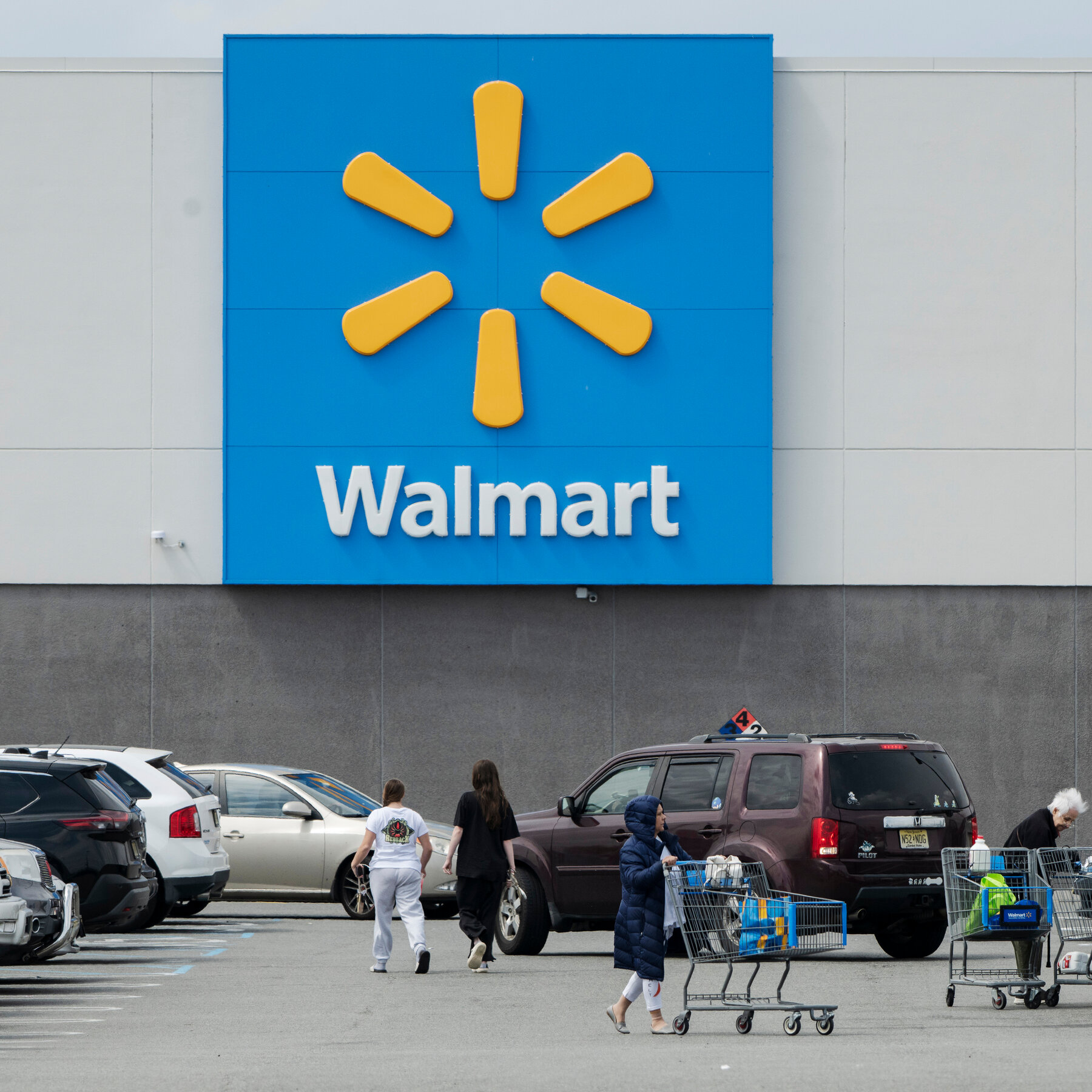

American consumers are demonstrating a nuanced approach to spending, with major retailers reporting robust sales figures even as shoppers exhibit clear signs of economic pressure. While companies like Walmart, Target, and TJX (parent of TJ Maxx) have posted encouraging quarterly results, executives note a significant shift towards deal-seeking and essential purchases, suggesting that many households are feeling the pinch of persistent inflation.
Retail Giants Report Mixed Signals
Recent reports highlight a paradoxical trend in the retail sector. Walmart, the nation’s largest retailer, announced solid growth in both sales and profit. Similarly, Target celebrated its best quarterly sales performance in nearly five years, and TJX saw sales comfortably surpass forecasts. These positive indicators follow strong showings from other prominent chains, including McDonald’s and Lowe’s, signaling continued consumer activity across various sectors.
However, the underlying data reveals a more complex picture. Retail executives are observing that while spending continues, it is increasingly directed towards lower-priced items and value offerings. Shoppers are actively cutting back in discretionary categories, a clear indication that household budgets are under scrutiny. This behavior suggests that the headline sales increases may be driven by higher prices for goods, rather than an increase in the volume of purchases or discretionary spending.
“While sales figures climb, the discerning eye spots a consumer increasingly driven by necessity and value, a subtle but significant shift in the economic landscape.”
Inflation’s Persistent Grip on Household Budgets
The shift in consumer habits is a direct consequence of the ongoing inflationary environment. As the cost of everyday goods and services continues to rise—exacerbated by global events—families are forced to make more judicious spending decisions. This focus on deals and essentials reflects a broader struggle for many Americans to maintain their purchasing power amidst escalating prices.
This trend is not merely anecdotal. Recent analyses, including reporting from The New York Times, have underscored the challenges consumers face. The pressure on household budgets means less disposable income for non-essential items, potentially impacting future economic growth. For a healthy free market, strong and confident consumer spending across all segments is vital, not just a redirection of funds towards discounted necessities.
Navigating an Uncertain Economic Landscape
The current retail landscape presents a critical juncture for policymakers and businesses alike. While the resilience of the American consumer is evident in the continued sales growth, the underlying strain cannot be ignored. A truly robust economy is built on more than just spending; it requires stable prices, strong employment, and confidence in future prosperity. The current indicators suggest a need for prudent economic stewardship to alleviate inflationary pressures and restore a sense of financial security for families.
Moving forward, monitoring these subtle shifts in consumer behavior will be paramount. The long-term health of our economy depends on addressing the root causes of inflation and ensuring that hard-working Americans can afford more than just the bare necessities. Maintaining a focus on fiscal discipline and market stability will be crucial to fostering an environment where both businesses and families can thrive.






