Matox News

Truth Over Trends, always!

Hundreds of youth hubs aimed at empowering Britain’s isolated youth, delivering hope and opportunity.

In recent years, the fabric of youth engagement and community building in England has been frayed by decades of austerity and neglect. Recognizing this, the government has announced a significant investment of £500 million over the next four years aimed at rejuvenating youth services—an initiative that signals acknowledgment of the critical role these spaces play in shaping the next generation. This funding promises the construction and refurbishment of 250 youth centres and the launch of 50 new Young Future hubs, designed as comprehensive sites where existing services can converge under one roof. The hope is to reinstate a sense of belonging and purpose for millions of young people wandering a landscape increasingly isolated and digitally disconnected, yet yearning for genuine community connection.

The social landscape for youth in England has shifted dramatically, with young people now spending more time online, often retreating into bedrooms rather than communal spaces. As Culture Secretary Lisa Nandy emphasized, these spaces are disappearing in various parts of the country, leaving youths vulnerable not only to physical isolation but also to digital solitude, which can foster loneliness and mental health challenges. Sociologists like Richard Sennett have long warned society that disconnected communities weaken social cohesion and undermine the moral fabric. The establishment of these hubs aims to counteract this, offering not just safe physical environments but also opportunities for face-to-face mentorship and connection with trusted adults. The initiative also aligns with the wider societal understanding that early intervention and community support are fundamental to preventing social problems before they take root.

The impact on families, education, and communities is profound. For families, these hubs can serve as a vital support network, providing guidance and a safe space amid socio-economic challenges. In educational terms, youth centres foster skills development, career guidance, and mental well-being initiatives that complement formal schooling. Communities stand to gain by re-establishing trusted communal spaces where youths can participate in constructive activities, thus reducing risks associated with antisocial behavior and fostering social responsibility. However, social commentators such as Rosie Ferguson OBE warn that “fifteen years of cuts have left deep scars,” making the current investment a necessary, but only preliminary step towards long-term societal healing. Much like the work of sociologists analyzing post-industrial cities, it is clear that **sustained commitment and holistic support** are essential for meaningful rehabilitation of collective social health.

As society stands at this crossroads, society’s collective narrative must evolve from viewing youth issues as mere policy challenges to recognizing them as a reflection of where future generations are headed. The government’s approach, while promising, faces both political and practical challenges: ensuring these centers are adequately staffed, accessible, and genuinely engaging for diverse communities. It also calls for a moral reflection on society’s obligation to nurture its most vulnerable—those who often bear the brunt of social neglect. As history shows, without robust investment and community-driven efforts, the risk is that the “disappearing spaces” will only deepen the divide. Yet, amid these challenges, the hope remains that society can transform these spaces of isolation into grounds of renewal—regenerating resilience, fostering hope, and reminding us that the future, after all, is built not just in policies but in the hearts and minds of its young people.
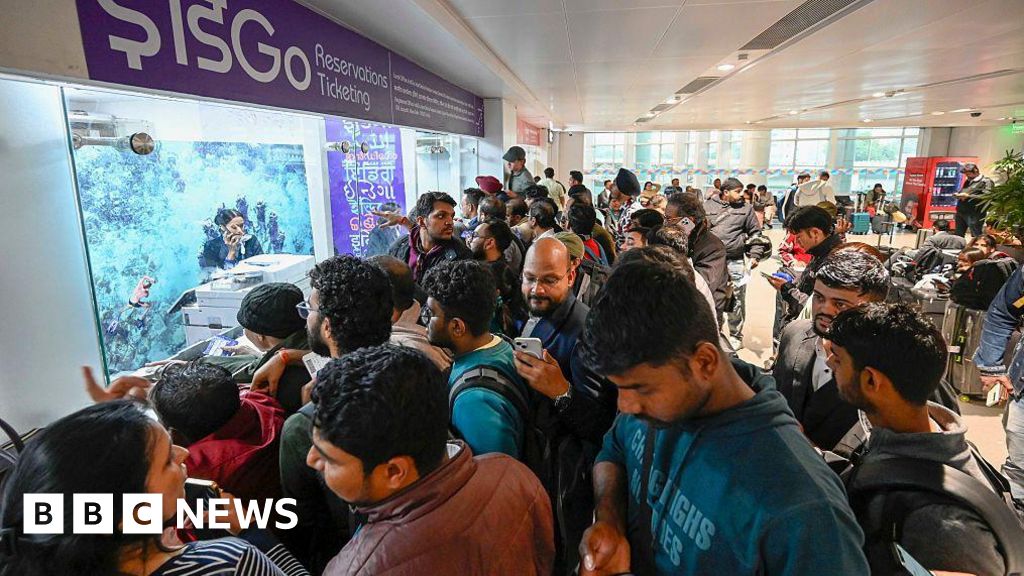
Travel chaos deepens in India as hundreds of flights are grounded—disrupting millions' plans
Travel chaos deepens in India as hundreds of flights are grounded—disrupting millions’ plans

The recent turmoil within India’s aviation sector underscores the profound internal challenges facing one of the world’s fastest-growing economies. The shutdown of IndiGo, the nation’s largest airline, has triggered widespread travel disruptions at a critical time—India’s peak travel season—highlighting systemic vulnerabilities rooted in recent regulatory reforms. As thousands of passengers remain stranded amid a backdrop of domestic chaos, India finds itself at a crossroads where domestic policy decisions could ripple across geopolitical lines.

Over the past week, IndiGo canceled hundreds of flights, leaving major airports in Delhi and Mumbai overwhelmed with unprepared travelers. The airline’s leadership indicated that complete operational recovery might not occur until 10 February, citing increased rest rules and night-duty restrictions as key factors. The new regulations, intended to improve pilot safety, have instead exposed critical planning gaps, which the Indian aviation regulator bluntly attributed to “misjudgment and planning gaps.” The regulator, alongside the government, has demanded detailed restructuring plans from IndiGo, emphasizing the urgency of aligning safety with operational efficiency—an effort to appease both safety advocates and economic stakeholders.

This crisis comes amid acute domestic unrest over the impact of recent policy shifts, which have faced sharp criticism from pilot associations, safety experts, and even international observers. The Airline Pilots Association of India warns that any easing of duty regulations risks “gravely” compromising safety, emphasizing that the balance between flexible regulation and public security remains precarious. At the same time, the government’s visible displeasure reveals an attempt to assert control amidst *public outrage* and operational breakdowns. These developments, analysts argue, threaten to undermine India’s global reputation as a reliable air travel hub, with potential consequences for foreign investment, tourism, and diplomatic relations.

On the geopolitical front, India’s internal strife in its aviation sector signals a broader narrative. As India asserts itself on the world stage through ambitious economic initiatives, such as the Make in India campaign and regional infrastructure projects, domestic instability may serve as a cautionary tale. Historically, rapid economic growth combined with regulatory missteps can serve as vulnerabilities exploited by rivals or destabilized by external shocks—be it regional conflicts or global economic downturns. The international community, including institutions like the International Civil Aviation Organization, closely monitors such crises, understanding that internal challenges in a rising power can influence geopolitical stability.

As passengers voice their frustration—the Singaporean High Commissioner even lamenting lost personal milestones—the incident leaves a stark reminder: the decisions made today in policymaking and crisis management will reverberate across the region and beyond for decades to come. The unfolding story in India is more than an aviation crisis; it is a reflection of a nation striving to balance rapid growth with the complexities of governance, safety, and international reputation. The weight of history presses down as the world watches, knowing full well that in these turbulent times, a single misstep can threaten to rewrite the trajectory of a nation’s rise—leaving future generations to grapple with the consequences of decisions shrouded in the fog of uncertainty.

Victoria Police's illegal weapon searches could impact hundreds of young people
Victoria Police’s illegal weapon searches could impact hundreds of young people

Victoria Police Faces Controversy Over Unauthorized Weapon Searches

In a recent revelation that has sent shockwaves through Australia, the Victoria police force acknowledged a series of legal breaches involving its extensive weapon search operations. Over the past eight years, police conducted 23 separate searches under newly expanded powers, with some instances, according to internal audits, lacking proper legal authorization. This comes amidst growing international concern over law enforcement overreach and its implications for civil liberties in democratic societies.

The breaches primarily involve the misclassification of designated areas where searches occurred, failing to follow the strict legal requirements such as proper public notice published in the government gazette. Most of these operations targeted protests and public demonstrations, notably around Melbourne’s CBD. Sixteen of these searches were uncovered through internal audits between March 2017 and March 2025, triggering the police’s obligation to report non-compliance to the state’s anti-corruption watchdog. As analysts point out, these violations highlight the risks of legal loopholes being exploited under the guise of security, undermining public trust and accountability.

International and Domestic Reactions to Police Overreach

Global institutions and human rights advocates have expressed alarm over the implications of this incident. The United Nations Human Rights Office has repeatedly warned that broad police powers, particularly warrantless searches, must be balanced against civil liberties to prevent abuses. Historian and legal analyst Dr. James Thompson has remarked that the breach underscores the danger of “emergency powers becoming normalized, with oversight lagging behind rapid legislative changes.”

Within Australia, critics—led by organizations like the Centre Against Racial Profiling—argue that expanded powers disproportionately affect communities of color, fueling fears of racial profiling and systemic discrimination. Ilo Diaz, spokesperson for the group, argued that “these violations reveal an alarming lack of safeguards, and without rigorous oversight, communities of minority background will bear the brunt of unchecked police authority.” These criticisms come amidst broader debates about law enforcement accountability and the need for stronger legal protections against abuse.

The Broader Geopolitical and Societal Impact

This controversy in Victoria exemplifies a larger, international trend where governments are enacting or expanding powers for security agencies under the pretext of maintaining order. U.S. and European activists have raised similar concerns about warrantless searches and surveillance, emphasizing the potential erosion of civil liberties in the face of national security concerns that often serve as pretexts for broader authoritarian tendencies. The International Criminal Court and other multilateral bodies often cite such incidents as warning signs of democratic backsliding.

For Australia, a country increasingly aligned with Western security policies, this incident underscores the importance of international standards that safeguard personal freedoms even amidst crackdowns on violence and terrorism. Police reforms aimed at preventing future breaches are underway, but critics warn that without substantial oversight, these measures risk becoming mere formalities, allowing law enforcement to operate without accountability. As history warns us, the unchecked expansion of police powers often presages long-term societal divisions and instability, leaving future generations to grapple with a legacy of state overreach.

Standing at a Crossroads of Authority and Liberty

The unfolding events in Victoria serve as a stark chapter in an ongoing global narrative—the delicate balance between national security and civil liberties. As Victoria Police moves to rectify its legal breaches and reinforce its procedures, the broader question remains: how far should governments go in the name of safety? And at what point does the pursuit of order threaten the foundations of free society?

For now, the weight of history hangs heavy. The story of these unauthorized searches is not merely a local scandal but a reflection of a world where the lines between security, liberty, and authoritarianism are constantly redrawn. As societies watch with bated breath, the choices made today will define the future—whether as guardians of freedom or shadows of tyranny in the unfolding annals of history.

Doctors warn NHS test delays threaten hundreds of thousands in England

UK Healthcare Crisis: Widespread Test Delays Threaten Patient Outcomes

The United Kingdom currently faces a troubling healthcare crisis that underscores the cracks in its once-lauded National Health Service (NHS). According to recent data analyzed by the Royal College of Radiologists (RCR), nearly 400,000 patients—specifically 386,849 in September—are waiting more than six weeks for essential diagnostic tests such as CT scans, MRIs, ultrasounds, and other critical assessments needed to identify life-threatening conditions. These delays are more than mere inconveniences; they pose genuine risks to patient health, with some potentially facing preventable deaths due to late diagnoses.

This crisis is further compounded by official targets set by NHS England, which aims to limit waits of over six weeks to less than 20% of all patients by 2027. Yet, as the Royal College reports, nearly half (46%) of trusts are failing to meet even this reduced benchmark, highlighting a healthcare system in crisis. With many hospital trusts unable to meet their own standards since 2015, the delays reflect deeper systemic issues—including chronic radiologist shortages and inadequate healthcare funding—further exacerbating a situation where timely diagnosis can mean the difference between life and death. As Dr. Stephen Harden, president of the RCR, emphasized, “Any delay to accessing treatment can worsen health outcomes and even lead to preventable deaths.”

Broader Implications: How Internal Failures Signal Geopolitical Consequences

The unfolding UK healthcare crisis has judged the nation’s social and political fabric as fragile, while casting a shadow over the government’s reputation and impacting societal trust. International observers, including global health analysts and historians, warn that such systemic failures are indicative of larger governance issues. The Department of Health and Social Care claims to have inherited a “broken NHS” but asserts that recent reforms and investments—albeit insufficient—are turning the tide. Nevertheless, critics and independent organizations such as the Institute for Fiscal Studies have cast doubt on future promises, especially their bold pledge to restore an 18-week maximum waiting period for hospital care by 2029—a goal increasingly viewed as overly optimistic given the persistent backlog.

These internal failures do not exist in isolation; they ripple into the international arena by affecting the UK’s standing as an advocate for health security and stability. As population health declines due to untreated diseases, the United Kingdom’s influence wanes. Furthermore, the ongoing healthcare quandary underscores the critical importance of not only military and economic strength but also resilient public health systems—an insight that international point-men like the World Health Organization recognize, especially amidst emerging global health threats.

Historical Context and Future Outlook

Medical historians often cite the UK’s NHS as a beacon of socialized medicine, but recent trends demonstrate that even the most revered institutions are susceptible to resource misallocation and political neglect. This crisis reflects a broader tale of national priorities shifting away from patient-centered care toward bureaucratic and financial constraints. As analysts observe, if the UK’s healthcare system continues to falter, it risks becoming a cautionary tale of social decline, with its societal fabric unraveling under the weight of unmet needs and lost trust.

The warnings issued by think tanks and independent analysts point toward an ominous future where the repercussions of delayed diagnoses and inadequate treatment could escalate into a broader humanitarian catastrophe. The fight for better healthcare is now intertwined with national sovereignty, economic stability, and international influence. As Britain grapples with internal failures, the pressing question remains: how will history judge this chapter—whether as a moment of decline or a catalyst for reform? The answer lies just beyond the horizon, waiting to be written in the blood and resilience of a nation at a crossroads, teetering on the brink of an uncertain future, where the weight of mounting failures drags the last remnants of trust into an uncertain abyss.

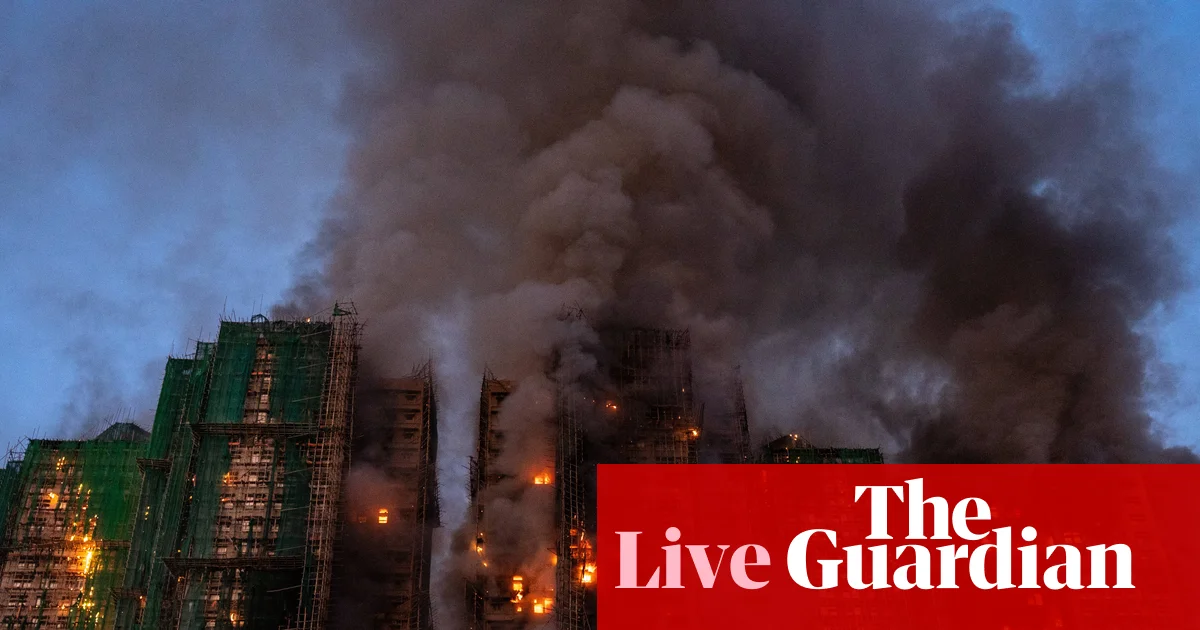
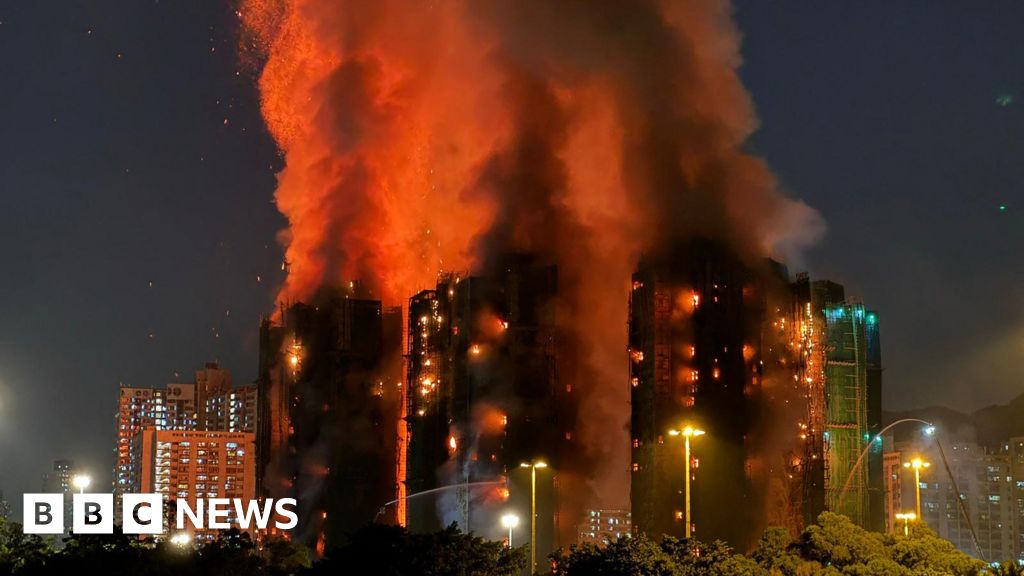
Hong Kong Fire Disaster: Rescues Underway as Dozens Dead, Hundreds Missing—Stay Updated

Hong Kong Blaze: A Tragedy with Geopolitical Consequences

The devastating fire at Wang Fuk Court in Hong Kong has left at least 44 confirmed dead, with nearly 280 individuals still unaccounted for as of late November 2025. This catastrophe, unfolding amidst ongoing tensions between local authorities and international stakeholders, underscores the fragile fabric of society in one of Asia’s most geopolitically sensitive regions. Investigations point to the use of outdated bamboo scaffolding and questionable maintenance practices, with police alleging gross negligence by construction firms responsible for the safety of the complex. The incident has reignited debates over infrastructural safety standards and the broader social impact of rapid urban development under the watchful eye of Beijing’s influence.

Beyond the tragic loss of life, the fire has laid bare the underlying tensions that pervade Hong Kong‘s political landscape. The response from local leaders, including Chief Executive John Lee, has focused on containment and rescue, but critics from Western nations and pro-democracy advocates see this as tightly controlled. Yet, the regional investigation—with three construction company officials arrested on suspicion of manslaughter—highlights how authorities are framing this disaster within the framework of safety regulation failures. Analysts argue that this incident may serve as a stark symbol of the systemic issues plaguing Hong Kong, further complicating China’s efforts to present a stable image internationally while suppressing local dissent.

Global Reactions and Strategic Implications

International organizations and foreign governments are closely monitoring the fallout, with some emphasizing humanitarian aid and others questioning the adequacy of Beijing’s oversight. Notably, Taiwan’s President Lai Ching-te issued a statement expressing condolences and emphasizing solidarity, a move seen as a subtle yet strategic alignment with Hong Kong’s pro-democracy camp. Meanwhile, Chinese corporations like ANTA, Tencent, and Xiaomi have pledged millions in relief donations, illustrating how China’s corporate sector mobilizes for national image-building rather than genuine concern. The incident also raises questions about the safety practices of traditional construction methods, which have been phased out in many parts of China but remain prevalent in Hong Kong—an indicator of resistance to modernization that could exacerbate future crises.

Some international observers, including historians and geopolitical analysts, warn that this disaster could become a turning point in regional security and governance. The pattern of systemic negligence, coupled with the aggressive suppression of dissent and the strategic use of crisis situations to reinforce political narratives, suggests that Hong Kong’s crisis is not merely domestic but part of a larger geopolitical chess game. As the World Health Organization and other institutions observe how local authorities manage the aftermath, questions persist about China’s intentions to control the narrative and the real magnitude of the unreported casualties, including firefighters and elderly residents left defenseless in the flames.

The Weight of History Unfolding

History remembers moments like these as pivotal junctures—blurs between tragedy, policy failure, and geopolitical maneuvering. While rescue operations continue and families mourn, the implications stretch far beyond the smoke and rubble. The fire reveals fissures within society and exposes the consequences of decades of urban neglect under authoritarian oversight. As governments scramble for images of control or compassion, the world waits with bated breath for the next chapter in this unfolding story, for in the shadows cast by flames and the echoes of grief, the weight of history presses ever heavier upon the sands of the future.

Tragedy strikes as fire claims at least 44 lives, hundreds still unaccounted for in tower blaze

Map that labels China, Hong Kong and Tai Po, highlighting Wang Fuk Court

Hong Kong Blaze Unfolds: A Tragedy with Broader Geopolitical Ramifications

The recent inferno engulfing the Wang Fuk Court housing complex in Hong Kong’s Tai Po district has shocked the international community and cast a spotlight on the city’s ongoing safety dilemmas amid rapid urban renewal. Involving more than 760 firefighters, the fire has claimed at least 44 lives, with hundreds still missing, and has sent shockwaves through a city famed for its dense high-rise architecture and unique blend of East-West integration. While local authorities scramble to contain the blaze and investigate its causes, analysts emphasize that this tragedy extends beyond immediate rescue efforts, revealing underlying tensions regarding urban infrastructure, safety standards, and the city’s overarching geopolitical identity.

At the heart of the incident is the controversial use of bamboo scaffolding—an aged construction method still prevalent in Hong Kong, despite efforts by local authorities to phase it out in favor of modern metal alternatives due to safety concerns. The bamboo scaffolding’s role in the rapid spread of the fire has raised suspicion, with preliminary evidence suggesting the flammable material may have exacerbated the blaze. The cause remains officially unconfirmed, but Hong Kong’s security secretary Chris Tang has alluded to possible suspicious activity, including the use of polystyrene to seal windows—a practice criticized for its fire hazards. This incident not only underscores the dangers of outdated construction practices but highlights the broader challenge Hong Kong faces in balancing tradition, safety, and urban resilience amidst ongoing political and social flux.

International organizations and Western analysts interpret the tragedy as a bellwether for Hong Kong’s evolving socio-political landscape—a city caught at the crossroads of greater integration with mainland China and its own distinct identity. Experts warn that the government’s ongoing push to modernize infrastructure, coupled with the lingering use of traditional building methods, could portend more crises unless comprehensive reforms are implemented swiftly. Xi Jinping, China’s paramount leader, expressed condolences and urged action to minimize further losses, reaffirming Beijing’s emphasis on maintaining stability and asserting greater control over Hong Kong’s civic infrastructure. Such signals underscore the emerging dynamic: Hong Kong, once a global financial hub, increasingly finds itself entangled in a geopolitical chess game where safety incidents are viewed through the lens of sovereignty and national security.

Shifting Tides and Lingering Shadows

The fire at Wang Fuk Court is not an isolated event—it echoes a tragic history of urban fires, with the city facing a comparable high-rise catastrophe 17 years ago at Cornwall Court. Such recurrent incidents symbolize a city grappling with modernization while attempting to preserve its identity amid political upheaval and economic transformation. Historian and urban safety analysts note that these disasters expose vulnerabilities inherent to dense urban environments, where outdated building materials and methods clash with contemporary safety standards.

Furthermore, the incident exposes societal rifts—many residents, primarily elderly, faced peril without timely alarms or evacuation assistance. Amid ongoing debates about the adequacy of emergency protocols and infrastructure, the broader geopolitical impact becomes clear: Hong Kong’s internal struggles over safety and sovereignty manifest as a microcosm of its complex relationship with Beijing. As authorities debate solutions, including replacing bamboo scaffolding with safer materials, the city’s future hangs in precarious balance, weighed down by history and the relentless march of progress.

As darkness falls over the smoldering ruins of Wang Fuk Court, the echoes of this tragedy resonate far beyond the borders of Hong Kong. The flames threaten to ignite a larger debate—one that questions the very fabric of urban life in a city where tradition and modernity collide, and where every decision could tilt the delicate scales of stability. In this unfolding chapter of history, the world watches with bated breath, knowing that the outcome of this crisis could redefine the narrative not just of a city, but of a generation seeking to reconcile the scars of yesterday with the promise of tomorrow. The flames are dying down, but their legacy is only just beginning to flicker across the pages of history, waiting for the next act to be written in the ongoing saga of urban resilience and geopolitical authority.

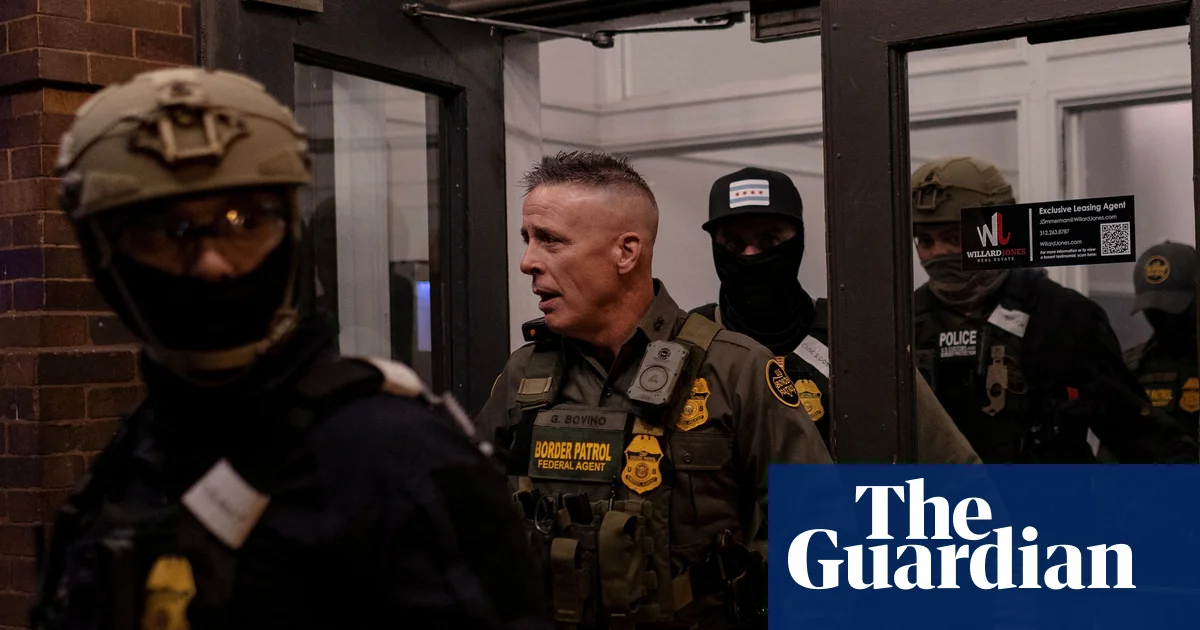
Judge orders release of hundreds detained in Chicago immigration crackdown

Legal Ruling Challenges Federal Immigration Policies in Chicago

The recent judicial intervention into President Trump’s controversial immigration raids highlights the ongoing tensions between federal enforcement agencies and judicial oversight. A US district court, presided over by Judge Jeffrey Cummings, has ordered the immediate release of hundreds of individuals detained during what critics call an overreach of federal authority under the guise of immigration enforcement. This case exemplifies how international concerns over sovereignty and law enforcement transparency are increasingly intertwined with domestic policy struggles.

This development follows the aggressive “Operation Midway Blitz,” a series of raids that swept through the Chicago area with claims of crackdown on undocumented migrants. However, widespread accusations have emerged of excessive and even abusive tactics, including the use of tear gas and pepper spray against protesters, raising alarm among human rights advocates and international organizations. The judicial decision to release detainees with minimal bonds, contingent on no criminal record or prior removal orders, underscores a broader debate about the limits of federal authority and the importance of adhering to legal protocols—particularly when rights are at stake.

Legal and Political Ramifications of Federal Immigration Enforcement

  • The court’s orders come amidst a lawsuit filed by the ACLU of Illinois, which claims that the federal agents violated a 2022 consent decree prohibiting warrantless arrests. This legal move signals a crucial battleground in the ongoing debate over state versus federal authority in immigration enforcement, with many interpreting it as a pushback against potential overreach by the Biden administration’s predecessor policies.
  • Federal officials, represented by William Weiland, have pushed for a halt to these releases, citing potential security risks posed by at least 12 individuals under review. The ongoing tension reveals the fragile balance between public safety and individual rights, set against the backdrop of a deeply divided nation where immigration remains a highly politicized issue.
  • The impact of international perspectives on immigration cannot be ignored, especially as global reactions to similar enforcement policies continue to shape public perception. Analysts suggest that such judicial rulings may serve as a precedent for other cities, influencing how federal agencies operate under the rule of law.

How International and National Actors Respond

According to historians and legal analysts, this case reflects a wider paradigm shift where judicial oversight becomes a vital mechanism to check executive power in immigration matters. While critics decry certain federal tactics as infringements on civil liberties, others view these decisions as critical to maintaining democratic accountability in a matter that directly affects societal cohesion. The involvement of organizations like the ACLU and the National Immigrant Justice Center underscores the significance of legal battles in shaping policy outcomes, with the potential to influence legislation and executive action at the highest levels.

As the courts continue to scrutinize these enforcement tactics, history’s pen is poised to record whether this confrontation between law and order will yield a new precedent of accountability or mark a turning point towards more unchecked federal authority. With each ruling, the fabric of a nation built on law and liberty is tested, revealing that the final chapter in this saga remains unwritten, yet undeniably profound in its implications for **geopolitical stability** and how societies worldwide will interpret the rule of law in immigration policies.

Social Media Auto Publish Powered By : XYZScripts.com