Matox News

Truth Over Trends, always!

Tragedy strikes: Two dead after small plane crashes during hurricane relief trip to Jamaica in Florida

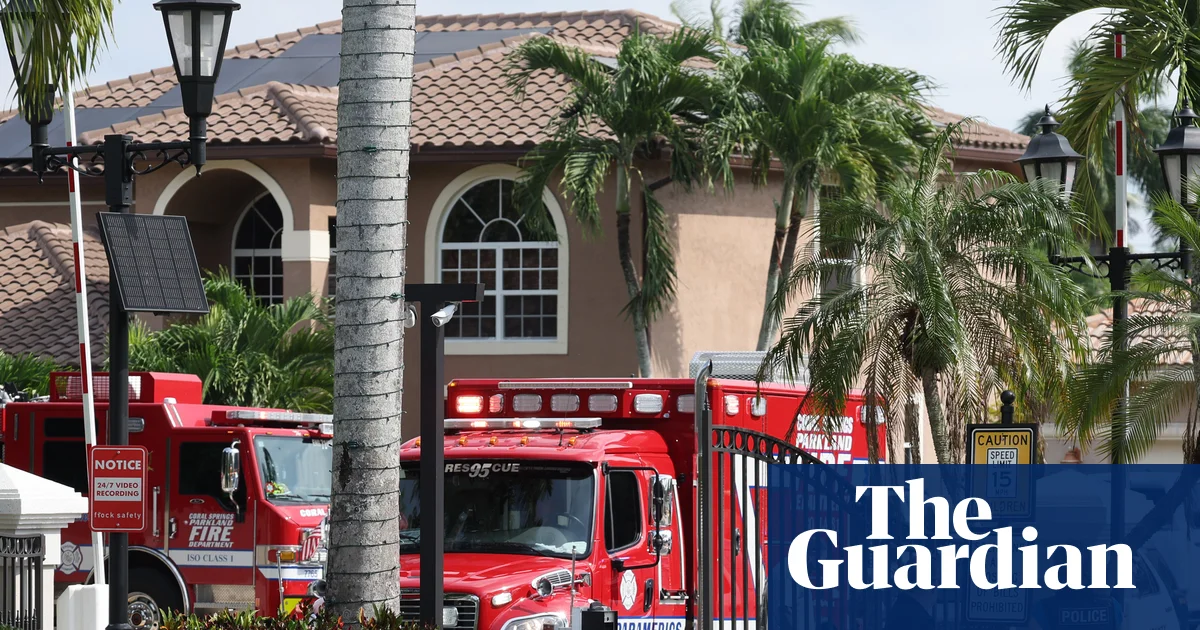
The recent crash of a small turboprop plane in Coral Springs, Florida has sent shockwaves through a region still reeling from the devastation wrought by Hurricane Melissa. The incident, which resulted in the tragic deaths of two individuals shortly after the aircraft took off on a hurricane relief mission, highlights the lingering vulnerabilities faced by communities in the Caribbean and their diaspora in the United States. While initial reports indicate no damage to nearby homes, the debris trail leading to a pond underscores the dangerous hazards associated with unregulated or poorly documented relief flights in post-disaster zones.

Analysts point out that the crash’s timing and context are significant, reflecting ongoing geopolitical realities. The plane, a vintage Beechcraft King Air registered to International Air Services, had made multiple recent trips to Jamaica—an island still recovering from the wrath of Melissa, which made landfall as one of the strongest hurricanes in Atlantic history. The fact that the aircraft operated through a company known for trust arrangements for non-US citizens indicates complex international aviation logistics, possibly aimed at circumventing regulatory oversight. This incident raises questions about how international relief operations are coordinated and the safety standards adhered to during these missions.

The geopolitical impact extends beyond mere accident statistics. Jamaica, a nation of strategic geopolitical importance amidst escalating tensions between global powers, relies heavily on international aid and diaspora support. The devastation caused by Melissa—leaving over 90,000 families displaced and thousands in shelters—has strained local resources, and aid efforts have become a focal point of regional diplomacy. The US’s role, whether through humanitarian missions or private relief contractors, becomes part of a broader contest for influence, especially as emerging nations seek to expand their footprint in Caribbean assistance and recovery. The crash consequently underscores a broader need for coordinated international oversight, lest relief efforts become entangled with geopolitical rivalries or neglect safety protocols in pursuit of quick aid delivery.

Meanwhile, local communities and international organizations are grappling with the immediate aftermath. Emergency responders, as described by officials like Mike Moser, responded swiftly, but the debris and fuel spill have created environmental and safety concerns. The ongoing investigation by federal aviation authorities aims to uncover whether mechanical failure, pilot error, or regulatory lapses contributed to the crash. Historically, experts like aviation safety analyst Dr. Raymond Chen warn that in the hurried rush to assist disaster zones, safety often takes a backseat, risking further tragedies. As authorities maintain a heavy police presence and continue evidence collection, the incident functions as a stark reminder of the fragile interface between aid, safety, and geopolitics in regions vulnerable to natural catastrophes.

As the world observes, this event underscores how aircraft, often seen as mere tools of aid, are also symbols of broader international dynamics. The hurricane’s aftermath, with Jamaica still in recovery, reflects the unending story of resilience underscored by vulnerability—a narrative that history keeps writing with each new chapter. The toll of Melissa, compounded by the tragedy in Florida, leaves a haunting question: in an era of rapid geopolitical shifts and climate turmoil, how will nations navigate aid, safety, and sovereignty? The weight of history presses heavily on the horizon, and as this unfolding drama continues, the global community watches, waiting for answers that could redefine the boundaries of international cooperation amid adversity.

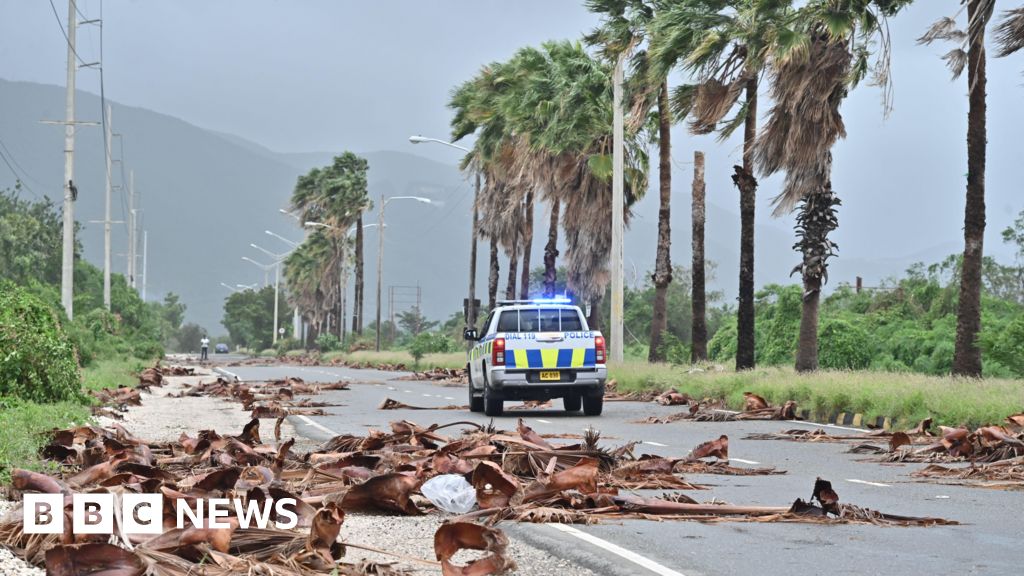
Hurricane Melissa Leaves Devastation in 'Ground Zero'—A Stark Warning for Our Communities
Hurricane Melissa Leaves Devastation in ‘Ground Zero’—A Stark Warning for Our Communities

The recent devastation wrought upon Black River has sent shockwaves across the international community, serving as a stark reminder of the fragile state of stability in our interconnected world. Witnessed firsthand by BBC correspondent Will Grant during an aid helicopter flight, the destruction reveals a landscape scarred by conflict, neglect, and the unpredictable fallout of geopolitical tensions. This tragic event underscores the profound consequences for local populations and the far-reaching ripple effects on regional security.

The core of the crisis lies in a complex web of geopolitical instability, where the strategic interests of major powers intersect with ongoing civil unrest. Analysts emphasize that the devastation is not merely a natural disaster but also a consequence of failed governance and fragile peace agreements. According to reports from international organizations, including the United Nations, this disaster could catalyze a new wave of displacement, human suffering, and diplomatic tensions. Historians warn that such moments often serve as catalysts for broader conflicts, highlighting the importance of swift international cooperation and decisive action.

  • The destruction in Black River exposes underlying vulnerabilities in regional security arrangements.
  • Failed peace initiatives and military interventions have hampered reconstruction efforts.
  • Global institutions are urging immediate humanitarian aid while balancing geopolitical interests.

Furthermore, how nations respond in this critical period may determine future stability or chaos. Many experts assert that the impact of these decisions extends beyond borders, shaping the geopolitical landscape for decades to come. Credible voices like the International Crisis Group warn that ignoring these warnings could lead to prolonged instability, fostered by politicized aid and strategic manipulations. The crisis in Black River stands as a poignant illustration of the ongoing struggle between sovereignty and international intervention—an age-old debate that remains unresolved.

As the world watches, the question remains: will this tragedy galvanize efforts toward genuine peace and reconstruction, or will it be exploited as a pawn amid greater geopolitical games? History shows that moments of profound upheaval often serve as turning points—either for collective resilience or as preludes to further chaos. With each passing day, the weight of history presses down, reminding us that the choices made today will echo through generations, defining the course of nations long into the future. The unfolding story of Black River is still written in real time, and its final chapter has yet to be penned.

Jamaica Left in Dark and Devastated After Hurricane Melissa〉

The Catastrophic Wake of Hurricane Melissa: A Turning Point for Jamaica and Global Responses

The recent devastation wrought by Hurricane Melissa has cast a stark light on the vulnerabilities of Caribbean nations amidst accelerating climate change. With sustained winds peaking at a formidable 298 km/h (185 mph), it surpasses the intensity of some of history’s most devastating storms, including Hurricane Katrina. As this cyclone tore across Jamaica, it left behind scenes reminiscent of apocalyptic movies—homes destroyed, floodwaters engulfing entire communities, and local infrastructure all but obliterated. Governments and international organizations are now confronting an urgent question: how will nations like Jamaica recover and adapt to an increasingly hostile climate?

The immediate geopolitical impact of such a natural disaster extends beyond national borders, highlighting the importance of international cooperation. Despite Jamaica’s efforts, the island’s infrastructure—its hospitals, roads, and power grids—has been deeply compromised. Prime Minister Andrew Holness issued a declaration of a disaster area amidst widespread destruction, warning of “significant damage” and the peril of lost lives. In response, international aid agencies and neighboring nations are mobilizing resources, but the scale of devastation underscores a global challenge: climate change-driven storms are becoming more intense and unpredictable, affecting vulnerable nations and challenging traditional disaster response frameworks.

Historians and climate analysts warn that the rapid strengthening of Hurricane Melissa—a category five storm at its peak—reflects broader trends associated with climate change, notably the abnormally warm Caribbean waters providing fuel for storms to escalate swiftly. Some experts argue this pattern is a harbinger of more frequent and severe hurricanes in the future, forcing nations to rethink their infrastructural resilience and emergency preparedness. Meanwhile, international economists and development experts note that Jamaica’s economy, heavily reliant on tourism and agriculture, faces a bleak near-term outlook. The destruction of crops in St Elizabeth, known as the “breadbasket,” and the damage to Montego Bay’s tourism infrastructure could set back the island’s economic recovery years if adequate international support and policies are not swiftly enacted.

Beyond immediate relief efforts, this catastrophe exposes the broader geopolitical importance of climate resilience. Countries are increasingly expected to shoulder responsibility—both individually and collectively—to mitigate environmental impacts and protect their populations. Global institutions such as the United Nations are sounding alarms about the cascading consequences of neglecting climate adaptation, from rising sea levels to displacement and economic instability. The situation in Jamaica underscores how decisions made today—whether in the form of international treaties or national climate policies—will profoundly shape the societal fabric of future generations. As the storm’s aftermath continues to unfold, it marks yet another chapter in a mounting narrative: that of a fragile world grappling with the realities of an increasingly volatile climate.

As history continues to write itself, the true test lies ahead. Will nations muster the collective will to confront climate change head-on, or will they be left to face the relentless fury of nature unprepared? The answer, now more than ever, remains a question of global resolve—the weight of history pressing down as the skies clear over Jamaica, leaving the world to ponder whether this catastrophe will serve as a warning or a call to action. One thing is certain: the storm has passed, but the battle for resilience and stability is only just beginning.

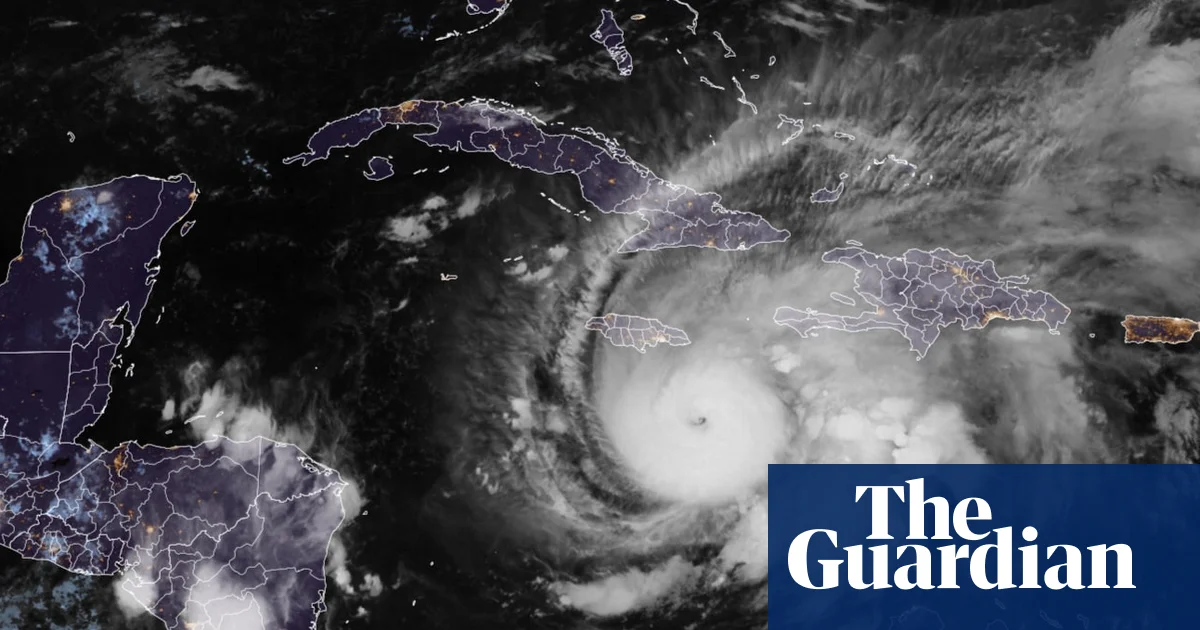
Hurricane Melissa intensifies to Category 4, warning Cuba; Jamaica faces severe damage

In an era marked by accelerating climate crises, the recent onslaught of Hurricane Melissa has laid bare the intertwined vulnerabilities of geopolitics and natural disasters. Striking the Caribbean with unprecedented strength, Melissa reached record wind speeds as a Category 5 hurricane, the fiercest to make landfall in Jamaica since record-keeping began in 1851. This natural tragedy has triggered a confluence of international aid, local resilience, and geopolitical chess—a stark reminder that when nature unleashes its fury, nations are tested on their capacity to respond and adapt.

At the heart of this catastrophe lies a clear convergence of human-driven climate change and geopolitical response. As the National Hurricane Center reported Melissa’s rapid intensification—upgrading from a Category 3 to a Category 4 storm—climate analysts have pointed to the human cause behind this escalation: the rapidly warming of oceans due to greenhouse gas emissions. This pattern, documented by numerous climate scientists, indicates that the increasing frequency and ferocity of such storms are not merely natural variations but symptoms of a broader planetary crisis. It is *emphatically* evident that the world’s power structures, especially major industrial states, bear responsibility for curbing emissions or facing an existential threat of escalating natural disasters.

Geopolitical dynamics come sharply into focus as the United States, Cuba, Jamaica, and regional allies mobilize resources to cope with Melissa’s destruction. On Air Force One, President Joe Biden declared the U.S. “prepared to aid Jamaica and other affected nations,” signaling a readiness that, while vital, also exemplifies how climate-induced disasters are reshaping alliances and emphasizing the West’s influence over the Caribbean. Meanwhile, Cuba’s President Miguel Díaz-Canel Bermúdez warned of a “very difficult night,” urging citizens to stay in shelters as Hurricane Melissa threatened to deliver an “extremely dangerous” landfall. The 735,000 Jamaicans evacuated their homes, and aid organizations like the Red Cross prepare to deploy, forecasting an impact potentially surpassing previous natural calamities. These responses underscore a geopolitical landscape where climate disasters are no longer isolated incidents but pivotal factors in regional stability and security—how nations react now will define their geopolitical influence and societal resilience for decades.

International organizations and regional governments confront the brutal truth: their capacity to respond is directly linked to geopolitical stability. Experts warn that the hurricane’s rapid intensification is a *turning point*—a reflection of the climate crisis that demands urgent, coordinated global action. The Caribbean’s vulnerability exposes broader geopolitical vulnerabilities—small nations with limited resources face existential threats, while larger powers are tasked with balancing aid, strategic interests, and climate commitments. As some analysts suggest, *the storm’s wrath could serve as a catalyst*, forcing the international community to reckon more seriously with the human costs of climate neglect. In such moments, history is witnessing the emergence of a new geopolitical calculus—climate resilience and multilateral cooperation—at the forefront of global strategy.

Looking ahead, the relentless march of Hurricane Melissa remains a grim harbinger of what’s to come if decisive action is not taken. As the storm prepares for potential landfalls in Cuba and the Bahamas, with winds reaching up to 145 mph, the world must recognize that these natural events are an *urgent call*—to reimagine environmental policies, to fortify resilience, and to confront the geopolitical shifts that such crises accelerate. This storm, destructive yet illuminating, leaves behind a tumultuous legacy—a reminder that, in the grand theatre of history, nature’s fury is a force no nation can afford to ignore. The unfolding chapter of Melissa’s destruction now writes itself into the annals of history, a stark testament to our epoch’s challenges, and a warning that the weight of the future hangs delicately still in the balance.

Storm chasers venture into the eye of Hurricane Melissa—braving Mother Nature’s fury.

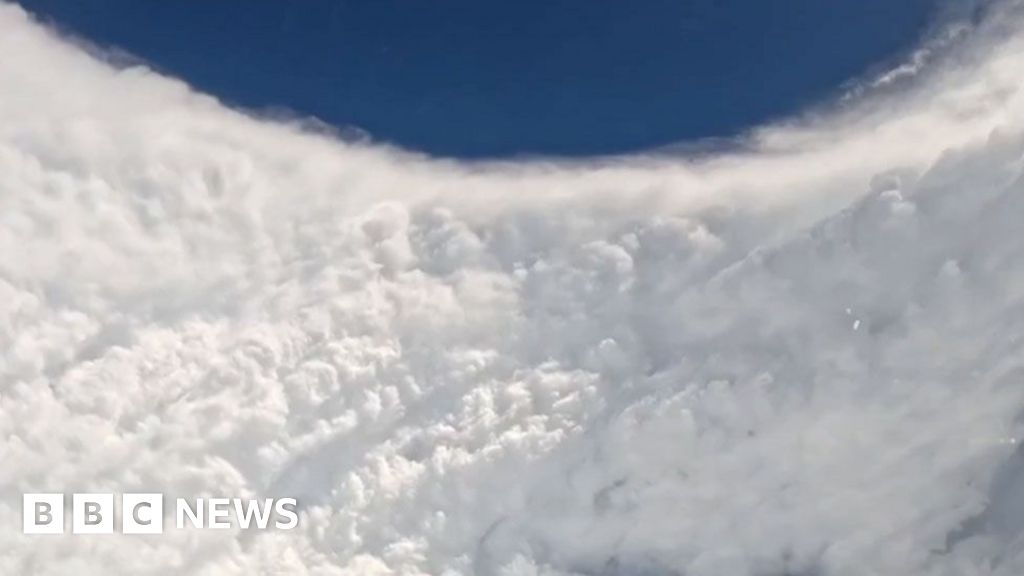
In a striking display of nature’s relentless power, Hurricane Melissa—with wind speeds soaring to 175mph (282km/h)—has become the year’s fiercest storm and the most formidable of the 2025 cyclone season. The US Air Force Reserve’s “Hurricane Hunters” recently ventured into its eye, gathering crucial data for the National Hurricane Center amid mounting concerns about the increasing intensity and frequency of such phenomena. As this catastrophic storm approaches late Monday or early Tuesday in Jamaica and then traverses across eastern Cuba and the Bahamas, the global community remains on high alert, cognizant of the broader geopolitical and societal impacts unfolding in its wake.

Environmental experts and international analysts have pointed to climate change as a primary driver behind the escalation of superstorms like Melissa. Historically, storm intensity has been regarded as a natural cycle, but recent patterns have alarmed climate scientists worldwide. A report by the Intergovernmental Panel on Climate Change (IPCC) warns that without decisive global action, hurricanes could become not only more frequent but also more devastating. Such meteorological upheavals threaten economic stability and threaten to deepen societal disparities—particularly in vulnerable nations within the Caribbean and downstream in North America and beyond. This storm’s trajectory and ferocity underscore a glaring reminder: humanity is at a crossroads, where environmental decisions of the past now manifest as future tragedies.

The geopolitical impact of hurricanes like Melissa stretches beyond the natural realm, influencing international power dynamics and security concerns. Countries in the Caribbean, dependent on tourism and agriculture, face economic crises should these storms cause extensive destruction. Rivalries and alliances may also shift as nations struggle to provide aid and infrastructure rebuilding—an often overlooked facet of climate-related disasters. Meanwhile, U.S. and international organizations are coordinating emergency preparedness and relief efforts, though critics highlight disparities in aid distribution and resilience planning. The storm’s approach serves as a stark reminder that climate challenges echo geopolitical struggles, compelling leaders to prioritize environmental stability in their strategic calculations.

Prominent historians and analysts, such as Dr. Patrick M., argue that Melissa’s unprecedented strength signals a pivotal moment in global history—one where nations must confront the harsh reality that natural calamities are no longer isolated incidents but components of a broader, interconnected crisis. The climate negotiations and treaties drafted over recent decades now face increased scrutiny, as skeptics decry the lack of concrete action. The unfolding drama of Hurricane Melissa encapsulates a moment where environmental, social, and political threads intertwine, forging a narrative that will shape policies for generations. As the storm’s winds rage and ocean’s fury swells, the world must grapple with this emerging truth: history is being rewritten beneath the storm clouds, and how humanity reacts may determine the course of civilizations yet to come.

Hurricane Melissa Threatens Jamaica’s Biggest Blow Yet

Hurricane Melissa’s Devastation: A Wake-Up Call for the Caribbean and the World

The recent escalation of Hurricane Melissa to a formidable category five storm has sent shockwaves across the Caribbean, with Jamaica now on the brink of a historic disaster. Forecasters warn that Melissa, with maximum sustained winds reaching 160 mph (260 km/h), poses an existential threat to the island nation. The storm’s slow movement enhances its destructive capacity, with rainfall predictions of up to 40 inches (100cm) over the next four days. Such intense weather phenomena are not mere acts of nature but manifestations of an increasingly volatile climate crisis that international experts warn is accelerated by geopolitical neglect and neglect of environmental commitments.

As the storm approaches, Jamaican authorities have issued immediate evacuation orders for vulnerable communities across Kingston and beyond. Prime Minister Andrew Holness has activated all 881 emergency shelters in response, acknowledging the potential for catastrophic flooding and life-threatening winds. The impact of Melissa extends beyond natural destruction, highlighting the fragile socio-economic fabric of small island nations that are often disproportionately affected by climate emergencies. The storm surge and torrential rains threaten to displace thousands, destroy homes, and cripple critical infrastructure—an ominous reminder that climate change is no longer a distant threat but an immediate, tangible danger that jeopardizes national stability and social order.

Regional and International Repercussions

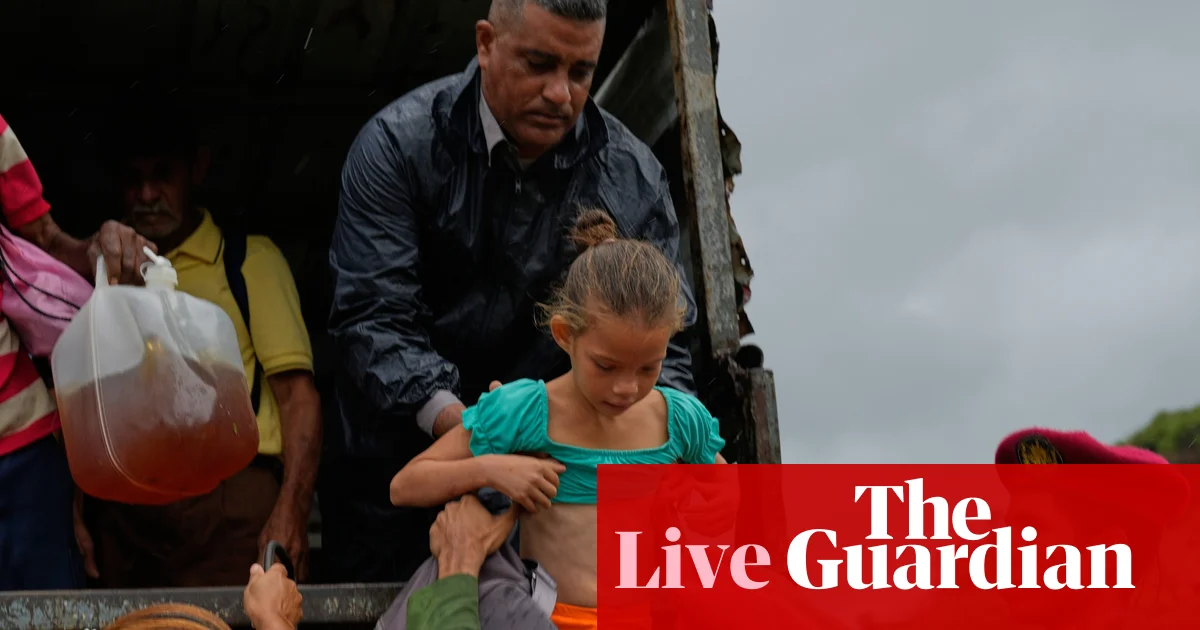
The unfolding crisis on the Caribbean island of Hispaniola—comprised of Haiti and the Dominican Republic—adds a troubling dimension to Melissa’s destructive path. On Hispaniola, at least three lives have perished, and hundreds of homes have floodwaters enveloped entire neighborhoods. Notably, a 79-year-old man was swept away by rising waters in Santo Domingo, and a 13-year-old remains missing amidst the chaos. This tragedy underscores the vulnerabilities of impoverished populations where critical infrastructure is often inadequate, and disaster response is hampered by political and economic instability.

International organizations such as the United Nations have issued urgent warnings, emphasizing that the Caribbean’s recent weather catastrophe signals a destabilizing shift with geopolitical consequences. Analysts argue that in an era of climate emergency, climate justice advocates tend to overlook the geopolitical tensions fueled by resource scarcity, migration, and economic disparity. As the storm bears down on Cuba and the Bahamas, the resilience of these nations—some still battling over recent economic sanctions or political upheavals—may be tested. This moment reveals how interconnected global stability is to local environments and how decisions by major powers regarding climate policies and aid shape the outcomes for nations at the mercy of nature’s fury.

Long-Term, Geopolitical Impact: A Call for Greater Global Responsibility

Some of the most respected historians and geopolitical analysts warn that climate disasters like Melissa are more than mere weather events—they are the harbingers of a new global paradigm where decisions made today about energy, sustainability, and international aid will determine the fate of nations. The failure of wealthy nations to uphold climate commitments under treaties such as the Paris Agreement only exacerbates the plight of vulnerable populations. As these nations confront nature’s wrath, their plight becomes a symbol of broader geopolitical failures—an urgent call for the global community to rethink its responsibilities.

The storm’s environmental toll is staggering: rising floodwaters, breached infrastructure, and ecological damage threaten long-term prosperity and security. Yet, it is also a vivid reminder of how decisions made on the international stage—from climate policy to geo-economic negotiations—directly influence the lives of millions. As nations scramble to respond, the question remains: Will this storm catalyze a decisive shift towards responsible global stewardship, or will it reveal the stark divide between rhetoric and action in addressing the climate emergency?

As Melissa’s winds threaten to reshape the Caribbean’s coastlines and communities, the weight of history presses heavily on the horizon. With each passing hour, the storm’s fury whispers an unsettling truth—that humanity stands at a crossroads, where the choices of today echo into the chaos or the salvation of tomorrow. The unfolding saga of Hurricane Melissa is not merely a test of resilience; it is a stark chapter in a wider narrative—one where geopolitical interests, environmental stewardship, and societal courage must converge to face the storm’s relentless march into history.

Jamaica Prepares for Mega Hurricane Melissa as Cat 5 Threatens the Island

As Hurricane Melissa rages through the Caribbean, expectations are mounting among international observers regarding its geopolitical impact. Originating off the coast of West Africa and rapidly intensifying into a formidable Category 4—and potentially Category 5—storm, Melissa’s trajectory toward Jamaica and Cuba highlights the region’s vulnerability to extreme weather. The forecasted winds of 160 mph could make Melissa the strongest hurricane in Jamaican history, surpassing the notorious 1988 Hurricane Gilbert. Such natural calamities serve as stark reminders that climate change, now a global issue, is manifesting in increasingly destructive forms—shaping not only environmental but also geopolitical realities.

Analysts from the United Nations and renowned climate experts warn that these natural disasters are more than just weather events—they act as catalysts for regional instability. Damage assessments forecast “extensive infrastructure damage, long-duration power and communication outages, and the potential for widespread flooding,” indicating that local governments with fragile economies and limited disaster preparedness could experience lasting socio-political upheaval. The economic costs associated with recovery may strain national budgets and divert resources from development priorities, fueling social unrest and international aid debates. As history shows, natural disasters often bring to light deeper systemic vulnerabilities that can ripple across international borders, impacting alliances, trade routes, and regional security.

The U.S. National Hurricane Center has issued cautionary warnings about the storm’s potential for “life-threatening flash floods, storm surges, and landslides,” emphasizing the risk of logistical collapse in affected nations. Meanwhile, in a distinct yet equally alarming development, reports from New Zealand highlight that severe weather remains a global phenomenon, with recent storms demolishing critical infrastructure—roofs torn from buildings, power outages affecting 90,000 homes, and transportation disruptions across the nation. These events have underscored the unpredictability of natural threats in a world increasingly interconnected, emphasizing that no part of the globe is immune to the larger repercussions of climate volatility.

International organizations, including the World Meteorological Organization, warn that the frequency and strength of such storms are likely to increase unless global policy shifts significantly. When climate policies are sidelined in favor of short-term economic gains from fossil fuels, the consequences become starkly visible on the geopolitical stage. The tension is palpable: nations are forced to choose between economic growth and climate resilience, with many vulnerable states suffering the brunt of these decisions. As historians and analysts observe, these crises will most likely leave a lasting mark on the geopolitical landscape, forcing the world to confront uncomfortable truths about the costs of inaction.

As the storm’s fury nears landfall, and while other nations grapple with their own climate-induced calamities, the weight of history continues to unfold. The decisions made in the coming days—regarding disaster response, climate policy, and international cooperation—will shape a new chapter in a world where natural disasters no longer remain isolated events but are central to the ongoing contest of power and survival. The question remains: in this rapidly changing climate, who will lead the charge for resilience, and who will be left to confront the storm’s aftermath in silence?

Hurricane Melissa Rises to Category 4, Evacuations Underway in Kingston

Hurricane Melissa’s Devastation: A Regional Wake-Up Call

As Hurricane Melissa intensified into a formidable category 4 storm, its wrath exposed the fragile infrastructure and socio-economic vulnerabilities of the northern Caribbean. With sustained winds reaching 145 mph and predictions of further strengthening to category 5, the storm posed a grave threat not only to Jamaica but to the neighboring nations of Cuba, Hait, and the Dominican Republic. The escalating crisis has reignited discussions among international analysts and historians about the geopolitical and societal consequences of climate-driven natural disasters. The clear message from experts such as Dr. Elizabeth Thompson, a prominent climate historian, indicates that increasing hurricane activity is not just an environmental issue but a direct challenge to regional security and stability.

Official Responses and Societal Resilience

  • Jamaica’s government, led by Prime Minister Andrew Holness, swiftly imposed mandatory evacuations across several vulnerable areas, including Port Royal—an ancient fishing village that witnesses frequent natural threats due to its low elevation and exposure.
  • Local authorities have activated 881 shelters and closed international airports, signaling a crisis response aimed at shielding citizens from the storm’s brutal forces. Desmond McKenzie, the Minister of Local Government, grimly warned that “many of these communities will not survive the flooding,” emphasizing the severe risk to urban and rural populations alike.
  • Despite warnings, some residents—like Ann Marie Chamberlain in Port Royal—chose to stay behind, citing a history of traumatic shelter experiences and a belief in divine protection. Such decisions illustrate the deep-rooted cultural narratives that influence risk perception in the Caribbean. Meanwhile, other locals, like Derrick Powell, have expressed skepticism about shelters’ safety, highlighting a complex social dynamic that complicates evacuation efforts.

Geopolitical and Regional Implications

The slow movement and rapid intensification of Melissa exemplify the increasing unpredictability of climate patterns, a phenomenon that has significant geopolitical impact. As the Caribbean faces up to its most active hurricane season on record—predicted by the NOAA to produce 13 to 18 named storms—international organizations warn that the region’s political stability, economic growth, and disaster preparedness are all under unprecedented strain. The storm’s trajectory towards Cuba and the Bahamas underscores the interconnectedness of Caribbean nations, where a natural disaster in one country often cascades into broader regional crises involving food security, refugee flows, and infrastructure resilience.

Analysis from organizations like the United Nations highlights how international cooperation and aid are critical to mitigate these threats. Yet, governments must balance immediate disaster response with longer-term resilience strategies, including climate adaptation and urban planning reforms. The storm’s devastation, which has already claimed lives in Haiti and caused widespread destruction in the Dominican Republic, exemplifies how political fragility in these states exacerbates disaster impacts. The rising river levels, destroyed bridges, and flooded communities act as stark reminders of the necessity for robust regional coordination in times of crisis.

The Weight of History and Humanity’s Future in View

For centuries, Caribbean societies have faced similar crises—each storm etching a new chapter into their turbulent history. Today, Hurricane Melissa stands as a stark warning, a symbol of nature’s unyielding power and the urgent need for global action. As residents like Ann Marie Chamberlain express unwavering faith, and authorities scramble to provide safety, the unfolding narrative underscores humanity’s ongoing battle with an environment increasingly altered by climate change. How nations respond today will shape their resilience tomorrow, with the weight of history reminding us that these storms are not just meteorological events but chapters in a larger story of survival, sovereignty, and the enduring fight for a secure future amidst a changing climate. The storm is brewing, and the world’s eyes remain fixed on the Caribbean—a region on the frontlines of a global crisis that refuses to be ignored.

Social Media Auto Publish Powered By : XYZScripts.com