Matox News

Truth Over Trends, always!

Britain and the US, Chill Out — Gen Z’s Chinamaxxers Aren’t Here to Hurt You | Coco Khan

In an era where global influences are woven into the fabric of our daily lives, the latest trend on TikTok may seem like harmless cultural curiosity—but beneath the surface, it reveals an ongoing battle over identity, national pride, and soft power. Enter Chinamaxxing, a phenomenon where younger generations are immersing themselves in Chinese customs, language, and aesthetics as a form of playful cultural exchange. From practicing qigong stretches to binge-watching Chinese period dramas, fans are seeking a sense of connection in an increasingly polarized world. While some hail this as an inspiring embrace of multiculturalism, others see it as a subtle challenge to Western dominance, stirring debates about loyalty, influence, and the future of national identity.

This trend highlights a broader cultural shift—one that champions *personal impact* through self-expression, leisure, and newfound curiosity. At its core, wellness and lifestyle are no longer confined to traditional norms or solely Western paradigms. Influencers on platforms like TikTok are showcasing how infusing their routines with Chinese philosophies and aesthetics can be a form of *personal empowerment*. Think of it as a quest to “become Chinese” through learning Mandarin on Duolingo or adopting habits like drinking hot water every morning. To many young people, such practices symbolize an act of rebellious individuality—an assertion that identity can be fluid, adaptable, and deeply personal in our interconnected yet divided world.

Yet, this enthusiasm has ignited a political undertone. Critics from across the ideological spectrum argue that soft power has tangible implications; some view it as a subtle form of influence that could reshape perceptions of loyalty. The New York Post describes Chinamaxxing as not just a lifestyle choice but a potential “aesthetic defect,” warning that many influencers may be *denigrating* their own country while elevating another superpower. Meanwhile, outlets like Fox News explore concerns over the glamorization of living in communist China, framing it as a dangerous drift away from American values. This tension illustrates how culture, once an intangible force, now occupies a front row seat in geopolitical dialogues. The phenomenon underscores the importance of a *nuanced view*: cultural fascination should inspire curiosity rather than suspicion, but it also reminds us that soft power can be a tool wielded intentionally—sometimes, subtly, and often unconsciously.

As the debate unfolds, it offers a potent reminder that our cultural influences—whether from Hollywood, London, or Beijing—are a reflection of our deepest values, aspirations, and fears. The youthful pursuit of understanding other cultures does more than broaden horizons; it challenges us to confront how identity evolves in a complex global landscape. When viewed through the lens of lifestyle and personal growth, this movement reveals an inspiring truth: that embracing change, curiosity, and cultural exchange can become a beacon for resilience and authenticity. In every ritual, language, or tradition that a young individual adopts, there lies a quiet act of rebellion—a testament to the enduring power of culture to shape not just our habits, but our very outlook on what it means to be part of something greater. Ultimately, lifestyle is not merely a personal journey—it is a journey to discover and redefine ourselves in a shifting world, guided by the timeless principle that *our greatest strength lies in our ability to adapt, learn, and grow*.
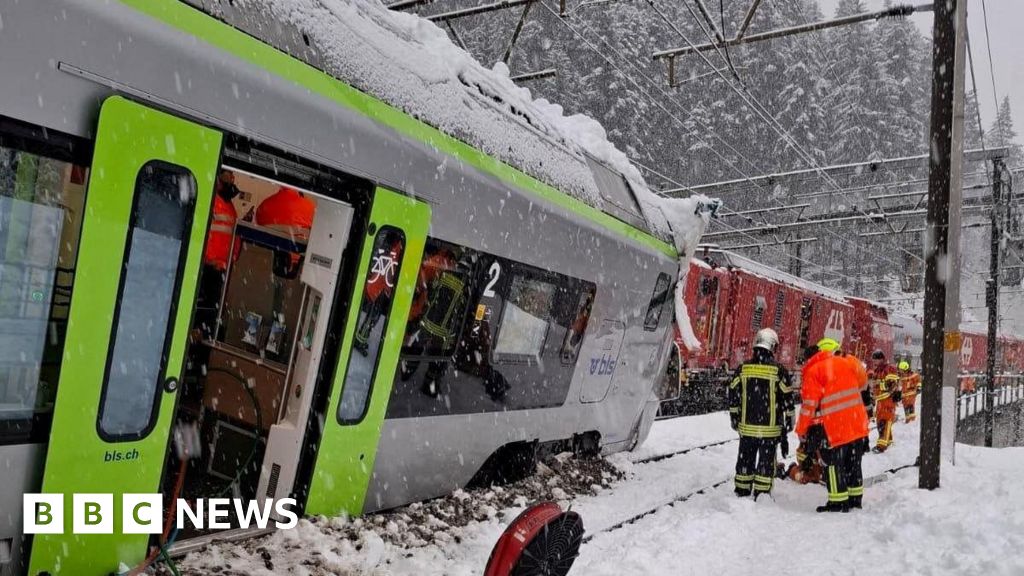
Five hurt after Swiss train derailment in severe snowstorm

In a recent incident that underscores the growing vulnerabilities in global transportation infrastructure, a passenger was hospitalized following a derailment reportedly caused by an avalanche. Authorities have indicated that this tragic event highlights the escalating risks associated with climate change, particularly in regions where natural disasters are becoming increasingly frequent and severe. Such incidents not only threaten individual lives but also pose a broader challenge to the stability and security of nations that rely heavily on interconnected transport networks.

International alarm is rising over climate-induced disruptions, as experts and analysts warn of a future where extreme weather phenomena could become commonplace. The derailment, which occurred in a mountainous area prone to avalanches, exemplifies how unpredictable environmental conditions are impacting safety protocols. According to international climate scientists, the frequency and intensity of natural disasters like avalanches are directly linked to rising global temperatures. As glaciers melt and snowpack destabilizes, the risk to infrastructure in vulnerable regions escalates, demanding urgent action from governments worldwide.

The incident has prompted discussions at global institutions, including the United Nations and regional safety agencies, regarding the necessity of integrating climate-risk assessments into national transportation planning. Analysts argue that this calls for a paradigm shift in policy, emphasizing resilience and adaptation in infrastructure development. The derailment serves as a stark warning that traditional engineering solutions may no longer suffice in the face of rapidly changing environmental conditions. Experts like Dr. Maria Jensen, a leading climate risk analyst, emphasize that *”failure to adapt will only accelerate the vulnerability of our societies to natural and man-made calamities.”*

Furthermore, this incident raises crucial questions about how nations manage natural disaster preparedness and intergovernmental cooperation. The potential for similar calamities to escalate in frequency and severity has led international organizations to reassess strategies. The derailment serves as a bellwether sign of the shifting geopolitical landscape—where climate issues are increasingly intertwined with national security and economic stability. As countries in the developing world often lack the resources to bolster their infrastructure against such threats, the global community faces a moral and strategic dilemma: invest in resilient infrastructure now or face the mounting costs of future catastrophe.

In the grand tapestry of history, natural disasters have repeatedly rewritten the course of nations. Today, as technology and climate science reveal new vulnerabilities, the choices made in the coming years will shape the future of multilateral cooperation and national resilience. This derailment, while seemingly isolated, echoes a much larger warning—a reminder that in an interconnected world, the ripple effects of environmental upheaval know no borders. The question remains: can humanity prioritize proactive measures over reactive crises before the lessons of today become tomorrow’s irreversible tragedies? The weight of history lingers—an unfolding story where the stakes have never been higher, and the clock continues to tick toward an uncertain horizon.

Congressional Democrats Promise Justice for Americans Hurt by Immigration Agents: “You Deserve Peace” | US Congress

The recent congressional hearings in the United States have thrown a stark spotlight on the ongoing controversy surrounding the federal government’s aggressive immigration enforcement policies. Witnesses, including family members of victims and victims themselves, recounted harrowing encounters with federal agents, raising serious questions about the human rights abuses and accountability failures of agencies like Immigration and Customs Enforcement (ICE) and Border Patrol. This unflinching testimony reveals a deeply troubling picture: a government-authorized crackdown that has, in numerous cases, turned deadly, exposing the darker consequences of unchecked federal power. Such revelations have ignited a fierce debate about the geopolitical and social impact of U.S. immigration policies, with critics warning that these actions threaten to harm American societal fabric and international standing.

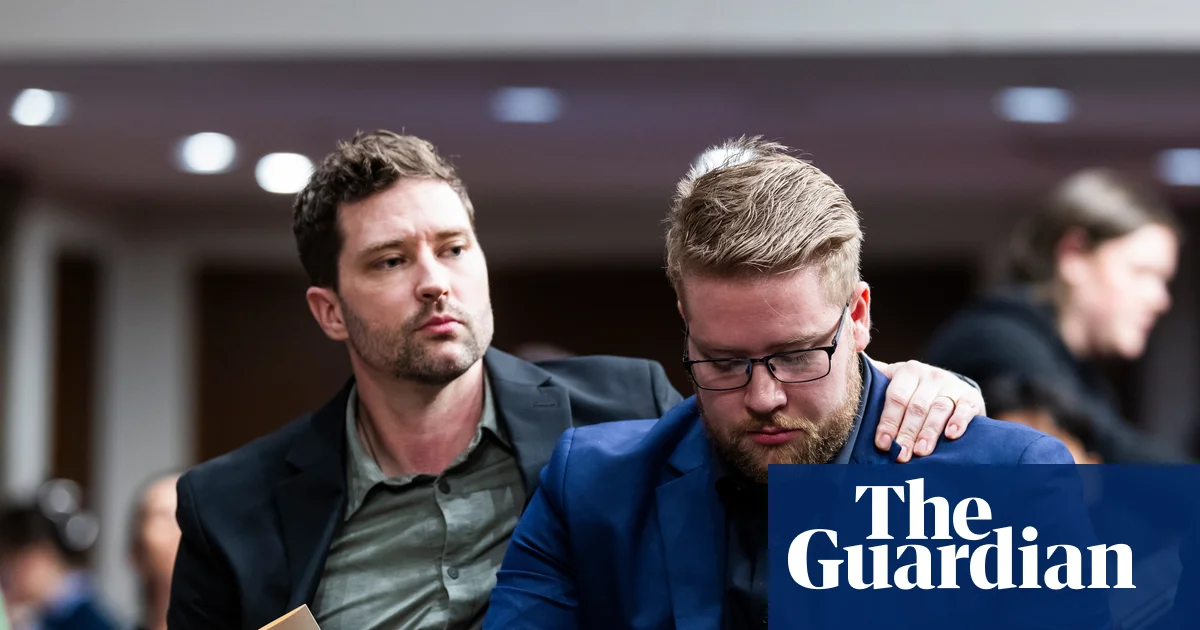
Key to the hearings was the emotional testimony of families who have lost loved ones in encounters with federal agents. Brothers Luke and Brent Ganger vividly described the death of their sister, Renee Good, shot by ICE officers during a routine traffic incident. Their grief was compounded by reports of further violence, including the fatal shooting of protester Alex Pretti by border patrol agents. These stories underscore a troubling pattern: federal agents engaging in violence with impunity, often with little oversight or accountability. Critics, including prominent analysts and international organizations, argue such conduct damages the credibility of the U.S. on the global stage, where it claims to champion human rights and the rule of law. Moreover, these incidents have far-reaching implications, fueling societal divisions and eroding faith in institutions meant to protect citizens and non-citizens alike.

The hearing also brought to light stories of trauma inflicted on ordinary Americans, such as Marimar Martinez and Aliya Rahman. Martinez, a Chicago native, was shot five times by a border patrol agent who later circulated her gruesome hospital images as trophies — an act exposing a culture of misconduct that seems embedded within certain enforcement arms. Meanwhile, Rahman, who suffers from autism and traumatic brain injury, was forcibly removed from her vehicle while trying to access medical care, with agents referencing her as a mere “body.” Her account highlights the dangers faced by vulnerable populations caught in the crossfire of national security policies. Such practices, often carried out with little regard for due process or human dignity, threaten to alienate communities, spread fear, and deepen societal fractures—facts acknowledged by many international watchdogs.

These revelations have stirred a powerful call for reform, with many voices from the political realm demanding justice. Richard Blumenthal, a senator from Connecticut, framed the testimonies as a “defining moral moment,” questioning the moral integrity of those responsible. Meanwhile, Alex Padilla pointed out the absence of Republican engagement, emphasizing the partisan divide that hampers bipartisan oversight of such crises. Critics argue that this political inaction emboldens agencies to operate above scrutiny, thus risking the destabilization of American values and the erosion of international credibility. As these stories unfold, historians and analysts warn that America faces a pivotal reckoning: whether to uphold its founding ideals of justice and human rights or to succumb to policies that, in the name of security, violate the very principles that underpin the nation’s identity. The weight of this moment falls heavily on the shoulders of policymakers — for the tide of history remains uncertain, yet undeniable: the choices made today will echo through generations, shaping the face of the nation and the global order for decades to come.

Six Hurt in Louisiana Mardi Gras Parade Shooting—Youth Crime Sparks Outrage

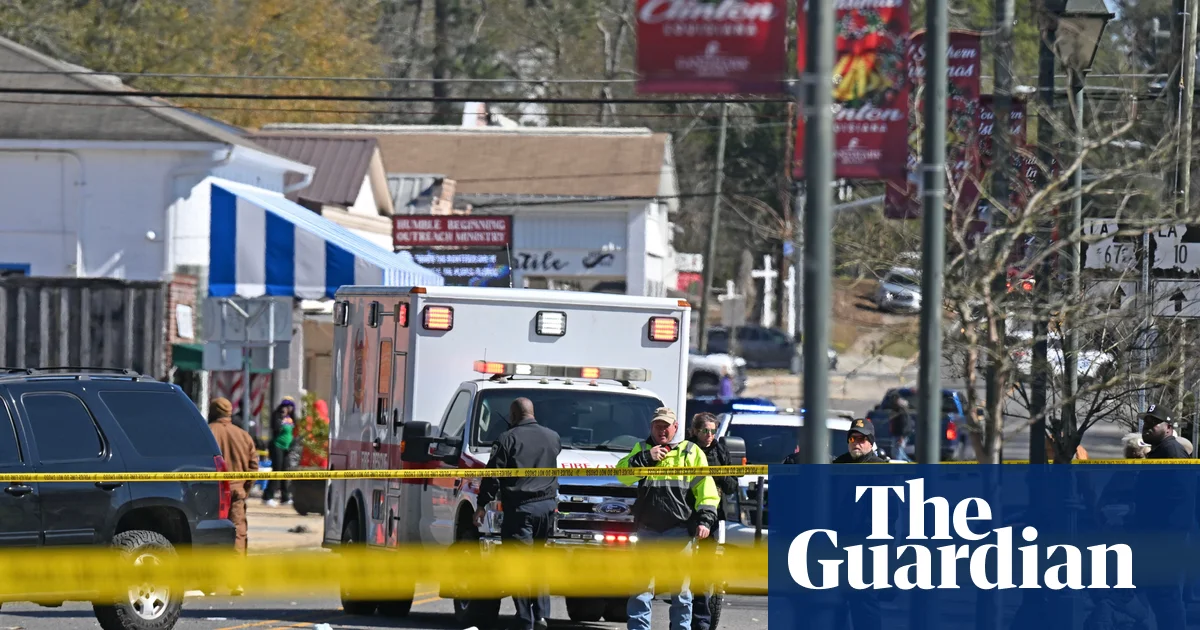
In a stark illustration of ongoing domestic unrest, a tragic mass shooting erupted during a local Mardi Gras celebration in Clinton, Louisiana, leaving six individuals wounded, including a child. This incident, occurring near the town’s courthouse in the heart of a tight-knit community, underscores the persistent challenges facing the United States regarding gun violence and its societal impacts. According to local officials, authorities swiftly responded, arresting one suspect and initiating a search for the vehicle believed to be used in the attack, highlighting the emergency response protocols in place amidst rising violence.

The incident is part of a disturbing trend that has alarmed both domestic and international observers. As of this year, there have been at least 24 mass shootings in the US, according to data from the Gun Violence Archive. This organization defines a mass shooting as any event in which four or more victims are wounded or killed, a threshold that underscores the scale of the crisis. Such violence not only devastates local communities but also fuels debates about the efficacy of current gun control laws, with critics arguing that congressional inaction perpetuates a cycle of insecurity. Historians and analysts warn that if the trend continues, the social fabric of American society risks further unraveling, with implications for national stability and global perception.

The failure of Congress to adopt more comprehensive gun legislation reflects broader geopolitical and societal issues. Many international partners and organizations, including the United Nations, have called for stricter gun regulations worldwide, portraying firearms as a pressing global concern. Yet, the US remains uniquely plagued by deep partisan divides and cultural entrenchment around the Second Amendment. As legislation stalls and mass shootings multiply, how decisions made at the federal level will alter the future security landscape remains uncertain. The international community watches as the US grapples with this internal crisis, highlighting a dissonance between American internal policy and the global push for peace and stability.

Across the Atlantic, European nations and Asian powers observe America’s struggles with a mixture of concern and skepticism, often contrasting their own more restrictive gun laws with the US’s persistent inaction. Some analysts warn that the inability of the world’s most powerful nation to effectively curb its gun violence could undermine its moral authority on human rights and security issues. As global institutions like the World Health Organization emphasize the importance of preventative measures, American policymakers face the profound question: will they choose to prioritize societal safety over entrenched interests? Meanwhile, the bloodshed in Clinton stands as a sober reminder of unresolved divisions and the urgent need for decisive action.

With history unfolding daily in the streets of small towns and big cities across the nation, the narrative remains clear and tragic: a society on the brink, teetering between constitutional rights and the need for security. The echoes of this latest tragedy continue to resonate, a stark reminder that the true cost of internal division extends beyond borders, shaping the fate of nations near and far. As history’s pages turn, the world is left to ponder whether the tide can be turned or if the dark chapter of American gun violence will write itself into the annals of unresolved conflicts—an enduring testament to a nation still striving, still fighting to define its future amid the shadows of its own making.

Seven Dead in Maine Private Jet Crash, One Hurt

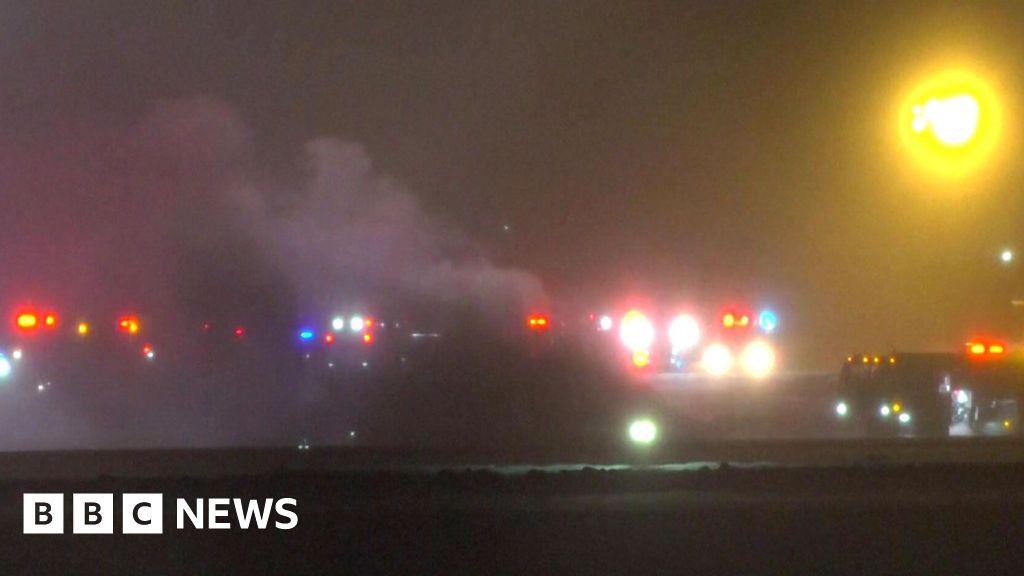
In a tragic incident reflecting the ongoing chaos wrought by nature and human error, Bangor International Airport in ME witnessed a devastating plane crash that claimed the lives of seven individuals, with only one survivor. The crash involved a private Bombardier Challenger 600, which went down during takeoff amidst a severe winter storm—a stark reminder of how climate volatility is increasingly impacting civil aviation safety. This event, unfolding against a backdrop of relentless weather extremes affecting millions across the United States, echoes a wider narrative of instability, not only within American borders but on the global stage.

Authorities report that the aircraft, registered to a Texas-based law firm, caught fire and came to rest inverted following the crash, with poor visibility likely a contributing factor. While investigations remain ongoing, the air traffic control recordings underscore the perilous conditions faced by pilots navigating a storm system that has left hundreds of thousands without power and caused nearly 11,000 flight cancellations nationwide. This incident, though isolated, highlights an era where unpredictable weather patterns threaten the safety and security of international transportation networks, creating ripple effects across supply chains and diplomatic engagements. Analysts warn that climate change-induced events like these are pushing nations into new vulnerabilities, compelling governments and companies to rethink resilience strategies.

The wider geopolitical impact extends far beyond normal aviation concerns. As U.S. authorities grapple with the aftermath of the crash and storm chaos, international institutions such as the International Civil Aviation Organization (ICAO) are under renewed pressure to set stricter safety standards amid growing climate unpredictability. Meanwhile, the storm’s disruption highlights the fragile interconnectedness of global economies now heavily reliant on smooth transportation; disruptions in the U.S. ripple across European and Asian markets, exposing critical weaknesses in a system increasingly susceptible to environmental shocks. Meanwhile, some critics argue that insufficient investment in infrastructure and climate mitigation measures could further exacerbate these vulnerabilities, risking a future where such tragedies become commonplace.

As international leaders convene to discuss the climate crisis and transnational security, the event serves as a sobering reminder of how human choices and environmental forces converge to shape history’s ongoing narrative. Historians warn that the turbulence caused by storms and technological failures today could be remembered as the turning point where nations faced the urgent need for adaptation. On a broader scale, this tragedy underscores a stark reality: in an era of geopolitical volatility, nature herself is an unpredictable actor, capable of rewriting the rules of engagement and testing the resilience of societies worldwide. As the smoke clears over Bangor, the weight of this moment settles heavily—history continues to unfold, and the world watches, waiting for answers that may yet come too late if decisive action is deferred.

Manhunt Underway After Tragedy Leaves Two Dead, Nine Hurt

The tragic mass shooting at Brown University in Providence, Rhode Island, has sent shockwaves across the United States, illustrating the persistent challenge of gun violence within American society and its geopolitical echoes. The incident, which occurred during a routine exam review session, resulted in the deaths of two students and injuries to nine others, marking yet another entry in the grim tally of total mass shootings in the US this year. As police continue their manhunt for the unknown gunman, the event underscores existing debates over firearm legislation and the societal conditions that foster such violence.

Experts and analysts have begun dissecting the geopolitical impact of rising gun violence in the US, which increasingly shapes America’s domestic security narrative. According to the Gun Violence Archive, this incident is part of a disturbing pattern of 389 mass shootings in 2023—each event serving as a stark reminder of the internal divisions and policy failures. Historically, scholars such as Dr. John Lott have emphasized that American cultural attitudes toward guns are deeply ingrained, fueled by constitutional rights and political inertia. Meanwhile, international organizations, including the United Nations, have voiced concern over America’s persistent gun crisis, warning that unchecked violence can undermine the nation’s global credibility on human security issues.

In response, President Donald Trump has called for prayers and expressed shock, emphasizing that “all we can do right now is pray for the victims and for those who were very badly hurt.” Meanwhile, Rhode Island Governor Dan McKee condemned the attack as an “unthinkable tragedy,” highlighting the profound impact on Providence’s community. The university’s decision to cancel exams and impose a strict lockdown reflects the immediate need for security and reassurance amid chaos. Yet, this tragedy also highlights broader issues: how nations handle campus violence, the social and mental health systems in place, and the role of law enforcement in protecting citizens. As law enforcement agencies scramble for leads, concerns grow over how such incidents connect to wider societal fractures and the potential for future violence.

Beyond American borders, the incident at Brown University resonates as a stark indicator of the ongoing crisis of public safety in Western societies. As international analysts monitor the US, questions surface about how global powers address internal security amidst geopolitical tensions. Historians warn that ignoring the root causes of violence risks further incidents that threaten the social fabric. The unfolding narrative remains lethal and unpredictable, echoing the warning of futurists that the course of history is often shaped by moments of chaos and tragedy. As the world watches, the weight of this event underscores the harsh reality: the future of freedom and safety in America hangs in the balance, hinging on decisions yet to be made in the halls of power and in the streets of Providence—decisions that will define whether this tragedy remains a somber anomaly or a harbinger of darker times to come.

Four Hurt in Shooting Near Howard University, DC Police Say

Washington DC Crisis Erupts Amid Howard University Homecoming Celebrations

In a tragic escalation of violence in the heart of capital of the United States, a shooting near Howard University has resulted in multiple casualties, casting a shadow over what was intended to be a festive homecoming weekend. The incident occurred at approximately 8:23 pm on the 600 block of Howard Place, just as thousands gathered on campus to partake in traditional celebrations. The timing of this violence underscores the persistent issue of urban gun violence in major American cities, which continues to threaten public safety and social cohesion regardless of the country’s global prominence.

Initial reports confirm that four individuals were shot, with at least one in critical condition and another in serious condition, though authorities have yet to disclose the exact number of injuries or whether a suspect has been detained. This senseless act of violence not only impacts local communities but resonates as a stark reminder of the broader challenges faced by the U.S. in addressing gun crime. Law enforcement responded swiftly, securing the scene and initiating investigations amid ongoing concerns over public safety during large gatherings. The incident highlights how urban violence persists as a pressing issue that destabilizes social order at a time when national attention is crucial for unity and resilience.

Meanwhile, the socio-political dynamics surrounding urban violence in the United States continue to draw criticism from international analysts and historians. Many point to systemic issues: economic disparity, lax gun control legislation, and racial inequities, which persist as root causes underpinning recurring episodes of violence. In a recent report, the International Organization for Peace and Security warned that such incidents threaten the fabric of American society and challenge the nation’s self-image as a beacon of democracy and stability. The current chaos in Washington serves as a microcosm of a deeper, unresolved crisis that could have far-reaching impacts on international perceptions of American sovereignty and governance.

Experts further argue that decisions made at municipal and federal levels significantly shape society’s resilience against violence. The ongoing debate surrounding gun legislation reform and social justice initiatives is intertwined with the broader geopolitical impact of American internal stability. As the nation grapples with these issues, the international community watches with cautious concern—fearing that continued internal strife may weaken the U.S. position on the global stage. Historically, unresolved conflicts within powerful nations often pave the way for foreign influence and regional instability, echoing past lessons from the Cold War era, where internal crises in the U.S. often shifted the balance of global power.

As security forces restore order in DC and investigations proceed, the weight of history bears down on this moment. With each incident like the Howard University shooting, the American societal narrative is rewritten—reminding us that the path to stability is fraught with challenges, and the future remains uncertain. Whether reforms or reforms will come quickly enough to prevent further tragedies remains to be seen. Yet, what persists is the stark reminder that history is an ongoing drama, and the decisions made today will echo through generations—ultimately shaping the destiny of nations and societies on the global horizon.

Social Media Auto Publish Powered By : XYZScripts.com