
Matox News

Truth Over Trends, always!

UK’s Iceland Stores drops fight over name with Iceland Foods, clearing the way for consumers

In a move that underscores shifting geopolitical and economic landscapes, Iceland, the UK-based supermarket giant, has announced the end of its decade-long legal battle with its namesake in Europe. This resolution, driven by pragmatic business considerations, signals more than a simple corporate decision; it is a reflection of broader international legal and commercial tensions that have begun to reshape the landscape of global branding and national sovereignty. The company’s new approach—offering discounts to Icelandic shoppers and stepping back from its legal claims—may seem minor on the surface but bears significant implications for how nations and corporations navigate identity, intellectual property, and sovereignty.

Beginning in 2016, the government of Iceland initiated legal action against the UK retailer over its use of the country’s name, challenging the supermarket’s exclusive EU trademark rights for “Iceland.” The basis for this challenge was rooted in the belief that such rights hindered domestic companies from branding their products abroad, effectively limiting their economic freedom. The EU General Court’s rulings, reaffirming that geographical names must remain accessible for public use, struck a blow to private territorial trademarks and reinforced culturally rooted notions of sovereignty over shared historical and geographical identifiers. As analyst Helen Fry notes, this legal conflict encapsulated a broader trend: “The battle over names and trademarks often reflects deeper cultural and political struggles over national identities in an increasingly interconnected world.”

With the recent legal defeat, Iceland chose to pivot rather than persist in costly litigation. In his public statement, Richard Walker, executive chairman, revealed plans to reallocate the legal funds into offering discounts—fundamentally a strategic move to foster goodwill among local consumers in Iceland. Though he expressed concern about competitors potentially exploiting the brand’s name, the decision to step away from legal confrontation signals a wider recognition of the limits of international trademark enforcement. This episode exemplifies a global trend where sovereign nations push back against corporate encroachment, asserting cultural and economic independence in the face of universal branding practices. It also underscores the importance of international legal norms, which increasingly favor the public’s right to use geographical identifiers, rather than exclusive corporate claims.

The ramifications extend beyond law and commerce, touching on core notions of identity and statehood. The European Union‘s role, through courts and regulations, is pivotal, yet it is clear that local governments and populations are asserting a renewed sense of ownership over their historical and geographical symbols. As Dr. Tomasz Nowak, a geopolitical analyst observes, “Marking the borders of cultural sovereignty on the battleground of intellectual property rights is a sign of declining influence of supranational institutions and a resurgence of national narratives. This case, though seemingly trivial, echoes larger debates about who controls the symbols of national identity in an age of globalization.”

As history continues to unfold, the resolution between Iceland and the UK supermarket chain serves as a stark reminder of how decisions over trademarks and branding are far from mere commercial disputes—they are intertwined with the deep currents of national pride, sovereignty, and cultural autonomy. In a world increasingly shaped by international treaties, court rulings, and global economic forces, the outcome of this seemingly small legal battle hints at larger shifts in how nations assert their identities amidst the relentless tide of globalization. The pages of history are turning, and the story of geographies, brands, and sovereignty remains a compelling chapter in the unfolding geopolitical narrative.
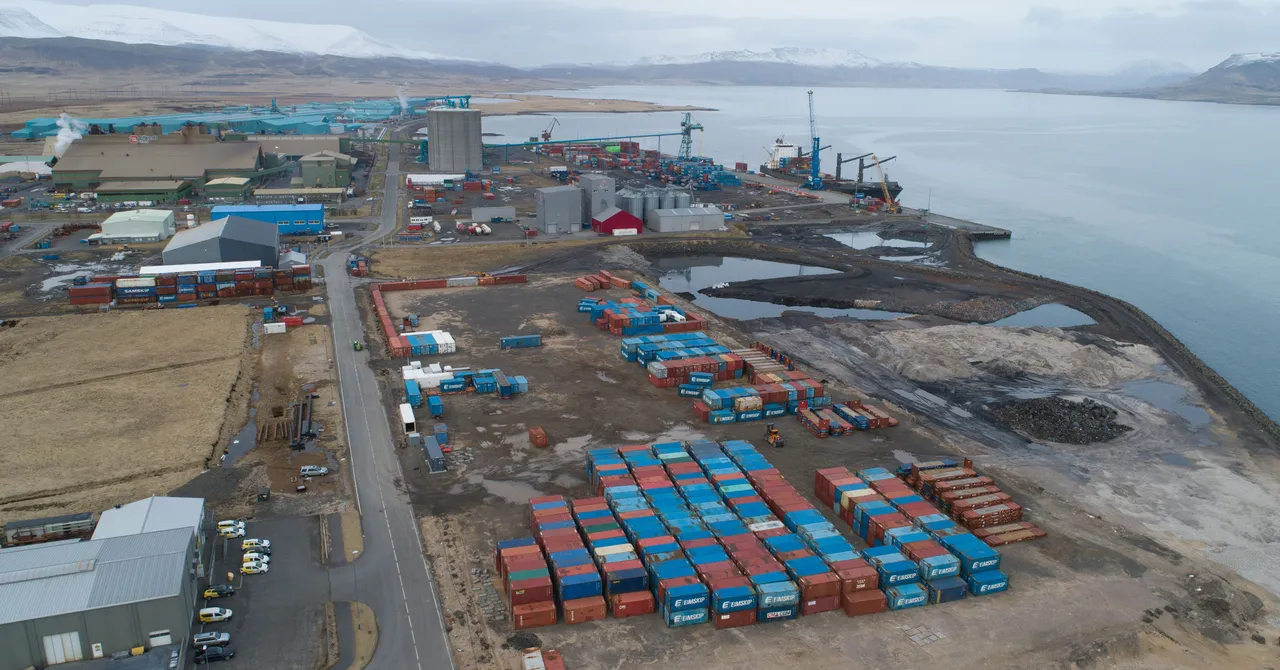
Next-Gen Carbon Removal Tech Fails to Make a Splash

Innovative Ocean Geoengineering Firm Fades Amidst Unforeseen Risks and Funding Woes

In a striking example of the volatile intersection between technological innovation and environmental risk, Running Tide, a pioneer in marine geoengineering, has effectively shut down its operations following mounting financial challenges and unresolved scientific concerns. Despite promising early commitments from industry giants such as Stripe, Shopify, Microsoft, and the Chan Zuckerberg Initiative, the company’s ambitious plan to utilize ocean-based wood-chip dumping to sequester atmospheric carbon has encountered fundamental scientific obstacles and public skepticism. Odlin, the company’s CEO, publicly confirmed in June 2024 that “there simply isn’t the demand needed to support large-scale carbon removal,” marking a sobering end to a venture that once captured the imagination of climate tech advocates.

The core innovation behind Running Tide was its attempt to leverage natural ocean processes by sinking biomass—primarily wood chips—in hopes of accelerating carbon sequestration. However, scientific feedback from oceanographers and deep-sea experts reveals that such interventions may have unpredictable and potentially devastating ecological effects. For instance, Odlin himself admitted that monitoring the fate of Wood-chip deposits proved impossible after just a few hours post-release, raising serious questions about the viability of accurately assessing the environmental impact of such efforts. Environmental scientists, including Samantha Joye of the University of Georgia, warn that biomass dumping could create “dead zones,” where oxygen deprivation obliterates aquatic life, and could also irreparably damage deep-sea ecosystems that are vital for medical research and understanding Earth’s early history.

This uncertainty underscores a critical challenge: the disruption of seabed ecosystems may hinder the ocean’s ability to naturally absorb carbon rather than enhance it. A recent carbon flux report from the Convex Seascape Survey warns that disturbing seabed sediments can inhibit their capacity to sequester carbon, which runs counter to the intended purpose of biomass sinking initiatives. Such revelations expose the significant *business risks* associated with ocean geoengineering ventures — assets often backed by well-meaning, yet under-informed investors, now faced with mounting scientific doubts and regulatory hurdles.

The demise of Running Tide signals a wider industry reckoning about the *disruption* and *unpredictability* inherent in emerging climate tech solutions. While the promise of harnessing oceans for climate mitigation is enticing, the ultimate challenge remains: merging cutting-edge technological innovation with rigorous scientific validation. As the global community grapples with *climate change*, these failures highlight that “disruption” in green tech cannot come at the cost of ecological stability or scientific integrity. Industry leaders, research institutions like MIT, and forward-thinking investors must now prioritize transparent, interdisciplinary research that refuses to sacrifice ecological health for techno-optimism.

Looking ahead, the rapid acceleration of ocean-based techniques should serve as a warning to policymakers and entrepreneurs alike: true disruption for the sake of innovation demands a cautious approach—one that recognizes the limits of current science and the urgency of ethically responsible innovation. With climate change pressing ever more urgently, the future of technological solutions depends on our capacity to develop methods that are both effective and ecologically sustainable. The path forward must balance youthful ambition with sober scientific scrutiny, ensuring that technological progress does not unwittingly unleash irreversible damage beneath the waves.

Mosquitoes Strike Iceland for the First Time After Record Heat Wave

Record-Breaking Heatwave in Iceland Sparks Unforeseen Ecological Shift

In a startling development that underscores the profound effects of climate change on fragile ecosystems, Iceland has recorded the first-ever discovery of mosquitoes within its borders. Historically a haven of icy detachment, the once-impregnable barrier against these pests has been broken by this year’s unprecedented heatwave. Local insect enthusiast Bjorn Hjaltason identified and captured two female mosquitoes and one male, later confirmed by the Icelandic Institute of Natural History as Culiseta annulata, a resilient species capable of surviving frigid winters. This event has sent ripples through environmental circles and geopolitical analysts alike, spotlighting the tangible consequences of a scorching climate that now approaches Iceland’s northern shores.

Prior to this year, Iceland remained one of only two mosquito-free zones globally, with the only other being Antarctica. The cold climate and distinct ecological conditions historically prevented mosquitoes from establishing a foothold. However, the recent series of heatwaves—an anomaly according to the Met Office—have shattered previous temperature records, with May highs exceeding 20°C (68°F) and peaking at an all-time high of 26.6°C (79.8°F) at Eglisstaðir Airport. Such dramatic shifts are emblematic of the larger, more ominous trend of global warming, which the UN’s climate body affirms as driven by human activity. As global temperatures climb, scientists warn of destabilized ecosystems and unforeseen biological invasions, challenges that nations are increasingly ill-prepared to handle.

  • The key event: The first confirmed mosquito presence in Iceland amid record-breaking heat, signaling a disturbing ecological breach.
  • Potential consequences: Expansion of insect-borne diseases, disruption of local fauna, and strain on natural resources.
  • Broader implications: The event is a stark illustration of how climate change accelerates the erosion of natural barriers that historically protected regions like Iceland and Antarctica.

International organizations and experts are taking notice. Critics argue that these developments underscore the urgent need for a coordinated global response to climate change, focusing on both mitigation and adaptation. Historians and environmental analysts warn that this incident foreshadows a new era—one in which the impacts of human pollution and carbon emissions reach into the most remote corners of the world, rewriting the script of nature’s historical boundaries. The question now is whether nations will recognize the gravity of these signs or dismiss them as isolated anomalies. With each passing year marked by record heat and ecological upheaval, the line between natural resilience and human-inflicted vulnerability continues to blur.

As the story unfolds, Iceland stands as a stark symbol—a fragile outpost on the frontlines of a warming planet. The insect’s invasion, while seemingly minor, may herald a larger, more dangerous trend of ecological unravelling that knows no borders. The discovery leaves us with a haunting image: a once-untouched icy haven gradually succumbing to the relentless march of warming tides. Humanity, standing at a crossroads, must confront whether this is the prelude to a new world order—one shaped by climate-driven upheaval or the dawn of decisive action to halt the chaos. The weight of history is still being written, and the next chapter could determine whether the icy wilderness remains a sanctuary or succumbs to the scars of human neglect.

Social Media Auto Publish Powered By : XYZScripts.com