
Matox News

Truth Over Trends, always!

Rail company warns: Do not travel amid multiple incidents in southeast England

Amidst the rolling hills and historic cityscapes of Great Britain, a critical disruption has underscored the fragile state of its national infrastructure, with direct geopolitical implications reverberating across Europe and beyond. The recent train derailment and signalling failures in south-east England, involving major operators such as Southern, Thameslink, and Gatwick Express, reveal much more than transportation glitches; they are symptomatic of deeper systemic challenges that now threaten the stability of the UK’s transport and political sovereignty. As Britain faces an ongoing process of re-nationalisation of its rail services, analysts suggest these incidents symbolize a broader struggle between market-driven deregulation and state-controlled resilience—a contest with profound transnational consequences.

Once celebrated for their efficiency, privatized rail networks in the UK are increasingly under scrutiny, with about 18% of train trips now operated directly by the government. The recent crisis, triggered by a derailment at a depot in Selhurst and a signalling fault between London Blackfriars and Norwood Junction, has led to widespread delays and cancellations across major routes, disrupting daily lives and forcing commuters to face uncertain journeys. Experts like transportation analysts argue these disruptions are a sign of the risks embedded within a privatized model that prioritizes profit over operational stability. The specter of nationalisation looms larger, with political leaders emphasizing the need to tighten control over critical infrastructure to safeguard national security and social stability.

This governmental shift, exemplified by recent moves to bring West Midlands Trains and other operators under state control, marks a decisive turn in Britain’s attempt to reassert sovereignty over its transportation arteries. Following this trajectory, the expected nationalisation of GTR in May signals a hardening stance that some see as an essential rebalancing of power—aimed at restoring reliability and sovereignty. However, critics warn that such measures must be accompanied by robust reforms to ensure the long-term resilience of Britain’s infrastructure amidst an evolving geopolitical landscape. As nations worldwide assess their dependencies on privatized systems, the UK’s experience serves as a cautionary tale that strategic control may be indispensable in the era of global uncertainties.

According to international organizations and historians tracking the decline of privatized utilities, these episodes are more than isolated events—they are indicators of a global realignment. In Europe, political leaders are reexamining the balance between liberalization and state oversight, fueled by recent crises that expose vulnerabilities within interconnected networks. The decision to re-nationalize raises fundamental questions about how societies prioritize security, economic stability, and social cohesion in a rapidly shifting geopolitical order. As London grapples with its transit failures, the message resonates outward—decision-making in transportation is ultimately a reflection of a nation’s sovereignty and the resilience of its social fabric. The unfolding saga remains a stark reminder: history is still being written, and the direction it takes will shape generations to come.
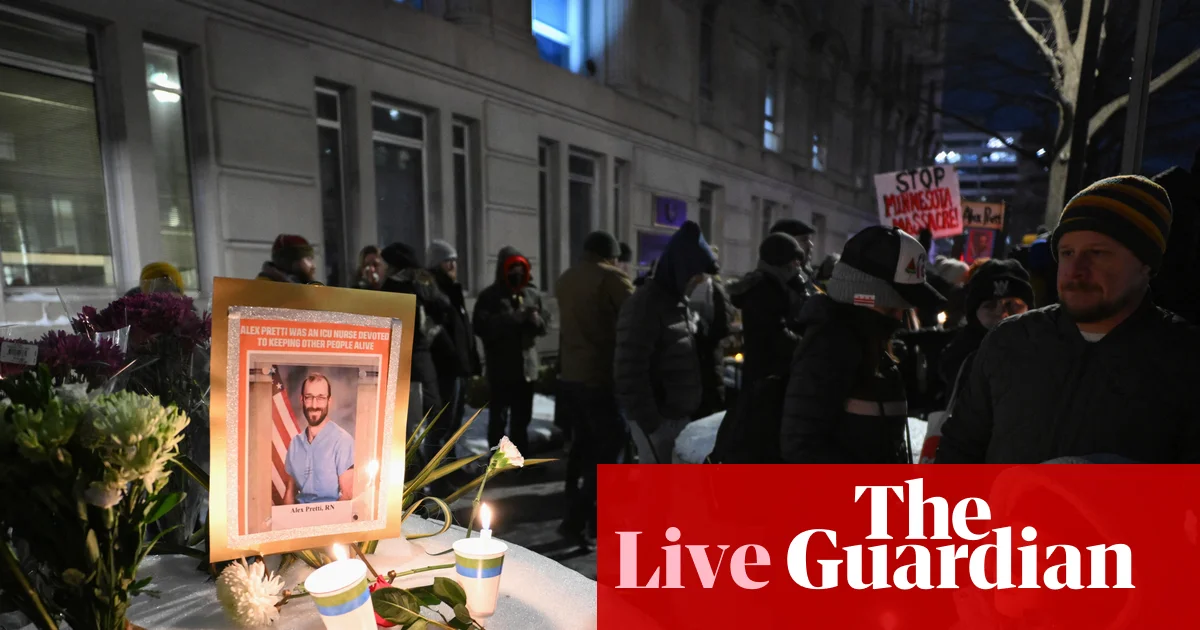
Border Chief Promises ICE Improvements, Keeps Quiet on U.S. Citizen Shootings — Live Update on Minnesota ICE Incidents

In an era defined by shifting geopolitical sands and undercurrents of conflict, the United States continues to grapple with the implications of its immigration policies, both domestically and on the world stage. Under the leadership of figures like Tom Homan, Trump-era border czar, the federal government has maintained a stance of aggressive enforcement, emphasizing “targeted” operations and the assertion that “if you’re in the country illegally, you’re never off the table.” This approach, often characterized by no-holds-barred enforcement tactics, has sparked controversy and raised alarms internationally. Analysts warn that this aggressive posture not only deepens internal societal divisions but also has ripple effects across bilateral relations, especially with neighbors like Mexico and in the broader context of global alliances.

This latest surge in immigration enforcement coincides with increased tensions within Minneapolis following the fatal shooting of Alex Pretti by federal agents, an incident that has sharpened divides and intensified scrutiny of the federal government’s approach. Despite growing public outrage and protests, as witnessed during recent confrontations captured on video, officials such as Homan remain resolute, refusing to specify “improvements” or comment on specific investigations. “We know exactly who we’re looking for,” Homan declared, underscoring the relentless focus of federal agents on targeting *all* undocumented individuals, regardless of their criminal record or civil status. Critics argue that such policies risk dehumanizing vulnerable populations and escalating civil unrest, further complicating the already fragile rule of law within American jurisdictions.

Geopolitical Impact: A World Divided Over Sovereignty and Security

The unfolding situation in Minnesota and other states exemplifies how internal policy decisions can have profound geopolitical impacts. America’s stance on immigration, reinforced by directives from officials like Homan, signals a tough-on-immigration posture that resonates globally. Countries like Mexico and European nations watch with concern as the U.S. tightens border security and ramps up enforcement actions, often at the expense of diplomatic goodwill. The Biden administration, while attempting to soften some policies, faces mounting pressure from political factions demanding a line in the sand. Experts from think tanks and international organizations warn that prolonged enforcement crackdowns, especially when accompanied by violence and civil unrest, could destabilize regional security, increase refugee flows, and threaten global economic stability.

Meanwhile, the international community’s response remains mixed. While some nations criticize the U.S. for human rights violations, others, especially those facing their own migratory crises, look to Washington’s policies as a cautionary tale or even a blueprint. The United Nations and human rights advocates warn that the U.S. approach risks fostering a climate of fear and intolerance. In the global arena, the perception that the U.S. is prioritizing aggressive immigration enforcement over diplomatic cooperation can weaken alliances — including NATO — which already seemed shaken by rifts over policies such as Trump’s threats to impose tariffs on European allies and his ambitions over Greenland. How these internal policies shape perceptions and alliances will undoubtedly determine the geopolitical landscape for decades to come.

Reshaping Domestic Politics and Society

Within the American political arena, these enforcement actions and incidents like the Minneapolis shootings have catalyzed debates over sovereignty, civil rights, and the future of immigration reform. The recent announcement by Senator Amy Klobuchar of her bid for California governor and the rise of moderate figures like Matt Mahan reflect a nation at crossroads—one divided sharply along ideological lines over the best course of action. The relentless discourse around immigration has also seeped into local elections, with candidates blaming violence and social decay on federal policies, and promising to restore order and civility. Analysts warn that unless a decisive shift occurs, America’s internal divisions could deepen, leading to an unstable socio-political landscape that might result in further civil strife and international consequences, reminiscent of Cold War-era power struggles that shaped history.

As the world witnesses these tumultuous shifts, history eyes America’s next move—will it continue down the path of fierce enforcement and internal conflict, or will it seek a new vision rooted in collaboration and justice? The decisions made today—whether in Minneapolis, Washington, or in international diplomacy—are forging the narrative of an uncertain tomorrow. The odyssey of a nation caught between sovereignty, security, and the universal human quest for freedom is far from over; it remains unwritten on the expansive canvas of history, waiting for its next chapter to unfold in the shadows of a world still learning how to survive and thrive amid conflict and change.

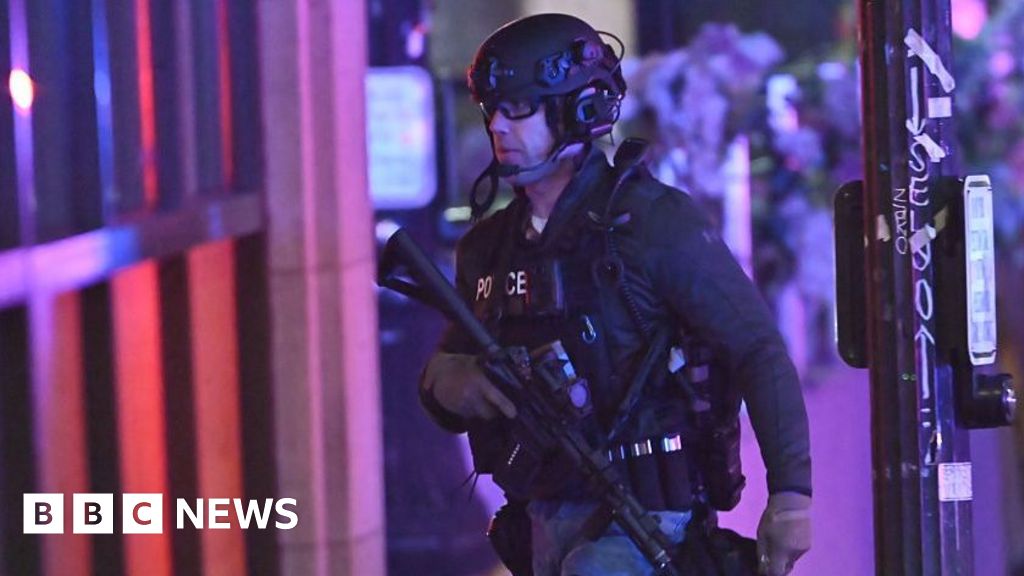
Police Launch Major Manhunt in Wake of Recent Incidents

In an alarming escalation of domestic violence and gun violence, Brown University, one of the United States’ most prestigious Ivy League institutions, became the site of a tragic mass shooting that has sent shockwaves across the nation. The attack, which occurred during a routine examination review session, resulted in the deaths of two students and injuries to nine others, marking yet another distressing chapter in the ongoing crisis of gunman violence in America. This incident underscores the persistent inability of federal and state authorities to stem the tide of firearm-related tragedies, a challenge that continues to shape America’s internal stability and its image abroad.

The shooter, described merely as a male dressed entirely in black and possibly in his 30s, remains at large amid an extensive police operation. Despite the release of surveillance footage and multiple witness reports, authorities have found no weapon in the building so far, and the suspect’s motives remain unclear. The attack took place within the walls of the Barus and Holley engineering building, a施設 famed for its laboratories and academic rigor, with the incident occurring during final exams—a shattering blow to the institution’s sense of security. U.S. President Donald Trump responded to the tragedy with a call for prayers, but many analysts argue that the incident exemplifies a deepening national crisis, one that threatens the fabric of civic order and security.

Beyond its immediate impact, this event raises critical questions about how the United States manages its internal conflicts and societal divisions. Experts like Harvard historian Heather McGowan warn that such acts of violence are symptomatic of broader societal fissures—economic inequality, political polarization, and cultural clashes—that fester when national policy fails to address them effectively. This incident could possibly influence international perceptions of U.S. stability, complicating the Biden administration’s attempts to project strength and moral authority on the world stage. From an international viewpoint, the United States continues to grapple with its reputation as a global leader—an image continuously tested by internal chaos.

  • Mass shootings like the one at Brown University have become disturbingly routine, with the Gun Violence Archive reporting 389 incidents this year alone—a staggering number that eclipses those in other developed nations combined.
  • Government inaction on gun regulation, coupled with a proliferation of firearms, fuels a cycle where mass shootings perpetually threaten social order and public safety.
  • Analysts argue that these events weaken America’s soft power, inviting international criticism and fear, especially among allies and adversaries who observe the nation’s inability to curb its own internal crises.

The ongoing manhunt, backed by a coalition of federal and local law enforcement, reflects a nation on edge—struggling to restore trust, protect its citizens, and reconcile its internal conflicts. As the world witnesses yet another incident of senseless violence, historians ponder whether America’s failure to confront its mounting gun problem signals a turning point—the moment when internal discord manifests irreparably on the global stage. The aftermath of this tragedy will undoubtedly shape policies, societal attitudes, and international perceptions, leaving an indelible mark on the pages of history. As Providence remains tense and vigilant, the question lingers in the air: how long before the next chapter of this unfolding crisis is written? The weight of history presses heavily on this moment, signaling a time when the world must brace for the consequences of internal chaos disguised as national normalcy.

Social Media Auto Publish Powered By : XYZScripts.com



