Matox News

Truth Over Trends, always!

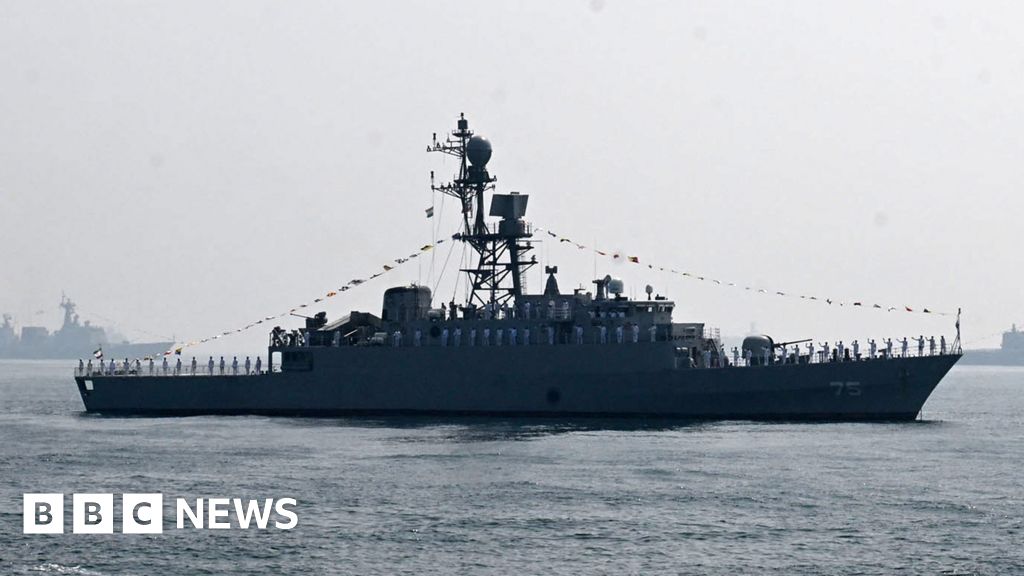
U.S. Sub Sinks Iranian Warship in Indian Ocean, Hegseth Declares

The recent sinking of a Sri Lankan military vessel near the country’s southern coast has sent shockwaves through the international community, highlighting the fragile state of security and confidence within the region. According to Sri Lanka’s navy, approximately 140 individuals are feared missing after the vessel went down in turbulent waters—a loss that not only underscores the ongoing risks faced by maritime forces but also signals deeper geopolitical currents at play. This incident, while tragic on a national level, reverberates far beyond the island nation, touching upon regional stability, international maritime security, and the shifting balance of power in the Indian Ocean.

Historically, Sri Lanka has occupied a strategic crossroads, with its location at the heart of major trade routes connecting the East and West. Recently, increased foreign interest and investments—particularly from China and India—have intensified the geopolitical chess game. Chinese naval ambitions, exemplified through initiatives like the One Belt, One Road project, have prompted concern among Western allies and regional powers alike, who view this activity as a potential challenge to their influence. The sinking incident, therefore, carries multifaceted implications: it could be a tragic accident, or it could further heighten suspicions of militarization and external interference in Sri Lanka’s sovereignty.

International organizations and security analysts have closely monitored the incident, with many emphasizing the importance of transparency and thorough investigation. Professor James Miller, a regional security expert at the International Institute of Strategic Studies, notes that “such tragedies often serve as turning points, exposing underlying vulnerabilities in maritime safety and regional cooperation. This moment demands a concerted international response to prevent further escalation and to restore faith in maritime stability.” The loss of life and the potential for this incident to ignite regional tensions underline how, in an increasingly interconnected world, military mishaps are rarely isolated events—they can act as catalysts ushering in broader conflicts or diplomatic realignments.

The United Nations and regional bodies are now called to play crucial roles in mediating investigations and encouraging diplomatic dialogue. However, critics warn that underlying issues, such as disputes over territorial waters and access to maritime resources, complicate efforts to establish a cohesive regional security framework. How nations respond in the coming weeks will substantially influence the trajectory of the Indian Ocean’s geopolitical landscape, an area that remains a flashpoint of tensions involving superpowers eager to secure their strategic interests. As history reminds us, every maritime accident in this volatile theatre could be the precursor to larger conflicts—an ominous reminder that peace in these waters is delicate, and the costs of miscalculation are unimaginably high.

In this unfolding narrative, the sinking off Sri Lanka’s coast symbolizes not only a human tragedy but also a stark warning about the turbulent forces shaping the 21st-century geopolitical order. As the world watches, the fate of these 140 missing sailors—and the decisions made in the shadows of diplomacy—will indelibly influence the course of history. Will this incident serve as a catalyst to forge a safer maritime environment, or will it deepen existing divides and ignite new conflicts? The pages of history continue to turn, with each chapter writing itself in the blood and ash of this still-unfolding tragedy.


Indian research shows music speeds healing even under anesthesia

In a world where geopolitical stability often hinges on economic strength, military power, and diplomatic influence, recent developments in the realm of international health and technological innovation serve as a stark reminder of how decisions in one sector can ripple across nations. A compelling example emerges from India, where groundbreaking research at Maulana Azad Medical College has shed light on the subtle yet profound impact of musical intervention during surgeries. This seemingly modest discovery could herald a new paradigm—reducing drug dependency in operating theatres worldwide and possibly lowering the healthcare burden for developing countries, ultimately affecting global health policy and economic stability.

Meanwhile, across the Atlantic and in Europe, the global scene grows increasingly tense as geopolitical competitors vie for influence, often leveraging strategic alliances and regional conflicts. Under the shadow of ongoing conflicts, such as the Ukraine crisis and tensions in the South China Sea, international institutions face mounting pressure to maintain stability without escalating hostilities. These crises serve as a stark warning: decisions made in distant theatres of conflict may deeply influence economic markets, global security, and even technological partnerships. Analysts warn that ongoing disputes threaten to fragment the international order, forcing nations to reassess their strategic alignments and defense postures in a multipolar world.

Within this web of shifting alliances and regional conflicts, the United States and China emerge as central actors, each vying to cement their influence through trade, technology, and military preparedness. Institutions like the United Nations emphasize diplomacy, yet the reality remains that power politics are increasingly characterized by a competition for technological mastery and economic dominance. As AI developments, cyber capabilities, and emerging markets grow in importance, so too does the importance of aligning national interests with broader geopolitical strategies. It is clear from the perspectives of international analysts and historians that this era is shaping up to be one of the most pivotal since the Cold War, with repercussions that could determine the global order for decades to come.

In this unfolding chapter of history, the delicate balance of peace and conflict is often dictated not just by treaties or military might, but by capacity to innovate, adapt, and influence societal perceptions on a global scale. As nations grapple with the long-term effects of recent upheavals and scientific breakthroughs—such as the integration of music into anesthesia care—the world stands at a crossroads. Will humanity harness its collective resources to promote stability and prosperity, or will the chaos of competing interests lead to an irreversible fracture of the world order? The answer lies in the choices that policies, leaders, and societies make now—decisions that echo through the corridors of history, their weight still unfolding, as the future of the world hangs precariously in the balance amidst the ongoing march of history’s relentless tide.

Indian players make history at ICC Women's Cricket World Cup—youth-led triumph!
Indian players make history at ICC Women’s Cricket World Cup—youth-led triumph!

In a historic milestone that resonates far beyond cricket fields, the Indian women’s cricket team secured its first-ever World Cup victory, a triumph that symbolizes the perseverance of humble beginnings against insurmountable odds. Over nearly five decades since their international debut, these women’s stories embody a narrative of grit, resilience, and societal shifts—a testament to rising empowerment amid traditional constraints. Such victories are not just athletic achievements; they are seismic geopolitical impacts, challenging regional stereotypes and inspiring a generation of young women in India and across the globe. These athletes, many from remote villages, have redefined the boundaries of possibility, reshaping societal expectations about gender, ambition, and national pride.

The team’s arduous journey highlights a broader Iinternational shift, where nations observe the rise of women’s sports as a mirror to societal progress. Analysts from the Council on Foreign Relations emphasize that such victories serve as cultural milestones, fostering a sense of national unity and demonstrating that progressive reforms in education and gender equality can be championed through sports diplomacy. Their resilience echoes a legacy carved from sacrifice—fathers working tirelessly, families supporting from humble homes, and mentors who overlooked skeptics. This wave of empowerment, amplified by victories like India’s win, signifies a potential geopolitical realignment. It signifies a shift where traditional powerhouses are challenged not only militarily or economically but through cultural and social domains, as emerging nations demonstrate their capacity to excel on the global stage.

Central figures in this unfolding narrative are women like Harmanpreet Kaur, whose rise from Punjab’s modest surroundings to captaincy underscores how decisions—such as a supportive family and community—affect entire societies. Her father sold milk from buffaloes, yet never discouraged her pursuit of cricket, embodying a cultural paradigm shift: empowering women through unwavering familial support. Similarly, Amanjot Kaur and Radha Yadav exemplify resilience—torn from modest backgrounds, yet rising through dedication and belief. Analysts highlight that these stories serve as critical turning points in gender equality globally, prompting societal reflection on entrenched stereotypes and stereotypes, and the importance of nurturing talent regardless of gender or origin. These athletes’ achievements are more than trophies; they are ripples that threaten old hierarchies, signaling a new sovereignty of female empowerment rooted in perseverance and societal evolution.

As history continues to unfold, the triumph of India’s women’s cricket team leaves the world at a crossroads: will nations recognize and emulate this spirit of resilience? Will the international community embrace these victories as catalysts to redefine gender roles and societal expectations? The stakes extend beyond borders—these stories are chapters in a larger narrative about human potential and societal transformation. The weight of these pivotal moments echoes through corridors of power and into the homes of millions, reminding us all that history is not a static record but a living, breathing story of progress, struggle, and hope. Indeed, as the shadows of the past give way to the dawn of a new era, the game has changed—not just on the pitch, but in the very soul of global society.

NVIDIA, Qualcomm Team Up with US & Indian VCs to Power India’s Next Deep Tech Wave

India’s Deep Tech Ecosystem Gets a Major Boost with US-India Coalition

In a significant move toward disruption of traditional markets and the acceleration of technological sovereignty, major players like NVIDIA and Qualcomm Ventures have joined forces with leading Indian venture firms to bolster India’s deep tech startup scene. Launching in September with over $1 billion in commitments, this coalition signifies a strategic pivot aimed at fostering innovation in areas such as satellite technology, semiconductor design, and quantum computing. Known for transforming industries through breakthroughs like AI accelerators and advanced chipsets, NVIDIA’s involvement as a strategic advisor—without direct funding—underscore the increasing importance of technical mentorship and ecosystem validation.

Indian startups have already demonstrated remarkable growth, boasting over 180,000 enterprises and more than 120 unicorns, yet a gap persists in capital dedicated to *fundamental infrastructure-scale innovations*. These ventures require long-term investments, often facing reluctance from risk-averse venture capitalists favoring proven, lower-risk models. This market gap is crucial for future global leadership and technological sovereignty, especially as major economies race to dominate core sectors such as biotech, space tech, and AI. The latest alliance, led by the India Deep Tech Alliance (IDTA), aims to fill this void by integrating capital, mentorship, and access to networks for startups involved in these high-impact domains.

Strategic Partnerships and Policy Acceleration

  • Participation from top U.S. and Indian investors, including Accel, Blume Ventures, and YourNest Venture Capital.
  • NVIDIA’s contribution as a technical guide will facilitate best practices in AI and accelerated computing deployment.
  • Qualcomm Ventures extends beyond funding to help startups leverage their internal expertise and network, emphasizing business disruption at the infrastructure level.
  • The Indian government’s recent ₹1 trillion (approximately $12 billion) Research, Development, and Innovation (RDI) scheme aims to empower long-term projects in key sectors like space, quantum, and biotechnology, positioning India as a burgeoning epicenter of deep tech innovation.

Experts such as Elon Musk and Peter Thiel have long emphasized the importance of building an ecosystem capable of sustaining disruptive innovation. The coalition’s strategy aligns with this vision, recognizing that *role models and substantial investment* are necessary to propel India into a new era of high-tech manufacturing and innovation. The alliance’s collaborative policy efforts could catalyze India’s emergence as a global hub for frontier technology, challenging incumbents in Silicon Valley and Shenzhen.

Implications for the Global Tech Landscape

While India’s deep-tech funding rose 78% year-over-year to $1.6 billion in 2024, disparities with mature markets remain stark. The new coalition and India’s proactive government initiatives could serve as catalysts to bridge that gap, drawing increased global capital and corporate interest. As MIT researchers note, ecosystems built on a foundation of strategic mentorship and long-term vision tend to produce market-changing companies within a decade. The current momentum indicates a potential surge in Indian-based, science- and tech-heavy firms that will become mainstays on global exchanges.

This shift signals a time-sensitive race for technological leadership; companies and nations that act decisively now will shape the future of innovation and economic power. With the participation of industry giants like NVIDIA and Qualcomm, combined with supportive government policies, India is poised to become a dominant player in the emerging frontier sectors. Tech entrepreneurs and investors alike must recognize that **the next wave of industry disruption is already under way**, and strategic engagement today will determine who leads tomorrow.

Revolut targets Indian banks’ ‘criminal’ forex fees, challenging the old guard

Revolut Ignites Fintech Disruption in India’s Cross-Border Payments Market

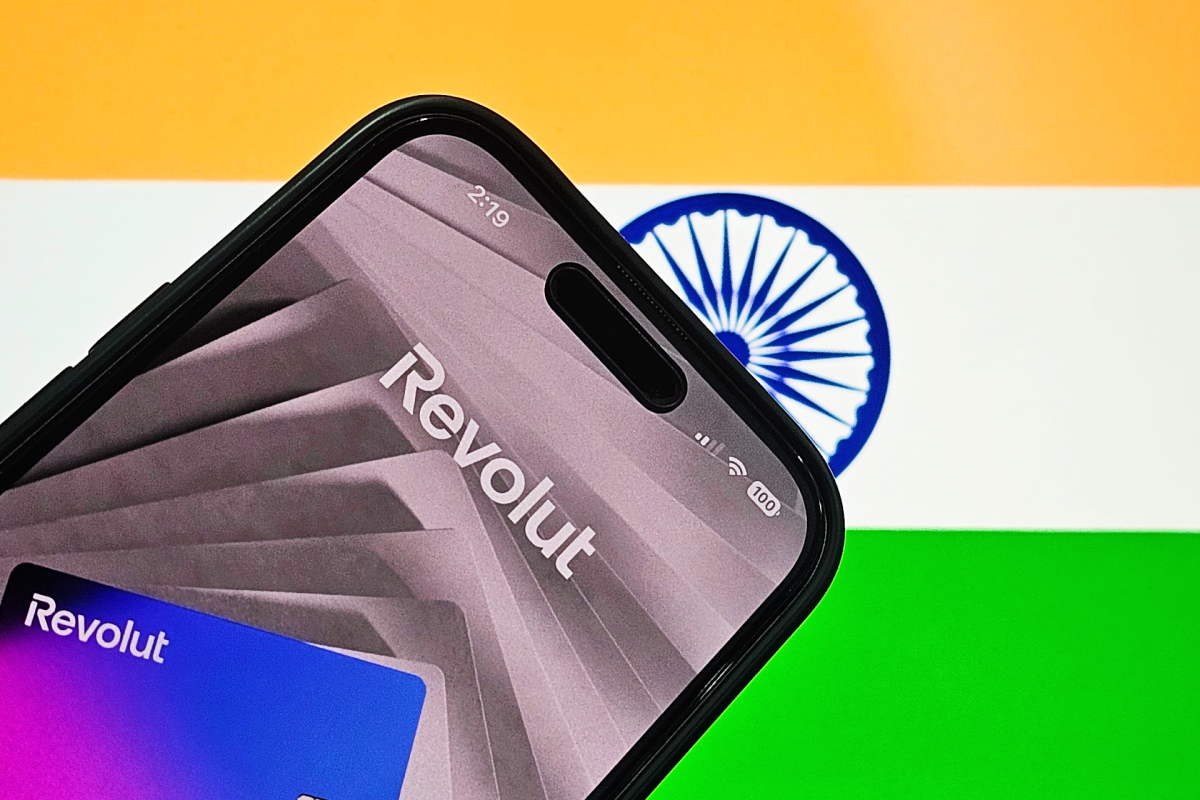
In a bold move to reshape India’s underserved cross-border payments landscape, British fintech powerhouse Revolut has officially launched operations in the country, aiming to capitalize on a $30 billion annual flow of Indian abroad. The company’s strategic entry underscores a significant industry shift driven by innovation and regulatory agility, positioning it to challenge deeply entrenched banking giants and local fintech rivals.

Since announcing its India plans in 2021, Revolut has diligently secured key regulatory licenses, including the full authorization from the Reserve Bank of India to issue prepaid cards and digital wallets, and has acquired local entities like Arvog Forex to solidify its foothold. These milestones mark a deliberate disruption of traditional banking models that have historically dominated foreign exchange services, often charging exorbitant fees that Revolut’s India Head, Paroma Chatterjee, aptly describes as “criminal.” With these permits, Revolut can now offer domestic and international payment services, including same-day remittances, positioning itself as a formidable player in a market where cross-border fees are often perceived as predatory.

The implications extend beyond mere fee reduction; Revolut’s innovative platform leverages multi-currency accounts, digital wallets, and local network integrations, including discussions with payments networks like Visa and India’s RuPay. By doing so, the company aims to deliver a superior customer experience—an essential factor highlighted by industry analysts such as Gartner—that directly threatens traditional banks’ monopolistic hold on currency exchange and remittance services. The disruption here signals the dawn of a new fintech era, where transparency, usability, and regulation enable faster, cheaper international transactions.

Business Strategy and Market Outlook

Revolut’s vision centers on targeting over 150 million digitally native Indians aged 25–45, with a stretch goal to onboard 20 million users by 2030 and process upward of $7 billion in transactions. This strategic focus reflects a broader industry trend where digital-first financial services prioritize highly engaged, profitable customer segments rather than sheer volume. Chatterjee emphasizes that “customer engagement and profitability are the metrics that will define success,” a viewpoint shared among leading fintech innovators like Peter Thiel, who advocate for sustainable, value-driven growth over vanity metrics.

Furthermore, Revolut’s current waitlist of more than 350,000 potential Indian users underscores the latent demand for alternative, more affordable cross-border solutions. The company’s flexible network approach, including exploring local payment options such as RuPay, underscores its commitment to capturing market share in a competitive environment populated by established fintech players like Niyo and BookMyForex. This demonstrates an understanding that strategic partnerships and local inclusion are essential for long-term viability in India’s complex regulatory and consumer landscape.

Future Outlook and Industry Impact

The rapid digital transformation reshaping financial services calls for aggressive innovation, a trend further accelerated by the rise of fintech startups globally. As industry leaders and investors watch closely, Revolut’s expansion into India exemplifies a broader disruption that could permanently alter the way cross-border payments are handled worldwide. With its proactive investment of over $45 million to localize operations and a burgeoning team of 3,500 employees in India, Revolut signals a breakaway from the traditional banking approach.

Looking ahead, the industry faces a critical juncture where regulatory evolution, technological innovation, and fierce competition will determine which players can claim dominance in the next generation of financial services. As Elon Musk and other visionaries continuously push the boundaries of digital disruption, the message is clear: the days of slow, fee-laden international transactions are numbered. For fintech firms and traditional banks alike, the clock is ticking—those who fail to innovate risk obsolescence in a rapidly shifting global landscape.

Indian court orders doctors to get their handwriting right—common sense for future generations

India’s Court Crusade Against Illegible Prescriptions: A Wake-Up Call with Global Ramifications

In recent months, India has spotlighted a critical issue that resonates far beyond its borders: the peril of illegible medical handwriting. The Punjab and Haryana High Court issued a landmark order emphasizing that a legible medical prescription is a fundamental right—not a mere matter of aesthetics, but a vital safeguard for patient safety. This judicial stance underscores a broader, urgent global concern: how the failure to standardize and digitize prescriptions can have deadly consequences. Experts and health authorities in various countries recognize that the age-old problem of ruined handwriting is not just a humorous anecdote but a serious medical risk that demands international attention.

The core of the issue became painfully clear in India when Justice Jasgurpreet Singh Puri criticized a medico-legal report rendered by a government doctor for being entirely unintelligible, which he remarked could mean the difference between life and death. Despite advances in technology, some government physicians still rely on handwritten prescriptions, often impossibly difficult to decipher. Accurate, clear communication between doctors and pharmacists is a cornerstone of patient safety, and neglecting this standard has historically led to medical errors, preventable deaths, and tragic outcomes. Studies from the United States and the United Kingdom reveal that poorly written prescriptions contribute to massive medical errors, with one report estimating that in the US, over 7,000 deaths annually are directly linked to handwriting-related errors—a statistic arguably underreported in countries like India.

While India’s health system faces unique challenges—overcrowding, resource limitations, and cultural habits—this order signals a necessary global shift. Countries worldwide are increasingly moving towards **digitized prescriptions** to reduce ambiguity. International organizations and health authorities, including the World Health Organization (WHO), advocate for mandatory electronic health records and digital prescribing systems, emphasizing that such technology could cut medication errors by up to 50%. Countries like Scotland have already embarked on large-scale rollouts of such systems, dramatically reducing harm. However, in rural and underserved regions, handwritten prescriptions persist, perpetuating the risks and highlighting the importance of digital literacy and infrastructure investments—a challenge not unique to India but present across developing nations.

Historically, the unassuming scrawl of a doctor has caused death and injury, and the danger persists. The 1999 Institute of Medicine report in the US revealed that at least 44,000 preventable deaths occur annually due to medical errors—including poorly written prescriptions. Critical voices warn that in a hyperconnected world, such risks should be unacceptable. As historians and analysts observe, these small but deadly lapses serve as stark reminders of where negligence and outdated practices intersect with technology and human lives. This latest judicial ruling from India is more than a national story; it’s a clarion call for global healthcare systems to prioritize clarity, transparency, and technological modernization. How nations choose to address this issue—through policy, innovation, and education—will shape the course of healthcare safety for generations.

As the threads of global health, technology, and law weave together in this unfolding story, history’s weight presses heavily on the shoulders of policymakers and practitioners worldwide. The silent tragedy of unreadable prescriptions persists—yet it is within this silence that the echoes of change are stirring. The question remains: will the world heed the urgent warnings and act decisively, or will we allow the pages of history to continue turning, with lives, perhaps, hanging in the margins of illegibility?

Social Media Auto Publish Powered By : XYZScripts.com