
Former FBI Director James Comey’s Legal Troubles Spark Political and International Repercussions
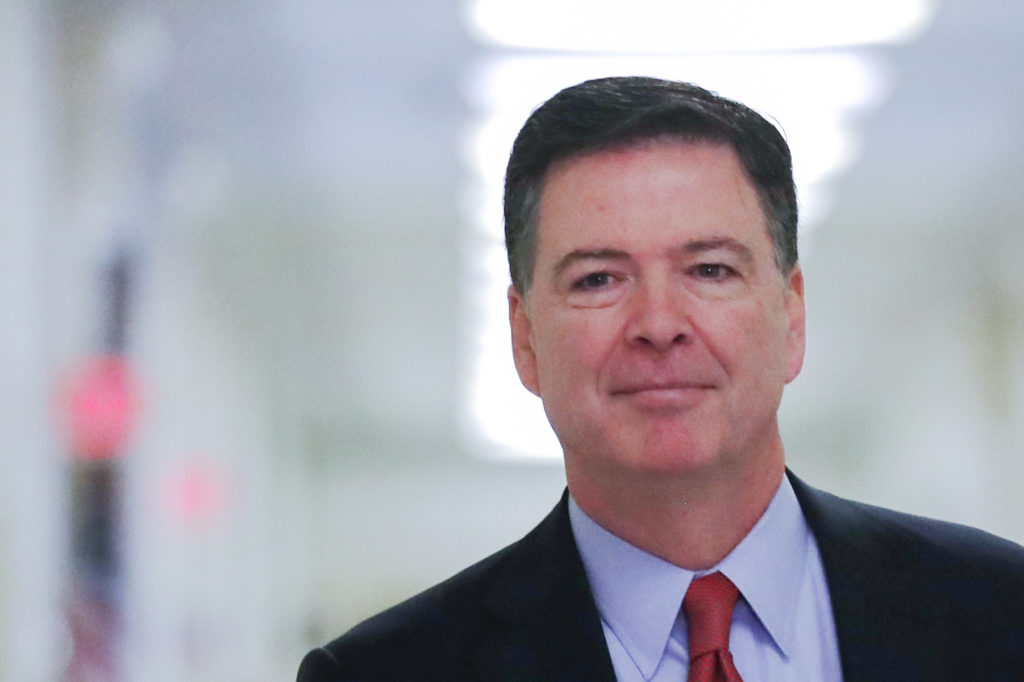
In a development that reverberates through the corridors of power in Washington and beyond, James Comey, the former FBI Director who once played a pivotal role during the tumultuous years of the Trump administration, has been formally charged with making false statements during a 2020 Senate hearing. While Comey insists on his innocence, the indictment signals a deliberate attempt by the current political establishment to hold accountable figures associated with the previous administration’s controversial tactics.
This legal action is not merely an internal US matter; it has significant geopolitical implications. The case garners attention from international analysts who observe how it fits into a broader narrative of American political stability and institutional integrity. Critics argue that the pursuit of Comey is emblematic of the ongoing partisan battles that threaten to undermine confidence in U.S. legal systems. Meanwhile, President Donald Trump has publicly supported the charges, framing them as validation of longstanding claims of political bias against him. Trump’s rhetoric underscores how internal U.S. conflicts march onto the world stage, influencing diplomatic relations and America’s image as a bastion of the rule of law.
From Allies to Foes: The Evolving Relations Between Trump and Comey
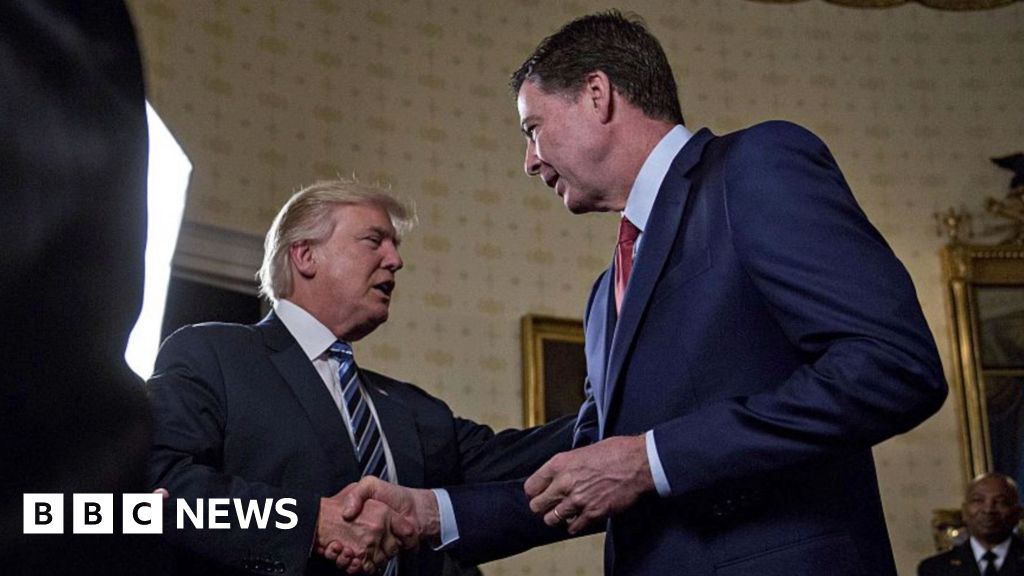
Historically, the relationship between Trump and Comey was marked by high-profile confrontations and complex alliances. Once, President Trump publicly expressed admiration for Comey, calling him a “career man,” but that rapport quickly dissolved amid revelations of FBI investigations into political sensitive topics. The BBC’s Bernd Debusmann highlights that the souring of their relationship exemplifies broader shifts within U.S. politics—shifts that resonate on an international level. As analysts dissect the fall from grace, some international observers see patterns of power struggle and institutional friction that are now characteristic of American governance in the 21st century.
According to geopolitical experts and historians, these internal conflicts are not isolated phenomena—they reflect and influence how nations perceive American sovereignty and stability. The United States, long regarded as a beacon of democracy, faces questions about its internal cohesion and the legitimacy of its legal processes, especially as political figures leverage criminal proceedings to advance their agendas. The unfolding drama surrounding Comey’s indictment may serve as a turning point, shaping how foreign nations and economic partners interpret American political resilience in an era of global instability.
Implications for Global Power Dynamics and Civil Society
- Emerging alliances and rivalries are affected as nations observe the US internal strife. Countries such as China and Russia perceive internal chaos as an opportunity to advance strategic interests, often criticizing the U.S. as lacking stability and coherence.
- European allies watch closely, questioning whether emerging domestic crises threaten America’s commitments to NATO and international agreements, including the Transatlantic Trade and Investment Partnership.
- Meanwhile, the broader international legal community debates what this case reveals about accountability, transparency, and the rule of law amid political upheaval.
As historians and analysts analyze the trajectory of this drama, the question remains: Will this internal conflict serve as a catalyst for constitutional renewal or further erosion of democratic norms? The decisions made today by individuals and institutions could redefine the global order, echoing through history with profound consequences. The ongoing saga of Comey’s indictment is not merely a chapter in American politics but a reflection of a world grappling with upheaval—where the balance of power is shifting, and the weight of history waits silently on the horizon.