Matox News

Truth Over Trends, always!

UK Grocery Prices Jump Unexpectedly as Experts Warn of More Inflation Ahead

Global Geopolitical Shifts and Their Impact on Economy and Society

The world finds itself at a pivotal point, where geopolitical decisions are beginning to reshape the economic landscape and societal fabric of nations. Recent developments highlight a tense international climate, with conflicts in the Middle East threatening to unleash a cascade of economic repercussions that extend well beyond regional borders. Analysts and historians warn that prolonged instability in this volatile region could trigger a surge in energy prices, ultimately undermining the fragile recovery of global markets. The European Central Bank’s chief economist recently underscored these concerns, emphasizing that a “substantial spike” in inflation is probable if the conflict persists, driven by a potential disruption of oil and gas supplies. Such disruptions would not only ignite inflationary flames within the eurozone but could also lead to a *sharp drop in output*, exacerbating economic hardship for ordinary citizens.

The geopolitical impact is profound, as energy security has emerged as a critical vulnerability. The ongoing crisis has already caused oil and gas prices to skyrocket, placing immense pressure on both national economies and households. In the United Kingdom, this energy crisis manifests through escalating household bills and a squeeze on consumer spending, illustrating how decisions made in distant conflict zones ripple into the daily lives of millions. International organizations such as the International Energy Agency have warned of a prolonged conflict’s capacity to destabilize supply chains, with some experts predicting that the effects could last for years, dragging the world’s largest economies into sustained austerity or recession. Historically, similar scenarios—like the 1973 oil crisis—serve as stark reminders of how geopolitical conflicts have long shaped economic trajectories and societal realities, often leaving a legacy that influences international relations for decades.

Economic Consequences and Social Shifts

  • Increased living costs, with groceries becoming more expensive, as rising inflation impacts food prices worldwide.
  • Decline in consumer confidence, prompting shifts in spending patterns—from luxury spending to basic necessities—highlighting societal stress and adaptation.
  • Growing online commerce, which, despite representing only 13% of total grocery sales, signals a transformation in shopping habits accelerated by inflation and the pandemic-era shift toward digital.

Recent reports from market research firms reflect these trends, showing a notable surge in online grocery shopping—up 9.7% year-on-year—indicating that consumers are increasingly turning to digital avenues in response to economic strain. Meanwhile, traditional brick-and-mortar stores like Asda and Co-op experienced drops in sales, confirming a shift away from physical retail. The rising costs are visibly shaping consumer behavior, with data revealing that shoppers are often delaying or reducing discretionary spending, yet still splurging on special occasions like Valentine’s Day and Easter. These moments of consumer resilience underscore how social customs endure even amid economic hardship, but they also foreshadow longer-term shifts as inflation continues to gnaw at household budgets.

From the perspective of international analysts and historians, these collective factors—conflict, energy insecurity, inflation, and social adaptation—are weaving the fabric of a new global era. As the world watches these unfolding events, each decision made in diplomatic halls or crisis zones carries weight beyond immediate outcomes, echoing through financial markets, political stability, and the daily lives of billions. The pressing question remains: how will nations navigate this storm? The answer will likely define the course of history for generations. Ultimately, amid the chaos and uncertainty, the resilience of societies will be tested. The choices that leaders make today could either usher in an era of renewed strength or plunge the world into deeper turmoil—a testament to how intertwined our fates truly are.


Growing hints of rate hike as Australia’s inflation hits 3.8%—what it means for the youth and your wallet

Global Economic Tensions Rise as Australia Faces Inflation Surge

In a definitive sign of mounting economic pressures, Australia announced that its inflation rate accelerated to 3.8% in the year ending December, up from 3.4% the previous month. This uptick underscores a world increasingly wary of inflationary spirals that threaten to destabilize national economies. The latest data from the Australian Bureau of Statistics revealed sharp increases in housing costs, electricity, and consumer goods, putting immense pressure on households and prompting policymakers to consider aggressive monetary tightening.

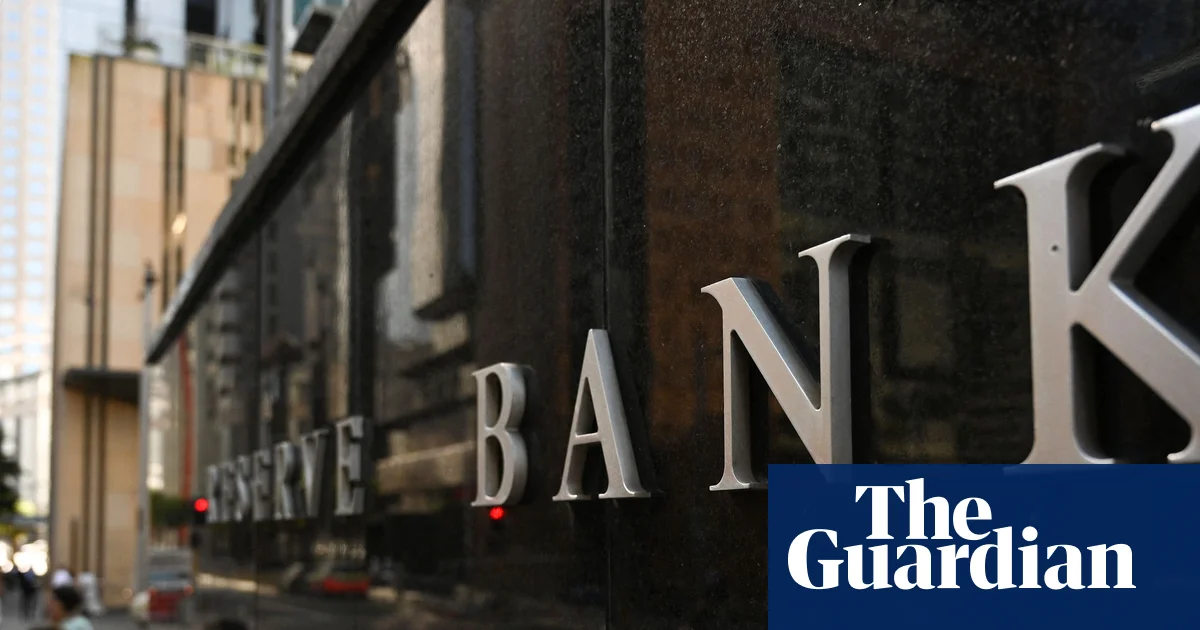
The inflation spike has prompted a swift response from the Reserve Bank of Australia (RBA), which is poised to raise interest rates at its upcoming decision—marking the first such move since November 2023. According to leading economists, the now elevated inflation figures have shifted expectations, with all four major banks predicting a rate hike. While some analysts, like Adam Boyton of ANZ, suggest this might be a temporary “insurance” measure rather than the start of a series of hikes, the geopolitical impact remains significant. Rising rates in Australia echo broader global trends where countries are grappling with inflation caused by post-pandemic recovery, geopolitical tensions, and policy missteps.”

How Inflation and Policy Shifts Reshape The< u>global economic landscape

  • In Europe, inflation rates are also climbing, forcing the European Central Bank to consider tightening monetary policy—potentially affecting trade and investments worldwide.
  • In North America, the U.S. Federal Reserve has already begun tapering measures, but persistent inflation continues to challenge its strategies.
  • In emerging markets, rising U.S. interest rates have led to capital outflows and currency depreciation, heightening social unrest and economic instability in vulnerable societies.

International organizations like the IMF and World Bank warn that aggressive rate hikes could slow growth and escalate social pressures. Historian and economic analysts emphasize that these decisions carry a long-term legacy, shaping societal stability and geopolitical alliances. With inflation now surpassing the target range of many central banks, the risk of *stagflation*—a combination of stagnant growth and rising prices—is becoming a palpable danger on the horizon. Each policy move ripples through the fabric of global society, affecting jobs, homes, and the basic cost of living for millions.

The Broader Geopolitical Impact

As Australia’s economic incident unfolds, it mirrors a broader pattern of nations recalibrating their monetary stance amidst volatile markets. The decision-making process echoes similar dilemmas faced by global policymakers: balancing inflation control with economic growth. Historian Michael Lewis has pointed out that history frequently demonstrates how overzealous tightening can lead to recession, social unrest, and the redefinition of national power dynamics. Meanwhile, the G20 and G7 continue to monitor these developments, acutely aware that their choices could either safeguard prosperity or plunge societies into chaos.

Global markets reacted swiftly—the Australian dollar briefly surged above U.S.70 cents—highlighting the interconnectedness of competitive currencies, trade, and geopolitical influence. How nations respond to inflation will determine the trajectory of world power balance for decades to come. As the IMF warns of potential slowdown and the World Bank assesses rising debt burdens, a delicate dance unfolds—one that may well decide whether history records this era as a turning point or a descent into prolonged turmoil.

In the end, the ongoing battle against inflation in Australia and across the globe is more than economic numbers; it is a reflection of societal resilience, political will, and the enduring struggle for stability amidst chaos. The decisions taken now—by central banks, governments, and international institutions—are reshaping the landscape of international power, with the shadows of today’s choices stretching long into an uncertain future. The echoes of history remind us: in this fragile balance, the weight of the future rests heavily on what is decided today, and the stories of tomorrow remain unwritten in the unfolding fabric of history.

UK inflation cools for first time in five months to 3.6% ahead of crunch budget

In a notable development, the United Kingdom experienced a decline in inflation rates in October, marking a crucial moment amid ongoing economic turbulence and geopolitical uncertainty. The Office for National Statistics (ONS) reported that the annual consumer price index (CPI), which measures inflation, fell to 3.6% from a peak of 3.8% earlier in the year. While this reduction certainly offers respite to households burdened by rising costs, experts caution that the broader economic landscape remains fragile. The primary drivers of this decline were decreased gas and electricity prices, influenced by changes in the Ofgem energy price cap, and a drop in hotel prices. Yet, core inflation—excluding volatile food and energy sectors—remained stubbornly high at 3.4%, signaling that underlying price pressures persist.

Under the spotlight, Chancellor Rachel Reeves prepares for her upcoming budget, promising measures to cut living costs and foster economic stability. Her vow to “bring down inflation to smooth the path for the Bank of England to cut interest rates” underscores a strategic shift. Analysts and government officials alike recognize that easing inflation provides an opportunity to recalibrate monetary policy—potentially allowing for a reduction in borrowing costs, which have already been decreased five times since Labour’s ascension to power in July 2024. The Bank of England seems poised to act, with signals suggesting that an interest rate cut as early as next month could be on the table, contingent upon incoming economic data. The delicate balancing act involves tempering inflation without undercutting economic growth, a challenge that many view as a defining test of the UK’s economic resilience.

Despite these promising signs, the UK faces significant external pressures. It continues to register the highest inflation rate among the G7 nations, with recent data highlighting rising food prices—particularly bread, cereals, and meats—placing additional hardship on households. Critics, including the shadow chancellor, Mel Stride, argue that inflation has remained stubbornly above target, leaving working families worse off. The volatile food sector underscores ongoing supply chain issues and geopolitical disruptions, especially in the context of the East-West tensions and trade negotiations that influence global markets. As economists forecast possible rebounds in inflation during the coming months, the overarching risk remains that geopolitical shifts could hinder long-term economic stability. This unfolding drama—part economic, part geopolitical—will determine the course of Britain’s future and shape societal realities for generations to come.

Looking ahead, the crucial question for analysts and citizens alike is whether Britain’s recent economic movements are merely a brief anchor in a storm or the harbingers of a more profound transformation. The decision-makers are walking a tightrope, weighing domestic priorities against a tumultuous international backdrop that includes rising tensions with continental neighbors and global energy insecurities. As history continues to write itself, the fate of the UK’s economy—and perhaps, the stability of the wider Western order—may hinge on the choices made in the coming weeks. The weight of these decisions will echo through future generations, reminding us that even in moments of apparent calm, the currents of history are relentlessly shaping destinies in ways no one can fully predict.

RBA keeps rates steady at 3.6% amid unexpected inflation surge

Global Economic Tensions Rise as Australia Faces Inflation Shock

The recent decision by the Reserve Bank of Australia (RBA) to hold interest rates steady at 3.6% has sent ripples through international markets, highlighting the fragile state of global economic stability. While the monetary policy board’s decision was widely anticipated, the underlying causes—particularly a surprising surge in inflation—offer a stark warning about the complexities faced by national economies in the aftermath of aggressive rate cuts earlier this year. As the RBA maintains its cautious stance amidst rising core inflation, the geopolitical landscape is increasingly influenced by such economic shifts, where the decisions of a single nation can ripple across continents, affecting trade, investment, and geopolitical alliances.

Australia’s Inflation Surge: A Turning Point in Domestic Policy

  • Core inflation in Australia rose to 3% in September, reaching the upper limit of the RBA’s preferred range, signaling an unexpected acceleration not seen since 2022.
  • The headline unemployment rate also increased unexpectedly to 4.5%, amid rising electricity prices—up 9% in a quarter as government energy rebates expired—casting doubt on the sustainability of the nation’s recovery.
  • This inflation spike, coupled with sluggish employment growth, underscores a potential shift in Australia‘s economic trajectory, challenging policymakers’ earlier assurances that rate cuts would support job creation.

According to leading analysts and economists, this unexpected data underscores the uncertainty that now clouds the Australian economy. International institutions, such as the International Monetary Fund (IMF), have warned that persistent inflation can lead to stagflationary scenarios, complicating central banks’ efforts to balance growth with price stability. The RBA’s cautious pause in rate hikes, despite market expectations for further cuts, exemplifies the delicate geopolitical dance of managing internal economic pressures while avoiding escalation into broader regional or international instability.

Global Impact of Regional Policy Decisions

The repercussions of Australia’s economic challenges extend beyond its borders. Investors worldwide are watching closely, especially with financial markets scaling back bets on further rate cuts in the coming months. This shift could influence currency valuations and trade dynamics across the Indo-Pacific and beyond. For instance, rising interest rates in Australia may strengthen the Australian dollar but could simultaneously hinder export competitiveness, affecting regional supply chains and investment flows. Such developments underscore how internal policy shifts are critically intertwined with the broader international political landscape.

Moreover, some analysts warn that the inflation surprise serves as a stark reminder of how national economic stability can influence geopolitical strength. Countries that manage inflation effectively are seen as more resilient and capable of asserting influence in international forums. Conversely, nations burdened by economic turbulence risk weakening alliances and inviting geopolitical opportunism from rivals. The U.S., China, and the European Union are all closely observing these shifts, recognizing that a fragile Australia could be exploited by strategic adversaries or destabilize regional peace.

Concluding Reflections: The Weight of History on the Horizon

As Australia grapples with an inflationary headwind that threatens to undermine its economic recovery, the broader implications for international stability remain profound. Decisions made within the corridors of Canberra resonate through global markets and diplomatic corridors alike. This quiet yet intense conflict between economic growth and inflation is not merely a domestic issue but a chapter in the unfolding narrative of global power struggles and economic resilience. The world watches, knowing that history’s next great turning point may lie just around the corner—when a nation’s economic decision becomes a catalyst for a new era of geopolitical realignment. In the shadows of mounting inflation and shifting alliances, the fabric of international order is being woven anew, with each nation’s fate forever intertwined in the ledger of history.

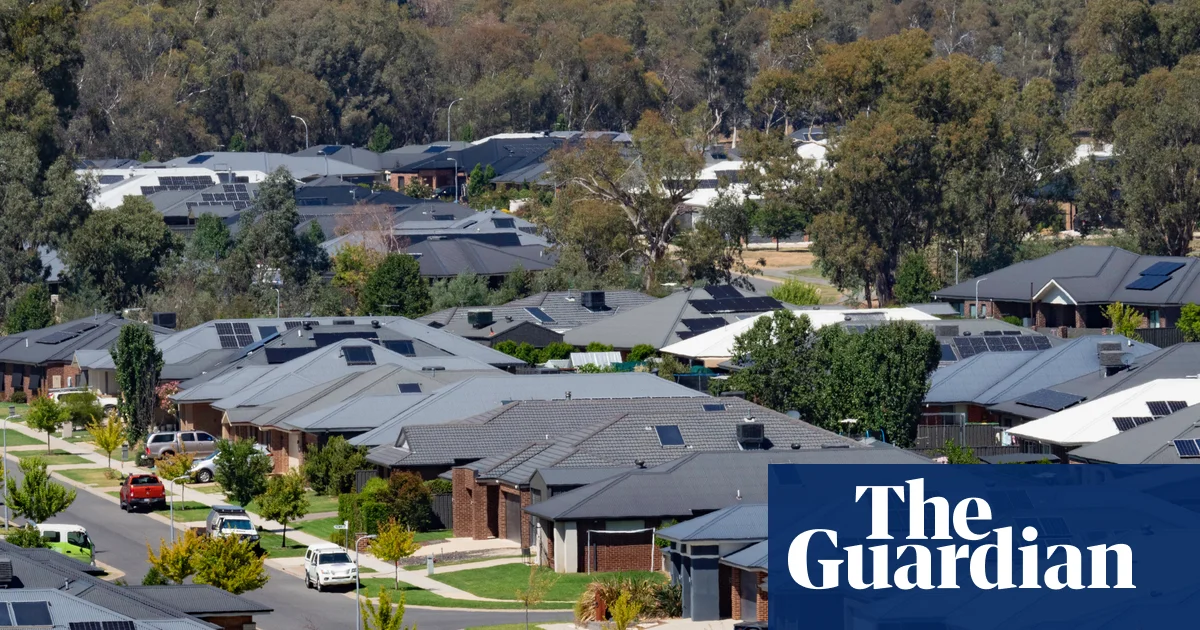
Inflation Hits 3.2%, So No Rate Cut for Homeowners This Melbourne Cup Day

The Rising Tide of Inflation and Its Global Consequences

In an era marked by unpredictable economic tides, Australia’s latest inflation figures signal a turning point that extends well beyond its shores. According to the Australian Bureau of Statistics, inflation soared to 3.2% in the year ending September, climbing sharply from 2.1% in June. This increase, driven primarily by surging electricity prices—up 24%—reflects a broader challenge confronting economies worldwide: the aftermath of waning government subsidies and disrupted supply chains. The revelation confirms a significant shift in the country’s economic trajectory, compelling the Reserve Bank of Australia (RBA) to abandon any hope of rate cuts in the near future.

This escalation has profound geopolitical implications. As the RBA’s preferred measure of underlying inflation points to a rise of 1% over three months—far outpacing the predicted 0.6%—other nations watch with concern. Economist and analysts warn that persistent inflationary pressures can trigger a series of adverse global effects, ranging from increased living costs to potential social unrest. The rise in household utility bills, combined with inflation in grocery staples like coffee and cocoa—up 15%—underscores a widening economic strain that resonates in countries across stratified income levels. Specifically, the impact on Australia’s domestic stability and the broader Asia-Pacific economic alignment could reverberate for years to come, especially as regional nations grapple with similar inflationary pressures.

The Strategic Response and the Global Economic Narrative

  • Australia’s central bank signals that a *quarterly* increase in inflation of 0.9% would be a “material miss,” effectively halting prospects of rate cuts.
  • The focus shifts from unemployment—a low rate indicating relative resilience—to inflation control, revealing a governing priority on maintaining monetary stability amidst mounting cost-of-living concerns.
  • Historian and geopolitical analyst Dr. Thomas Hartley emphasizes: “Inflation acts as a geopolitical stressor, influencing diplomatic relations, trade policies, and internal stability. When a major economy like Australia signals caution, it nudges a global realignment of monetary and trade strategies.”

While petrol prices saw declines, the broader picture remains daunting. International organizations, including the IMF and World Bank, warn that persistent inflation can weaken nations’ capacities to fund critical sectors, thereby amplifying inequalities and destabilizing societies. This development casts a shadow over the global economic outlook, with emerging markets and resource-dependent economies feeling the heat—drawing them into a tightening web of geopolitical contention and economic competition.

How Decisions Shape the Fate of Nations

The decisions made by Australia’s policymakers are illustrative of a larger story—the tug-of-war between growth and stability. The RBA’s governor, Michele Bullock, explicitly acknowledged that a quarterly inflation rise exceeding 0.9% would be a “material miss,” setting the stage for cautious monetary tightening. Despite higher electricity bills and inflation in essentials, she reassured that the labor market remains resilient, with unemployment at a “pretty low” rate. Yet, this balancing act underscores the fragile state of global economic governance, where every decision bears the weight of future societal impact.

Historians and analysts note that these inflationary dynamics are part of a longer saga—a contest of economic resilience versus geopolitical realignment. If nations like Australia pivot away from expansive monetary policies prematurely, they risk plunging into recession; if they delay, inflation could spiral further, crippling the middle class and fueling discontent. The unfolding story of inflation, driven by international shocks and domestic policy, continues to shape the geopolitical landscape as power balances shift and new alliances form beneath the weight of economic uncertainty.

As history stagnates on the brink of this uncertain horizon, the weight of decisions made today echoes through the corridors of power and societal corridors alike. The unresolved tension between inflation and stability remains a saga still being written, with each policy response shaping the future of nations and societies across the world, forging a new chapter in the tumultuous story of global geopolitics.

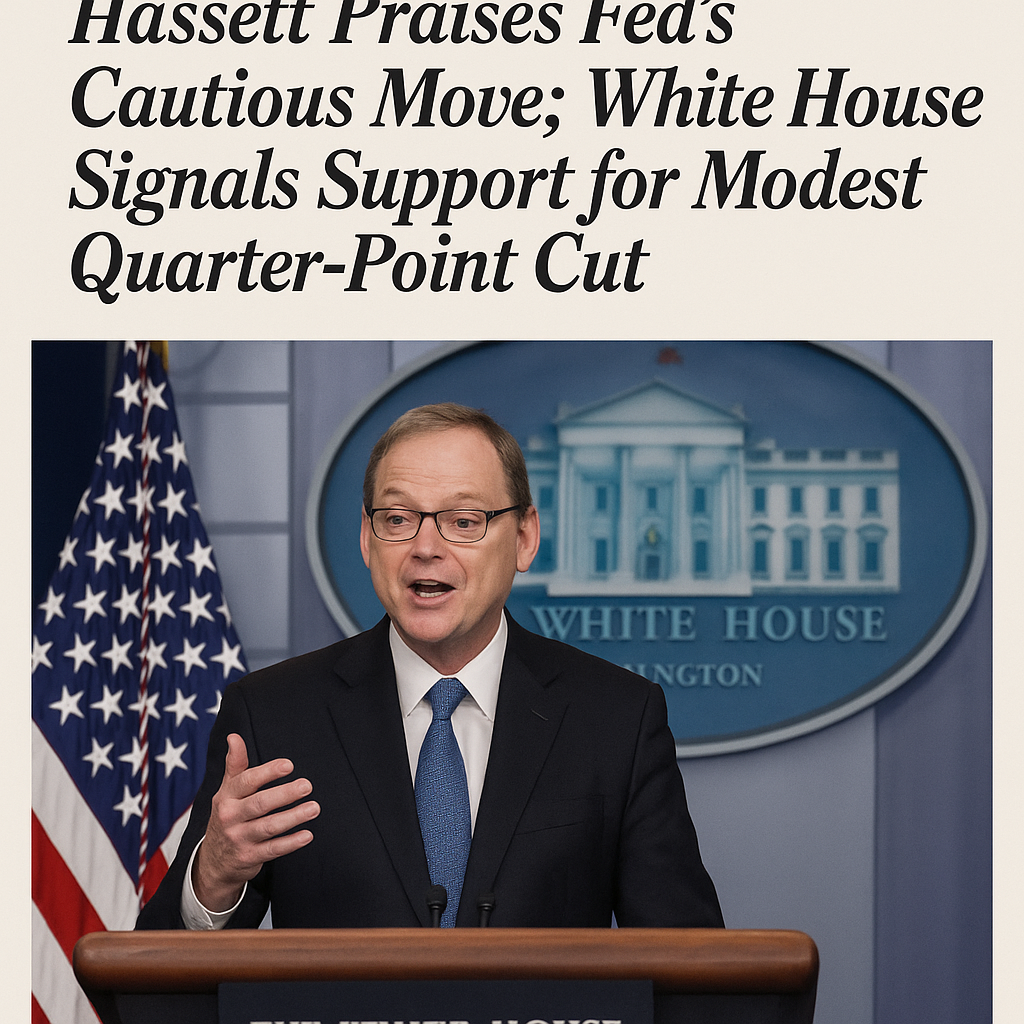
Hassett praises Fed’s cautious move; White House signals support for modest quarter-point cut

Federal Reserve’s Rate Cut Sparks Market Movements and Policy Debates

The Federal Reserve recently implemented a modest quarter-percentage-point cut to its key borrowing rate, signaling a cautious approach as it navigates a complex economic landscape. This decision, perceived by some as a step towards economic stabilization, comes amid shifting market sentiments and ongoing debates among policymakers, economists, and investors. As the global economy faces rising inflationary pressures yet remains resilient, the Fed’s move exemplifies the delicate balancing act it must perform—tamping inflation without stifling growth.

Notably, the White House expressed support for the Fed’s measured approach, with National Economic Council Director Kevin Hassett emphasizing the prudence of a “slow and steady” policy. While some within the administration advocated for a more aggressive half-point cut, the Fed’s decision reflects a consensus aimed at cautious optimism. The recent economic indicators show a robust third-quarter growth rate exceeding 3%, a figure that traditionally would argue against easing monetary policy. Still, inflation running above the Fed’s 2% target, combined with concerns about persistent financial risks, has prompted a nuanced response that favors gradualism over rapid cuts.

Market impacts from this decision are multifaceted. Investors remain vigilant, with equities, bonds, and commodities reacting to the delicate narrative of growth versus inflation control. The policy considerations extend beyond immediate market behavior, touching on policy consequences that could shape future economic stability. Analysts from think tanks and leading economists, including those linked to the Federal Reserve and major banks, indicate that this cautious move might set the stage for future rate adjustments. The decision also underscores ongoing debates about the policy trajectory—should the Fed prioritize containing inflation or supporting a thriving housing market and manageable debt levels?

Importantly, the political dimension persists, with President Donald Trump advocating for more aggressive cuts—arguing that the current rates are insufficient to boost the struggling housing sector and manage the national debt. Such political influences, though not directly altering Fed decisions, shape the policy environment and investor sentiment. As the Fed considers its next moves amid diverse economic signals, the broader implications for market impact and policy stability will be paramount. The coming months will test whether this measured approach will secure sustained growth or prompt future rallying cries for more rapid easing, reflecting the eternal tug-of-war at the heart of economic policy.

Looking ahead, the pulse of the economy remains a reflection of national strength and future global influence.

In this high-stakes game, where monetary policy acts as both shield and sword, the resilience of economies hinges on informed decision-making and bold leadership. Investors, policymakers, and citizens alike watch with anticipation, realizing that the economic landscape is a grand stage—an epic arena where the forces of innovation, policy, and global power collide. While uncertainties persist, the underlying momentum suggests that the future economy will be shaped by those willing to navigate its shifting tides with vision, precision, and resolve. This moment underscores the vital truth: **the economy is not merely a system of numbers, but the beating pulse of nations, heralding the dawn of a new era of global influence and economic ascendancy**.

Social Media Auto Publish Powered By : XYZScripts.com