
Matox News

Truth Over Trends, always!

Tata Motors Cures Data Breach, Secures Customer & Company Info

Indian Automotive Titan Tata Motors Shaken by Major Data Breach

In a stark reminder of the rapid pace of digital transformation and the accompanying cybersecurity risks, Tata Motors, one of India’s leading automotive conglomerates, recently confronted a significant security lapse that exposed sensitive internal data. The breach, identified by security researcher Eaton Zveare, underscores the pressing need for secure cloud infrastructure in the automotive sector and raises questions about how traditional manufacturing giants are adapting to the digital economy.

Zveare uncovered critical vulnerabilities within Tata’s E-Dukaan e-commerce platform, which specializes in trading spare parts for Tata-made commercial vehicles. Alarmingly, the source code contained private AWS keys granting unauthorized access to a treasure trove of data, including hundreds of thousands of customer invoices, personal information such as names, mailing addresses, and India’s unique Permanent Account Numbers (PAN). In addition, the breach exposed over 70 terabytes of data related to Tata’s FleetEdge fleet management system, alongside backdoor admin privileges to a Tableau analytics platform housing data of more than 8,000 users, and API keys for Tata’s Azuga fleet management solution. These revelations highlight how interconnected data ecosystems are becoming | and how vulnerable they may be to cyber threats without robust security protocols.

The incident is emblematic of a broader industry-wide disruption in which traditional automotive manufacturers are racing to digitize operations for competitive advantage. As Tata Motors reasserted its commitment to security, experts like Gartner analysts emphasize that this event signals a larger trend: the shift toward cloud-native infrastructure must be paired with predictive security measures and preventive cybersecurity strategies. The risk isn’t merely data leakage but potential disruptions in manufacturing, logistics, and vehicle safety systems if malicious actors seek to exploit such vulnerabilities. The incident also spotlights the need for industry-wide standards to safeguard digital assets amid the migration toward autonomous and connected vehicles, which demand real-time data integrity and security.

With Tata Motors confirming that the vulnerabilities were patched in 2023, the incident acts as a wake-up call for the automotive and tech sectors. As security remains an evolving frontier, industry leaders such as Elon Musk and Peter Thiel underscore the importance of disruptive innovation—not only in creating advanced vehicles but also in establishing cybersecurity as a key differentiator. The allocation of resources toward building resilient infrastructure and incorporating AI-driven anomaly detection systems will be paramount to prevent future breaches. The stakes are high: more interconnected systems mean increased attack surface, but also immense opportunities for those able to turn security into a strategic advantage, disrupting legacy players and reshaping the automotive landscape.

Looking ahead, this incident signifies a pivotal juncture. As disruptive technologies like artificial intelligence, blockchain, and 5G accelerate, the industry must prioritize security innovation alongside product development. The urgency is clear: falling behind on cybersecurity could not only impact a company’s reputation but also threaten the very integrity of the transportation systems shaping our future. The evolution of automotive cybersecurity will be the determining factor in whether traditional companies like Tata Motors can leverage digital disruption for sustainable growth or become casualties of their own vulnerabilities. The path forward demands decisive action, unwavering vigilance, and relentless innovation—before the next breach jeopardizes industry trust and technological leadership.
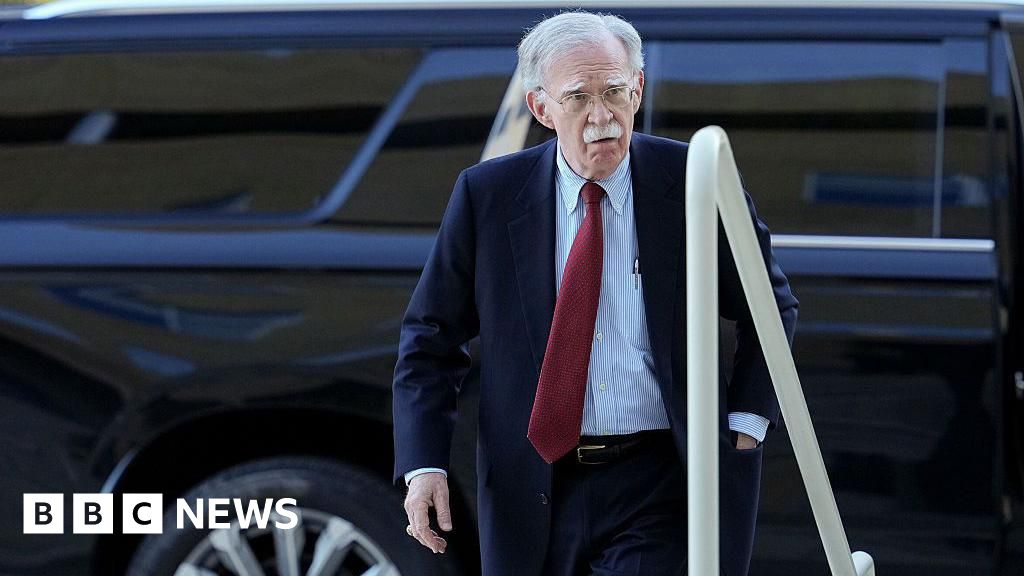
Former Trump adviser Bolton turns himself in over leaked classified info

In a move signaling a stark escalation in
the ongoing legal battles surrounding political figures in the United States, John Bolton, the former national security adviser to President Donald Trump, has surrendered to federal authorities on charges related to mishandling classified information. This development marks a significant chapter in the erosion of political norms and a deepening of partisan divides that threaten the fabric of American democracy. Bolton, a controversial figure who parted ways with the White House bitterly and publicly criticized Trump, now finds himself at the center of a high-profile legal controversy that could have profound geopolitical impact.

The indictment alleges that Bolton utilized personal messaging apps and email to transmit sensitive intelligence, revealing future attack plans, foreign adversaries’ strategies, and foreign policy negotiations—acts prosecutors argue constitute illegal conduct. Such revelations, if proven true, threaten the delicate international balance of security cooperation and risk exposure of classified information to hostile nations. The case underscores the increasingly contentious environment surrounding national security in the digital age, with experts warning that these developments could ripple beyond domestic politics, impacting global stability. Historians and international analysts alike point out that the mishandling or reckless disclosure of intelligence not only jeopardizes the safety of citizens but complicate diplomatic relations with key allies and adversaries alike.

Further, Bolton’s case has broader implications within the context of U.S. internal conflict and the weaponization of justice. Bolton’s lawyer, Abbe Lowell, dismissed the charges as part of a pattern seen in recent years, claiming that “many public officials throughout history kept diaries—that is not a crime.” However, critics contend that the Justice Department’s actions demonstrate a dangerous precedent where political rivals are targeted to undermine their influence, especially in a time when the country is polarized like never before. As international organizations scrutinize America’s internal stability, the case raises urgent questions about the rule of law and the limits of political accountability. Analysts argue that how the U.S. handles Bolton’s case could influence its global image—whether as a beacon of justice or a nation mired in political vendettas.

Adding further complexity, allegations of cyber attacks linked to
the Islamic Republic of Iran reveal that espionage and cyber warfare continue to be prime tools for hostile nations trying to influence U.S. political and security landscapes. The potential hacking of Bolton’s accounts underscores the broader threat posed by state-sponsored cyber operations, which increasingly target top officials in major powers —a development condemned by security experts worldwide. This attack highlights the perilous intersection of technology and geopolitics, where the security secrets of nations can be compromised with alarming ease, thus threatening international peace and stability. Many analysts warn that these cyber threats are a prelude to a new form of diplomatic warfare, demanding urgent international cooperation but also exposing the vulnerabilities of democracies grappling with pervasive digital espionage.

As the world watches, the trajectory of this internal U.S. saga will resonate far beyond its borders, casting shadows over global diplomatic relations and shaping the legacy of an American political landscape fractured by controversy. The headlines are only beginning to unfold, yet their echoes threaten to define an era—one marked by power struggles, evolving technology, and the relentless march of history’s worst conflicts. Future generations will remember whether the United States, once a symbol of stability, was consumed by internal strife or rose to redefine justice amidst chaos. As the courtroom doors close on Bolton’s legal battle, the larger question remains: how will this chapter be written in the annals of history, and what lessons will it hold for the world to follow?

Social Media Auto Publish Powered By : XYZScripts.com



