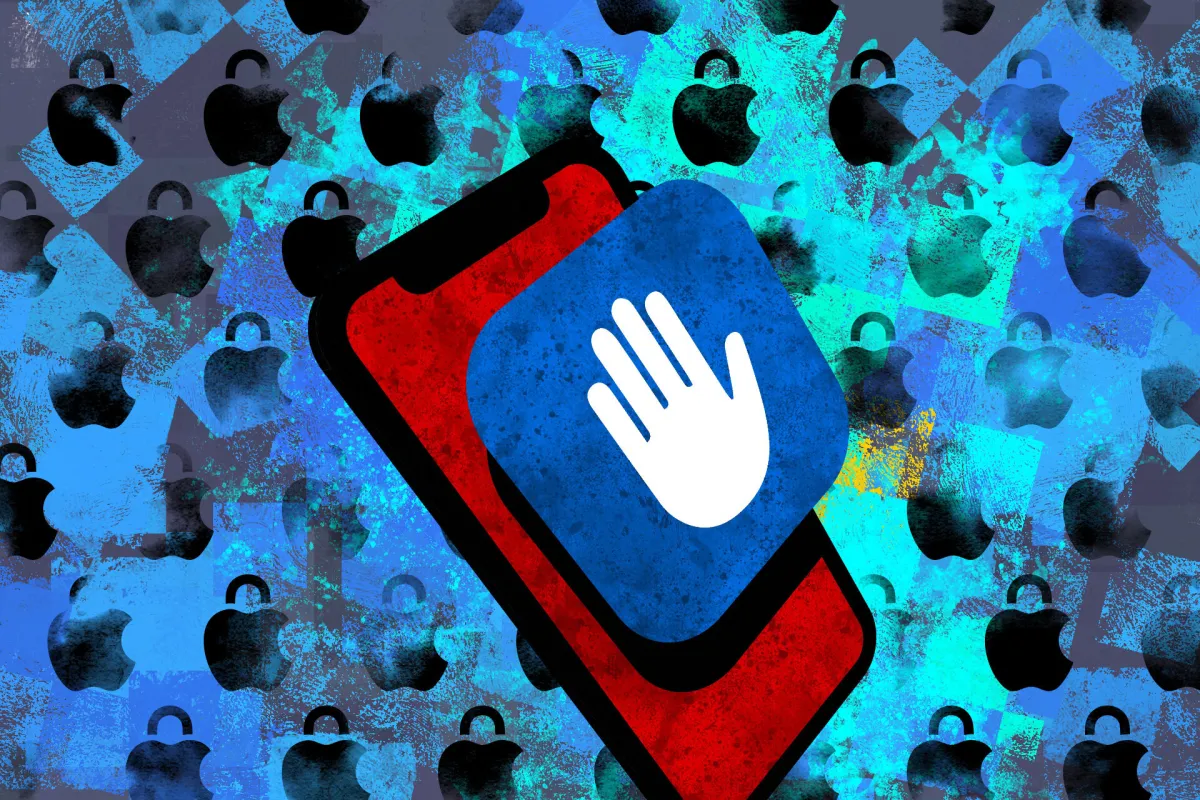

Apple’s Lockdown Mode: A New Era in Mobile Security
In a notable development in digital security, Apple has reaffirmed that its innovative Lockdown Mode, introduced nearly four years ago, remains an effective bulwark against mercenary spyware attacks — a significant claim in today’s landscape of sophisticated cyber threats. According to Apple spokesperson Sarah O’Rourke, no verified cases of successful hacking have been reported since the feature’s implementation, underscoring its potential to disrupt traditional attack vectors leveraged by government and private spyware agencies. This strategic shift signals a pivotal move by a tech giant to prioritize user privacy while confronting relentless espionage tactics.
Security experts and industry analysts commend Apple’s aggressive approach to hardening its ecosystem. Patrick Wardle, a renowned cybersecurity specialist, describes Lockdown Mode as “one of the most aggressive consumer-facing hardening features ever shipped,” highlighting its capacity to significantly shrink the attack surface and elevate security margins. By restricting message attachments, WebKit features, and other remotely exploitable vectors, Lockdown Mode complicates zero-click exploit techniques—hacks that can be executed over the internet without user interaction. This strategic move essentially raises the costs and technical barriers for spyware manufacturers, pushing them toward more complex, costly, and potentially less effective methods, in line with William Gibson’s adage that disruption often begins with making attack methods infeasible.
Implications for the Business and Security Landscape
This development has sweeping industry implications, particularly in the escalating arms race between device manufacturers and spyware developers. Apple’s proactive fortification challenges the traditional narrative that government agencies possess an insurmountable advantage in surveillance and remote infiltration. As Donncha Ó Cearbhaill of Amnesty International reports, “We have not seen any evidence of an iPhone being successfully compromised by mercenary spyware where Lockdown Mode was enabled,” reinforcing the feature’s defensive prowess. Such a stance could prompt rivals in the tech space to accelerate their security initiatives, heightening the disruptive potential across the mobile ecosystem.
From a business perspective, Apple’s bold security posture also reinforces its brand appeal among privacy-conscious consumers—particularly youth demographics increasingly skeptical of governmental overreach and invasive data collection. This commitment to end-user security may underpin long-term loyalty and open avenues for monetization through premium security services. As Gartner analysts suggest, embedding advanced security features like Lockdown Mode could become a differentiator, enabling companies to command premium pricing in an increasingly competitive market.
The Future Outlook: Disruption and Innovation Driven by Security
While the effectiveness of Lockdown Mode currently faces no confirmed breaches, industry insiders caution that security is a continuous race against evolving threats. Experts warn that no system is invulnerable, and malicious actors relentlessly develop new tactics to breach even the most hardened defenses. The significance lies in how rapidly disruptive innovation in security can reshape market dynamics, forcing spyware makers to innovate beyond their traditional ranges of attack. Top minds at institutions like MIT and forward-looking entrepreneurs such as Elon Musk recognize that disruptive security features are fundamental to the future of digital trust and market dominance.
As we look ahead, the urgency for industry-wide adoption of such technological barriers escalates. The paradigm shift initiated by Apple’s Lockdown Mode signifies more than a single feature; it heralds a new chapter in the relentless pursuit of privacy, security, and disruption in the tech industry. Companies that fail to innovate risk falling behind in a landscape where the cost of vulnerability is measured not just in data breaches, but in eroded consumer confidence and regulatory backlash. The future belongs to those who anticipate and adapt—transforming security from a marginalized feature into a core business advantage.