

The ongoing conflict in Ukraine continues to shape the geopolitical landscape, as international diplomacy struggles to forge a path toward lasting peace amid relentless warfare. Senior Ukrainian and US negotiators have recently called on Russia to demonstrate a “serious commitment to long-term peace,” highlighting the persistent tensions and the profound difficulty in achieving reconciliation. Despite two days of “constructive discussions” in Florida involving US envoy Steve Witkoff and Ukraine’s security chief Rustem Umerov, no breakthrough has been announced. The central question remains: will Russia genuinely de-escalate, or is this dialogue merely a pause in a conflict that could escalate at any moment?
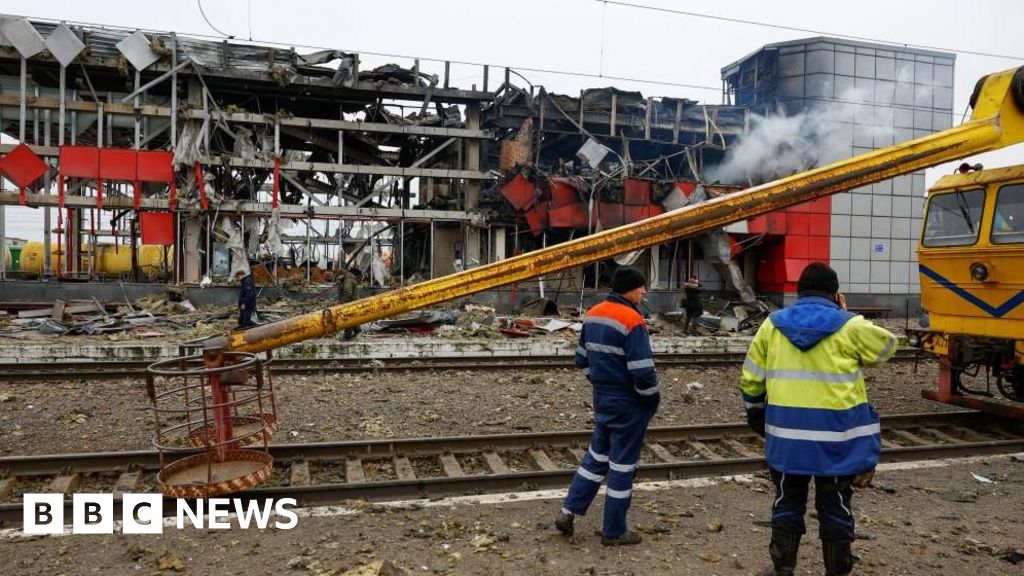
Meanwhile, on the battlefield, Russia has launched a brutal barrage of 653 drones and 51 missiles against Ukraine, striking critical infrastructure such as railway hubs and energy facilities. This attack underscores Russia’s determination to wear down Ukraine’s resilience, even as diplomatic talks continue. Ukrainian authorities report widespread damage, with recent strikes causing blackouts across eight regions and damaging vital energy infrastructure. Ukrainian Foreign Minister Andrii Sybiha condemns this as a blatant disregard for peace efforts, emphasizing that Russia’s strategy seems designed to prolong suffering and deepen divides. The escalation risks drawing international allies into an even more complex confrontation, forcing nations into difficult decisions about support and intervention.
The diplomatic negotiations, which also involved high-profile figures like Trump’s son-in-law Jared Kushner, reveal a layered approach to conflict resolution. American and Ukrainian representatives have agreed on security frameworks and deterrence capabilities, yet key issues—particularly security guarantees and territorial concessions—remain unresolved. Russia’s control over roughly one-fifth of Ukraine, including strategic regions like Donbas, continues to fuel disputes and harden positions. Vladimir Putin demands Ukrainian troops withdraw from these territories, threatening to liberate them by force if necessary. This stance exemplifies the deepening divide, as Russia’s military advances and claims of territorial gains threaten to rewrite the map of Ukraine. Meanwhile, Kyiv and its European partners push for NATO membership or comprehensive security arrangements as the most credible deterrence; yet Russia vehemently opposes NATO’s eastward expansion, framing it as a threat to its security.
Historians and analysts warn that these developments could be a turning point in the modern balance of power. International organizations like the United Nations urge restraint, but their influence diminishes as the conflict persists. As Putin claims recent military successes, and Ukraine seeks vital security guarantees, the global community faces a moral and strategic dilemma. Does the West risk confrontation, or do they must accept a fractured peace that might set a dangerous precedent? The dramatic escalation and persistent deadlock hint at a future where the struggle for influence and sovereignty defines the 21st-century chessboard. The world watches as history’s narrative continues to unfold—fragile, complex, and perilously close to tipping into an even darker chapter.





